Music about the Environment

SERadio_logo3We just posted a mix of songs on environmental issues to the Social Epi Radio section of our website.  The National Institute of Environmental Health (NIEHS) states that environmental factors are fundamental determinants of health and well-being. Researchers and activists have shown that low income communities and communities of color have higher exposures to environmental pollutants and disproportionately host polluting sites such as bus depots, waste transfer sites, chemical facilities and industrial sites.  This distribution of pollutants and sites represents a Justice issue because these communities carry a larger share of the environmental burden and health consequences without reaping equal economic benefits associated with the facilities.

Press the Play button below to stream the music through Spotify.


Posted in Environmental Justice, Neighborhood Disadvantage, Social Epi Radio | 1 Comment

Info-Graphic: Disparities in Health Behaviors and Conditions in NYC

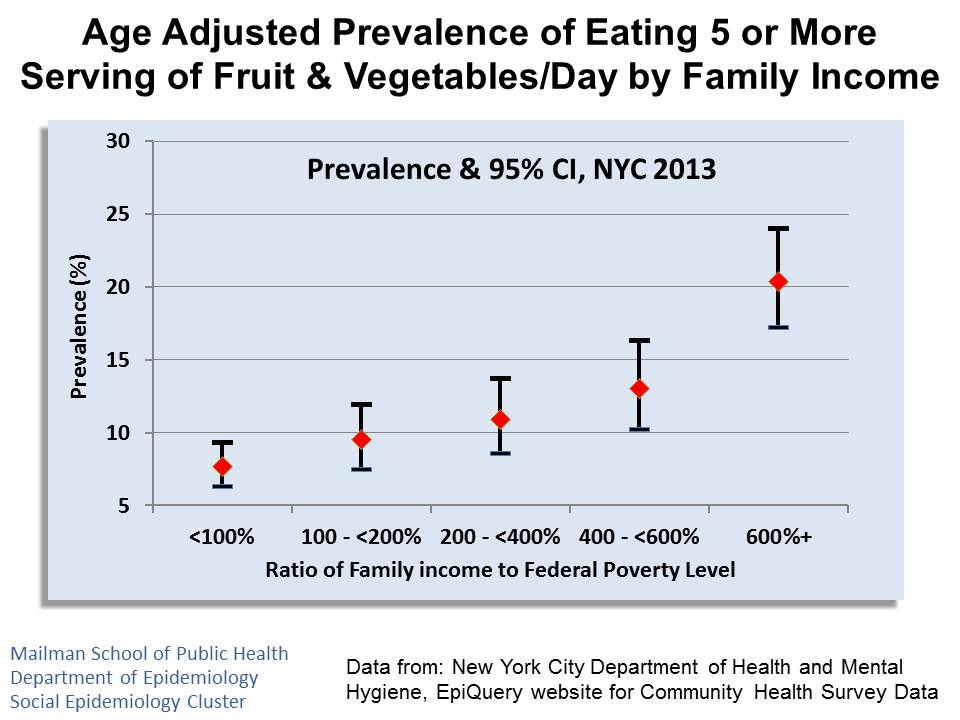
SE_info-graphix_2We have been mining the NYC Department of Health and Mental Hygiene Community Health Survey data to create a series of info-graphic documenting disparities in health behaviors and conditions  by race/ethnicity, educational attainment, income and neighborhood poverty rate.   Thus far we have completed PowerPoint slide decks for Obesity Prevalence, Current Smoking, Fruit and Vegetable Consumption, Sugar Sweetened Beverage Consumption and Self-Rated Health.

Fruit_Veg_disparities

Posted in Uncategorized | Leave a comment

Anxious? Depressed? You might be suffering from capitalism: contradictory class locations and the prevalence of depression and anxiety in the USA

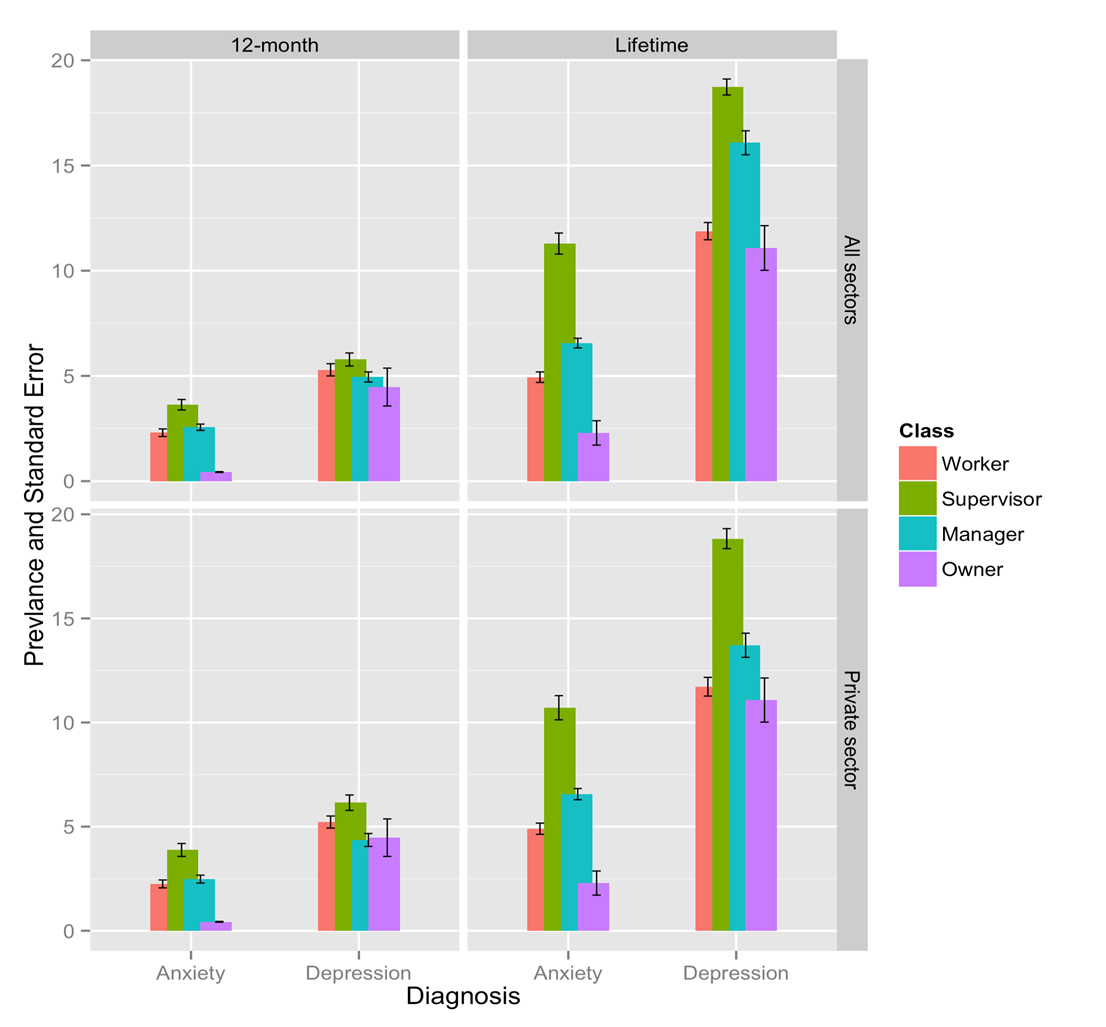
New work in the journal Sociology of Health and Illness by Seth Prins, a Doctoral Student in Epidemiology, and Cluster faculty, Lisa Bates and Katherine Keyes, explores how social class may influence depression and anxiety in ways that are not explained by standard socio-economic measures such as income and education.  Using data on full-time workers from the National Epidemiologic Survey on Alcohol and Related Conditions (n = 21,859) they find that individuals with supervisor and managerial positions have higher rates of anxiety and depression than those with worker positions or ownership positions.
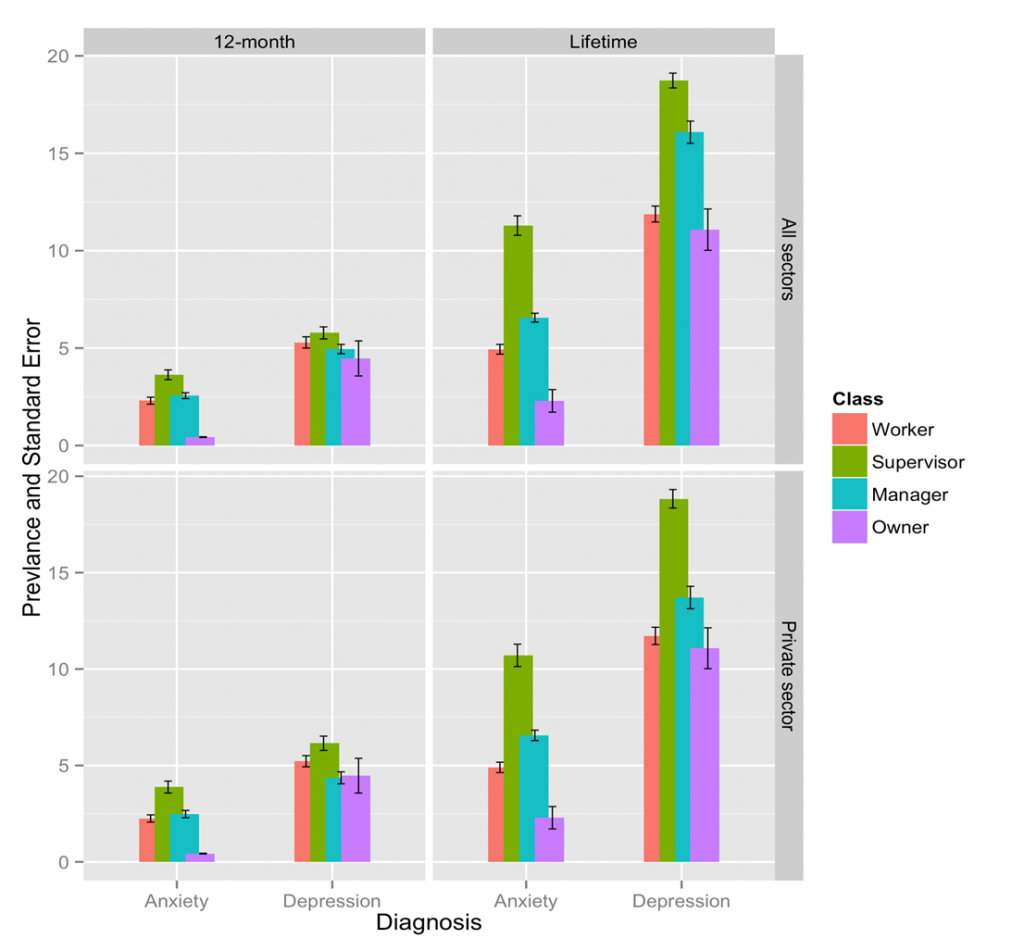
Prevalence of Depression and Anxiety by Occupational Position
Prevalence of Anxiety and Depression by Occupational Position

This non-linear trend in risk across the hierarchy of occupational positions may be explained by the concept of “contradictory class location” and the job strain experienced by employees in the middle and lower ranks of organizational hierarchy.  Individuals, often in supervisor level positions, who are expected to implement company policy but not develop it, have higher wages/autonomy than workers but lower wages/autonomy than executives.  This location within class relations is said to be contradictory because it embodies aspects of both ownership and labor.

The concept of contradictory class location emphasizes political-economic processes and dimensions of power that are not readily captured by standard Social Epidemiology measures like income and education.  These findings suggest that the effects of class relations on depression and anxiety extend beyond those of socioeconomic status, pointing to under-studied mechanisms in Social Epidemiology, for example, the social processes of domination and exploitation.

The paper is being published in the journal Sociology of Health and Illness and became available online in Aug.  The full paper can be downloaded from Seth Prins’ Academia.edu site.

Posted in Anxiety, Depression, Fundamental Cause Theory, Health Disparities, Socioeconomic Status | 1 Comment

Info-Graphic: Obesity and Changes in the Food Environment

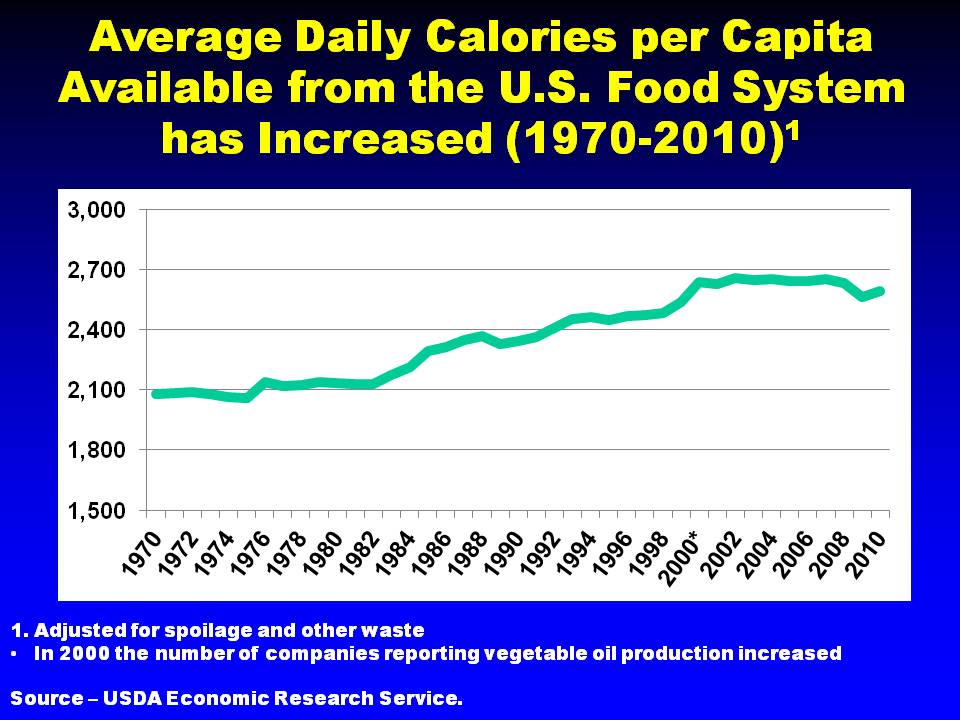
SE_info-graphix_2Coincidental with the NY Times article this morning on food companies funding scientific research and advocacy to shift the focus of obesity prevention to physical activity, this weekend we posted a slide deck of info-graphix on obesity and changes in the food environment over the past decades.  These changes include increases in the average calories per serving of recipes in the Joy of Cooking and increases in the total number of calories available per person through the food system in the U.S.

Slide4

Posted in Economic, Info-Graphix | Leave a comment

Public Health in the Precision-Medicine Era

There is a important New England Journal of Medicine perspectives article by The Mailman School’s Ron Bayer and Boston University’s Sandro Galea on the tension between the drive to develop “precision-medicine” clinical interventions and the critical role of public health in improving overall population health.  The authors voice their skepticism that the planned large investment in precision medicine will be able to move the needle on improving population health.

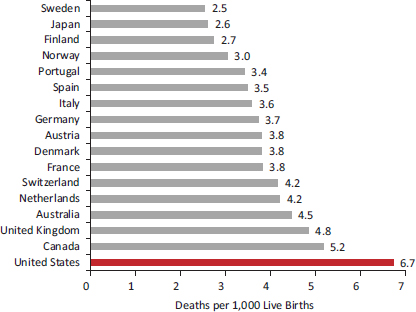
infant_mortality

Infant Mortality 2005-2009, just one of the disturbing graphs from  the report  “U.S. Health in International Perspective: Shorter Lives, Poorer Health” (2013)

The 2013, National Research Council (NRC) and the Institute of Medicine (IOM) report ‘Shorter Lives, Poorer Healthdocumented that Americans rank at the bottom for almost all health outcomes compared to their counterparts in peer economically developed countries.  Health outcomes in the U.S. do not rank so poorly because other countries have adopted high-tech precision medicine clinical approaches, these other countries have not.  Bayer and Galea write “…there is now broad consensus that health differences between groups and within groups are not driven by clinical care but by social-structural factors that shape our lives.”   Compared to our peer countries, our investment in efforts to alleviate the effects of fundamental causes of poor health, such as poverty and racial and economic residential segregation, is sadly low.

Ron Bayer co-directs the Center for the History and Ethics of Public Health at the  Mailman School of Public Health.The Journal posted an interview with Ron Bayer talking about the issues described in the article.  Ron Bayer co-directs the Center for the History and Ethics of Public Health at the Mailman School of Public Health.  Dr. Bayer is interviewed by Stephen Morrissey, the Managing Editor of the Journal.  Click play to listen.


– Andrew Rundle


Posted in Fundamental Cause Theory, Health Disparities | Leave a comment

The Mass Incarceration Mix on Social Epi Radio

Play Social Epi RadioAs a companion to the Mass Incarceration Info-Graphic we have posted a three-hour mix of songs, anchored by tracks from Angela Davis’ spoken word album “The Prison Industrial Complex”. The mix reflects how themes of incarceration, policing and drug sentencing have been represented in popular music across the decades, in specific times and places, and across musical genres.  The mix kicks off with Public Enemy and includes, among others, N.W.A, Mos Def, System of a Down, Sam Cook, Johnny Cash, The Rolling Stones, Billie Holiday, Pearl Jam and Kanye West.

Posted in Uncategorized | Leave a comment

Mass Incarceration Info-Graphix

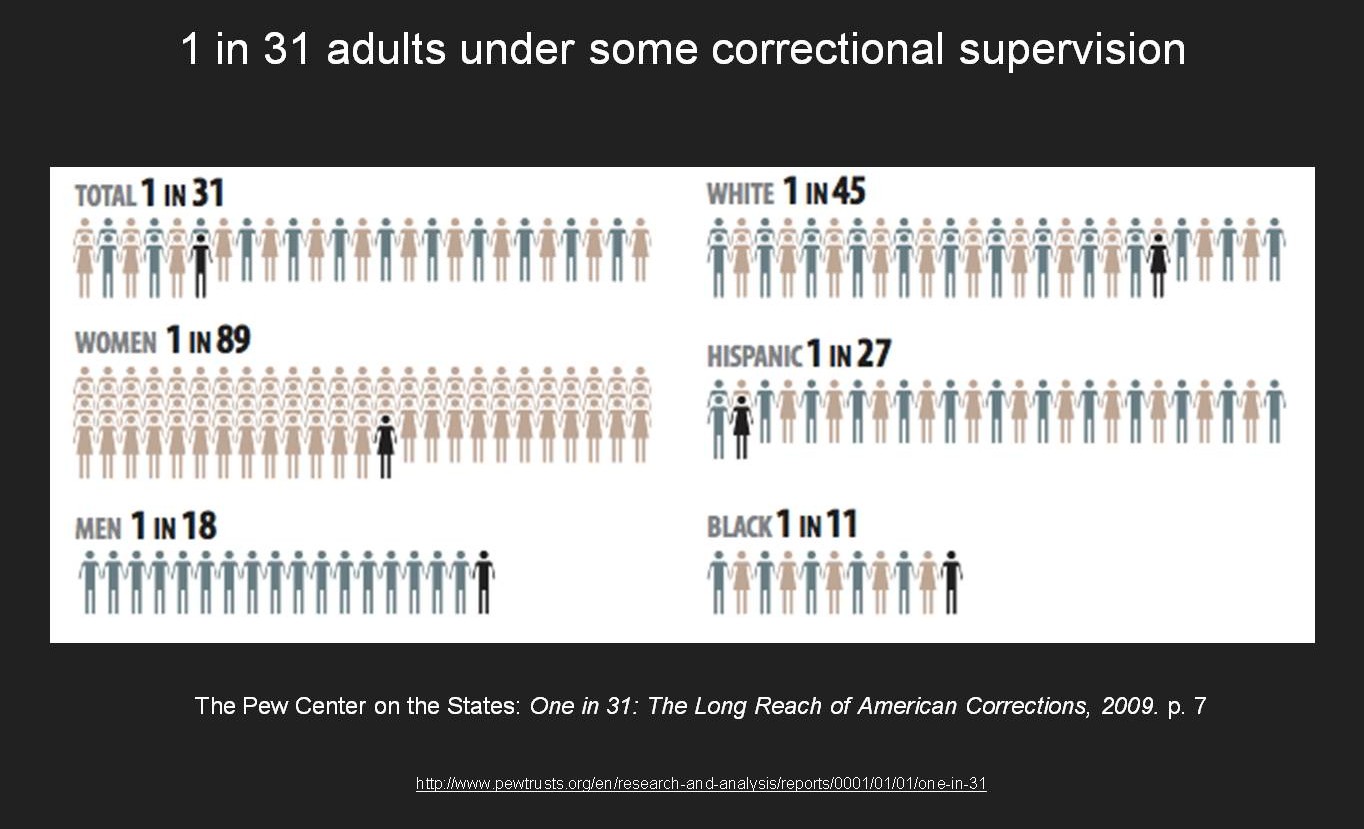
correctional_supervision

We just released a comprehensive PowerPoint slide deck on Mass Incarceration statistics, please feel free to use these slides.

Since most people sent to prison are eventually released, and most “corrections” actually happens in the community through parole and probation, it’s crucial that social epidemiologists and public health professionals recognize that the health of people in jails and prisons and on probation and parole is a component of public health, and is intertwined with many of the other “exposures” that social epidemiologists study, including race, poverty, gender, neighborhoods, education, and so on. The health, social, political, and economic impact of mass incarceration on families and communities is difficult to overstate.

Posted in Info-Graphix, Mass Incarceration | Leave a comment

Changes in Food Prices

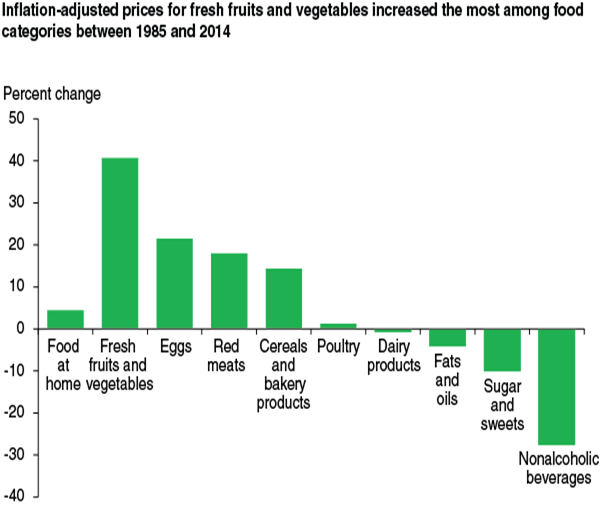
The USDA Economic Research Service just released interesting data and analyses on changes in inflation-adjusted food prices from 1985 to 2014.  The price of fresh fruit and vegetables has increased and the price of fats and oils and sugar and sweets has decreased.  As a result of these changes the cost of preparing food at home has gone up slightly.

USDA data on changes in food prices by food category

USDA data on changes in food prices by food category


Posted in Economic, Info-Graphix, Socioeconomic Status | 1 Comment

Social Epidemiology Soundtracks

playinspotify

Click on the “Play in Spotify” buttons in the Social Epi Radio pages and the mixes will automatically start playing on Spotify’s webpage.

Under the new “Social Epi Radio” menu tab we will start posting thematically curated music collections. Not so much “radio on the internet” but Spotify playlists that will load the Spotify app and start playing our list.  Artists in popular music traditions like folk, blues, reggae, punk, hip hop and rock have frequently used their music to point to social needs and disparities and in some instances have changed the national and international conversation on these issues.  We are organizing a series of playlists of songs about key social factors that influence health and well being.  Each mix will be accompanied by links to key literature, popular press articles and/or Info-Graphix on the featured topic.

Up first is a mix of Ska and Reggae songs about the trials and tribulations of living in disadvantaged inner city neighborhoods.  Many of the pioneers of Ska and Reggae came from impoverished neighborhoods in Jamaica and life in these neighborhoods was a common theme to their music.


Posted in Playlist, Social Epi Radio | Leave a comment

Finding Double Happiness: New Work on Marriage Outcomes in China for Individuals with Psychosis

A new paper from Lawrence Yang, Michael Phillips, and Xianyun Li  entitled “Marriage outcome and relationship with urban versus rural context for individuals with psychosis in a population-based study in China.” was just published in Social Psychiatry and Psychiatric Epidemiology.

Double_happiness

The Chinese Double Happiness characters, a traditional symbol of marriage in China.

Social integration for people with psychosis in low and middle income countries remains an important issue that might facilitate or hinder their recovery. However, this issue has rarely been investigated across urban versus rural settings in the same country. The researchers therefore examined marriage outcomes for individuals with psychosis in urban vs. rural settings in China in a large community-based study in four provinces representing 12% of China’s population (393 individuals with psychosis). Main results showed that while urban and rural residents had similar impairments due to symptoms, urban female residents were 2.72 times more likely to be unmarried than their rural counterparts. Further stratified analyses indicated that this marital disadvantage occurred primarily among urban females with an earlier age of onset.

The findings indicate that urban contexts impeded opportunities for marriage for female individuals with psychosis specifically. These data suggest that urban women with earlier age of onset have difficulty in obtaining marriage which may be related to economic expectations of women in urban areas. This research is especially significant regarding the rapid urbanization of China and how it might adversely effect social integration opportunities for people with psychosis.

Posted in Uncategorized | Leave a comment