Throwback Thursday: Neighborhood Income and DNA Damage from Polycyclic Aromatic Hydrocarbons in Prostate Tissue.

Throwback Thursday posts will revisit previously published articles and provide results of additional analyses that didn’t fit within the Journal’s word limits or re-imagine how the underlying data in the paper can be presented graphically.

Neighborhood Socioeconomic Status Modifies the Association Between Individual Smoking Status and PAH-DNA Adduct Levels in Prostate Tissue

Following up on data from occupational studies, Rundle and colleagues have been investigating possible environmental causes of prostate cancer, documenting the presence and correlates of DNA damage from polycyclic aromatic hydrocarbons (PAH) in prostate tumor and tumor adjacent tissue from prostatectomy patients at the Henry Ford Health System, in Detroit. PAH are a family of environmental carcinogens resulting from incomplete combustion processes and are found, among other places, in air pollution, cigarette smoke, and diesel exhaust. PAH can damage DNA by covalently bonding to DNA bases forming what are known as PAH-DNA adducts.

A PAH-DNA adduct intercalated into a DNA double helix.  The animation is based on HNMR spectroscopy data

A PAH-DNA adduct intercolated into a DNA double helix.

By 2012 they had documented associations between: PAH-DNA adduct levels and pathological features of prostate cancer, between adduct levels and genetic polymorphisms in genes coding for enzymes that metabolize PAH, and between adduct levels and biochemical recurrence after prostatectomy. However, a strong, overall relationship between PAH-DNA adduct levels in prostate tissues and cigarette smoking, a major source of PAH exposure, had not been observed. But as shown in the paper, when the men were grouped into those living in higher and lower income neighborhoods it was found that adduct levels varied by both smoking status and neighborhood circumstances.

The graph below shows the covariate adjusted mean (and 95% CI) PAH-DNA adduct levels by smoking status among men living in Census tracts with higher and lower median household incomes.  Among men living in higher income tracts PAH-DNA adduct levels increased across the categories of never, ex-, and current-smoker.  Among men living in lower income tracts, PAH-DNA adduct levels were high and did not vary by smoking status.  Overall, men living in lower income tracts had adduct levels equivalent to those of current smokers living in higher income tracts.  The analyses adjusted for the men’s own educational attainment as a measure of their individual socio-economic status.  The work shows a cross-level interaction between neighborhood conditions and individual-level smoking status on a molecular marker.
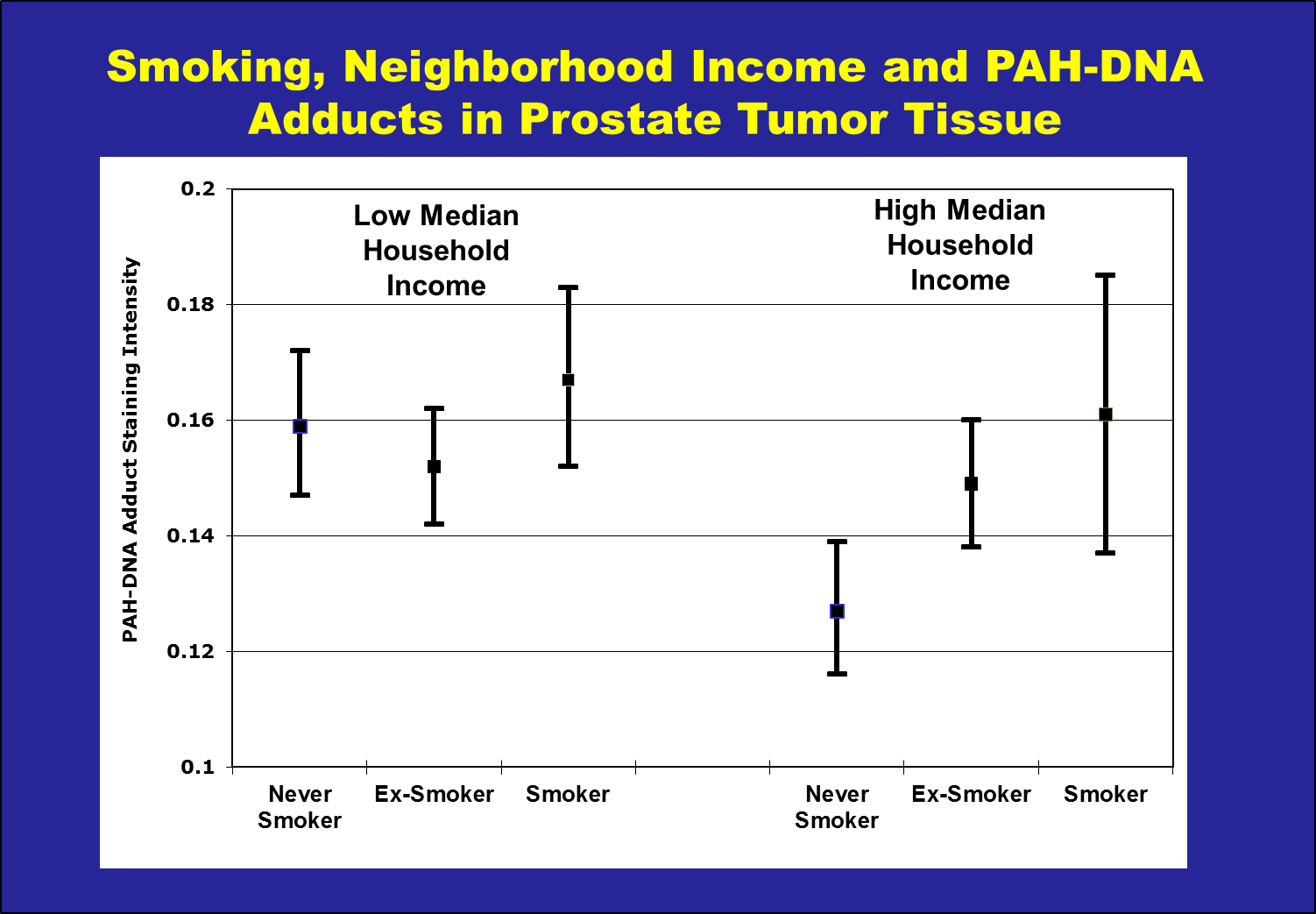
Census tracts were divided into low and high household income groups based on the median of the tract Median Household Income. PAH-DNA adducts were measured in prostate tissue using immunohistochemistry and the results of the assay are reported in Optical Density units.

Census tracts were divided into low and high household income groups based on the median of the tract Median Household Income. PAH-DNA adducts were measured in prostate tissue using immunohistochemistry and the results of the assay are reported in Optical Density units.

Posted in Neighborhood Disadvantage, Neighborhood Environments, Socioeconomic Status, Urban Health | Leave a comment

“Stress and the City” at the German House for Research and Innovation

Andrew Rundle will be speaking at the “Stress and the City” event at the German House for Research and Innovation at the United Nations Plaza.  The event is November 2nd from 6:30 to 8:30 and they would like an RSVP.  The event flier and speaker bios are HERE.

Posted in Event, Urban Health | Leave a comment

Measuring the Ecosystem of Business and Retail Establishments

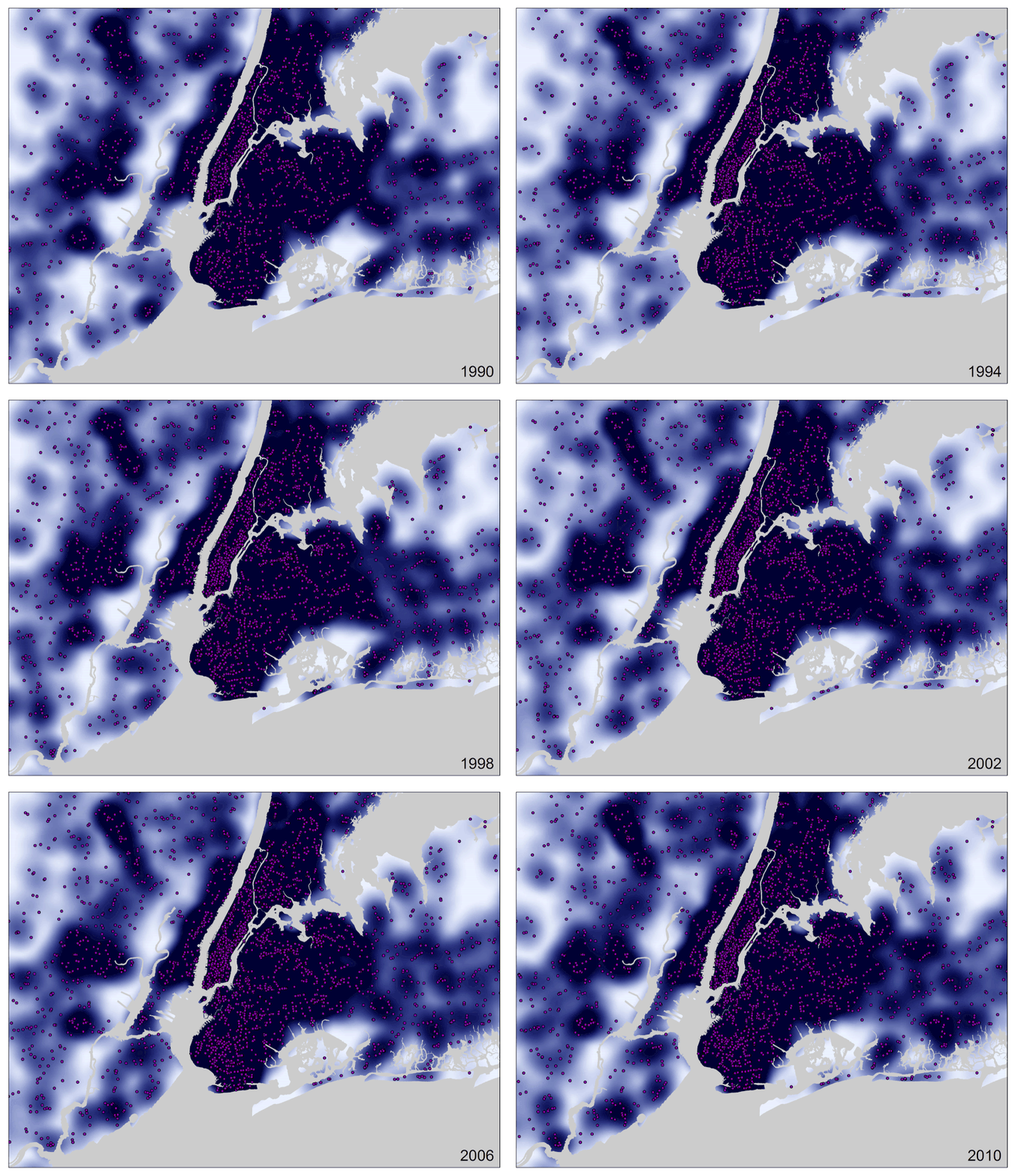
Gina Lovasi and colleagues just published a manuscript detailing work to clean and code data on all NYC metropolitan area businesses over the period 1990-2010.  Their goal was to use twenty years of business establishment data to characterize changes in neighborhoods in terms of the retail food environment, access to physical activity venues, access to medical facilities and access to other commercial and not-for-profit establishments.

This effort was championed by lead author Tanya Kaufman, who has engaged in this effort since her MPH practicum project using these data.  Daniel Sheehan was the lead geographer on the project and developed the geocoding and data quality control strategies and created time-lapse visualizations of businesses entering and existing the environment. The animation below shows changes in access to Healthy Food Outlets from 1990 to 2010. The full size animation can be seen here.

Changes in Healthy Food Retail Outlets - visualization by Dan Sheehan

Changes in Healthy Food Retail Outlets – visualization by Dan Sheehan

The goal of this project was not only to understand and improve the quality of data for future analysis, but also to develop scalable approaches that can be used with the larger national dataset.  Lovasi has recently been funded to purchase the nationwide business establishment data and to link these data to ongoing cohort studies of cardiovascular disease  (R01AG049970-01A1, PI: Lovasi).

Posted in Economic, Neighborhood Environments | Leave a comment

New Work on Stigma Among Those Labeled “At-Risk” for Psychosis

lhy2001_3_lhy2001Cluster faculty member, Lawrence Yang and colleagues, just completed the first study to compare the stigmatizing effects of symptoms of schizophrenia and related psychotic disorders to the stigmatizing effects of being labelled “at-risk” for these conditions and seeking help at a specialized clinic.  While the identification of the clinical “at-risk” state is an important psychiatric tool that allows for earlier evaluation and treatment, fewer than one in three young people identified as “at-risk” actually develop psychosis.  Therefore it is important to consider the impacts of “false positives” when the “at-risk” label is applied to young people; there is concern that stigma may be a damaging effect of this label.  Yang and colleagues found however that young people experienced more stigma from the symptoms that led them to seek help, than from being labelled “at-risk” or from attending a specialized clinic.

Yang and colleagues conducted this research at the Center of Prevention and Evaluation, or COPE, a comprehensive program at the New York State Psychiatric Institute at Columbia University that offers treatment and resources to participants about early symptoms and risk of schizophrenia.  Young people referred to COPE are told that while they are at increased risk for psychosis as compared with the general population, it is likely that they will not develop psychosis. They are also told that if they do develop psychosis, they will receive immediate treatment, which tends to be effective. In Yang’s study, young people participating in COPE were asked about their stigma experiences on average about 11 months after they entered the program.  With these survey data the researchers were able to distinguish feelings of stigma due to attending a specialized high-risk clinic from the stigma of having symptoms and experiences.

Yang is also the principal investigator of a multi-site five-year project currently funded by the National Institutes of Health that is building upon the current study to understand stigma better in the clinical high risk state for psychosis. This project, which is being conducted at New York State Psychiatric Institute, Beth Israel Deaconess-Harvard Medical Center, and Maine Medical Center, will enable Yang to corroborate these initial findings, as well as to examine whether vulnerability to stigma is affected by social cognition, like recognizing others’ intents and emotions in their facial expressions and in what they say.

Posted in Labelling, Mental Health, Stigma | Leave a comment

Info-Graphix: Health Disparities in NYC

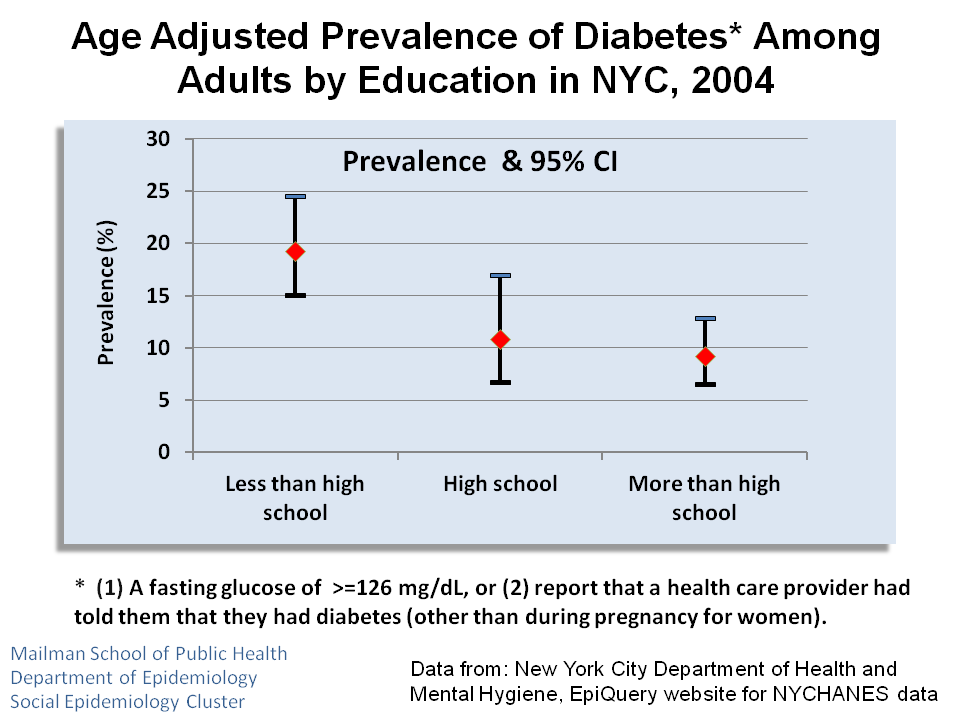
SE_info-graphix_2We just posted the beginnings of a new slide deck that shows disparities in health conditions by education level among residents of New York City.  The NYCHANES data were mined to plot the prevalence of Hypertension, Diabetes and Hyper-cholestriamia by level of education.  The slides are available as PNG files and as a PowerPoint slide deck [HERE].

Slide3

Posted in Uncategorized | Leave a comment

A New Project to Study Childhood Adversity and Cardiovascular Health in Puerto Rican Young Adults

sfs2150_3_Shakira F SugliaCluster faculty member Shakira Suglia was recently awarded an NIH grant to study the effects of childhood adversity on health outcomes among young Puerto Rican adults from the South Bronx and from San Juan, Puerto Rico.   While these two groups of study participants are ethnically homogenous, they have grown up in vastly different contexts. In the South Bronx, these young Puerto Ricans grew up as a minority population in the poorest congressional district in the United States. In San Juan, they’ve been the majority population, but still may have faced discrimination based on the color of their skin.

Suglia’s project will follow-up participants in the Boricua Youth Study, which between 2000-2004 began collecting data from Puerto Rican children between the ages of 5 and 13 years old.  Fifteen years after the Boricus Study began, Suglia and her team are returning to the children—now young adults in their twenties—to collect data on health outcomes and health behaviors.  In addition to studying the role of childhood adversity Suglia and colleagues will also focus on positive elements that may serve as potential buffers to prevent cardiovascular disease: a strong sense of family, religious life, and acculturation.

Posted in Childhood Adversity, Ethnicity | Leave a comment

Environmental Justice: Social Disparities in Exposures to Environmental Pollutants

Location, location, location.  Anyone who has been in the real estate market knows that location is one of the most important factors in determining property value.  But, a large body of evidence indicates that property value is not the only thing determined by location.  Where a person lives has a large influence on that person’s overall health and well-being.  In fact, the Robert Wood Johnson Foundation has linked residential zip code to quality and length of life, demonstrating that just a few miles difference in place of birth can lead to large health disparities and as much as a 25 year difference in life expectancy.

The reasons for this gap are, of course, multifactorial.  Epidemiologists and sociologists have made incredible strides in demonstrating how the community in which you live affects your health through social and economic conditions. There are several explanatory mechanisms for this phenomenon, including access to healthcare, prevalence of crime, proximity to physical activity resources, and availability of fresh produce.  Another important neighborhood contextual factor is environmental pollution.

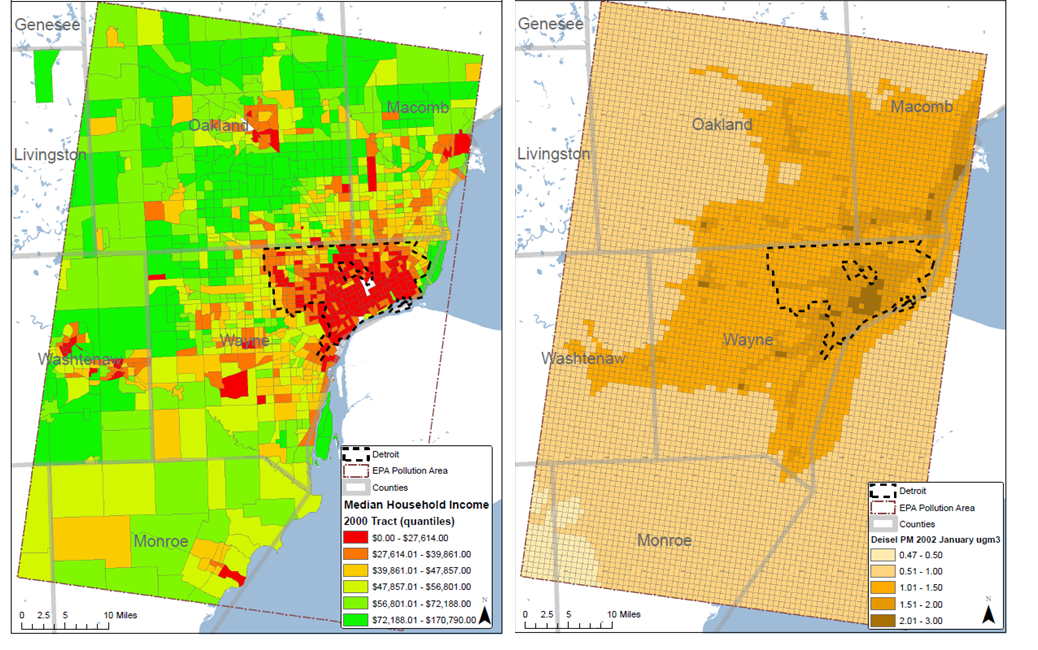
EJ_Detroit

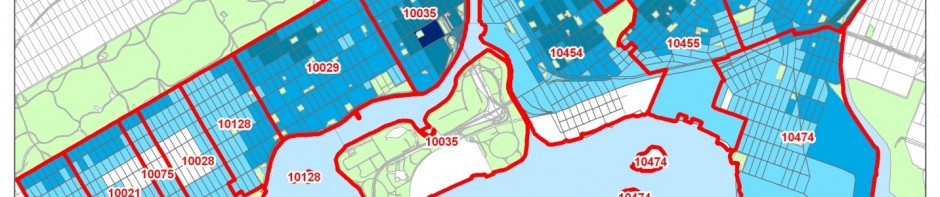
Median House Hold Income (2000) and winter Diesel Particulate Matter levels (EPA – 2002) in the Detroit Metropolitan Area. Maps by Dan Sheehan

That the burden of environmental pollution may be disproportionately felt in certain neighborhoods, particularly low-income or minority neighborhoods, is not a new idea.  Environmental justice, defined by the US Environmental Protection Agency (EPA) as the fair treatment and meaningful involvement of all people regardless of race, color, national origin, or income with respect to the development, implementation, and enforcement of environmental laws, regulations, and policies, gained widespread attention in the early 1980s.  At that time, community leaders pointed to the greater burden of environmental hazards on residents in low-income and minority communities compared to the general population.  Following the public demonstration by the National Association for the Advancement of Colored People against dumping of contaminated soil near a low-income, predominantly minority community, several investigations were conducted on environmental inequity.  The results of this injustice were documented in multiple landmark reports.  Since that time, community leaders, activists, environmental researchers, and the federal government have worked to address these inequities through research, empowerment, and policy changes. Continue reading

Posted in Economic, Environmental Justice, Health Disparities, Neighborhood Disadvantage, Socioeconomic Status | Leave a comment

Info-Graphic: Mortality Attributable to Social Factors

SE_info-graphix_2

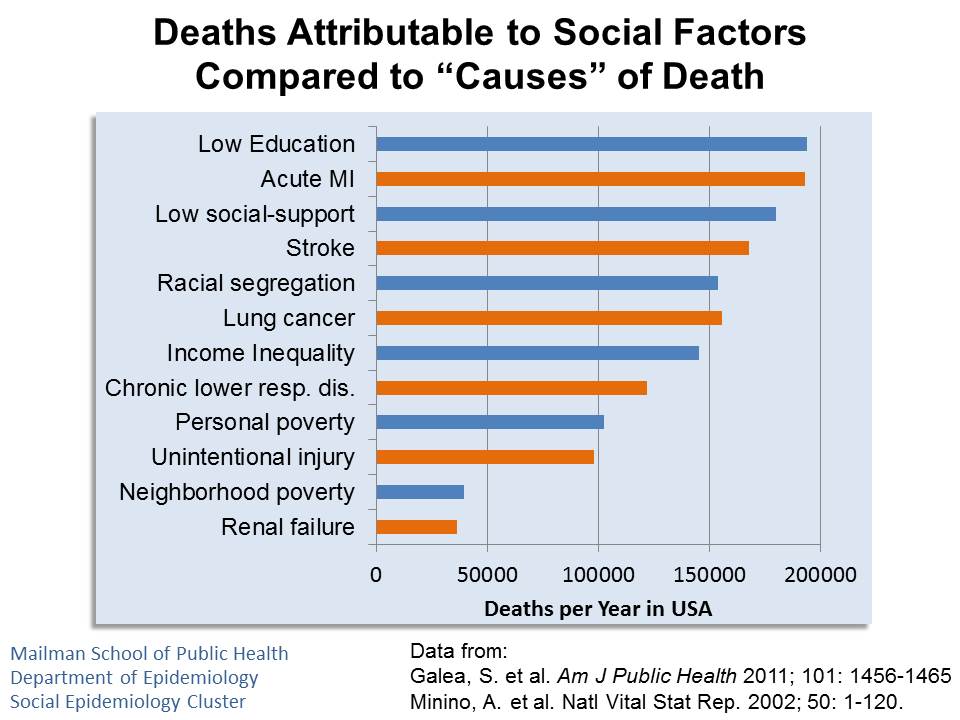
We just posted a graph using data from Galea 2011 and Minino 2002 to compare deaths attributable to social factors verses listed “causes” of death in 2000.  The data show that deaths attributable to social factors are similar in number to deaths from traditional, reported causes of death, such as stroke or lung cancer.

Causes_of_death

PowerPoint Slide [Here]

Posted in Neighborhood Disadvantage, Racial Segregation, Socioeconomic Status | Leave a comment

Why are kids reporting that they prefer more dangerous and risky activities than they did 30 years ago?

Katherine Keyes weighs in on her latest paper describing 30 year trends in adolescent risk preference.

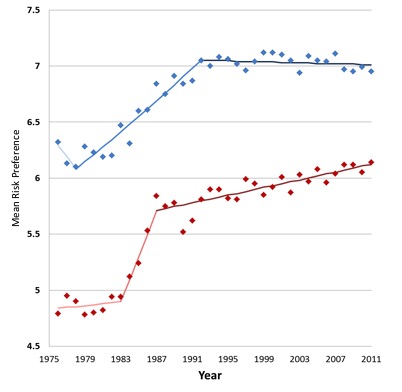
The graph below shows the yearly trend in a trait termed ‘risk preference’, spanning the last 30 years among adolescents in the United States. Adolescents who prefer risk tend to engage in more varied, novel, and complex sensations and experiences. We have considerable data to show that risk preference changes across age (see the end of this blog entry for a reading list). When the teen years begin, adolescents typically begin seeking more novel, risky experiences; the preference for risk increases during adolescence and then typically drops off during the transition to adulthood. It’s clear that the roots of risk preference are neurobiological, and evolutionary experts chime in that preference for risk is probably necessary and healthy – seeking out new experiences allows the adolescent to leave the home with little anxiety and go and discover the world as an adult.

Males are represented din Blue and Females are represented in Red

Males are represented in Blue and Females are represented in Red

However, there is substantial individual variation around the population mean of risk preference; high risk preference teens are those that are willing to, for example, go on the highest roller coaster or cliff diving on the family vacation; low risk preference teens are the ones who, perhaps, nervously watch from the sideline.

Breakfast Club [1985]: clear risk preference shown by the flagrant disrespect for Mr. Vernon’s authority, not to mention drug use on school grounds and an illicit trip outside the library

Breakfast Club [1985]: clear risk preference shown by the flagrant disrespect for Mr. Vernon’s authority, not to mention drug use on school grounds and an illicit trip outside the library

But whether a teen wants to go on a roller coaster doesn’t interest me all that much as a public health scientist. It turns out, though, that teens who prefer riskier activities are not only more likely to be first in line for the roller coaster; they are also more likely to engage in drug use, gambling, vandalism, truancy, and experience unintended pregnancy—making risk preference as a concept one of interest for epidemiologists like myself.

In conducting this study, we were not so much interested in individual variation (i.e. what makes some kids prefer risk and not others), but instead in historical variation (i.e. are there time periods in history in which, on average, American teens preferred more risk than others). Historical variation gives us insight into the way in which social context is embedded in our psyche. While risk preference is traditionally believed to be a biological process involving brain maturation with substantial individual differences in trajectories, what would it mean if there were overall population shifts across time, collectively, in the number of teens who prefer risk? Continue reading

Posted in Gender, Risk Preference | 1 Comment

Health Insurance and Access to Care in Low- and Middle-Income Countries

Non-communicable diseases (NCDs) are the greatest contributor to morbidity and mortality in low- and middle-income countries, and these diseases are disproportionately experienced by those in the most disadvantaged circumstances.  In line with initiatives to “close the gap” on several health indicators between low- and high-income countries as well as between the poor and wealthy within those countries, NCD management is becoming the central focus of health system development worldwide, including providing health insurance in regions where it is not yet commonplace.

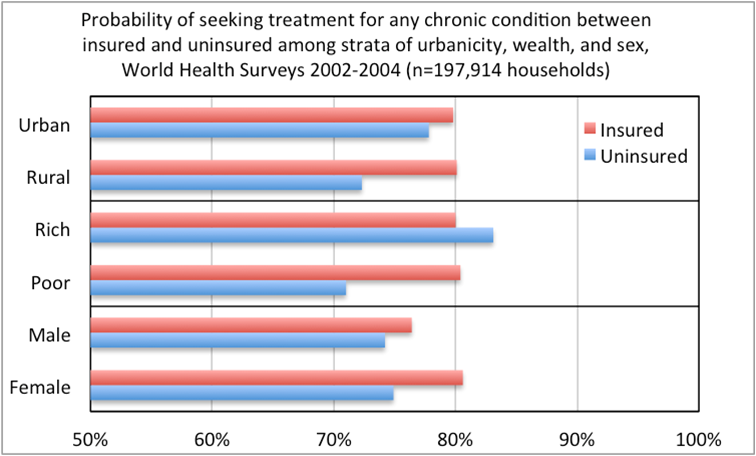
A new paper in Health Policy by Abdulrahman El-Sayed, Anton Palma, Lynn Freedman and Margaret Kruk, examines the contribution of health insurance to individuals seeking care for their chronic illnesses.  Using population-representative data from households in 48 low- and middle-income countries from World Health Surveys conducted by the World Health Organization in 2002-2004 (n=197,914), they find that those with health insurance are more likely to seek treatment for their chronic illnesses.  Having insurance was associated with reduced disparities in treatment seeking behavior between the wealthy and poor, and between urban and rural residents in these settings.  Insurance was also associated with greater likelihood for seeking treatment among women than men.  Their findings also showed that those with health insurance were less likely to have paid out-of-pocket to seek health care for their chronic illnesses.

This observed gap reduction in health care uptake between historically disparate groups is promising for advocates of universal health coverage, especially in low-income settings.  Proponents of universal health care argue that a prime mechanism for these disparities is that access to health care, which is already limited by sparse health facilities and human resources, is rendered inaccessible when people suffer financial hardships in order to pay for them.  Thus, private health insurance programs, which rely on direct payments by the insured, may be unaffordable by the poor and not be a viable option in these settings.

Anton_palma_fig_2


Posted in Economic, Health Disparities, Health Insurance, Socioeconomic Status | Leave a comment