Make the Money, Make (up) the News? The Underreported War of Nagorno-Karabakh

Make the Money, Make (up) the News? The Underreported War of Nagorno-Karabakh

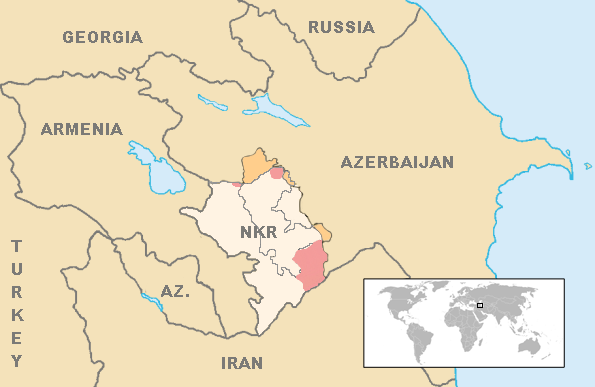
By Nay Alhelou, Co-Editor of RightsViews and MA Candidate in Human Rights Studies at Columbia University.  Four weeks on, the war over Nagorno-Karabakh continues despite a third ceasefire agreement that was supposed to take effect on October 26. In the meantime, a parallel war – a war of (mis)information – finally starts to make headlines. Over the past two weeks, both academics and journalists reported on the ways in which Azerbaijan has been using its financial power to set the tone of the conflict in Nagorno-Karabakh. Academics at Harvard University and Columbia University pointed out that Azerbaijan has been investing in lobbying firms and using social media ‘trolls’ to spread misinformation in the aim of getting the public’s support. For example, Azerbaijani Telegram channel “The Tagiev” claimed that videos showing the capture and execution of two Armenian soldiers were staged, even though originally the channel itself posted them and identified them as real. However, an investigation by Bellingcat found that the videos were...

Read More
Human Rights Work in the Public Sector: a Discussion with Alumna Barbara Matias

Human Rights Work in the Public Sector: a Discussion with Alumna Barbara Matias

By Lindsey Alpaugh, staff writer for RightsViews and graduate student in the Human Rights MA Program On October 13th, the Institute for the Study of Human Rights hosted its first Alumni Speaker Series event with Barbara Matias. A graduate of the Institute’s MA in Human Rights Studies, Matias has had a diverse career that spanned over many countries, as well as different missions. Some of her most recent work has included her new position working for the European Union on Belarus, as well as a Programme Officer to the training mission in Iraq and the Euro-Atlantic Disaster Relief Crisis Center’s Team Lead on NATO-EU coordination.  Speaking from experience, Matias advised job seekers  that “stability comes later” in the field of human rights, and that they should not be discouraged by the frequency with which they may switch jobs. She also admitted that there were  moments where she doubted her choice of working in the public sector, but ultimately realized that she was...
Read More
Striving for Menstrual Equity: The Palgrave Handbook of Critical Menstruation Studies

Striving for Menstrual Equity: The Palgrave Handbook of Critical Menstruation Studies

By Susanne Prochazka, staff writer for RightsViews and a graduate student in the Human Rights MA Program. Ethereal, smoky, crimson-red droplets drift across the screen as the next speaker is introduced during the online launch of the Palgrave Handbook of Critical Menstruation Studies on October 8th.  Jen Lewis’ “Beauty in Blood” art introduces each new speaker, emphasizing the stark red color of menstrual blood and reinforcing the artist’s goal of breaking the stigma surrounding menstruation.  The Palgrave Handbook of Critical Menstruation Studies is the first of its kind, an open access handbook containing a multidisciplinary collection of works drawn from the field of Critical Menstruation Studies. Content in The Handbook comes from a variety of genres,  from multimedia art to public health, proving that menstruation is both a rich and varied field of study, as well as a vital component of health and human rights studies. Following opening comments from the editors, including Inga T. Winkler, lecturer for ISHR and Director of...
Read More
Suffering , Grievability and Covid-19 – An Indian Nightmare

Suffering , Grievability and Covid-19 – An Indian Nightmare

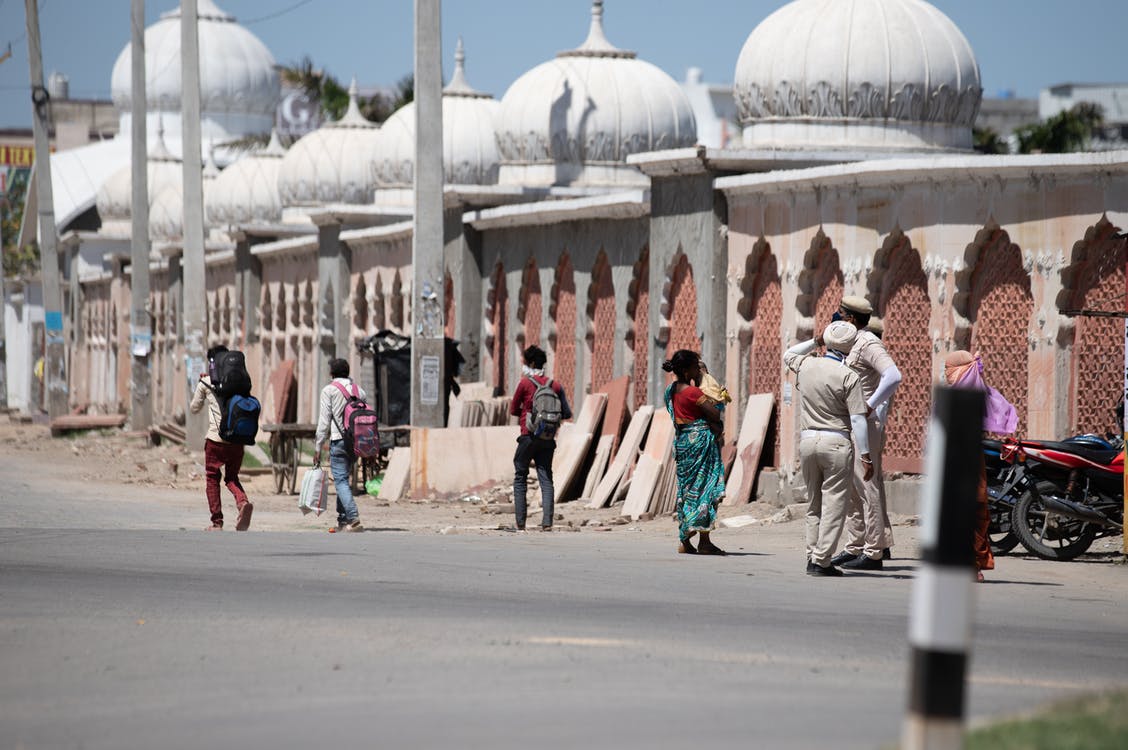
By Guest Contributor Yash Karunakaran. Yash is an alumnus of the University of Illinois at Urbana Champaign College of Law and the National Academy of Legal Studies and Research (NALSAR). He is currently an advocate practicing before the Supreme Court of India and the Delhi High Court. He is also involved with a civil society organization that helped arrange for travel, food and medicine for migrant workers stuck as a result of the Covid-19 lockdown in India. This organization has filed Petitions before various Courts challenging state restrictions placed on the return of migrant workers. The primary weapon used to counter epidemic outbreaks within the Indian subcontinent has, for the past 123 years, remained the 1897 Epidemics Act. The legislation grants special powers to State Governments, allowing them to make their own regulations to counter the spread of disease. This piece analyses the colonial history of the Indian response to epidemics, highlighting how it colours the manner in which the Indian...
Read More
Complicating Ruth Bader Ginsburg’s Legacy Through the Lens of White Feminism, Race, and Indigenous Rights

Complicating Ruth Bader Ginsburg’s Legacy Through the Lens of White Feminism, Race, and Indigenous Rights

By Rowena Kosher, Co-Editor of RightsViews and student at Columbia's School of General Studies majoring in Human Rights with a Concentration in Gender & Sexuality Studies. On September 18, Justice Ruth Bader Ginsburg died at 87, after serving on the Supreme Court of the United States (SCOTUS) for 27 years. Ginsburg, popularly known as RBG, and in her most recent fame “The Notorious RBG,” is a feminist icon. This is for good reason—she accomplished a number of “firsts” in her lifetime and her work contributed to groundbreaking progressive legal changes, particularly regarding gender.  Ginsburg graduated top of her Columbia class and became the first woman to be appointed as full professor at Columbia Law. As Director of the ACLU’s Women’s Rights Project, she litigated over 300 sex discrimination cases before working on the D.C Court of Appeals for 13 years. Ginsburg joined SCOTUS in 1993, where she served until her death. During this time, Ginsburg rose to mainstream fame, becoming well known...
Read More
The Struggle for Equality: When Will European Roma Human Rights Finally be Respected?

The Struggle for Equality: When Will European Roma Human Rights Finally be Respected?

By Larissa Peltola, a staff writer for RightsViews and a graduate student in the Human Rights MA Program.  The Roma, pejoratively referred to as Gypsies, are Europe’s largest and most marginalized and disenfranchised ethnic minority.  There are an estimated 10-12 million Roma in Europe, making up 5 percent of the population. The Roma are most concentrated in Italy, Spain, France, and the UK, according to Amnesty International, but have settled in every country on the continent. Originally migrating to Europe in the 9th century from Northern India and what is now Iran, Turkey, and Armenia, the Roma have faced discrimination, racism, xenophobia, and inhumane treatment in every country they have settled in. They were forced into slavery in most of Europe leading up to the 19th century, were the second-largest group targeted for extermination by the Third Reich (an estimated 25-75% of Europe’s Roma population were decimated in WWII), and were targeted for murder and rape during the conflict in Kosovo.  Today,...
Read More
Turkey’s Alarming Regional Intervention Continues to Affect Minority Communities with Impunity, This Time in Azerbaijan

Turkey’s Alarming Regional Intervention Continues to Affect Minority Communities with Impunity, This Time in Azerbaijan

By Guest Contributors Anoush Baghdassarian and Sherin Zadah Tucked away into the southern caucasus is a region struggling for survival, not against COVID-19, but against yet another offensive by Turkey, this time in Azerbaijan, targeting the region's minority populations.   On Sept. 27, 2020, a war broke out in the Republic of Artsakh, also known as the Nagorno-Karabakh Republic (NKR). The conflict is mainly between Armenia, the ethnic Armenians of NKR, and Azerbaijan, but Turkey is also a player in the conflict; it has pledged support for Azerbaijan, closing its border with Armenia and reaffirming Azerbaijan’s claims to territorial integrity.  Amid the current crisis, Turkish President Recep Tayyip Erdogan pledged to “support our Azerbaijani brothers with all our means as always,” including military assistance. This manifested into a coordinated premeditated attack against one of its historic minority communities — the Armenians. This follows shortly after Turkey’s crimes against the Kurds, another one of its repeatedly persecuted ethnic groups. Turkey launched a targeted military campaign...
Read More
Indigenous Environmental Justice: A Need for Substantial Recognition of Indigenous Voices

Indigenous Environmental Justice: A Need for Substantial Recognition of Indigenous Voices

 By Guest Contributor Sakshi Aravind, a PhD student at the University of Cambridge. She works on Indigenous environmental justice in Australia, Brazil, and Canada.  In the last week of May, the mining colossus Rio Tinto blasted the 46,000 years old Juukan Gorge rock shelters in Western Australia (WA) during its operations in Brockman 4 mines. The caves were of profound cultural and spiritual significance to the traditional owners, the Indigenous Puutu Kunti Kurrama (PKK) peoples, while also carrying immense historical and archaeological value. Rio Tinto had obtained ministerial consent from the state Minister for Aboriginal Affairs to carry out the blasts under Section 18 of the obsolete WA Aboriginal Heritage Act, 1972 ('Heritage Act'). In response, the destruction of these culturally significant sites evoked shock and anger around the world. There were calls for addressing the deficiencies in the law, which does not make provisions for consultation with traditional owners or review of the ministerial consent in light of subsequent discoveries. Following this...
Read More
German Populist AfD Party Uses Moria Fires to Reinvigorate Anti-Refugee Sentiment

German Populist AfD Party Uses Moria Fires to Reinvigorate Anti-Refugee Sentiment

By: Guest Contributor Ali Cain. Ali is a M.A. Candidate in the European History, Politics and Society Program at Columbia University. Her MA research analyzes how the coronavirus pandemic is impacting the Alternative for Germany Party's anti-refugee policies and rhetoric.  The Alternative for Germany Party (AfD) is a far-right populist party that promotes protecting the German identity, traditional family values and climate change denial. Once a fringe party unable to meet the 5% voting threshold to enter the German Parliament, the AfD’s opposition to migration policies and xenophobia has elevated its support. After German Chancellor Angela Merkel opened Germany’s borders to one million refugees in 2015, the AfD both seized upon and helped instill fears over cultural differences, crime and violence. The Party’s fearmongering tactics were so successful that it became the third largest party in the German Parliament in the 2017 federal election.  The AfD continues to be relentless with its attacks upon refugees as exhibited in its response to the...
Read More
Stranded in Near Statelessness: The Coronavirus and Nepali Migrant Workers

Stranded in Near Statelessness: The Coronavirus and Nepali Migrant Workers

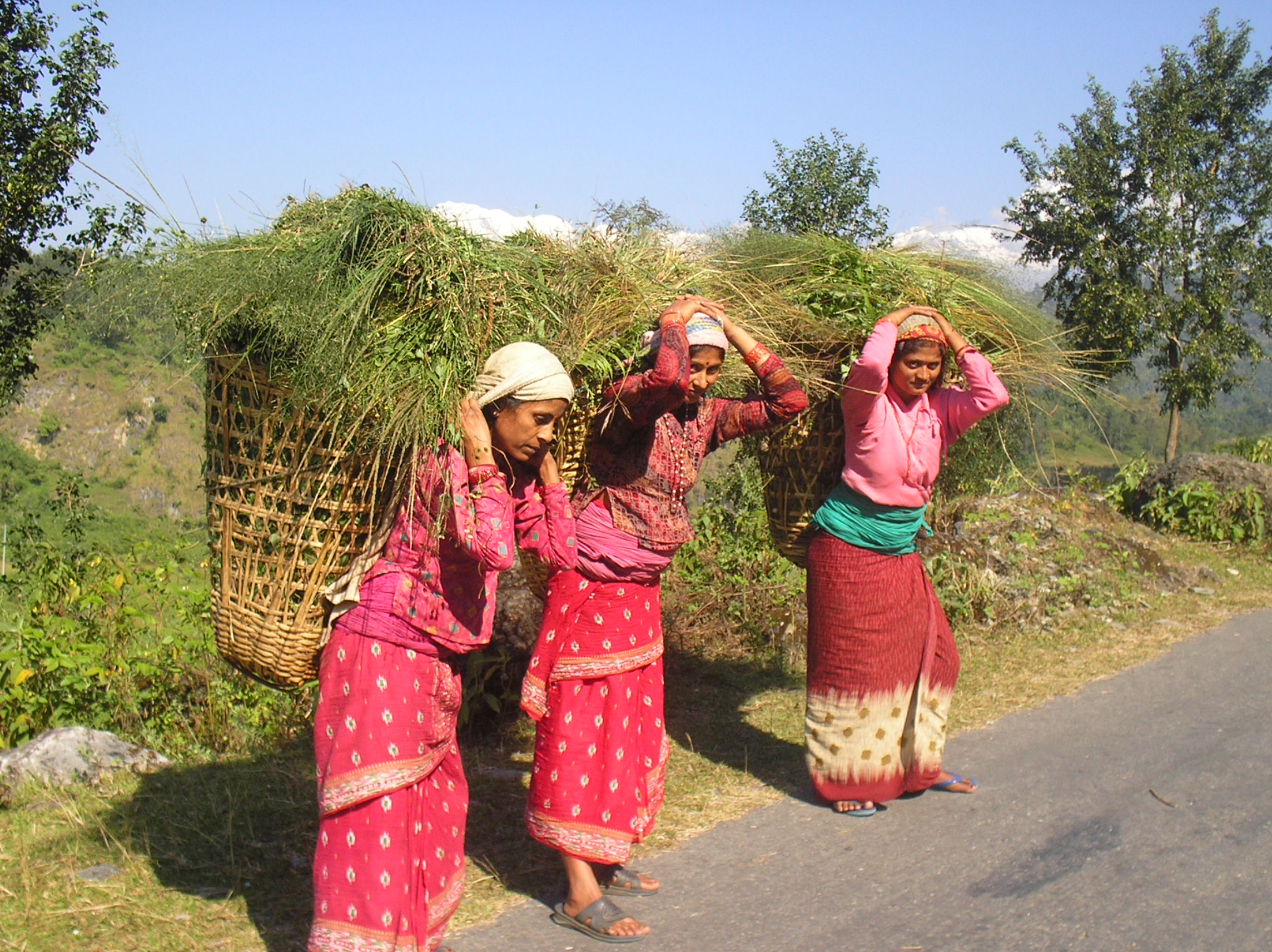
By Kelly Dudine, staff writer for RightsViews  Men, women and children spend days in an open field, hungry, thirsty, exhausted, and abandoned. Unable to stay in India due to job loss following the Coronavirus pandemic, and prevented from traveling back to their homes in Nepal amid fears of spreading the virus, these Nepali migrant workers and their families are stranded at the Nepal-India border in a form of temporary statelessness. “How many days can children go without food or water? How many days? This is a human rights violation,” says Maggie Doyne, Co-Founder of the BlinkNow Foundation. The non-profit is among many local and international organizations responding to the growing humanitarian crisis in Nepal, including the Nepalgunj Medical College, ODA Foundation, Mottey Gang, Nepal Red Cross, and NYEF - Kathmandu Chapter, among others.  Stepping in where the State is failing to meet the needs of its people, relief efforts are establishing food distribution banks and providing essential care services to thousands of returning migrant...
Read More