
It’s Not Pop Culture—It’s Racism and Fetishizing Roma Women

By Mara Bulzan It’s 2024 and I could not stop staring in disbelief at the costumes worn by Columbia students at Halloween parties. Ostentatious reproductions of stereotypical Roma clothing (derogatorily referred to as “gypsies”) worn to frat parties by young, white, and highly educated women. And no one called them out for it. They were not Roma, so their smiles and dancing could not have been weighed down by a history of over 800 years of enslavement, genocide, forced displacement and eugenic policies. They were not stigmatized for “looking Roma,” so they could use it as a costume. When they looked in the mirror that night, the face of someone deemed a perpetual outsider did not glare back at them.  Contemporary popular culture has normalized the stereotypical depiction of Roma women to the point in which it has become an aesthetic with fetishistic tendencies. She is only allowed to be a free-spirited, sly seductress with fortune-telling abilities. It is preferable that she...
Read More
Indigenous Environmental Justice: A Need for Substantial Recognition of Indigenous Voices

Indigenous Environmental Justice: A Need for Substantial Recognition of Indigenous Voices

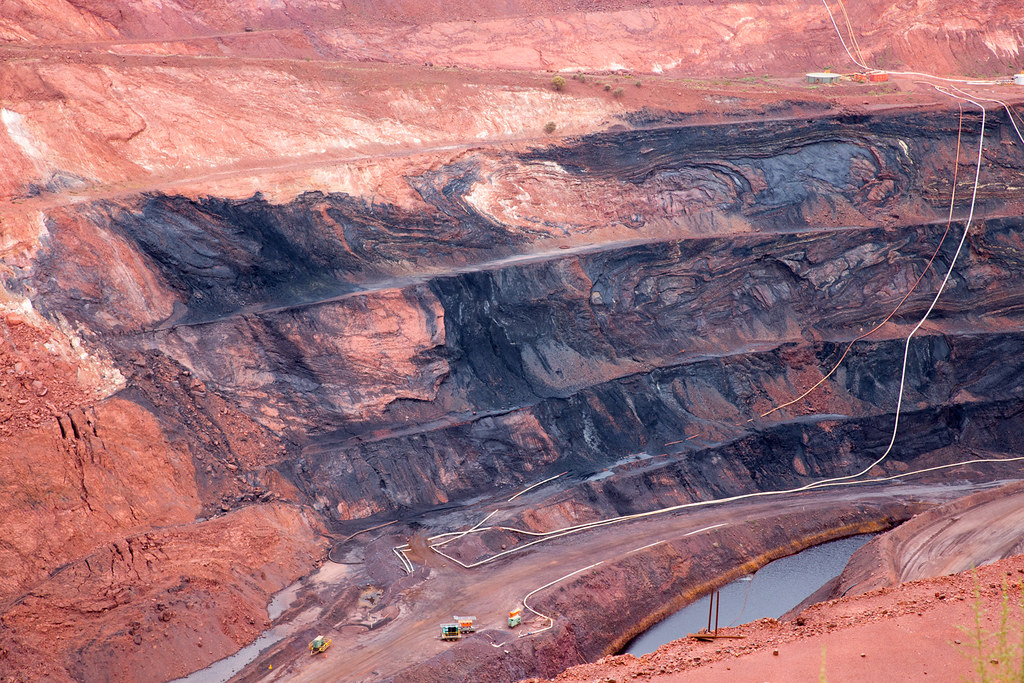
 By Guest Contributor Sakshi Aravind, a PhD student at the University of Cambridge. She works on Indigenous environmental justice in Australia, Brazil, and Canada.  In the last week of May, the mining colossus Rio Tinto blasted the 46,000 years old Juukan Gorge rock shelters in Western Australia (WA) during its operations in Brockman 4 mines. The caves were of profound cultural and spiritual significance to the traditional owners, the Indigenous Puutu Kunti Kurrama (PKK) peoples, while also carrying immense historical and archaeological value. Rio Tinto had obtained ministerial consent from the state Minister for Aboriginal Affairs to carry out the blasts under Section 18 of the obsolete WA Aboriginal Heritage Act, 1972 ('Heritage Act'). In response, the destruction of these culturally significant sites evoked shock and anger around the world. There were calls for addressing the deficiencies in the law, which does not make provisions for consultation with traditional owners or review of the ministerial consent in light of subsequent discoveries. Following this...
Read More