
A Refugee Crisis, Poetry, and a Camera: “Paris Stalingrad” Film Screening

A Refugee Crisis, Poetry, and a Camera: “Paris Stalingrad” Film Screening

By Rowena Kosher, co-editor of RightsViews Recently, ISHR hosted a virtual film screening of Paris Stalingrad, followed by a discussion with the film’s director, Hind Meddeb. Human Rights professor Lara Nettlefield moderated the conversation. Hind Meddeb is a French filmmaker whose work interrogates human rights issues of our time, and this film is no exception. Co-directed by filmmaker Thim Naccache, Paris Stalingrad is an intimate documentary portrait of the life of refugees living on the streets of the Stalingrad district of Paris. Many of these refugees come to France from Sudan, Ethiopia, Erythrea, Somalia, and Afghanistan to escape persecution and violence in their home countries. Yet, with everything from police violence to immigration bureaucracy to racism alike, Paris turns these refugees away, forcing them onto the streets. Meddeb approaches her documentary from the lens of community, depicting the everyday life of a refugee living on the Paris streets. In particular, the film follows a young man, Souleymane Mohammed, as he navigates the...
Read More
Sexual Terrorism and the Quest for Justice for Conflict-Related Sexual Violence: The Digital Dialogue Series 

Sexual Terrorism and the Quest for Justice for Conflict-Related Sexual Violence: The Digital Dialogue Series 

By Larissa Peltola, a Staff Writer at RightsViews and a graduate student in the Human Rights MA program. Sexual terrorism committed by militant groups like ISIS/ISIL, Boko Haram, and Al Shabaab has gone largely unacknowledged in domestic and international courts, despite its rampant use. Sexual violence is a widespread, endemic issue in all conflicts around the world, affecting individuals, communities, and societies as a whole.  The United Nations has identified that the extensive use of sexual violence perpetrated by terrorist groups globally has been used as an incentive for recruitment, a tool for financing, destroying, subjugating and controlling communities and societies, extracting information from detainees, forcing displacement, and as a means of controlling or suppressing women’s reproductive abilities. While the high numbers of sexual abuse have led to international calls to action by civil society, activists, the United Nations Security Council, and state governments, these crimes have still not been prosecuted before any national or international court.    What Can (and Should) Justice Look...
Read More
“Abort the Government”: Polish Citizens Challenge Poland’s Retreat to Autocracy

“Abort the Government”: Polish Citizens Challenge Poland’s Retreat to Autocracy

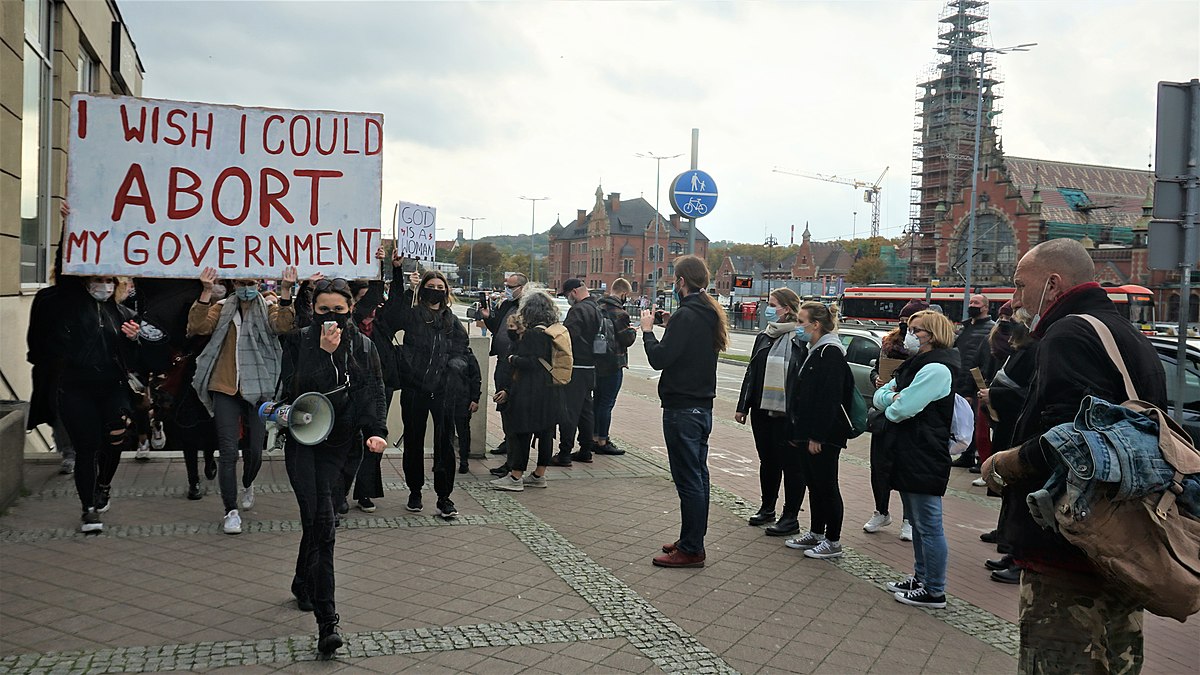
By Ali Cain, RightsViews staff writer and a graduate student in the European History, Politics, and Society  MA Program Over the last three weeks, Polish citizens have ignited the country’s biggest protests since the 1989 pro-democracy movement in response to the passing of a de facto abortion ban. Although Poland already had the most restrictive abortion laws in Europe, its highest court, the Constitutional Tribunal, concluded that performing abortions, even in situations where a baby would be born sick or disabled, violates the Constitution’s guarantee to the protection of life. This ruling poses immense infringements on women’s rights and pushes the country into deeper democratic backsliding.  Despite Polish President Andrzej Duda announcing that the ban would be delayed indefinitely, protests have developed into a larger retaliation against the ruling far-right Law and Justice Party (PiS). Since its rise to power in 2015, the Party maintains support by enflaming cultural tensions over LGBTQ+ rights, migration, and abortion. Prior to the Tribunal’s ruling, women...
Read More
Sudan: On the Path to Transition?

Sudan: On the Path to Transition?

By Reem Katrib, a RightsViews staff writer and a graduate student in the Human Rights MA Program. After a 30-year conflict over its autonomy, South Sudan gained its independence from Sudan through a referendum in 2011. The Enough Project explains that this secession “caused a severe economic shock in Sudan, as the country lost nearly 75 percent of its oil reserves and 95 percent of its foreign currency reserves.” Since then, the Sudanese government has repressed political opposition, often using violence against civil society and opposition groups who have expressed their dissent at the mismanagement of the economy.  Prior to secession, Sudan had been plagued by conflict with continuing human rights violations that has meant a distrust of the judiciary in the present. In April 2019, a military council replaced Omar al-Bashir when he was forced out of office. The military leaders and opposition members negotiated to form a “sovereign council” the following August. This council acts  as a transitional government and...
Read More
Deconstructing White Supremacy (in a workshop and real life)

Deconstructing White Supremacy (in a workshop and real life)

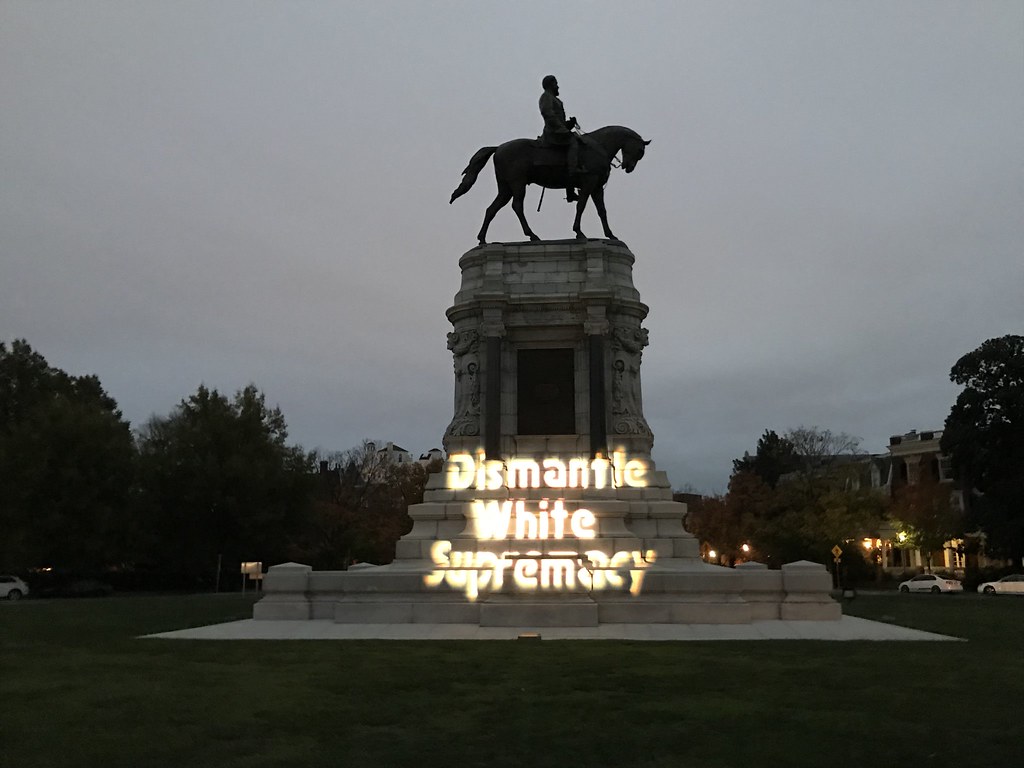
By Anna Miller, a staff writer at RightsViews and a graduate student in ISHR's Human Rights MA Program. Note: This blog post addresses white supremacy in the United States only, though the ideology is alive globally.  On October 27, Dean Melanie Pagán and Dean Samantha Shapses, both of the School of International and Public Affairs, hosted a Deconstructing White Supremacy Workshop via Zoom. The workshop was open to the Columbia University community and fulfilled the Community Citizenship Requirement for Inclusion and Belonging for new Columbia students. To kick off the workshop, the group screened Understanding White Supremacy (And How to Defeat It). This video explained how the roots of white supremacy are linked to colonization and racial biology. White colonizers assumed that people of color were inferior because they were “so easily conquered” and then presumed that “white skin people were perhaps more evolved than dark skin people.” While these ideas are objectively nonsensical, they did help form modern-day white supremacy and as...
Read More
The Scope of Justice: Comparing Two Distant Criminal Justice Systems

The Scope of Justice: Comparing Two Distant Criminal Justice Systems

By Donggeun Lee, RightsViews Staff Writer and a second-semester junior majoring in Human Rights. “Comparison is in many ways a useful mirror into which we look, and by looking we notice things about ourselves and our own country and our systems that sometimes might please us [and] that sometimes might give us pause and even cause us disappointment and dismay.” - Professor David T. Johnson On October 12th, the Columbia Law School hosted an event entitled “Criminal Justice in Japan - A Comparative Perspective” addressing the question of what we can learn from differences between criminal justice in Japan and the United States. The event was moderated by the executive director of the Center for Japanese Legal Studies, Nobuhisa Ishizuka, and featured two speakers: David T. Johnson, a professor at the University of Hawaii, and Kiyo A. Matsumoto, a United States District Judge at the Eastern District of New York.  Differences between Japan and the United States According to Franklin E. Zimring, the author...
Read More
“It’s Not Living, It’s Surviving:” Venezuelan Refugees in Colombia and the COVID-19 Crisis

“It’s Not Living, It’s Surviving:” Venezuelan Refugees in Colombia and the COVID-19 Crisis

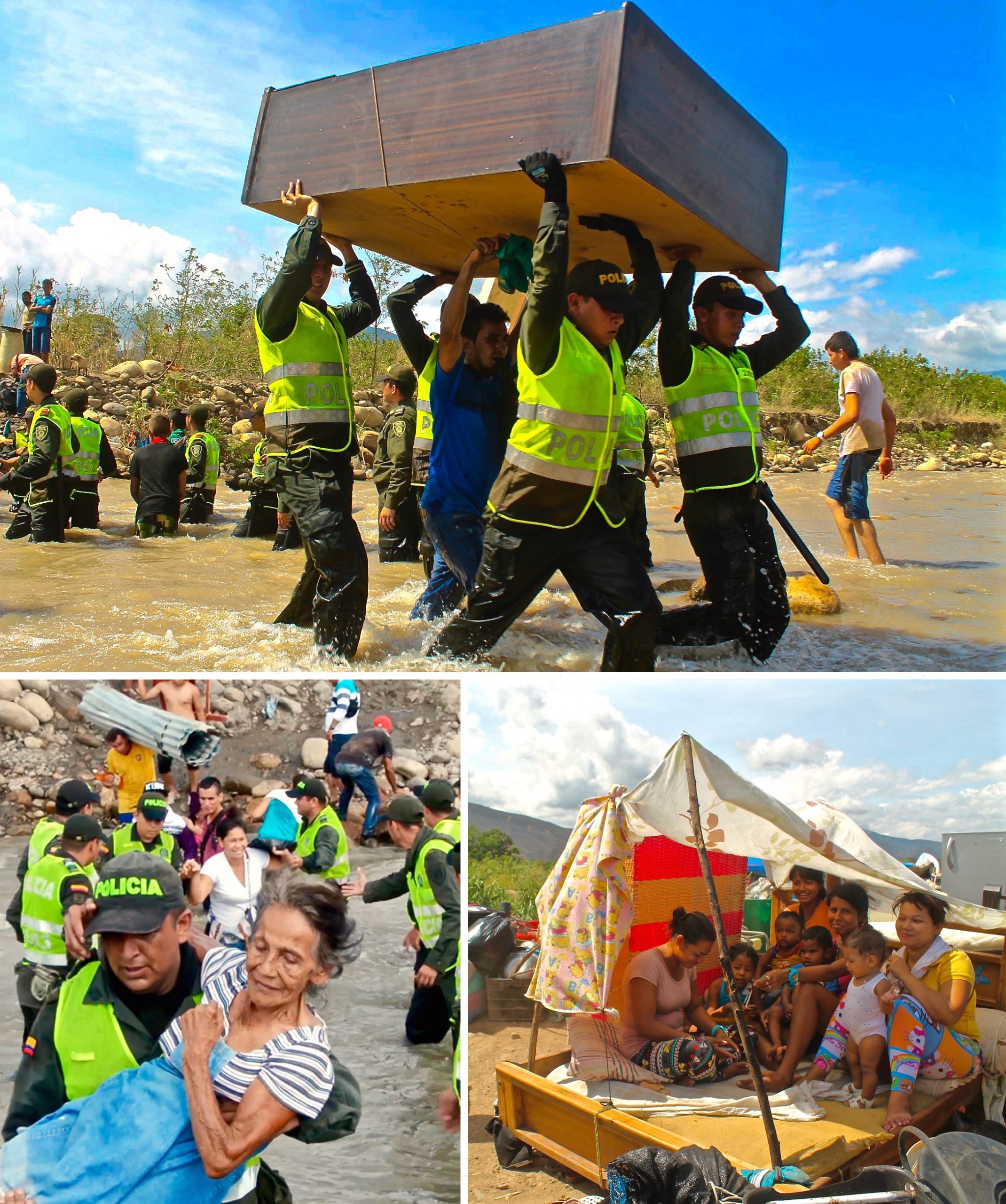
By Larissa Peltola, a staff writer for RightsViews and a graduate student in the Human Rights MA Program The political and economic crises which have plagued Venezuela since 2014 have resulted in the mass exodus of over 5 million Venezuelans, the largest migrant crisis in the history of the Western Hemisphere. Of the over 5 million people that have fled their home country of Venezuela, over 1.6 million have settled in neighboring Colombia, resulting in a refugee crisis made increasingly worse by the COVID-19 pandemic. Dr. Milena Gomez Kopp, Visiting Research Scholar at School of International and Public Affairs, engaged with students during the October 28, 2020, Food for Thought speaker series and discussed her analysis of the growing refugee crisis. Background  Venezuela was once considered the wealthiest and most resource-rich country in Latin America. With the largest oil reserve in the world, the economy grew rapidly, and Western countries looked for ways to engage in trade with Venezuela. This changed with the...
Read More
Disempowered Development: A Conversation on Corporate Conquests in Southwest China with author Pat Giersch

Disempowered Development: A Conversation on Corporate Conquests in Southwest China with author Pat Giersch

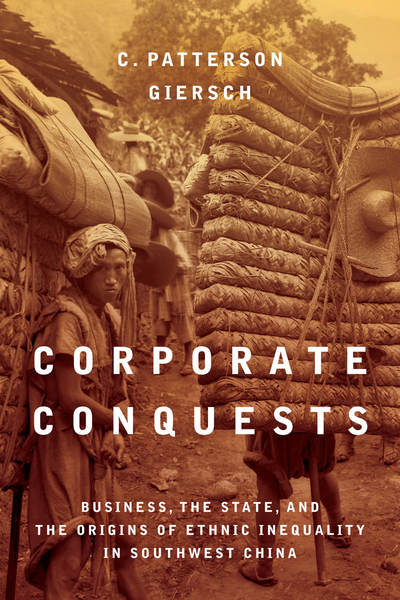
By Kelly Dudine, a staff writer at RightsViews and a graduate student in the Human Rights MA Program Over the decades, China has implemented aggressive and tailored plans to catalyze economic development across its vast regions. Driven in part by a desire to modernize industries and join a growing global marketplace, these plans led to periods of rapid growth and prosperity, while simultaneously straining local communities and exacerbating inequalities. Today, poverty in China’s ethnically diverse West is still prevalent.  During a virtual lecture held earlier this month, author Pat Giersch discussed his new book, Corporate Conquests: Business, the State, and the Origins of Ethnic Inequality in Southwest China, which examines how corporations, combined with top-down policies geared toward modernization and state-building, marginalized local and ethnic minorities in the West, creating unequal access to growth and prosperity.  Giersch’s story begins with the emergence of early-twentieth-century corporations, which enabled business to maintain a central hub of power while also expanding throughout the Southwest, reaching into...
Read More
Does Addressing Climate Change Mean Addressing Racism?

Does Addressing Climate Change Mean Addressing Racism?

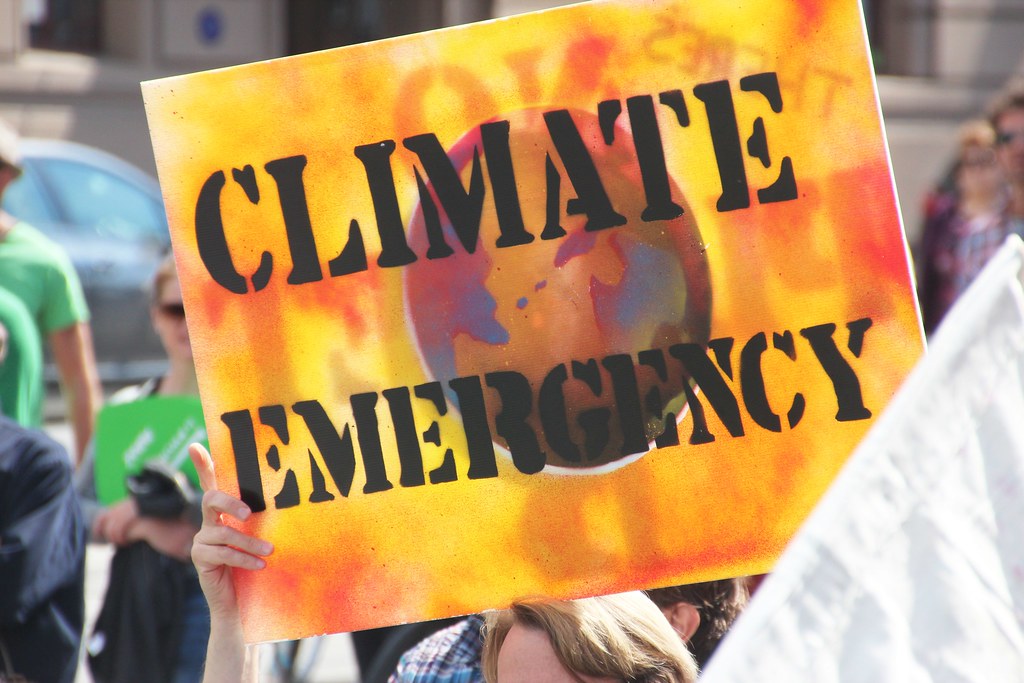
By Noah Smith, RightsViews staff writer and graduate student in the Human Rights Studies program at Columbia University On October 28, Climate Refugees and the Institute for the Study of Human Rights at Columbia University brought together experts in environmental racism, indigenous rights, climate science and racial justice to discuss the two fundamental issues of our time: race and climate change. The panelists offered their expert opinions on the intersectional relationship between race and climate change and discussed solutions to mitigate these issues moving forward. The climate crisis has disproportionately impacted marginalized populations, many of whom may be displaced or forced to migrate, because of years of unequal access to opportunities and gaps in human rights. Panelist Dr. Ingrid Waldron, a noted sociologist, has coined this disproportionate impact as ‘Environmental Racism’ which she defined as ‘‘a disproportionate location and exposure for indigenous, racialized communities and poor white communities to contamination from polluting industries and other environmentally hazardous activities.’’ The panel further articulated the...
Read More
Voter Suppression in the United States: Infringements on the Right to Vote

Voter Suppression in the United States: Infringements on the Right to Vote

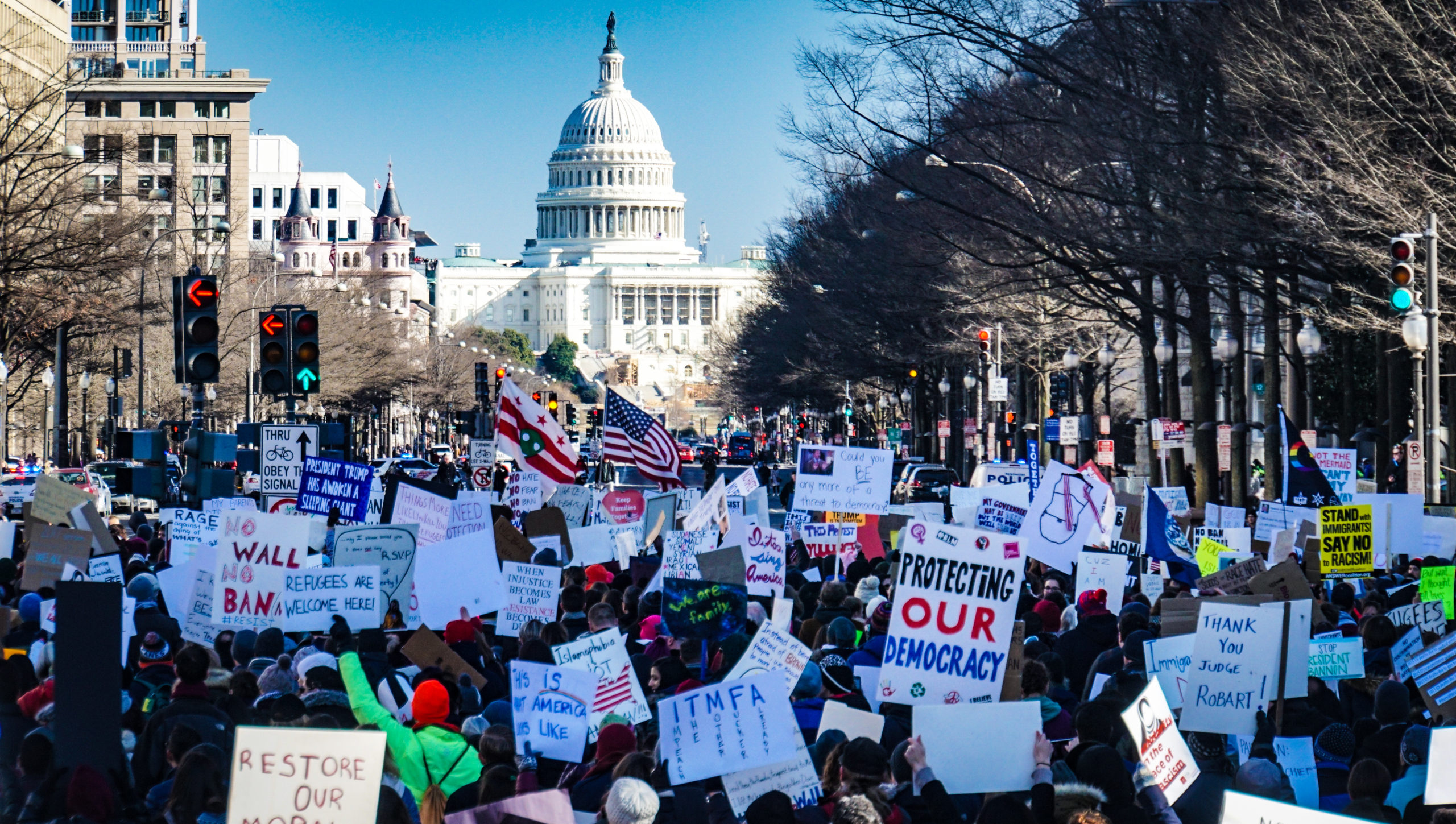
By: Jalileh Garcia, Staff Writer at RightsViews In the midst of a pandemic, with a rising number of COVID-19 cases, the United States election will take place on November 3, 2020. This election will be decisive for many of the contemporary issues that people are facing in the United States, and beyond.  The right to vote is understood as one of the foundational cornerstones of a democracy, allowing free and fair elections to take place. Different civil and human rights safeguard the right to vote, namely the 15th Amendment of the U.S. Constitution, the Voting Rights Act of 1965, and Article 25 (b) of the International Covenant on Civil and Political Rights (ICCPR). Despite having these legal protections, different states such as Georgia, North Carolina, among others continue to limit the exercise of this right in the country.  The UN Committee on Human Rights delineated in the General Comment 25 of the ICCPR that States have the duty to “take effective measures to...
Read More