Kerry Keyes and colleagues recently published a new article looking at changes in the relationship between smoking and psychiatric disorders across successive birth cohorts in the twentieth century. They find that as rates of smoking decreased through the latter half of the twentieth century, associations between smoking and psychopathology increased.
More from Keyes on this work and its implications below.
The fact that individuals who smoke are different than individuals who don’t smoke has beguiled observational epidemiology since the inception of studies aimed at assessing causal effects of smoking on health. Differences (on average) between smokers and nonsmokers include not only other substance use (e.g. alcohol consumption, caffeine intake), but also personality, temperament, and a myriad of other factors. Even in the early generation of tobacco research, Yurlshalmy (1971) noted that women who did not smoke when pregnant “in general appeared to live at a much slower and moderate pace than the smokers”.

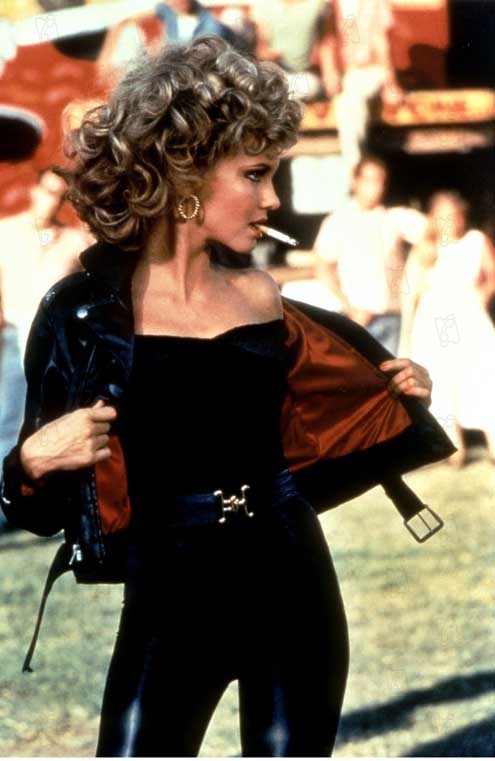
Sandy Dee from Grease
I imagine Sandy Dee versus Rizzo for that particular analogy – though remember what happens when Sandy curls her hair and dons that exceptional black jump suit at the end of Grease – immediately a cigarette appears in her painted red lips. Not slow and moderate anymore Sandy!
The effects of smoking on health are so profound, consistent, and strong that the confounding of outcomes by factors that differ between smokers and nonsmokers did not (well, after several decades of strong evidence) deter the translation of epidemiological science into prevention implementation. Across the last 30 years, we have seen remarkable decreases in the proportion of the population in the United States who smoke. But this public health success begs a new question, with substantial implications for research – are people who continue to smoke today different than people who smoked 50 years ago? Continue reading →