
“It’s Not Living, It’s Surviving:” Venezuelan Refugees in Colombia and the COVID-19 Crisis

“It’s Not Living, It’s Surviving:” Venezuelan Refugees in Colombia and the COVID-19 Crisis

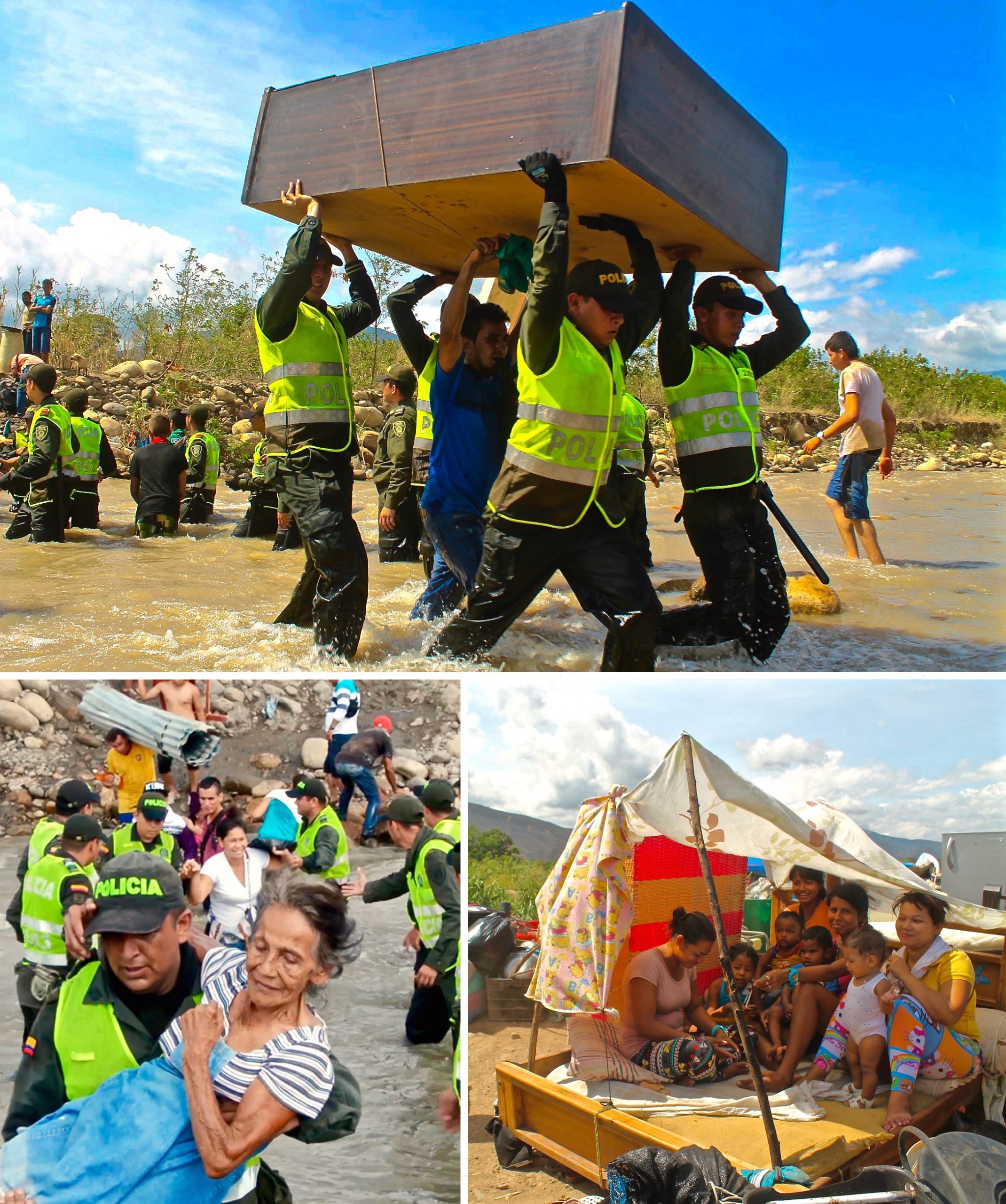
By Larissa Peltola, a staff writer for RightsViews and a graduate student in the Human Rights MA Program The political and economic crises which have plagued Venezuela since 2014 have resulted in the mass exodus of over 5 million Venezuelans, the largest migrant crisis in the history of the Western Hemisphere. Of the over 5 million people that have fled their home country of Venezuela, over 1.6 million have settled in neighboring Colombia, resulting in a refugee crisis made increasingly worse by the COVID-19 pandemic. Dr. Milena Gomez Kopp, Visiting Research Scholar at School of International and Public Affairs, engaged with students during the October 28, 2020, Food for Thought speaker series and discussed her analysis of the growing refugee crisis. Background  Venezuela was once considered the wealthiest and most resource-rich country in Latin America. With the largest oil reserve in the world, the economy grew rapidly, and Western countries looked for ways to engage in trade with Venezuela. This changed with the...
Read More
Disempowered Development: A Conversation on Corporate Conquests in Southwest China with author Pat Giersch

Disempowered Development: A Conversation on Corporate Conquests in Southwest China with author Pat Giersch

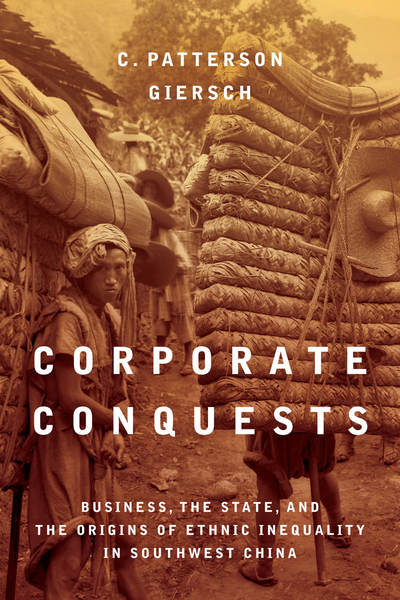
By Kelly Dudine, a staff writer at RightsViews and a graduate student in the Human Rights MA Program Over the decades, China has implemented aggressive and tailored plans to catalyze economic development across its vast regions. Driven in part by a desire to modernize industries and join a growing global marketplace, these plans led to periods of rapid growth and prosperity, while simultaneously straining local communities and exacerbating inequalities. Today, poverty in China’s ethnically diverse West is still prevalent.  During a virtual lecture held earlier this month, author Pat Giersch discussed his new book, Corporate Conquests: Business, the State, and the Origins of Ethnic Inequality in Southwest China, which examines how corporations, combined with top-down policies geared toward modernization and state-building, marginalized local and ethnic minorities in the West, creating unequal access to growth and prosperity.  Giersch’s story begins with the emergence of early-twentieth-century corporations, which enabled business to maintain a central hub of power while also expanding throughout the Southwest, reaching into...
Read More
Does Addressing Climate Change Mean Addressing Racism?

Does Addressing Climate Change Mean Addressing Racism?

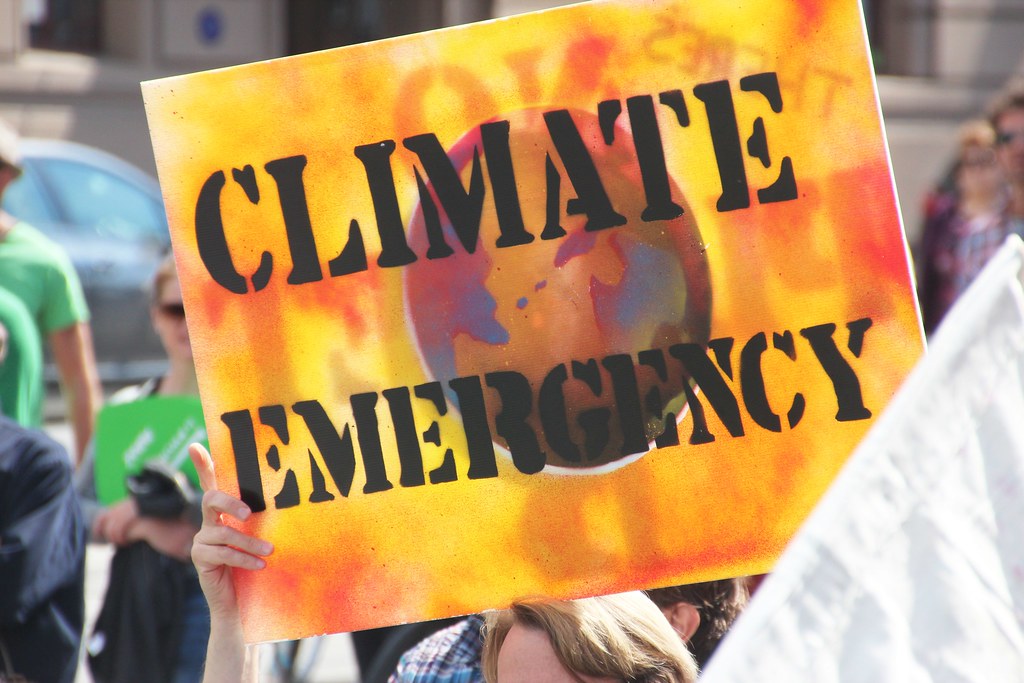
By Noah Smith, RightsViews staff writer and graduate student in the Human Rights Studies program at Columbia University On October 28, Climate Refugees and the Institute for the Study of Human Rights at Columbia University brought together experts in environmental racism, indigenous rights, climate science and racial justice to discuss the two fundamental issues of our time: race and climate change. The panelists offered their expert opinions on the intersectional relationship between race and climate change and discussed solutions to mitigate these issues moving forward. The climate crisis has disproportionately impacted marginalized populations, many of whom may be displaced or forced to migrate, because of years of unequal access to opportunities and gaps in human rights. Panelist Dr. Ingrid Waldron, a noted sociologist, has coined this disproportionate impact as ‘Environmental Racism’ which she defined as ‘‘a disproportionate location and exposure for indigenous, racialized communities and poor white communities to contamination from polluting industries and other environmentally hazardous activities.’’ The panel further articulated the...
Read More
Voter Suppression in the United States: Infringements on the Right to Vote

Voter Suppression in the United States: Infringements on the Right to Vote

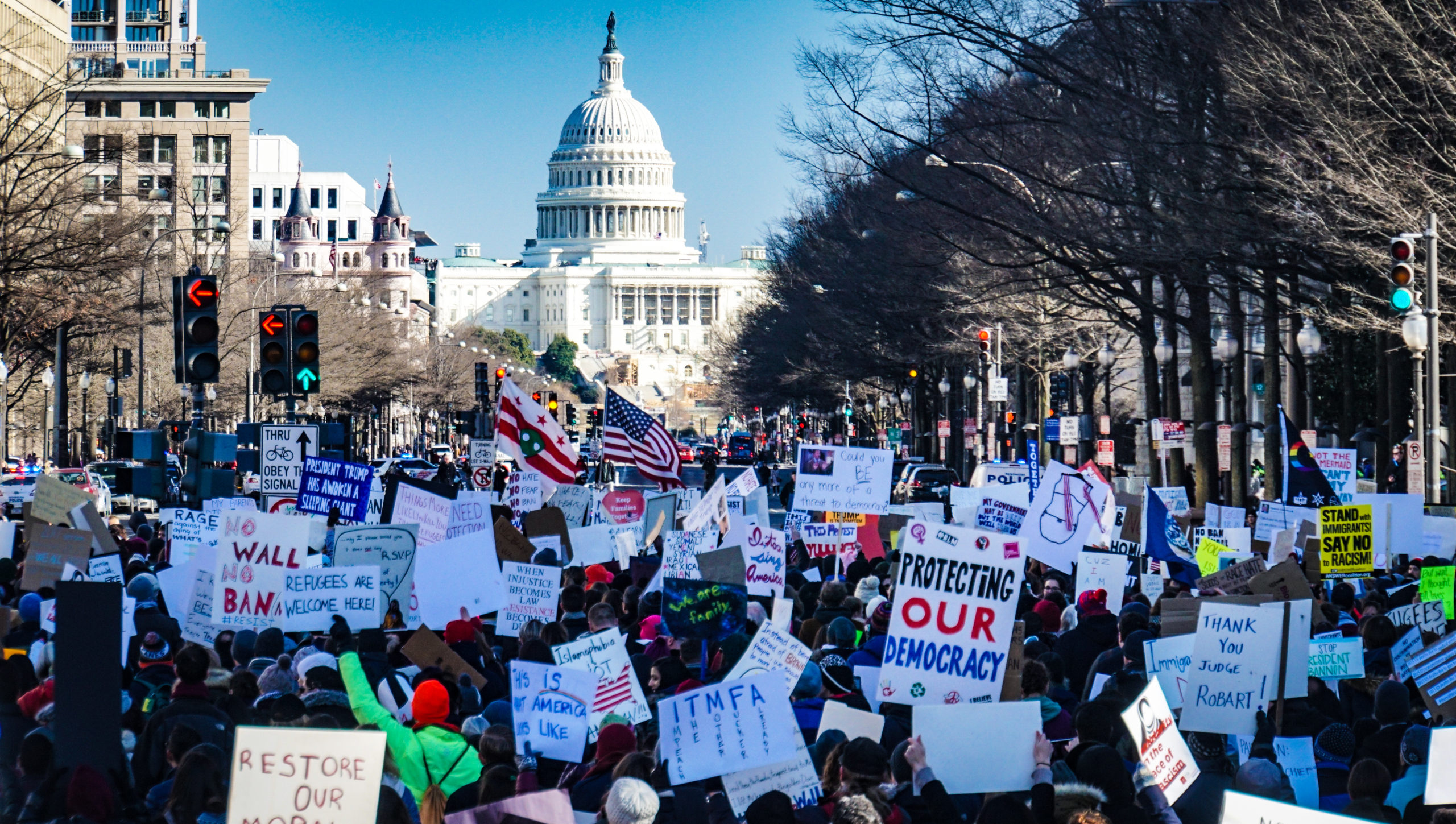
By: Jalileh Garcia, Staff Writer at RightsViews In the midst of a pandemic, with a rising number of COVID-19 cases, the United States election will take place on November 3, 2020. This election will be decisive for many of the contemporary issues that people are facing in the United States, and beyond.  The right to vote is understood as one of the foundational cornerstones of a democracy, allowing free and fair elections to take place. Different civil and human rights safeguard the right to vote, namely the 15th Amendment of the U.S. Constitution, the Voting Rights Act of 1965, and Article 25 (b) of the International Covenant on Civil and Political Rights (ICCPR). Despite having these legal protections, different states such as Georgia, North Carolina, among others continue to limit the exercise of this right in the country.  The UN Committee on Human Rights delineated in the General Comment 25 of the ICCPR that States have the duty to “take effective measures to...
Read More
Make the Money, Make (up) the News? The Underreported War of Nagorno-Karabakh

Make the Money, Make (up) the News? The Underreported War of Nagorno-Karabakh

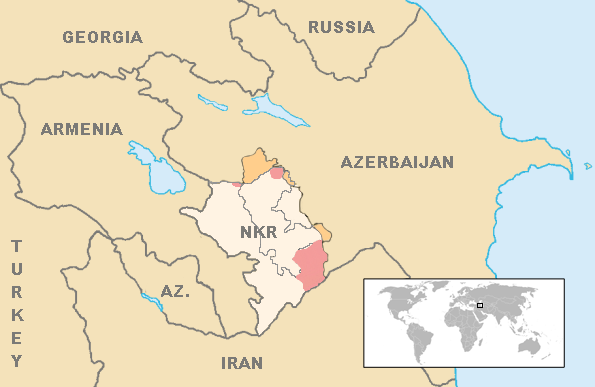
By Nay Alhelou, Co-Editor of RightsViews and MA Candidate in Human Rights Studies at Columbia University.  Four weeks on, the war over Nagorno-Karabakh continues despite a third ceasefire agreement that was supposed to take effect on October 26. In the meantime, a parallel war – a war of (mis)information – finally starts to make headlines. Over the past two weeks, both academics and journalists reported on the ways in which Azerbaijan has been using its financial power to set the tone of the conflict in Nagorno-Karabakh. Academics at Harvard University and Columbia University pointed out that Azerbaijan has been investing in lobbying firms and using social media ‘trolls’ to spread misinformation in the aim of getting the public’s support. For example, Azerbaijani Telegram channel “The Tagiev” claimed that videos showing the capture and execution of two Armenian soldiers were staged, even though originally the channel itself posted them and identified them as real. However, an investigation by Bellingcat found that the videos were...
Read More
Human Rights Work in the Public Sector: a Discussion with Alumna Barbara Matias

Human Rights Work in the Public Sector: a Discussion with Alumna Barbara Matias

By Lindsey Alpaugh, staff writer for RightsViews and graduate student in the Human Rights MA Program On October 13th, the Institute for the Study of Human Rights hosted its first Alumni Speaker Series event with Barbara Matias. A graduate of the Institute’s MA in Human Rights Studies, Matias has had a diverse career that spanned over many countries, as well as different missions. Some of her most recent work has included her new position working for the European Union on Belarus, as well as a Programme Officer to the training mission in Iraq and the Euro-Atlantic Disaster Relief Crisis Center’s Team Lead on NATO-EU coordination.  Speaking from experience, Matias advised job seekers  that “stability comes later” in the field of human rights, and that they should not be discouraged by the frequency with which they may switch jobs. She also admitted that there were  moments where she doubted her choice of working in the public sector, but ultimately realized that she was...
Read More
Striving for Menstrual Equity: The Palgrave Handbook of Critical Menstruation Studies

Striving for Menstrual Equity: The Palgrave Handbook of Critical Menstruation Studies

By Susanne Prochazka, staff writer for RightsViews and a graduate student in the Human Rights MA Program. Ethereal, smoky, crimson-red droplets drift across the screen as the next speaker is introduced during the online launch of the Palgrave Handbook of Critical Menstruation Studies on October 8th.  Jen Lewis’ “Beauty in Blood” art introduces each new speaker, emphasizing the stark red color of menstrual blood and reinforcing the artist’s goal of breaking the stigma surrounding menstruation.  The Palgrave Handbook of Critical Menstruation Studies is the first of its kind, an open access handbook containing a multidisciplinary collection of works drawn from the field of Critical Menstruation Studies. Content in The Handbook comes from a variety of genres,  from multimedia art to public health, proving that menstruation is both a rich and varied field of study, as well as a vital component of health and human rights studies. Following opening comments from the editors, including Inga T. Winkler, lecturer for ISHR and Director of...
Read More
Suffering , Grievability and Covid-19 – An Indian Nightmare

Suffering , Grievability and Covid-19 – An Indian Nightmare

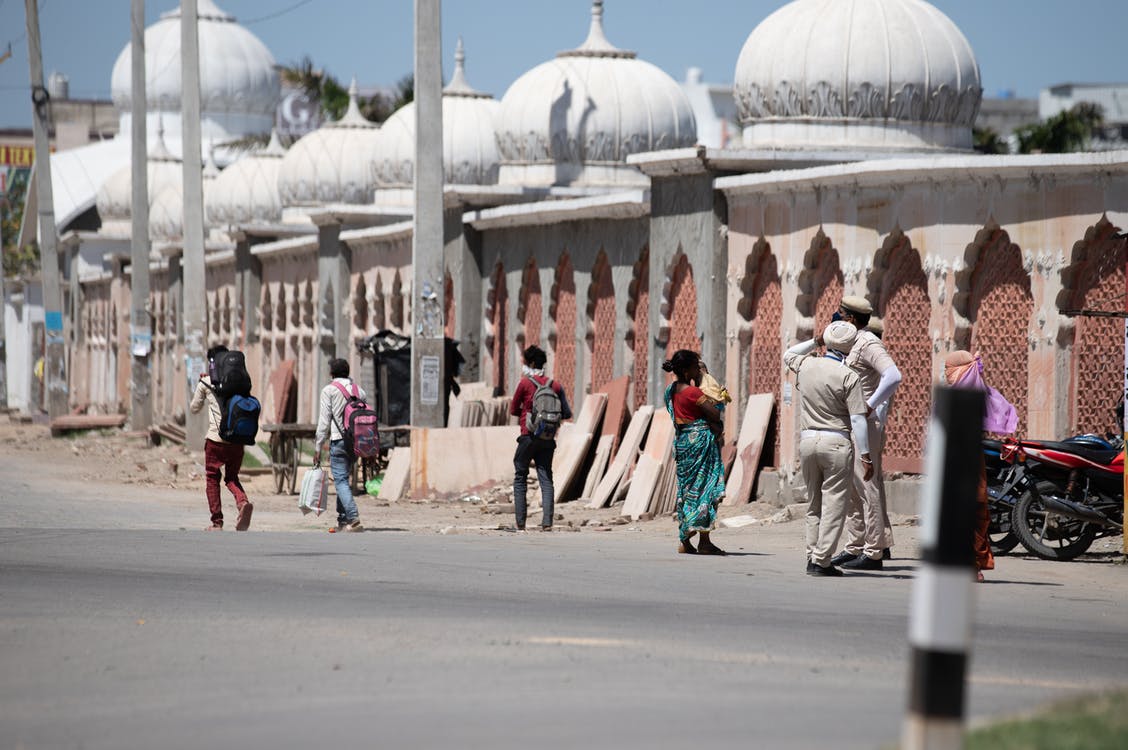
By Guest Contributor Yash Karunakaran. Yash is an alumnus of the University of Illinois at Urbana Champaign College of Law and the National Academy of Legal Studies and Research (NALSAR). He is currently an advocate practicing before the Supreme Court of India and the Delhi High Court. He is also involved with a civil society organization that helped arrange for travel, food and medicine for migrant workers stuck as a result of the Covid-19 lockdown in India. This organization has filed Petitions before various Courts challenging state restrictions placed on the return of migrant workers. The primary weapon used to counter epidemic outbreaks within the Indian subcontinent has, for the past 123 years, remained the 1897 Epidemics Act. The legislation grants special powers to State Governments, allowing them to make their own regulations to counter the spread of disease. This piece analyses the colonial history of the Indian response to epidemics, highlighting how it colours the manner in which the Indian...
Read More
Complicating Ruth Bader Ginsburg’s Legacy Through the Lens of White Feminism, Race, and Indigenous Rights

Complicating Ruth Bader Ginsburg’s Legacy Through the Lens of White Feminism, Race, and Indigenous Rights

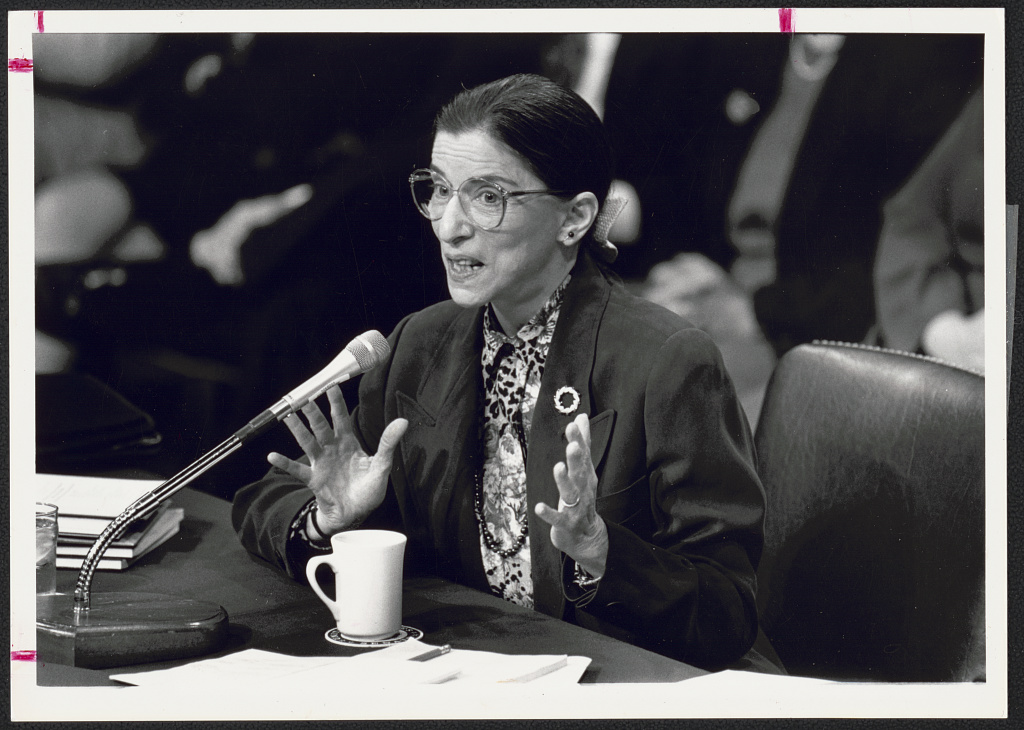
By Rowena Kosher, Co-Editor of RightsViews and student at Columbia's School of General Studies majoring in Human Rights with a Concentration in Gender & Sexuality Studies. On September 18, Justice Ruth Bader Ginsburg died at 87, after serving on the Supreme Court of the United States (SCOTUS) for 27 years. Ginsburg, popularly known as RBG, and in her most recent fame “The Notorious RBG,” is a feminist icon. This is for good reason—she accomplished a number of “firsts” in her lifetime and her work contributed to groundbreaking progressive legal changes, particularly regarding gender.  Ginsburg graduated top of her Columbia class and became the first woman to be appointed as full professor at Columbia Law. As Director of the ACLU’s Women’s Rights Project, she litigated over 300 sex discrimination cases before working on the D.C Court of Appeals for 13 years. Ginsburg joined SCOTUS in 1993, where she served until her death. During this time, Ginsburg rose to mainstream fame, becoming well known...
Read More
The Struggle for Equality: When Will European Roma Human Rights Finally be Respected?

The Struggle for Equality: When Will European Roma Human Rights Finally be Respected?

By Larissa Peltola, a staff writer for RightsViews and a graduate student in the Human Rights MA Program.  The Roma, pejoratively referred to as Gypsies, are Europe’s largest and most marginalized and disenfranchised ethnic minority.  There are an estimated 10-12 million Roma in Europe, making up 5 percent of the population. The Roma are most concentrated in Italy, Spain, France, and the UK, according to Amnesty International, but have settled in every country on the continent. Originally migrating to Europe in the 9th century from Northern India and what is now Iran, Turkey, and Armenia, the Roma have faced discrimination, racism, xenophobia, and inhumane treatment in every country they have settled in. They were forced into slavery in most of Europe leading up to the 19th century, were the second-largest group targeted for extermination by the Third Reich (an estimated 25-75% of Europe’s Roma population were decimated in WWII), and were targeted for murder and rape during the conflict in Kosovo.  Today,...
Read More