Turkey’s Alarming Regional Intervention Continues to Affect Minority Communities with Impunity, This Time in Azerbaijan

Turkey’s Alarming Regional Intervention Continues to Affect Minority Communities with Impunity, This Time in Azerbaijan

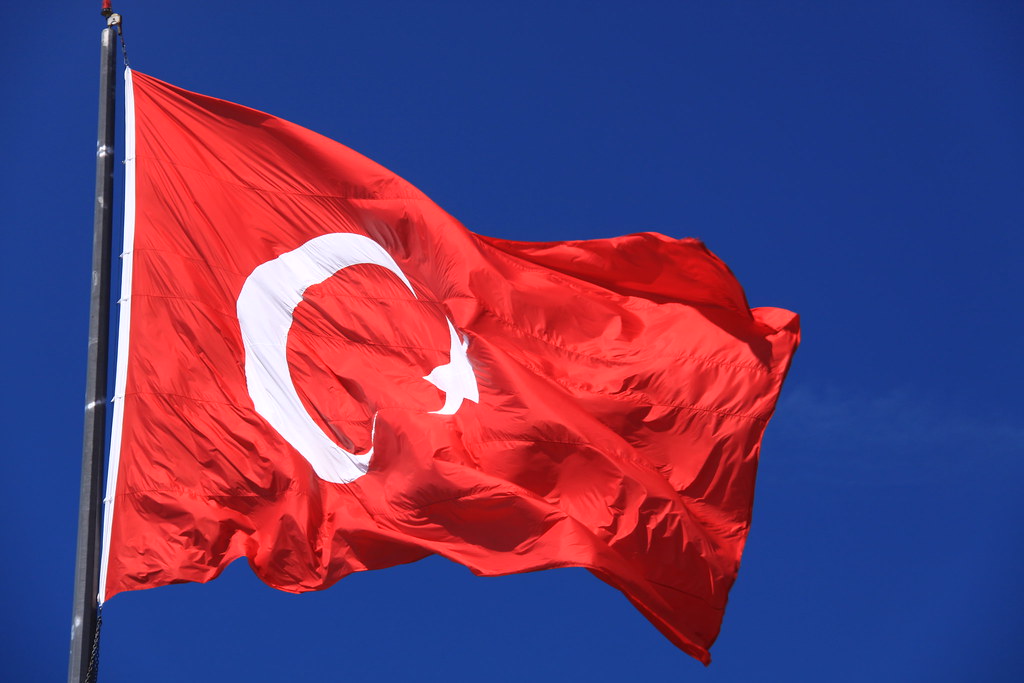
By Guest Contributors Anoush Baghdassarian and Sherin Zadah Tucked away into the southern caucasus is a region struggling for survival, not against COVID-19, but against yet another offensive by Turkey, this time in Azerbaijan, targeting the region's minority populations.   On Sept. 27, 2020, a war broke out in the Republic of Artsakh, also known as the Nagorno-Karabakh Republic (NKR). The conflict is mainly between Armenia, the ethnic Armenians of NKR, and Azerbaijan, but Turkey is also a player in the conflict; it has pledged support for Azerbaijan, closing its border with Armenia and reaffirming Azerbaijan’s claims to territorial integrity.  Amid the current crisis, Turkish President Recep Tayyip Erdogan pledged to “support our Azerbaijani brothers with all our means as always,” including military assistance. This manifested into a coordinated premeditated attack against one of its historic minority communities — the Armenians. This follows shortly after Turkey’s crimes against the Kurds, another one of its repeatedly persecuted ethnic groups. Turkey launched a targeted military campaign...
Read More
Indigenous Environmental Justice: A Need for Substantial Recognition of Indigenous Voices

Indigenous Environmental Justice: A Need for Substantial Recognition of Indigenous Voices

 By Guest Contributor Sakshi Aravind, a PhD student at the University of Cambridge. She works on Indigenous environmental justice in Australia, Brazil, and Canada.  In the last week of May, the mining colossus Rio Tinto blasted the 46,000 years old Juukan Gorge rock shelters in Western Australia (WA) during its operations in Brockman 4 mines. The caves were of profound cultural and spiritual significance to the traditional owners, the Indigenous Puutu Kunti Kurrama (PKK) peoples, while also carrying immense historical and archaeological value. Rio Tinto had obtained ministerial consent from the state Minister for Aboriginal Affairs to carry out the blasts under Section 18 of the obsolete WA Aboriginal Heritage Act, 1972 ('Heritage Act'). In response, the destruction of these culturally significant sites evoked shock and anger around the world. There were calls for addressing the deficiencies in the law, which does not make provisions for consultation with traditional owners or review of the ministerial consent in light of subsequent discoveries. Following this...
Read More
German Populist AfD Party Uses Moria Fires to Reinvigorate Anti-Refugee Sentiment

German Populist AfD Party Uses Moria Fires to Reinvigorate Anti-Refugee Sentiment

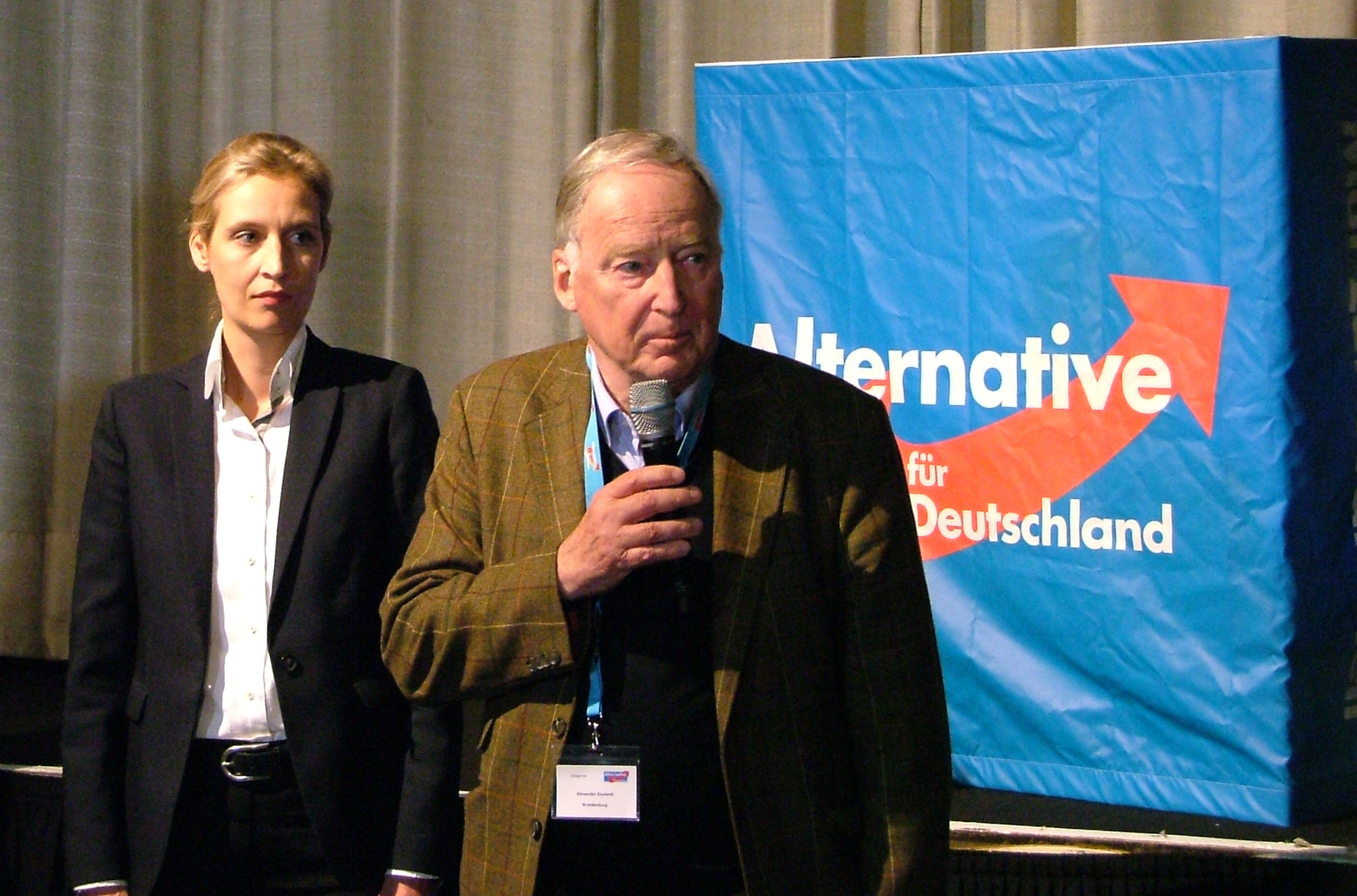
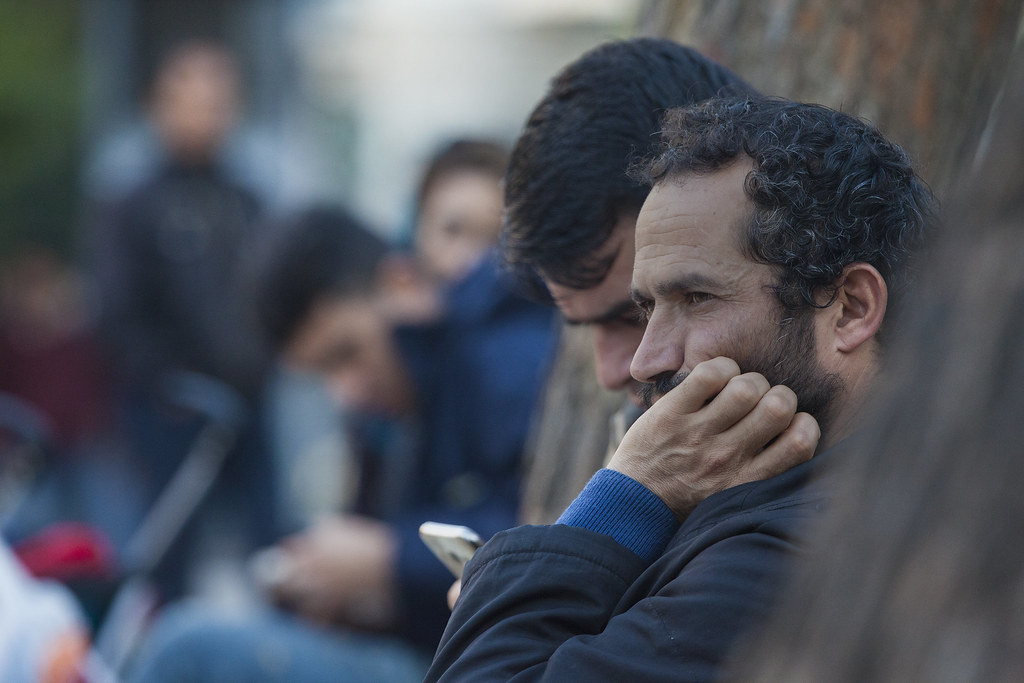
By: Guest Contributor Ali Cain. Ali is a M.A. Candidate in the European History, Politics and Society Program at Columbia University. Her MA research analyzes how the coronavirus pandemic is impacting the Alternative for Germany Party's anti-refugee policies and rhetoric.  The Alternative for Germany Party (AfD) is a far-right populist party that promotes protecting the German identity, traditional family values and climate change denial. Once a fringe party unable to meet the 5% voting threshold to enter the German Parliament, the AfD’s opposition to migration policies and xenophobia has elevated its support. After German Chancellor Angela Merkel opened Germany’s borders to one million refugees in 2015, the AfD both seized upon and helped instill fears over cultural differences, crime and violence. The Party’s fearmongering tactics were so successful that it became the third largest party in the German Parliament in the 2017 federal election.  The AfD continues to be relentless with its attacks upon refugees as exhibited in its response to the...
Read More
Stranded in Near Statelessness: The Coronavirus and Nepali Migrant Workers

Stranded in Near Statelessness: The Coronavirus and Nepali Migrant Workers

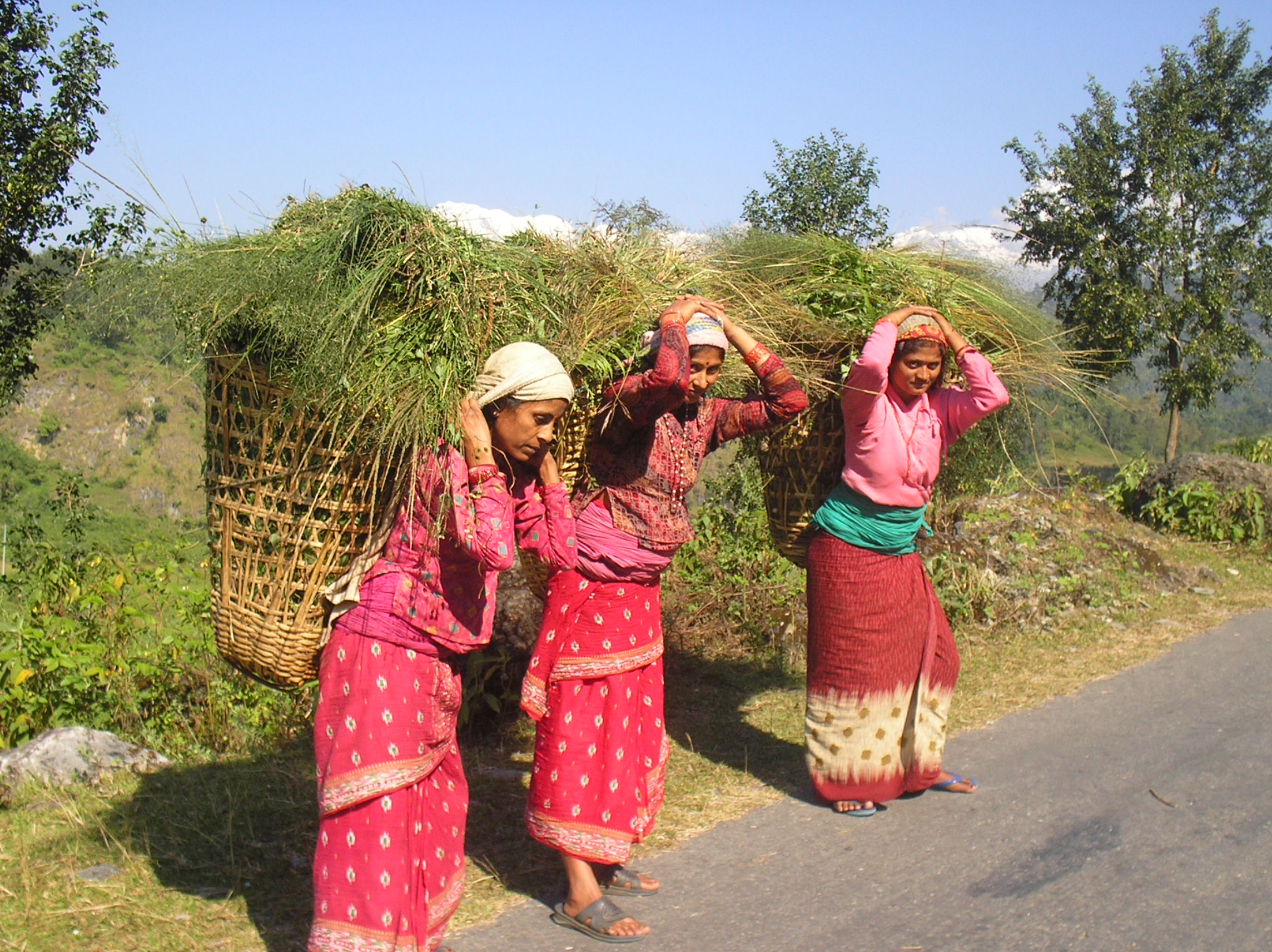
By Kelly Dudine, staff writer for RightsViews  Men, women and children spend days in an open field, hungry, thirsty, exhausted, and abandoned. Unable to stay in India due to job loss following the Coronavirus pandemic, and prevented from traveling back to their homes in Nepal amid fears of spreading the virus, these Nepali migrant workers and their families are stranded at the Nepal-India border in a form of temporary statelessness. “How many days can children go without food or water? How many days? This is a human rights violation,” says Maggie Doyne, Co-Founder of the BlinkNow Foundation. The non-profit is among many local and international organizations responding to the growing humanitarian crisis in Nepal, including the Nepalgunj Medical College, ODA Foundation, Mottey Gang, Nepal Red Cross, and NYEF - Kathmandu Chapter, among others.  Stepping in where the State is failing to meet the needs of its people, relief efforts are establishing food distribution banks and providing essential care services to thousands of returning migrant...
Read More
A Glimpse of Hope from the U.S. Supreme Court: Bostock v. Clayton County

A Glimpse of Hope from the U.S. Supreme Court: Bostock v. Clayton County

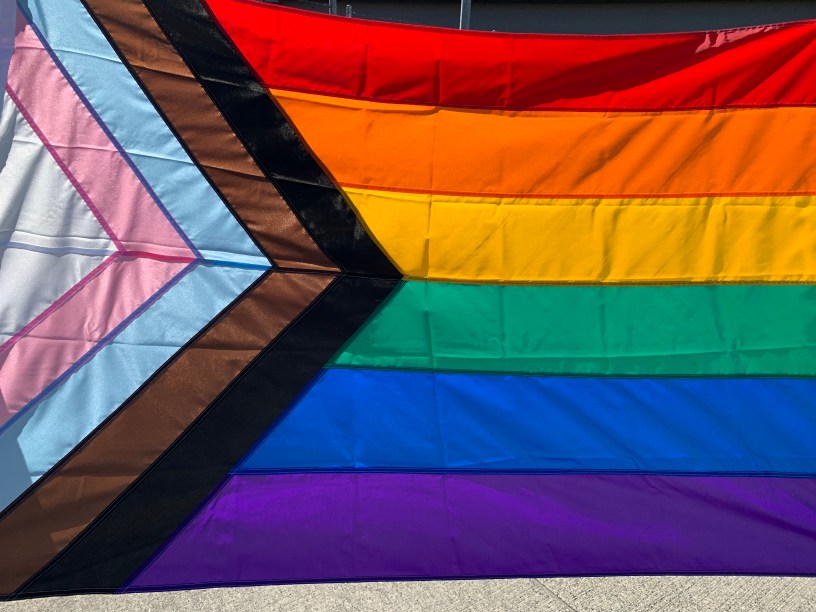
Guest Contributor Rosa Celorio is an Associate Dean for International and Comparative Legal Studies and Burnett Family Professorial Lecturer in International and Comparative Law and Policy, [email protected], https://www.law.gwu.edu/rosa-celorio. (Full Bio at end of  article). On June 15, 2020, the United States Supreme Court released its historic decision in the case of Bostock v. Clayton County, ruling that employers are prohibited from discriminating against any individual on the basis of their sexual orientation or gender identity in the employment setting. The case relates to three employees who claimed they were fired after revealing they were homosexual and transgender. The Court firmly ruled that Title VII of the Civil Rights Act of 1964 and its prohibition of sex discrimination applies to gay and transgender persons.  This decision is momentous and noteworthy for the respect and guarantee of human rights in the United States for several reasons.  First, it continues the trend of the Supreme Court in protecting the rights of persons historically discriminated against...
Read More
Social Media Platforms: A Theater for Exercising Free Speech

Social Media Platforms: A Theater for Exercising Free Speech

Guest contributor Maanya Vaidyanathan is the Policy and Engagement Manager at The Dialogue, a tech policy think-tank in India. She specialises in International Law, Gender Policies, Intermediary Liabilities and Foreign Policy.  Guest contributor Kazim Rizvi is a Public-Policy Policy Entrepreneur and Founder of The Dialogue, a tech policy think-tank in India. Kazim is one of the leading voices in India’s tech policy discourse. “Give me the liberty to know, to utter, and to argue freely according to conscience, above all liberties.” ― John Milton, Areopagitica Freedom of speech and expression gives individuals the right to freely express themselves without the fear of being reprimanded. This right, however, is neither absolute nor devoid of responsibility. It is a complex right that comes with reasonable restrictions, as given in Article 19(2) of the Indian Constitution.  Article 19 of the Universal Declaration of Human Rights and Article 19(2) of the International Convention for Civil and Political Rights provide for freedom of speech and expression in any medium, including...
Read More
Fait Accompli: Singapore Again Upholds Section 377A Criminalising Homosexuality

Fait Accompli: Singapore Again Upholds Section 377A Criminalising Homosexuality

Co-authored by guest contributors Paras Ahuja and Rahul Garg.  Paras Ahuja is an undergraduate student pursuing law at the National Law University, Jodhpur. Her research interests include human rights, constitutional law and feminism.  Rahul Garg is an undergraduate student pursuing law at the National Law University, Jodhpur. His research interests include gender studies, human rights and international humanitarian law. On 30th March, 2020, the Supreme Court of the Republic of Singapore in Ong Ming Johnson v. Attorney-General upheld the constitutional validity of Section 377A of the Singapore Penal Code, 1871. Section 377A punishes any male person who commits an act of “gross indecency” with another male person, whether in public or in private. The judgement marks itself as a regressive touchpoint in Singapore’s progression towards inclusiveness and equality.  Article 14(1) (a) of the Constitution of Singapore guarantees every citizen the right to freedom of speech and expression. The petitioners in this case contended that Section 377A derogated this right by failing to recognize one’s...
Read More
Why the EU Should Reconsider Renegotiating the 2016 EU-Turkey Migration Deal

Why the EU Should Reconsider Renegotiating the 2016 EU-Turkey Migration Deal

Guest Contributor Ali Cain is an M.A. Candidate in the European History, Politics and Society Program at Columbia University. She is additionally the Program Coordinator for the Cardozo Law Institute in Holocaust and Human Rights (CLIHHR). Her research interests include populism, refugee rights and transatlantic relations. Turkish President Recep Tayyip Erdogan has used over 4 million refugees in Turkey as political blackmail against the European Union (EU). Leveraging the 2016 EU-Turkey Migration Deal, Erdogan has consistently threatened to “open the floodgates” and allow refugees to cross into neighboring Greece whenever his demands are not  met. Previous demands have included quicker EU accession talks, European support for a refugee safe zone in northern Syria, and more funding to support refugees.  In late February 2020, Russian and Syrian government forces attacked the Syrian province of Idlib, forcing thousands to flee into northwest Turkey. In response, Erdogan finally fulfilled his threats and allowed thousands of refugees to leave, even providing buses for transportation to the...
Read More
The Tibetan Model of Resistance: Human Rights in Tibet

The Tibetan Model of Resistance: Human Rights in Tibet

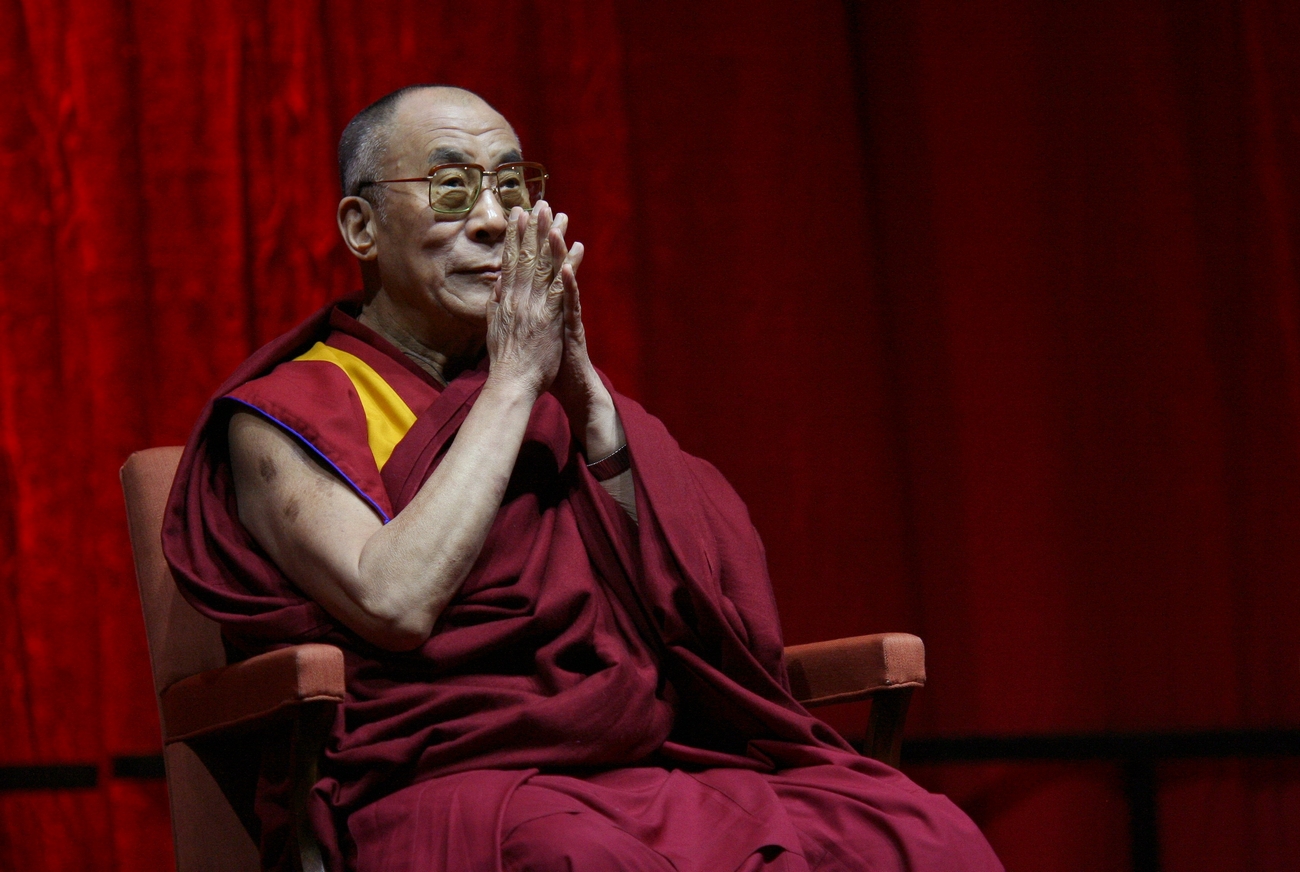
Guest Contributor Divya Malhotra is pursuing her Ph.D. from the School of International Studies, Jawaharlal Nehru University (JNU) and is a non-resident fellow at the Middle East Institute, New Delhi where she monitors and documents Pakistan-Middle East relations. Her areas of interest include human rights studies. Her writing has appeared in the Times of Israel blog.  The world today is riddled with violence and conflict. Countries across Asia and Africa are engaged in a perpetual struggle for political and religious autonomy and self-determination. Be it West Asia’s Arab Spring, Israeli-Palestinian conflict over land, the Baloch and Pashtun separatist movements in Pakistan, or the turmoil in Kashmir, violence has become accepted as a status-quo in these areas. However, one community’s struggle for separation has had an intriguingly peaceful and spiritual dimension: the Tibetan resistance movement.      Historical Background The Tibetan independence movement is a political movement for the independence of Tibet and the political separation of Tibet from China. It has been principally been led...
Read More
Exploring Careers in Human Rights: ISHR’s 2020 Human Rights Career Panel

Exploring Careers in Human Rights: ISHR’s 2020 Human Rights Career Panel

Exploring Careers in Human Rights: ISHR’s 2020 Human Rights Career Panel By Rowena Kosher, Co-Editor of RightsViews  In the midst of the global pandemic of COVID-19, orders of social distancing and indoor sheltering in place, students and panelists tuned in virtually for ISHR’s annual career panel last week, meeting through screens to discuss what the multiplicity of careers in the human rights field can look like. Gergana Halpern, ISHR’s Director of Educational Programming, moderated the panel.  The Panelists - What Do You Do? Halpern began the session by asking each of the four panelists to introduce themselves, their current work, and what their job entails.  Louis Bickford is the CEO and founder of Memria, an online platform for the collection and sharing of stories through audio and text, and an Adjunct Professor of Political Science at ISHR. He has 20 years of experience in the human rights field and as such has worked in a variety of capacities, including in truth commissions, testimonial collection, academia,...
Read More