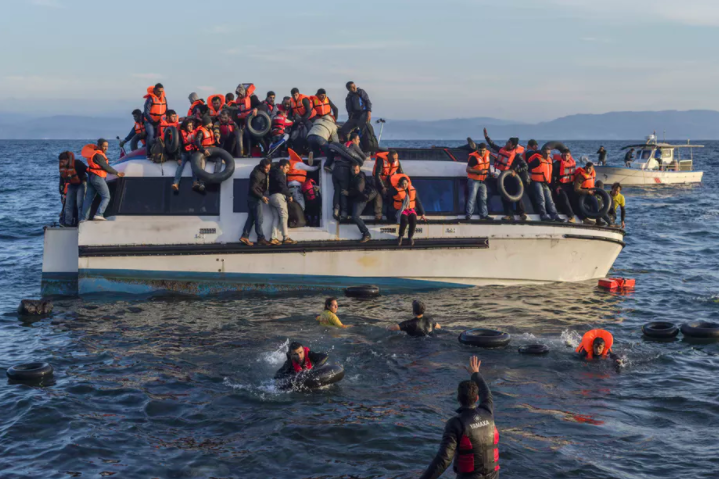
Since 2013, search and rescue missions in the Mediterranean have been a highly contentious issue in the media and European politics. In February, students, professors and human rights scholars at Columbia University were fortunate enough to hear Dr. Craig Spencer, director of Global Health in Emergency Medicine at New York-Presbyterian, speak on the politics of search and rescue operations.
Dr. Spencer works in public health both in New York, providing clinical care, and internationally, dealing with issues as wide ranging as access to legal documentation in Indonesia to the coordination of an epidemiologist response to Ebola in Guinea. His most recent posting was on a Doctors Without Borders search and rescue mission in the Mediterranean. He began his discussion at Columbia University by giving background to the current refugee crisis: Dr. Spencer explained that the difference today in dealing with refugee issues is “the scale of the problem” and “how we are dealing with it.” Contrary to public opinion and media representations, he...
By Rowena Kosher, a blog writer for RightsViews and a student in the School of General Studies at Columbia University
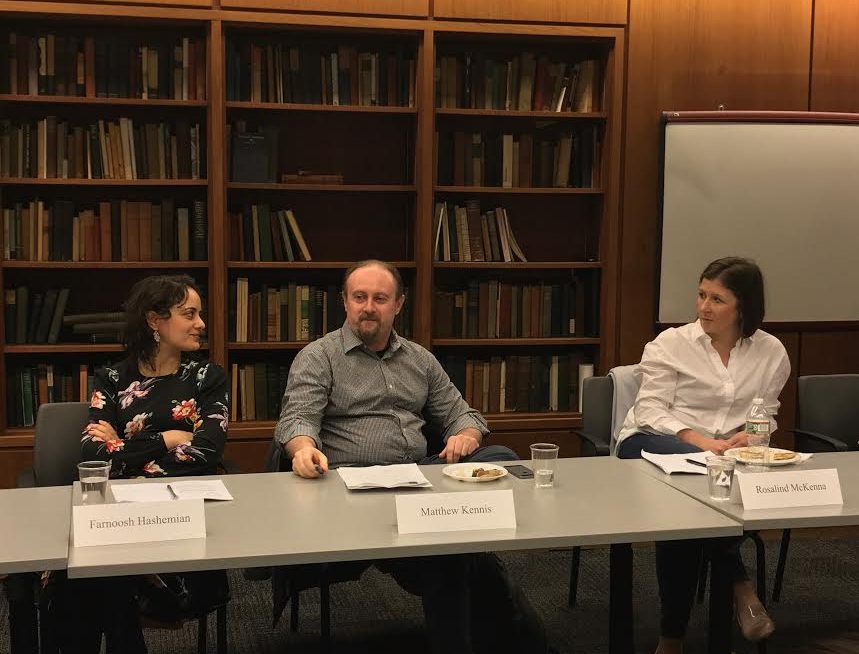
The Institute for the Study of Human Rights held its annual human rights career panel last month, offering students the chance to hear from individuals in a variety of human rights careers. The panel was an opportunity for future practitioners to gain insight into human rights in action outside of academic study at Columbia University.
The undergraduate and graduate students who attended the event held at Columbia's International Affairs Building posed questions about their professional futures in human rights. The panelists, all career veterans in the field, helped answer student concerns by sharing stories about their career paths, their experiences, and other practical advice.
What are the most rewarding parts of a career in human rights, and what are the challenges?
The panelists agreed that the human rights field can be complicated and frustrating at times. Victories don’t always happen, but it is important to be...
by Ido Dembin, a blog writer for RightsViews and a M.A. student in Human Rights Studies at Columbia University
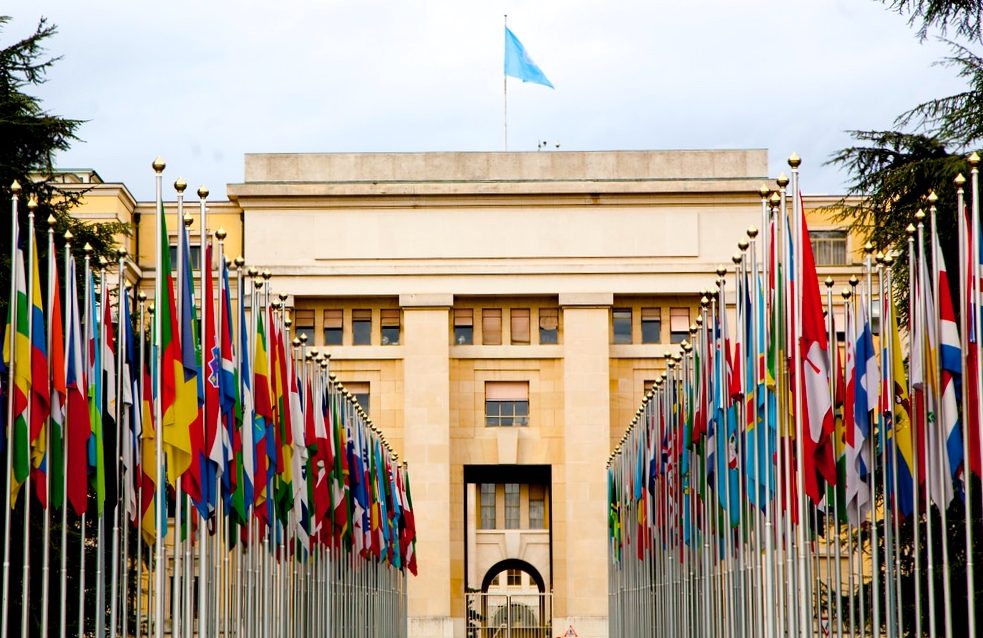
On January 24, Columbia University Institute for the Study of Human Rights hosted a discussion on the role and impact of the UN Human Rights Committee with David Kretzmer, an Israeli expert in international and constitutional law. Kretzmer served as a member of the UN Human Rights Committee, including a two-year term as its vice-chairperson.
The discussion with Kretzmer focused on the evolution of the UN Human Rights Committee since its establishment 40 years ago. Having personally served on the committee, Kretzmer offered distinctive lessons on how the committee’s role and perception by other actors such as nation states, NGOs and individuals— as well as its self-perception— have changed.
He began the discussion by emphasizing the historic background of the committee: The UN Human Rights Committee is a treaty body comprised of 18 renowned experts from across the world who meet three times a year for...
By Graeme Reid, director of the Lesbian, Gay, Bisexual and Transgender rights program at Human Rights Watch
Invisibility and stigma go hand in hand. "Coming out" became a central part of the gay liberation movement in the United States and Europe from the 1960s, a strategy adopted as a prerequisite for claiming rights. And in the late 1980s, in response to the AIDS crisis, ACT UP (AIDS Coalition to Unleash Power) adopted the slogan "Silence=Death," which became the rallying cry of a movement challenging silence and stigma. Globally, in the past three decades, there has been a rapid increase in queer visibility, facilitated by many factors including images and ideas circulating through the internet, interconnectedness among LGBT organizations and individuals, and the global response to HIV/AIDS.
As of 2017, the International Lesbian, Gay, Bisexual, Trans and Intersex Association (ILGA) has 1,228 member organizations in 132 countries. Yet visibility also comes with risks. As the visibility of sexual and gender minorities has increased, so too...
by Rowena Kosher, a blog writer for RightsViews and a student in the School of General Studies at Columbia University
Genocide, or the intentional killing, in whole or in part, of a national, ethnic, racial or religious group of individuals, has occurred throughout world history and occurs even today. On November 30, students, professors and human rights scholars gathered in Pupin Hall at Columbia University for a discussion with Henry Theriault from Worcester University about the crime of genocide, the gravest of human rights violations.
Theriault, the president of the International Association of Genocide Scholars, has devoted his career to genocide studies, traveling the world speaking about and researching the topic. He was joined by Eylem Delikanli, an ISHR oral historian studying traumatic memory at Columbia University, and Marc Mamigonian, the director of the National Association for Armenian Studies and Research, who moderated the conversation. The event was co-hosted by the Armenian Society of Columbia University, and the discussion took place within the...
By Olivia Heffernan, a master’s candidate at Columbia University School of International and Public Affairs
The United States represents four percent of the world’s population but is home to 22 percent of the world’s prisoners. These disproportionate figures, and the financial and emotional burdens of mass incarceration in America, were the topic of a recent discussion at Columbia University between former Mayor of Philadelphia Michael Nutter and Obama administration official Elias Alcantara. The discussion, hosted by the Criminal Justice Reform Working Group (CJR) at the School of International and Public Affairs, brought together two panelists well suited to discuss criminal justice policy—its challenges, similarities and differences—on city and federal levels.
As a country that prides itself on its values of freedom and equality, the United States demonstrates a gaping contradiction with its discriminatory and broken justice system. Spikes in incarceration rates are often attributed to the 1994 Violent Crime Control and Law Enforcement Act, signed by former President Bill Clinton, which implemented a...
by Rowena Kosher, a blog writer for RightsViews and a student in the School of General Studies at Columbia University
On November 20, students, professors and human rights colleagues gathered in Columbia Law School’s Jerome Greene Hall for a discussion on economic, social and cultural rights led by Catarina de Albuquerque, the former United Nations special rapporteur on the right to safe drinking water and sanitation.
Originally from Portugal, de Albuquerque began her career in human rights as part of the Portuguese Foreign Service, moving on to become the chairperson-rapporteur for negotiation of the Optional Protocol to the International Covenant on Economic, Social and Cultural Rights, a protocol adopted in 2008 that establishes an individual complaints mechanism to recognize important rights like the right to education, the right to health, and labour rights, among others. Following these positions, de Albuquerque took on her current role as executive chair of the Sanitation and Water for All Partnership, a global partnership to catalyze political action, improve accountability and use...
by Genevieve Zingg, a blog writer for RightsViews and a M.A. student in Human Rights Studies at Columbia University
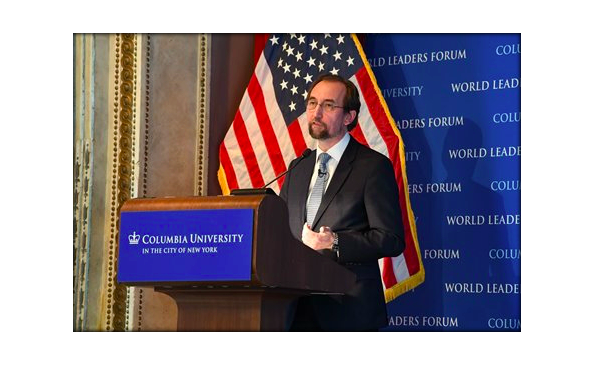
“Human rights faces a stress test today,” Zeid Ra’ad al-Hussein, the United Nations high commissioner for human rights, said during his World Leaders Forum address at Columbia University's Casa Italiana on November 14. “The approach which seems to be in the ascendent is a blinkered, blind vision of domination, nationalism, and walled-in sovereignty.”
The teatro grew sombre as al-Hussein’s initial quips gave way to his analysis of the current state of human rights— a field in flux, balanced precariously on the back of a technological revolution that poses both risk and opportunity.
"The digital universe offers us amazing possibilities for human rights work,” he continued. “We already use satellite imagery and encrypted communications to ensure better monitoring, investigation, and analysis of human rights violations in places where the authorities refuse to give us access.”
Indeed, digital tools have increasingly yielded significant results in the human rights field....
By Olivia Heffernan, a master’s candidate at Columbia University School of International and Public Affairs
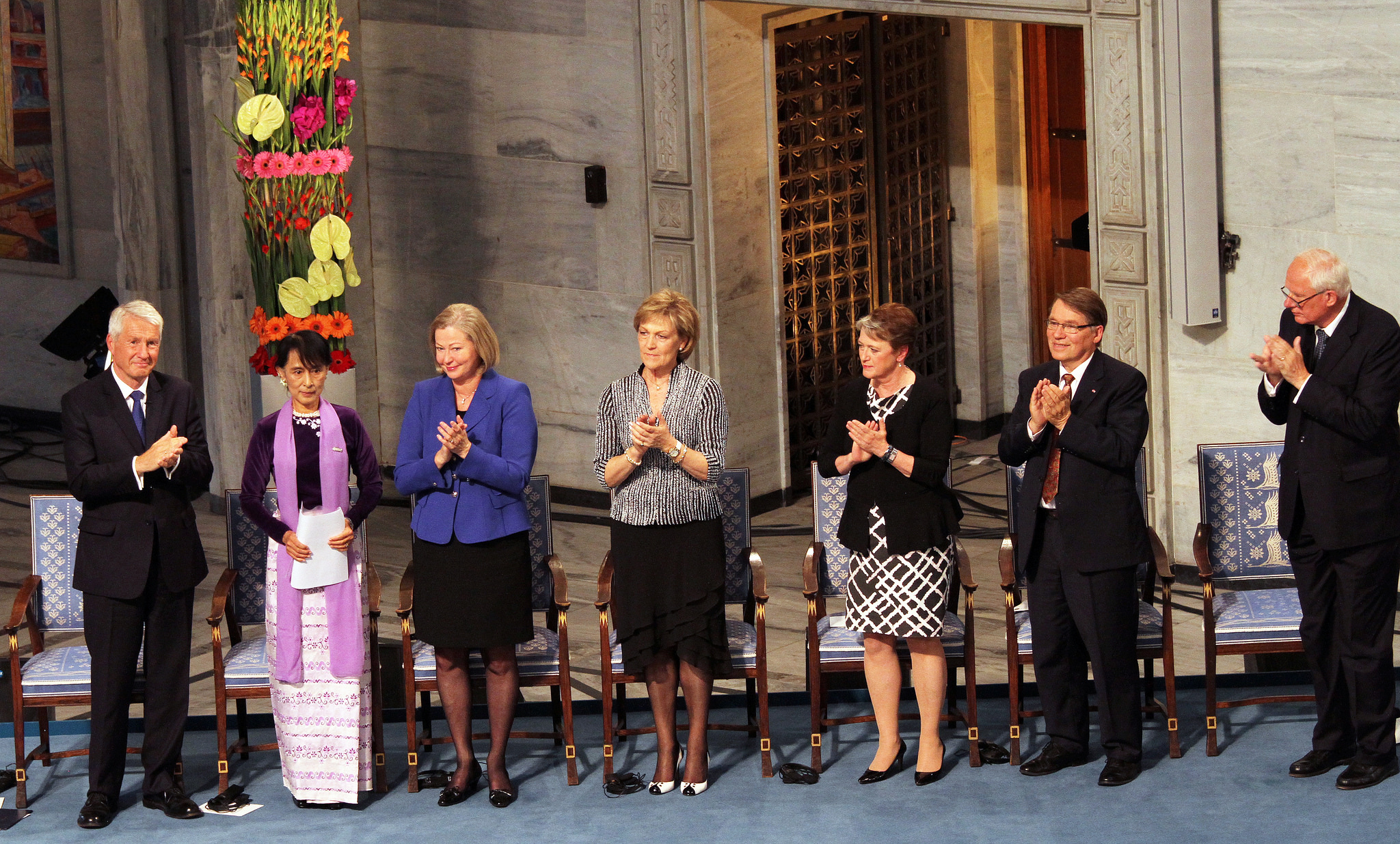
On November 14, the Weatherhead East Asian Institute at Columbia University hosted a lecture titled “Understanding the Rohingya Crisis.” Panelists addressed the historical roots of ongoing violent conflict in Myanmar, including the “othering” of the minority Rohingya Muslims and escalating fear of Islam, as well as the responsibility of the international community to respond to the country's human rights crisis. The lack of response raises questions about the international community’s commitment to protecting peace and precipitates another interesting discussion: What does an ethnic cleansing overseen by a Nobel Peace Prize winner mean for the credibility of the award itself?
Daw Aung San Suu Kyi, Myanmar’s de facto leader and first state counselor, was conferred the Nobel Peace Prize in 1991 for her admirable fight for democracy in Myanmar during 15 years under house arrest as a political prisoner. However, actions speak louder than words. Aung San Suu Kyi’s complicity to the killings...
By Ayesha Amin, a blog writer for RightsViews and a M.P.A. candidate at Columbia University School of International and Public Affairs
Is the human rights movement on the road to nowhere? Last Thursday, the Arnold A. Saltzman Institute of War and Peace Studies at Columbia University hosted a book launch and panel discussion on “Human Rights Futures,” edited by Stephen Hopgood, Jack Snyder and Leslie Vinjamuri. The book brings together 15 mainstream human rights scholars and their critics to debate alternative futures for the human rights movement.
The panel conversation was moderated by Andrew Nathan, professor of political science at Columbia University, and included four contributors to the book: Jack Snyder, Belfer Professor of International Relations at Columbia University; Shereen Hertel, editor of the Journal of Human Rights; Alexander Cooley, director of the Harriman Institute at Columbia University; and Leslie Vinjamuri, director of the Centre on Conflict, Rights and Justice at SOAS, University of London. Other panelists included Aryeh Neier, co-founder...