A Hidden Population of Disabled Refugees in the U.K.

A Hidden Population of Disabled Refugees in the U.K.

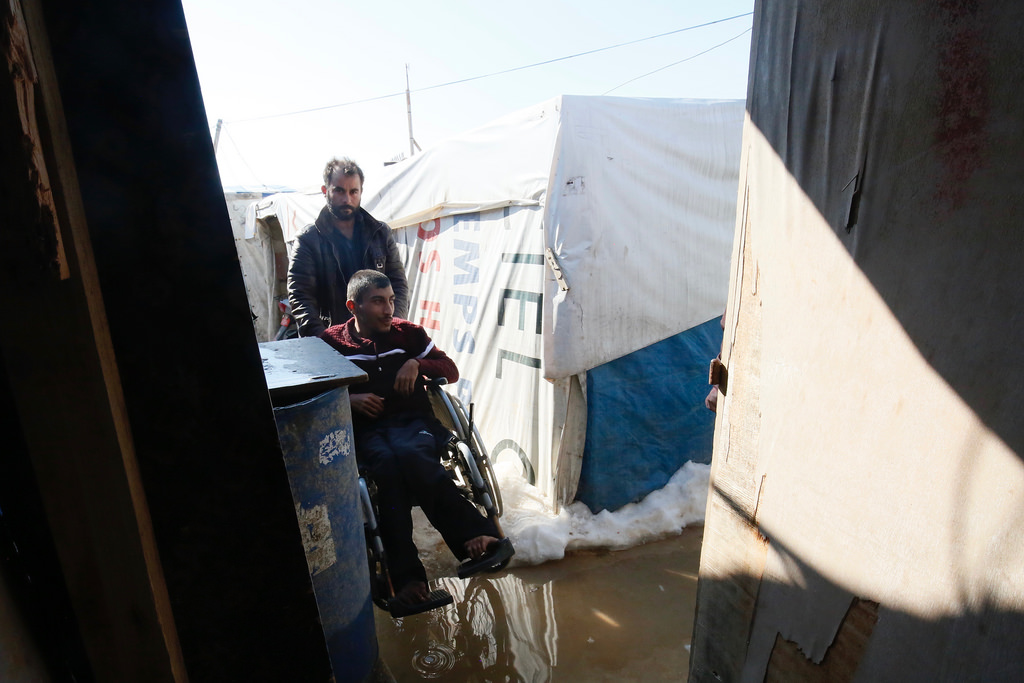
By Jason Hung, a guest blogger from the University of Warwick Currently, there are an estimated 118,995 refugees living in the U.K., composing less than one percent of the country's total population. Three to ten percent of these refugees are thought to have a physical or mental disability. Due to the small number of disabled refugees living in the U.K., the rights of these refugees have often been disregarded, according to Keri Roberts and Jennifer Harris, research fellows from the University of York who generated data on the numbers and social characteristics of disabled refugees and asylum seekers living in Britain. Their research, which was completed in collaboration with the Refugee Council, found that U.K. communities are unable to provide sufficient aid for these vulnerable groups. “Disabled people in refugee and asylum-seeking communities frequently experienced great hardship,” the authors note. “Considerable confusion about the responsibilities of different agencies and National Asylum Seekers Service (NASS), a lack of coordinated information and service provision, and...
Read More
From the Field: Building a Plurality of Memories in Spain

From the Field: Building a Plurality of Memories in Spain

By Zina Precht-Rodriguez, Columbia College '19 The story of Spain’s traumatic history is compelling because it is continuously unfolding. One of my most memorable experiences in Barcelona this summer was my visit to an air raid shelter that was designed during the Spanish Civil War to protect thousands of civilians during the fascist bombings of Barcelona. The existence of the shelter was only discovered a couple of years ago by a cable company. The company intended to build an underground landline to connect more people throughout Spain, but the irony of the situation is that something much deeper connects the people of Spain: a traumatic memory that tells the story of a vicious divide within Spain, as well as within Europe, of those who risked their lives for progressive change and those who compromised their own morality. In 2017, these casual rediscoveries of a traumatic Spanish past are triggering an outpouring of civilian, intellectual and political inquiry. The European Observatory for Memories (EUROM) addresses...
Read More
Trump and Erdogan: Too Much in Common

Trump and Erdogan: Too Much in Common

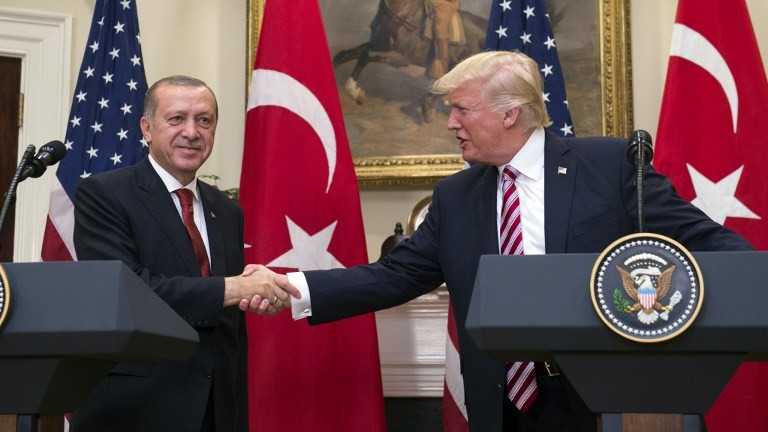
By Ariella Lang, Institute for the Study of Human Rights at Columbia University In President Trump’s recent meeting with Turkey’s President Erdogan, Trump said nothing about the authoritarian crackdown currently underway in Turkey, nor did he condemn the attack by armed members of Erdogan’s security team on protestors outside the Turkish embassy in Washington, D.C., in which American Diplomatic Security officers were assaulted and nine people were hospitalized. President Erdogan apparently watched the melee unfold from the embassy steps. The same week that these events unfolded in D.C., the summary judgement and sentencing was handed down in a Turkish court with regard to the case against Murat Celikkan, a journalist and prominent Turkish human rights activist. Celikkan had been accused of spreading propaganda for a terrorist organization because of his involvement in the campaign to protest the crackdown and ultimate closure of the Özgür Gündem daily newspaper. Özgür Gündem was one of 15 media outlets that had to shut their doors after a...
Read More
Viktor Orbán’s Hungary: A Nationalist Government Within the European Union

Viktor Orbán’s Hungary: A Nationalist Government Within the European Union

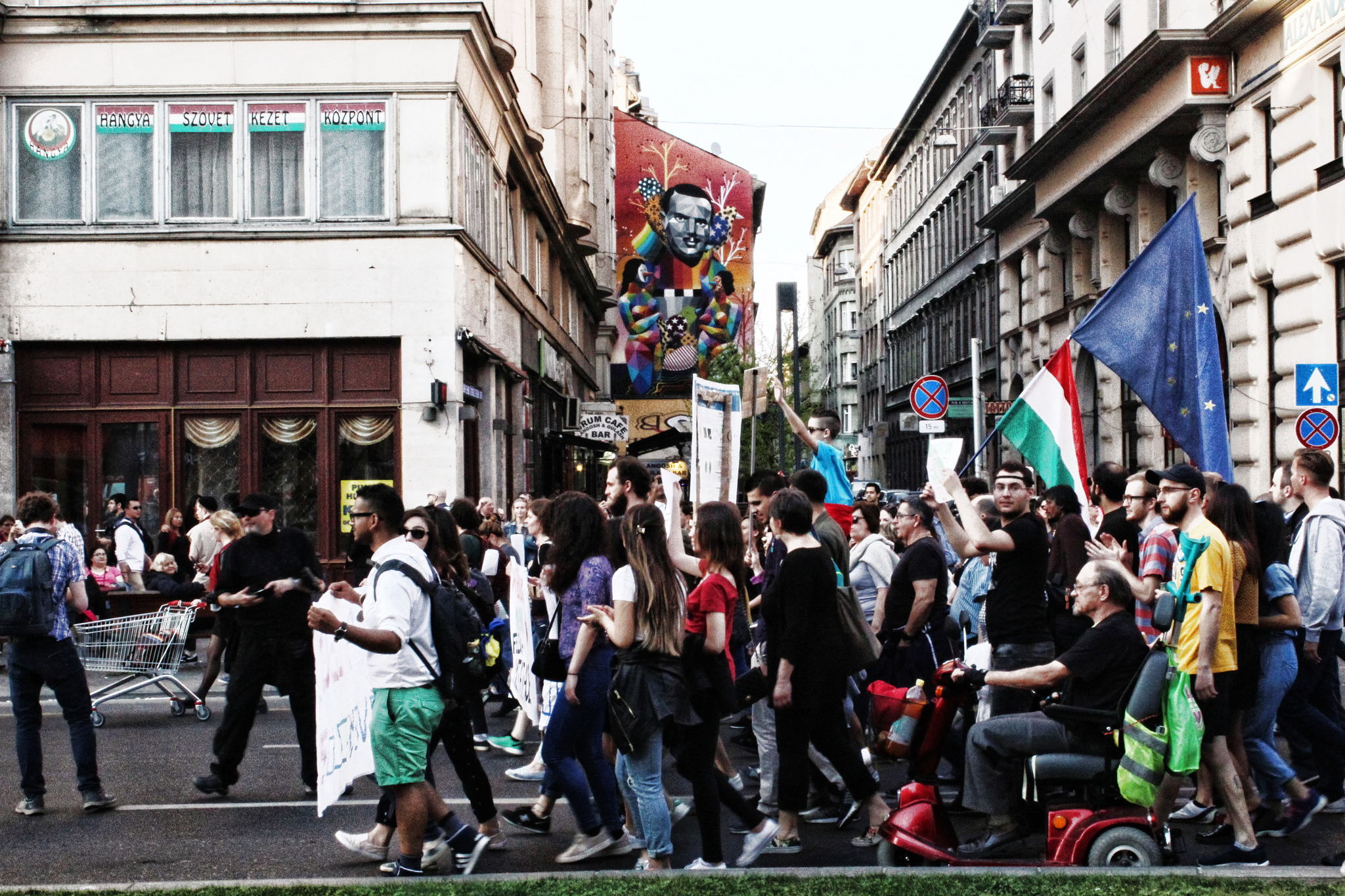
By Bárbara Matias, an M.A. student in human rights In late May, thousands of Hungarians marched against Prime Minister Viktor Orbán’s educational reform laws subduing foreign universities and non-governmental organizations. The educational reforms were the latest in a series of clashes between the right-wing Hungarian government and the European Union (EU); the protests yet another manifestation of civil society's mobilization against Orbán’s opposition to EU frameworks. On May 1, the 13th anniversary of Hungary’s accession to the EU, for example, thousands took to the streets in a pro-EU rally, suitably called "We Belong to Europe.’’ This past April, Prime Minister Orbán and Hungary's parliament passed an amendment to Hungary’s national law on higher education, tightening regulations on independent and foreign-funded universities. Specifically, the law targets the Central European University (CEU), a Budapest-based university founded by Hungarian-born American financier George Soros and accredited in the United States and Hungary since 1993. The current government under Orbán sought legal means to shut the university down, viewing...
Read More
Questioning “Resilience”

Questioning “Resilience”

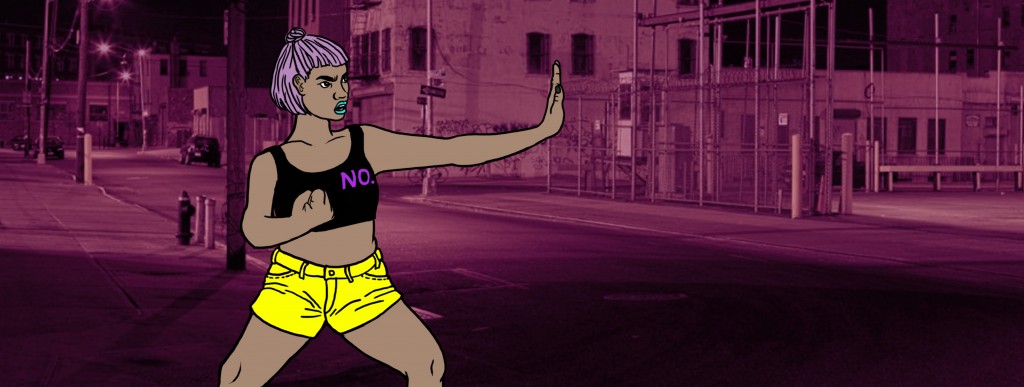
By Stephanie Euber, Graduate School of Arts and Sciences 2017 Individuals fortunate enough to have survived traumatic events are commonly referred to as “resilient.” In fact, a resilience framework/agenda has become part of commonly-accepted humanitarian and human rights language and programming. But what does this framework, which attempts to foster resiliency among trauma survivors, actually accomplish? This is the question I have spent the past year attempting to answer. My paper titled “Genealogy of Resilience: Women’s Resiliency to Conflict-Related Sexual Violence” was recently chosen as a winner of the 2017 Human Rights Essay Contest through the Institute for the Study of Human Rights. The application of the term "resilient" to women who have experienced gender-based violence, either locally or globally, remains unclear. What is more evident is that linkages can be drawn between the usage of resilience theory and the popularization of describing women as "survivors." Referring to women who have survived gender-based trauma as "resilient" pays homage to the extreme emotional...
Read More
Applying Blockchain Technology for Social Impact

Applying Blockchain Technology for Social Impact

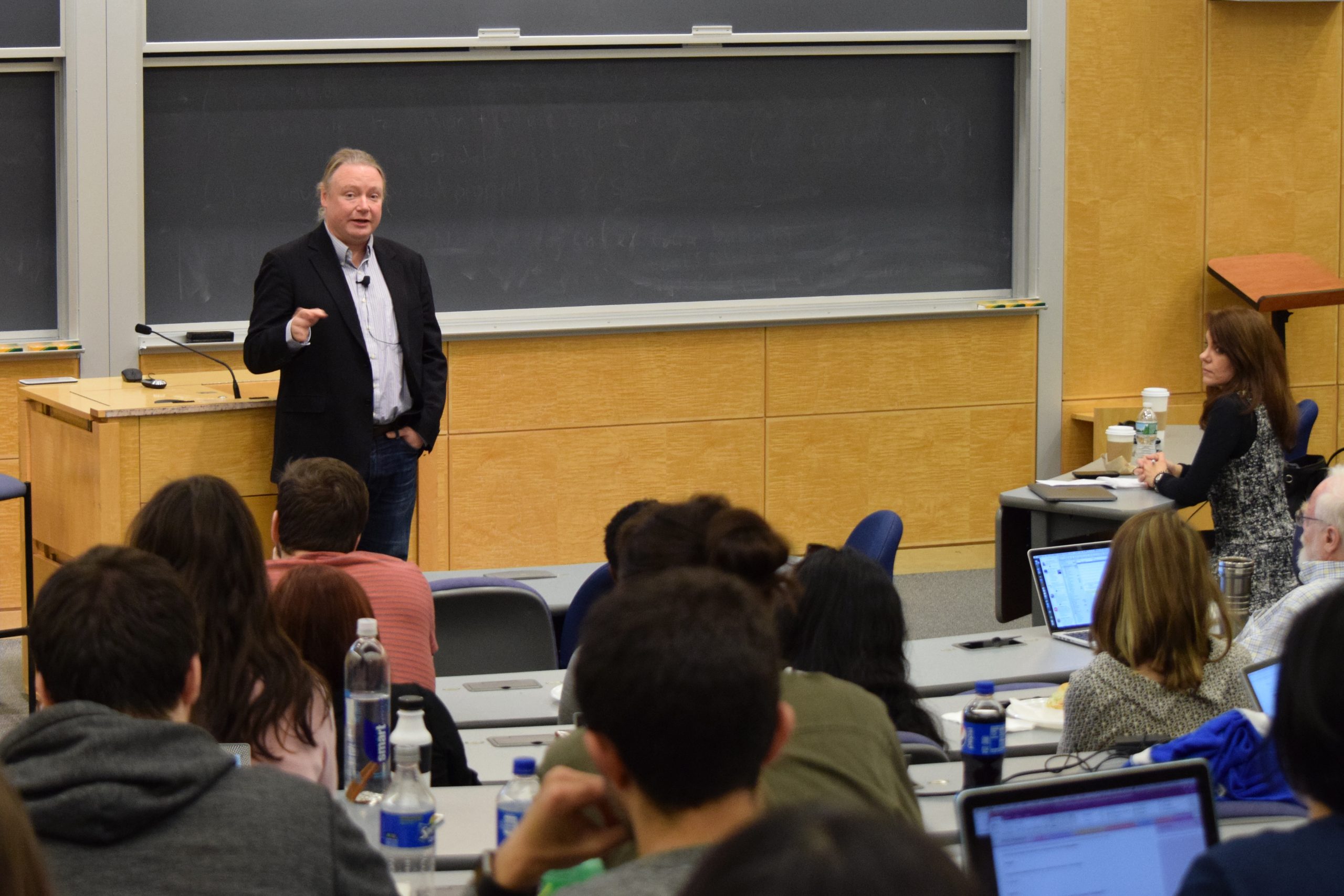
By Amanda Graham, an M.A. student in human rights Equality, transparency, accountability, personal security, inclusivity and individual autonomy: blockchain represents many core ideals of international human rights work. What is blockchain? Blockchain is an updated way of documenting and verifying interactions on a digital platform. Up until now, we have given power of mediation to banks and other third parties to validate transactions. Blockchain is a digital distributed platform that validates transactions through algorithms. No third parties needed. Originally, blockchain was used to track digital currencies such as Bitcoin.  It has evolved into a system of trust through collaboration, its power slowly being leveraged beyond monetary transactions. The potential for disruption or transformation of industries has been the subject of recent conversations.  The Institute for the Study of Human Rights recently hosted Brian Behlendorf for a talk on Applying Blockchain Technology for Social Impact, kicking off a technology and human rights speaker series. Behlendorf is the executive director of the Hyperledger Project (among...
Read More
Roma Communities in the EU Continue to Lack Access to Equal Education Opportunities

Roma Communities in the EU Continue to Lack Access to Equal Education Opportunities

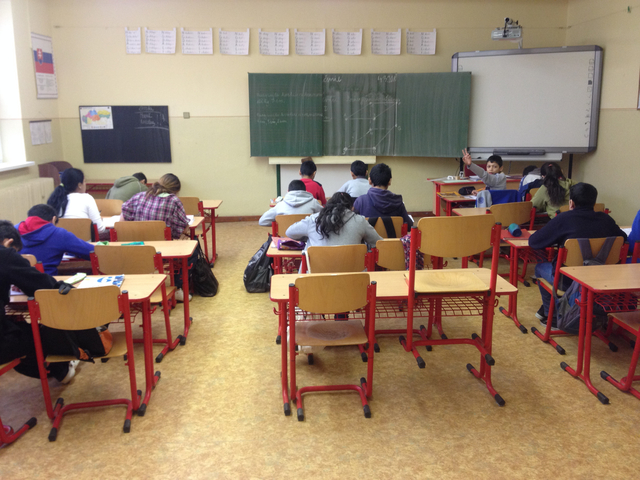
By Claudia Kania, guest blogger from Reavis high school The United Nations Committee on the Elimination of All Forms of Racial Discrimination (CERD) released a statement in 2000 that acknowledged “the place of the Roma communities among those most disadvantaged and most subject to discrimination in the contemporary world.” Such socially and institutionally-accepted xenophobia is perhaps most clearly epitomized by the European school system. Although academic institutions are often portrayed as “the great equalizers,” a system founded on the principles of ignorance and prejudice frequently separates Roma, one of the largest minority groups in Europe, from reaping the benefits of education. The right to education is universally established as a fundamental guiding principle within international human rights discourse. It is recognized as a human right by Article 26 of the Universal Declaration of Human Rights, as well as Articles 28, 29, and 40 of the Convention on the Rights of the Child. To further contextualize the premise of academic equity, UNESCO put...
Read More
Careers in Human Rights: Insights From the Field

Careers in Human Rights: Insights From the Field

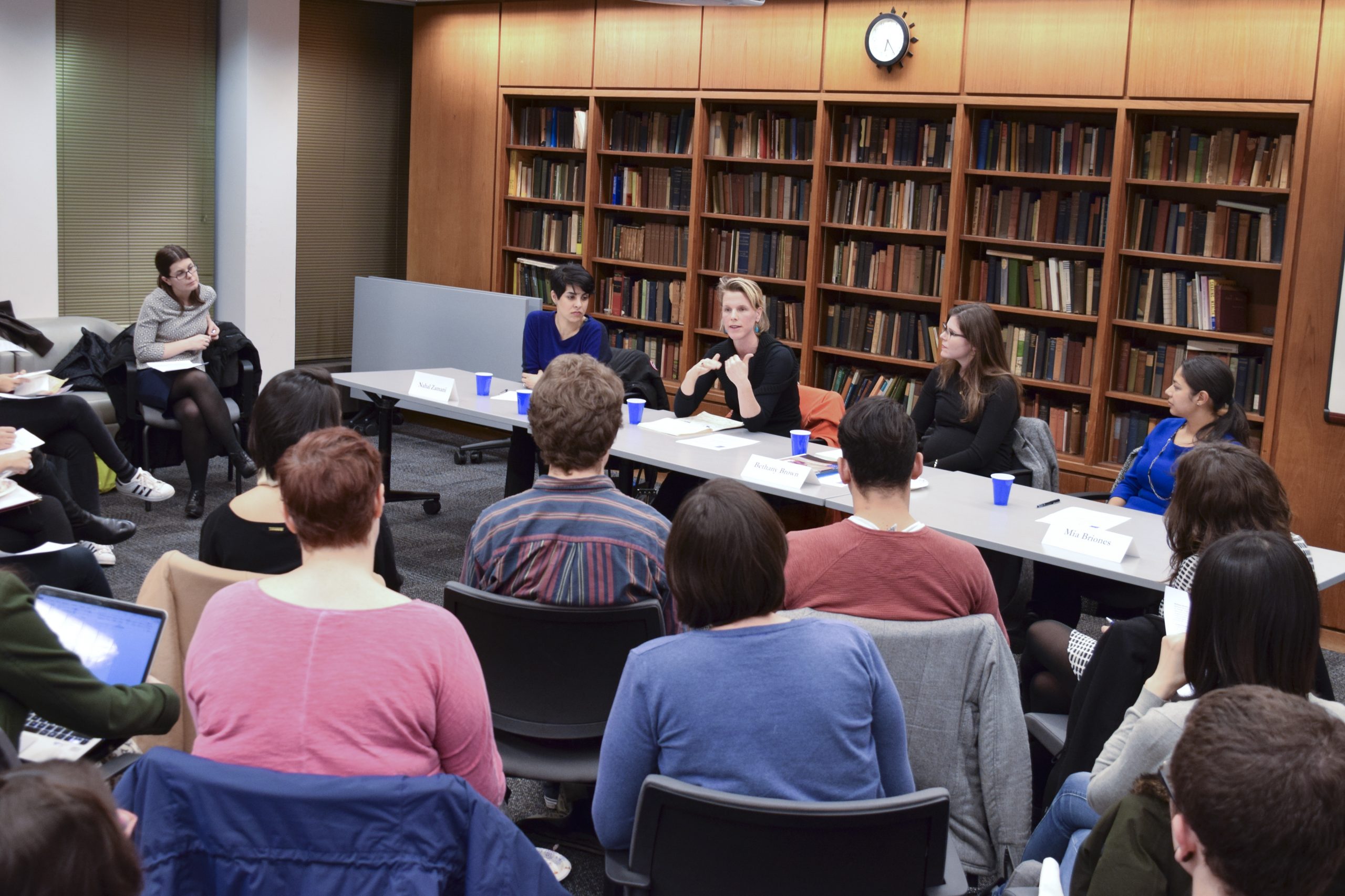
By Bárbara Matias, an M.A. student in human rights Amid a tense political climate and growing importance of the human rights field, the Institute for the Study of Human Rights annual Career Panel came at a particularly conducive time. On February 21st, an ensemble of undergraduate, graduate and prospective students gathered to discuss topics ranging from the professional opportunities available to human rights students to the skills, credentials, and experiences most valued by organizations. As acknowledged by faculty and students alike, human rights does not always present an obvious career path, which was why hearing from experts in diverse fields within this realm proved opportune. This year’s panel welcomed four experts working at intergovernmental organizations, NGOs and not-for-profit organizations: Mia Briones, a leadership gifts officer at the International Rescue Committee (IRC); Bethany Brown, a researcher at the Health and Human Rights Division at Human Rights Watch; Emilie Filmer-Wilson, a Global Human Rights adviser at the United Nations Population Fund (UNFPA); and Nahal Zamani, an...
Read More
A Defense of Dignity

A Defense of Dignity

By Joseph Chuman, a lecturer at the Institute for the Study of Human Rights With dark forces clouding the political horizon, both domestically and globally, defense of fundamental freedoms has become stridently urgent. While some may prophesy or lament the end time of human rights, the drumbeat of illiberalism requires an even more robust enunciation of the human rights program. Those striving to consolidate greater power in the hands of state executives may seek to swat aside human rights as an annoying manifestation of political correctness, but it is good to remember that the Universal Declaration of Human Rights emerged out of the nadir of European fascism. The response to darkness is not despair, but the bright light of civility and decency, which are conveyed most powerfully by human rights and the ideals that it reflects. At the heart of human rights is respect for the dignity of human beings - without exception. If asked to summarize in briefest terms the purpose of...
Read More
Can the Permanent Members of the Security Council Lead the World’s Journey to Sustainable Peace and Gender Justice?

Can the Permanent Members of the Security Council Lead the World’s Journey to Sustainable Peace and Gender Justice?

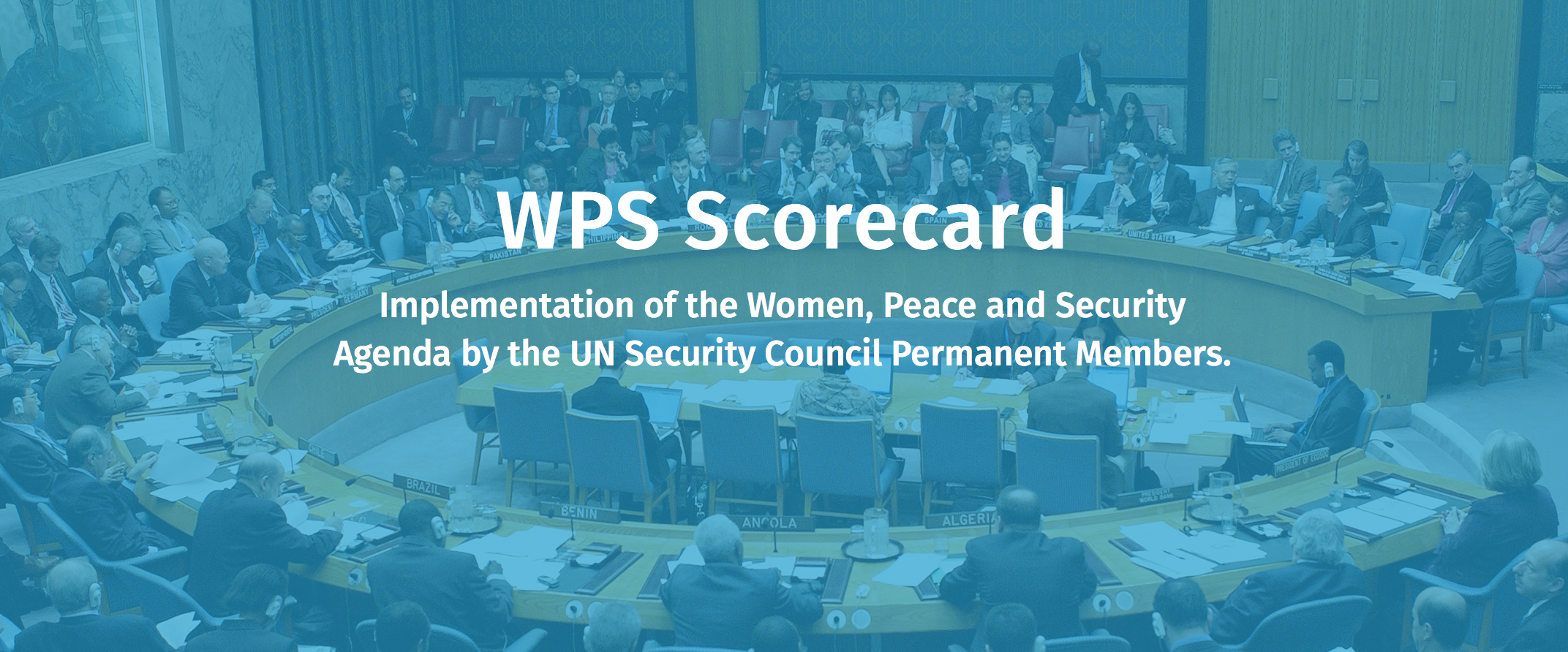
By Marina Kumskova,  Program Associate at WILPF/PeaceWomen and guest blogger Katie Krueger, Program Associate for WI-HER Since the adoption of the United Nations Security Council Resolution 1325 (2000), the world has slowly come to understand that the women, peace and security (WPS) agenda has transformative potential to create positive change. The WPS agenda is a tool for moving from conflict, militarization, and violence, to peace, inclusive decision-making, and gender justice, while increasing the number of women meaningfully involved in decision-making processes. However, this important tool remains under-utilized. Innovative new research carried out through the WPS Scorecard project identifies several gaps in the holistic implementation of the agenda, especially in the areas of conflict prevention, demilitarization, and disarmament. In the wake of Donald Trump’s inauguration, now is an ideal time to reflect on these major gaps in the WPS agenda's implementation, and promote advocacy and action amongst the grassroots. Civil society has an important role to play in ensuring that women’s rights are...
Read More