Inadequacy of Laws Against Cross-Border Sex Trafficking Between Nepal and India

Inadequacy of Laws Against Cross-Border Sex Trafficking Between Nepal and India

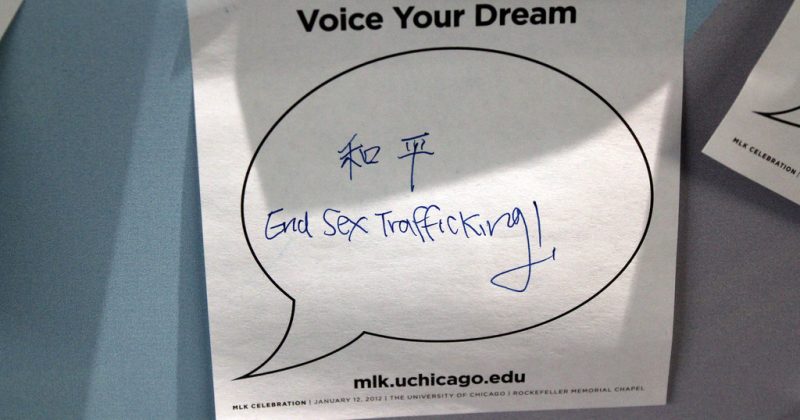
By guest contributor Ayush Kumar* Globalisation has caused the emergence of new technologies that facilitate trade and transport, making business more rewarding. A negative ramification of this change is the proliferation of cross-border human trafficking. The UN Office of Drugs and Crime (UNODC) defines Human Trafficking as the “recruitment, transportation, transfer, harbouring, or receipt of people through force, fraud, or deception, intending to exploit them for profit.” Men, women, and children of all ages and from all backgrounds can become victims of this crime, which occurs in every region of the world. There are nearly 36 million victims of human trafficking in the world, out of which two-thirds are from Asia, making it the third-largest crime in magnitude and profit after arms and drug trafficking. With Covid-19, the situation is anticipated to turn grimmer. Open Borders: A Facilitating Factor Nepal is an indispensable neighbour of India because of its cultural, historical, and economic connections. It also holds a vital place in India’s foreign policy...
Read More
Environmental Justice for All in Gowanus, Brooklyn

Environmental Justice for All in Gowanus, Brooklyn

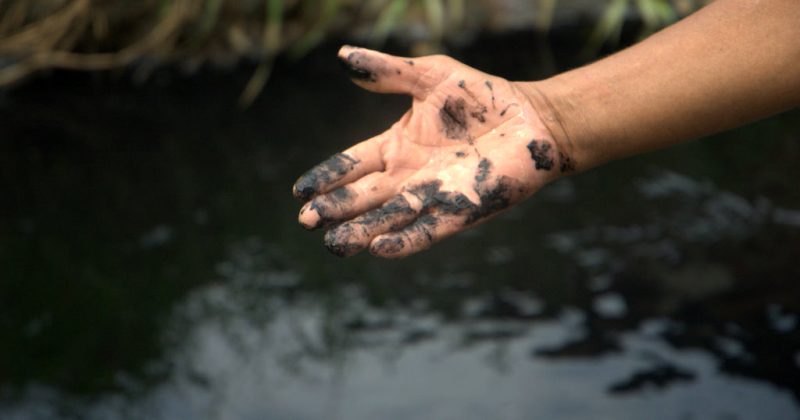
By Lindsey Alpaugh, RightsViews staff writer. Gowanus became one of the most sought-after neighborhoods in New York City in the 2010s, famous for its Whole Foods, art scene, and the canal. The Gowanus canal is a historic industrial site, hosting a combination of toxic chemicals and CSOs (Combined Sewage Outflows). The chemical and industrial pollution was so bad that in 2010, the Gowanus Canal was designated as a Federal Superfund site by the U.S. Environmental Protection Agency (EPA). This designation began a $500 million clean-up effort, which involved dredging contaminated sediment from the canal.  Despite these environmental hazards, the neighborhood experienced an influx of wealthier new residents. From 2000 to 2013, the average home value in Gowanus increased 145.78%. What does environmental justice look like in a gentrifying, formerly industrial neighborhood that sits in a flood zone and is home to one of the most toxic waterways in the United States?  The Gowanus canal first became an industrial zone by the mid 19th...
Read More
It’s High Time to Upgrade Consumer Rights to Human Rights

It’s High Time to Upgrade Consumer Rights to Human Rights

By guest contributor Swetha Somu* The Covid-19 pandemic has sparked a series of misleading advertisements claiming to cure and protect us from the deadly virus. As a result, the consumer protection regulatory authorities across the world have sprung into action by identifying and taking down false and inaccurate advertisements. Consumer rights in the pandemic era "A consumer is a shopper who is sore about something."  - Harold Coffin Coffin is no entrepreneur but a humor columnist and yet his famous quote aptly portrays why a consumer is a consumer. He asserts that a consumer is someone who has a problem or is made to think that he has one and that it can be resolved only if he buys a particular product. The need for an international instrument addressing consumer rights was strongly advocated for back in 1985 which subsequently led to the adaptation of the United Nations Guidelines for Consumer Protection (UNGCP). It was later revised in 1999, however, only recently in 2015, UNGA’s resolution...
Read More
Qatar 2022 : A World Cup Built on Blood

Qatar 2022 : A World Cup Built on Blood

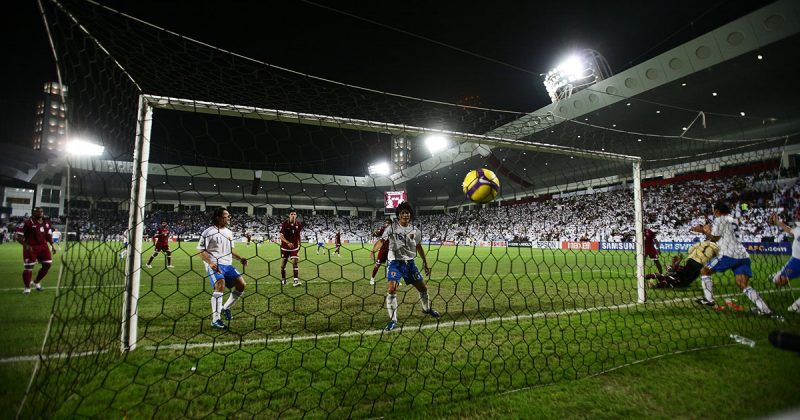
By guest contributors Abhishek Ranjan* and Shruti Yadav*   This year in March, Germany lined up in Duisburg for their first Group J qualifying match against Iceland, donning jerseys with letters spelling 'HUMAN RIGHTS' embossed on each jersey. Norway's players organized a protest of the same kind in the same week before their match against Gibraltar, wearing T-shirts with the message "Human rights, on and off the pitch." During the national anthem, the Norwegian players also raised five fingers in reference to Article 5 of the Human Rights Act, which stipulates that "everyone has the right to liberty and security of person." The 22nd FIFA World Cup, which will be held in Qatar in 2022, has been the subject of intense scrutiny and controversy since Qatar was given the right to host the quadrennial football tournament in 2010. The hosting rights acquired by this Gulf nation have often instigated disputes ranging from accusations of misconduct in tenders and acquisition of rights to allegations of mass...
Read More
Rights at Risk: COVID-19 and the Rights of People with Disabilities in Kenya

Rights at Risk: COVID-19 and the Rights of People with Disabilities in Kenya

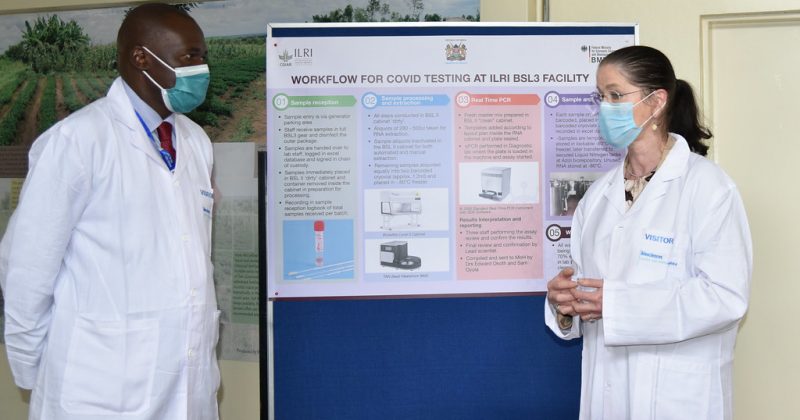
By: Guest Contributors Shubham Airi* and Sarah Ayreen Mir* Towards mid-2020, disabled persons' organizations surveyed 312 persons with disabilities in Kenya and Bangladesh to understand the effects of COVID-19 and how to prevent its spread. More than 90% of respondents in Kenya reported their daily lives had been impacted by the virus. They singled out factors such as unavailability of vital necessities, limited transport facilities, restricted movement, social alienation, decreased earnings, and loss of employment. In Bangladesh, all those polled alleged that COVID had changed their lives for the worse. The ongoing COVID-19 pandemic threatens to be a stumbling block in the international community's efforts towards delivering the United Nations’ Sustainable Development Goals, particularly for the marginalized groups, especially persons with disabilities. Since the COVID-19 pandemic hit Kenya in early 2020, the government instituted safety precautions and protocols. Since then, people with disabilities across the country have struggled with sticking to the safety protocols and understanding COVID-related information. The blatant disparities in guidance...
Read More
What the Storming of the U.S. Capitol tells us about Contemporary Human Rights

What the Storming of the U.S. Capitol tells us about Contemporary Human Rights

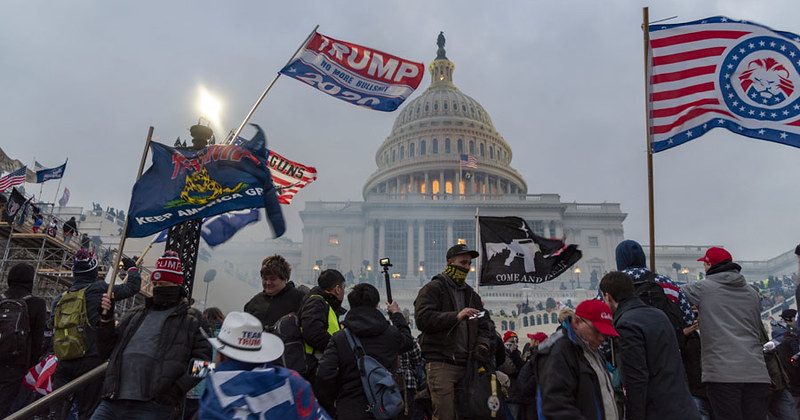
By: Noah Smith, RightsViews Staff Writer January 6, 2021, will live in infamy as the day American citizens defiled the United States Capitol. A day in which violent insurrectionists brandished the Confederate flag in the Capitol’s hallowed halls, sacked the empty Senate chamber, attacked and killed Capitol Police officers, and called for former Vice President Mike Pence’s execution. All in a miscarried attempt to forcibly overturn the results of the 2020 United States presidential election. Five people died and more than 140 were injured. The atrocities of January 6, 2021, will leave an indelible scar on the conscience of our nation, reminding us all that democracy is fragile and human rights even more so. In the aftermath of the Capitol attack, prominent conservative voices largely downplayed its severity. Matt Gaetz (R-Fla.) expressed his anger at the perpetrators just hours after the attack, stating “some of the people who breached the Capitol today were not Trump supporters. They were masquerading as Trump supporters and...
Read More
SCOTUS Set to Abort Roe v. Wade?

SCOTUS Set to Abort Roe v. Wade?

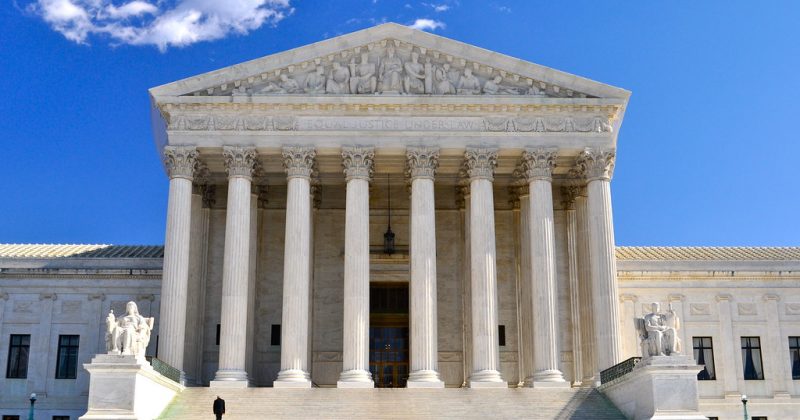
By guest contributor Apurva Ambasth, an undergraduate student of B.A.LL.B.(Hons.) at NUSRL, Ranchi, India. The announcement of the Supreme Court on May 17, 2021 to take up the case of Dobbs v. Jackson Women’s Health Organization caused quite a stir. The case deals with the constitutionality of the Gestational Age Act, the 2018 Mississippi law that bans abortions after 15 weeks of pregnancy. The Court has stated that it would be dealing with the issue “whether all pre-viability prohibitions on elective abortions are unconstitutional?” The hearing of the case would commence in October and the Court is likely to deliver a judgment by spring 2022. This move is a direct, lethal threat to the landmark judgment of Roe v. Wade which guarantees the constitutional right to abortion throughout the United States.  The District Court of Mississippi and the Court of Appeals for the 5th Circuit both being bound by the precedent held that states cannot ban abortions before the fetus becomes viable,...
Read More
UK’s Overseas Operations Bill: A Pretext for Abuse or a Protection for War Veterans?

UK’s Overseas Operations Bill: A Pretext for Abuse or a Protection for War Veterans?

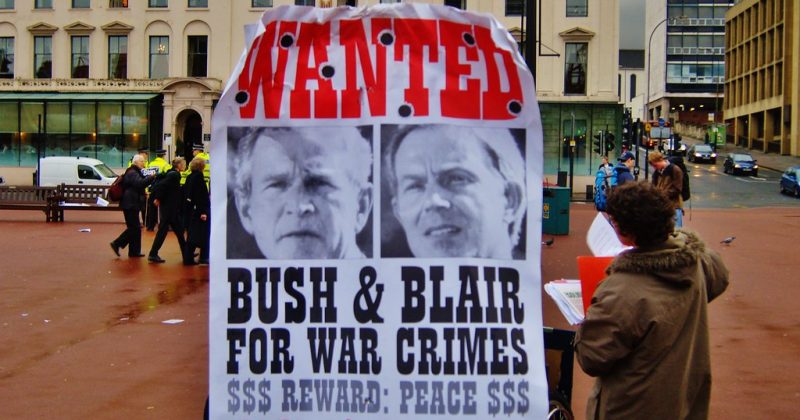
By guest contributor, Indrasish Majumder* In 2019, the British government attempted to pass a bill that would prevent British soldiers from being prosecuted for crimes committed while serving abroad. The Overseas Operations (Service Personnel and Veterans) Bill (“Operations Bill”) was introduced in light of some UK operations in Iraq and Afghanistan which prompted an unprecedented number of criminal cases against British soldiers years after these operations. The UK government argued that the allegations raised were baseless and that it had proposed the Bill to shield its troops from false accusations. The Operations Bill seeks to safeguard British personnel by establishing a five-year statute of limitations on prosecution of suspected crimes committed by British troops while stationed outside British territory. It also sets time restrictions for such cases as well as claims brought under the Human Rights Act of 1998. The Operations Bill has been criticised for being unconstitutional and misleading, and it has been claimed that it breaches obligations of the UK government under international human rights,...
Read More
The Vital Role of Women in Peacebuilding

The Vital Role of Women in Peacebuilding

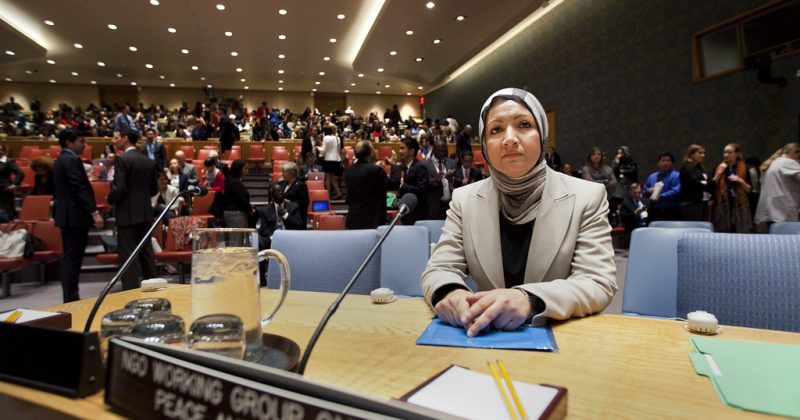
By Susy Prochazka, RightsViews staff writer and graduate student in the human rights MA program. In modern conflicts, women make up the majority of those displaced from their homes and communities, endure more property and economic damages, and suffer extreme physical harm and sexual violence at the hands of militia groups, but peace negotiations fail to incorporate their voices. Despite being those most harmed by conflict and regardless of evidence that their meaningful participation is vital in implementing a lasting peace, women are consistently and conspicuously absent from the peacebuilding process.  Last year marked the 20-year anniversary of UN Security Council (UNSC) resolution 1325, which recognized, for the first time, the unique impact conflict has on women and the critical role women play in conflict resolution and peacebuilding. Resolution 1325 emphatically stressed the importance of women’s leadership and meaningful participation in conflict resolution and repeatedly reaffirmed the necessity of women’s “full, equal and meaningful participation” in peace processes. Even with the adoption...
Read More
The Plight Of The Rohingyas: The Indian Supreme Court’s Abdication in Upholding India’s International Obligations

The Plight Of The Rohingyas: The Indian Supreme Court’s Abdication in Upholding India’s International Obligations

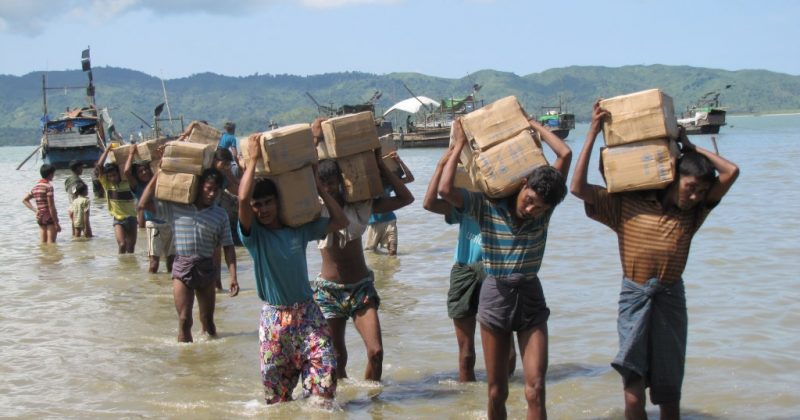
By guest contributor Reigha Yangzom, an incoming LL.M. candidate at School of Oriental and African Studies, London.  Background The United Nations has described the Rohingyas as the most persecuted minority in the world. The gross human rights violations and persecution faced by the Rohingyas have led to thousands of Rohingyas fleeing Myanmar to escape alleged genocide and crimes against humanity. The Rohingya population that remains in the Rakhine state of Myanmar are denied citizenship, disenfranchised, subjected to widespread atrocities such as torture, enforced disappearances, rape and mass killings. They are denied access to adequate food, healthcare, education, employment, land ownership, religious freedom and freedom of movement. The Independent International Fact-Finding Mission on Myanmar established by the Human Rights Council of the United Nations have provided detailed reports on the threats of genocide and other serious crimes against the Rohingyas.  On 23 January 2020, the International Court of Justice (ICJ), in the case of The Gambia v. Myanmar took cognizance of the imminent danger faced by...
Read More