Sterilization of People With Disabilities: Acknowledging the Past and Present History, Rhetoric, and Effects of a Harmful Practice

Sterilization of People With Disabilities: Acknowledging the Past and Present History, Rhetoric, and Effects of a Harmful Practice

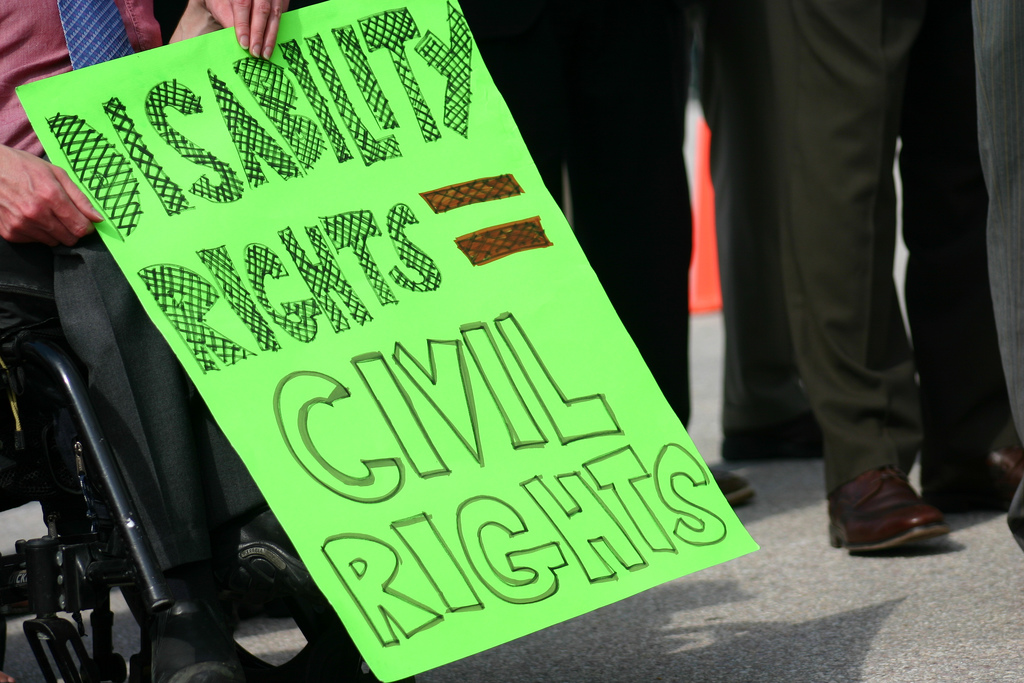
In the first week of 2019, a story about an Indigenous woman in Arizona giving birth while having been in a vegetative state for the past 14 years hit international headlines. It came as no surprise when investigators announced that they were looking into a “possible sexual assault.” A person in a vegetative state, by definition, cannot consent to sex because they are non-responsive to stimuli and lack self-awareness. This woman, disabled and reliant on healthcare providers to support her quality of life was instead abused and assaulted with no recourse to defend herself. This case is one of many that demonstrates the serious issues of sexual assault that face disabled people around the world today. According to disabilityjustice.org, people with disabilities (PWD) are three times more likely to be sexually assaulted than someone who is not disabled. 83% of women with disabilities (WWD) will be sexually assaulted in their lifetime. Understanding the severity of sexual assault of PWD is...
Read More
On International Day of Peace, A Celebration of Human Rights

On International Day of Peace, A Celebration of Human Rights

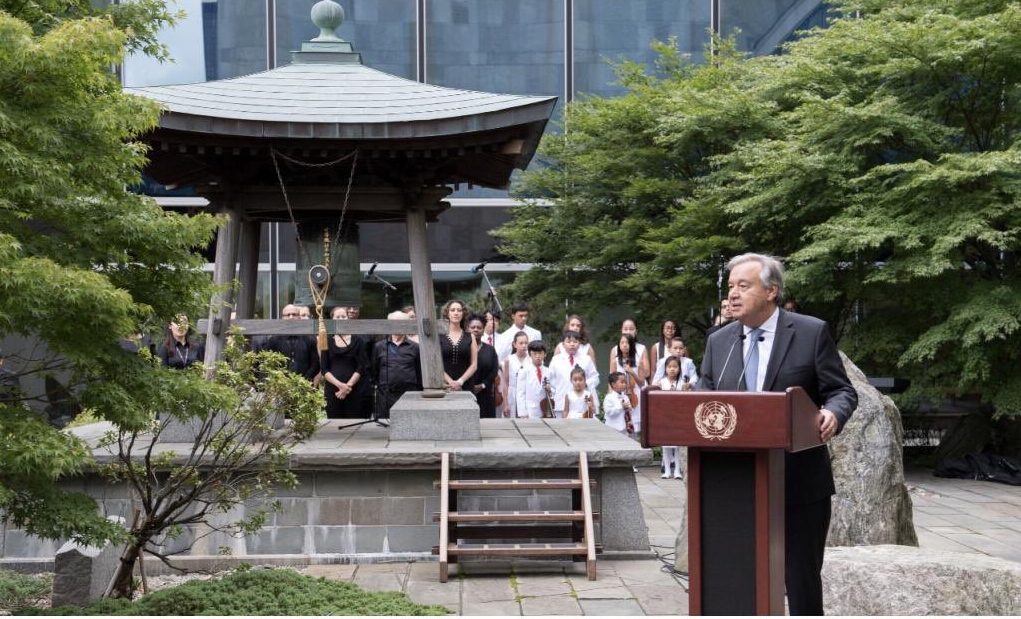
By Ashley E. Chappo, editor of RightsViews and a graduate of Columbia University School of International and Public Affairs and Columbia Journalism School Human rights, specifically the Universal Declaration of Human Rights (UDHR), are the focus of this year's International Day of Peace, or “Peace Day,” which takes place across the world each year on September 21. This UN-designated day of observance advocates peace action and education in spite of ongoing human conflict through peace-building activities, a global minute of silence, intercultural and interfaith dialogues, vigils, concerts, feasts, and marches. This year’s theme is "The Right to Peace - The Universal Declaration of Human Rights at 70." The timing for the theme is apropos: it comes at a period when the human condition is increasingly vulnerable, beset by global conflict and dependent on world leaders who have turned their backs on international cooperation. During this state of prolonged human suffering, the power and failings of a single document of 30 human rights ideals...
Read More
Columbia Students Stand in Solidarity with Jailed Reuters Journalists

Columbia Students Stand in Solidarity with Jailed Reuters Journalists

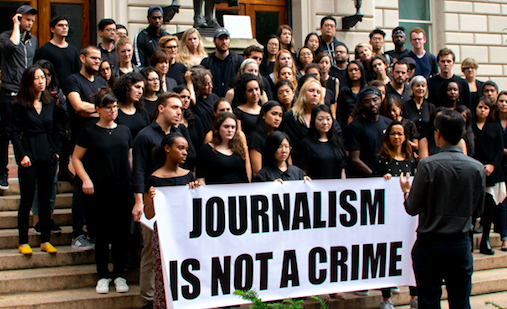
By Ashley E. Chappo, editor of RightsViews and a graduate of Columbia University School of International and Public Affairs and Columbia Journalism School Walk into Pulitzer Hall lobby at Columbia Journalism School today, and you might notice the students dressed in all black, holding signs that read “#FreeWaLoneKyawSoeOo” and "Journalism is not a crime." It’s a moment of advocacy and solidarity on Columbia’s Morningside campus on behalf of Reuters journalists Wa Lone, 32, and Kyaw Soe Oo, 28, who were sentenced to seven years in prison on September 3, 2018 by a Myanmar judge after being found guilty of violating a decades-old law on state secrets. The Burmese nationals had been investigating military crackdowns and human rights violations in Rakhine state, including the massacre of 10 Rohingya men in Rakhine's Inn Dinn village on September 2, 2017. The advocacy effort at the journalism school in New York City was organized mainly by students in professor Ann Cooper's reporting class. Beginning at 11 a.m. in Pulitzer...
Read More
Children Languishing Behind Bars: A Grim Reality of Indian Prisons

Children Languishing Behind Bars: A Grim Reality of Indian Prisons

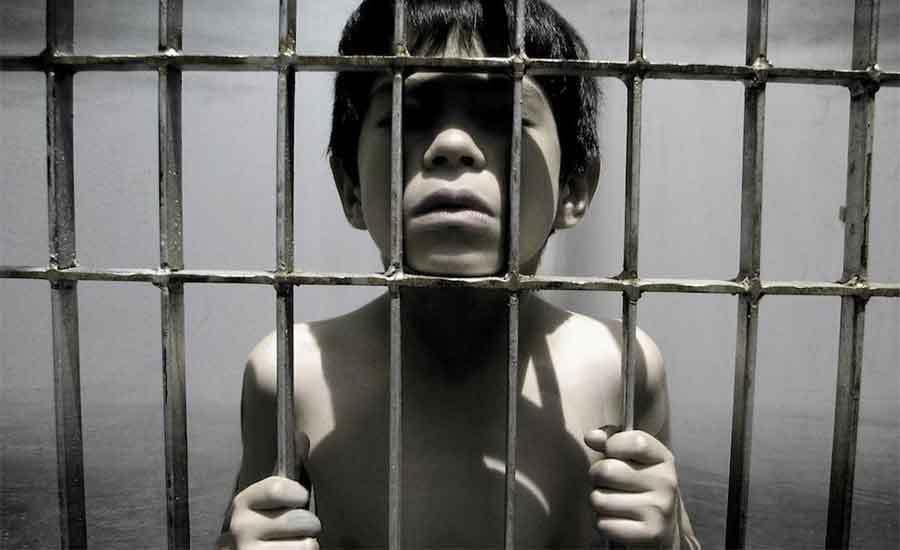
By Vasudev Singh and Karan Trehan, students of law in India at RML National Law University and NALSAR University of Law, respectively.  A recent revelation by the Government of India concerns the condition of children residing in prisons with their mothers and raises an important question regarding the basic human rights guaranteed to these children. As of 2015, Indian prisons accommodate some 419,623 prisoners (including pre-trial detainees/remand prisoners). Out of them, 4.3 percent— or around 18,000— are women. Women who face trial or who are found guilty of a crime are allowed to keep their children with them during their time in jail. Approximately 1,866 children lived in prison with their mothers at the end of 2015, according to prison statistics.  According to the Indian constitution, the state governments are assigned to the administration and management of prisons. This means that the state governments can make prison laws according to their own discretion and requirements. However, these state powers remain subject to other centrally-enacted laws such as the Prisons Act, 1894. As a result,...
Read More
Lives in Limbo: Immigration as a Human Rights Issue

Lives in Limbo: Immigration as a Human Rights Issue

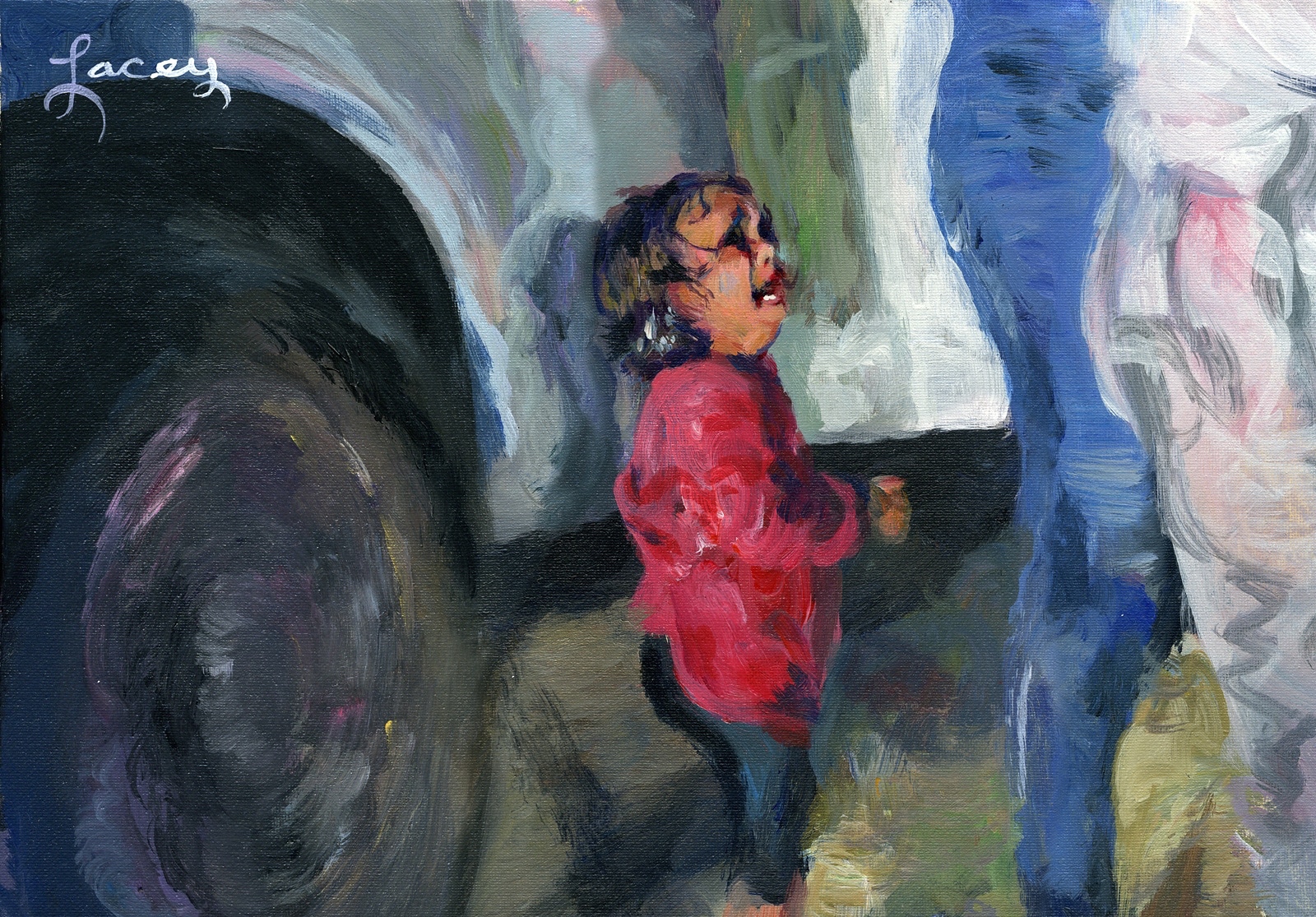
"Trump Zero Tolerance," artwork by Dan Lacey // Flickr By Jalileh Garcia, a blog writer for RightsViews and an undergraduate student at Columbia University  In late June, the event “Lives in Limbo: Immigration as a Human Rights Issue” took place in Cambridge, Massachusetts. The event was a direct response to the current administration’s immigration policies, which were highlighted by the recent and highly controversial separation of children from their parents. In the last couple of months, photographs and voice recordings of children crying “Mami” and “Papa” have overtaken the web. The children, predominantly from Central American countries, some as young as 18 months old, have become the focal point of the Trump administration’s “zero-tolerance” policy. Courts set a deadline for July 26 to reunite the children with their families, but the government has stated that hundreds of families were ineligible to be united. In total, 711 children remain in custody, according to the latest tally from the government. Furthermore, many of the children who have...
Read More
Ensuring Healthcare in India by Going Beyond Politics

Ensuring Healthcare in India by Going Beyond Politics

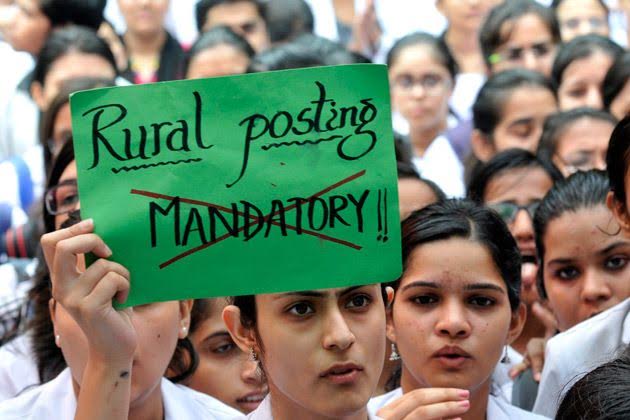
By Ananye Krishna, a student at Nalsar University of Law, Hyderabad, India The government of India launched the Ayushman Bharat - National Health Protection Mission in late March 2018 to provide health coverage of Rs. 5 Lakh (or approximately $7,335) per year for all Indian families. This was a much needed reform measure in the Indian healthcare system, but the question remains whether the government made required infrastructural changes in order to ensure the full benefits that would allow the Indian people to access their fundamental human rights to healthcare. The poor state of healthcare in India was illustrated last year when more than 60 children died in a government hospital because of inadequate infrastructure. This was not an isolated incident. There have been cases of fires breaking out in hospitals and of surgeries being conducted en masse under extremely poor conditions. Such incidents demonstrate that the right to health as guaranteed by the Indian constitution is being violated through lack of adequate reform. Reports suggest that...
Read More
Death Penalty for Child Rapists in India: Populist, Hasty, Counterproductive

Death Penalty for Child Rapists in India: Populist, Hasty, Counterproductive

by Shardool Kulkarni, a law student at the University of Mumbai This January, an eight-year-old girl hailing from a minority shepherding family in India was abducted, gang raped and brutally murdered in the Kathua region of Jammu and Kashmir. In the subsequent months, the incident generated polarized reactions in India and around the world, with public outcry juxtaposed against the response from individuals in authority and alleged politicization of rape owing to the victim’s minority status. The ensuing public discourse has placed the ruling dispensation headed by Prime Minister Narendra Modi under intense scrutiny, particularly in relation to the government's stance and policies regarding child rape. In April 2018, the Criminal Law Amendment Ordinance, 2018 was promulgated. The said ordinance brought in several changes to the existing legal framework pertaining to child rape in India, the most significant being the imposition of the death penalty as punishment for rape of a girl below the age of twelve years. The move, while hailed by...
Read More
A Way Forward? Climate Change, Immigration, and International Law

A Way Forward? Climate Change, Immigration, and International Law

“Climate refugees” will be the new face of immigration. Why isn’t international law prepared? This story is Part II of a two-part series on climate change, immigration and international law. By Genevieve Zingg, editor of RightsViews and an M.A. student in Human Rights Studies at Columbia University A potential solution to the looming issue of climate migration has recently been put forward by a commission of academic and policy experts who spent the last two years developing the Model International Mobility Convention. The proposed framework establishes the minimum rights afforded to all people who cross state borders, with special rights afforded to forced migrants, refugees, migrant victims of trafficking and migrants stranded in crisis situations. A Way Forward? Advancing the International Mobility Convention The Mobility Convention broadens the scope of international protection by recognizing what it terms “forced migrants.” Climate migrants lacking legal grounds for asylum under the 1951 Convention would qualify for protection under the forced migrant definition it advances. “We were looking...
Read More
When the Wave Comes: Climate Change, Immigration, and International Law

When the Wave Comes: Climate Change, Immigration, and International Law

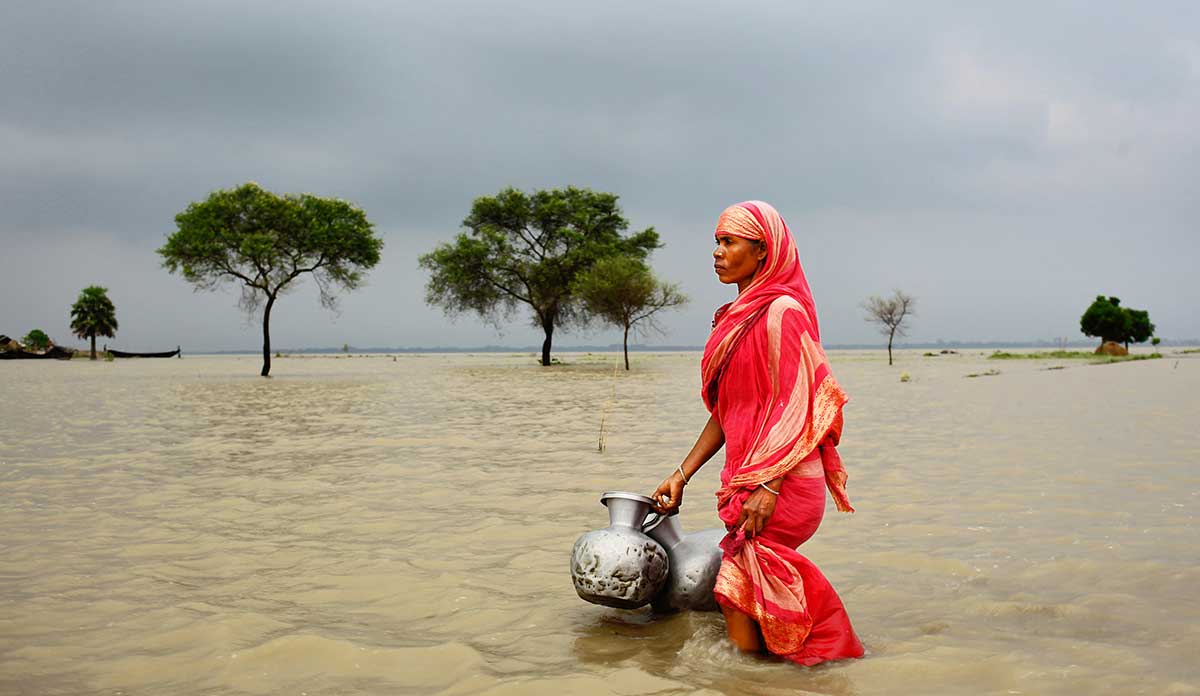
“Climate refugees” will be the new face of immigration. Why isn’t international law prepared? This story is Part I of a two-part series on climate change, immigration and international law. By Genevieve Zingg, editor of RightsViews and an M.A. student in Human Rights Studies at Columbia University “Climate refugees”— broadly defined as people displaced across borders because of the sudden or long-term effects of climate change—are not a future phenomenon. Climate migration is already happening in a growing number of countries around the world: the Internal Displacement Monitoring Centre estimates that the impact and threat of climate-related hazards displaced an average of 21.5 million people annually between 2008 and 2015. In 2016 alone, climate and weather-related disasters displaced some 23.5 million people. Floods, droughts and storms are the primary causes of climate-related displacement. In the coming decades, severe droughts are expected to plague northern Mexico, with some studies predicting up to 6.7 million people migrating to the U.S. by 2080 as a result. High-intensity...
Read More
Columbia’s First-Ever Indigenous Mother Tongues Book Fair

Columbia’s First-Ever Indigenous Mother Tongues Book Fair

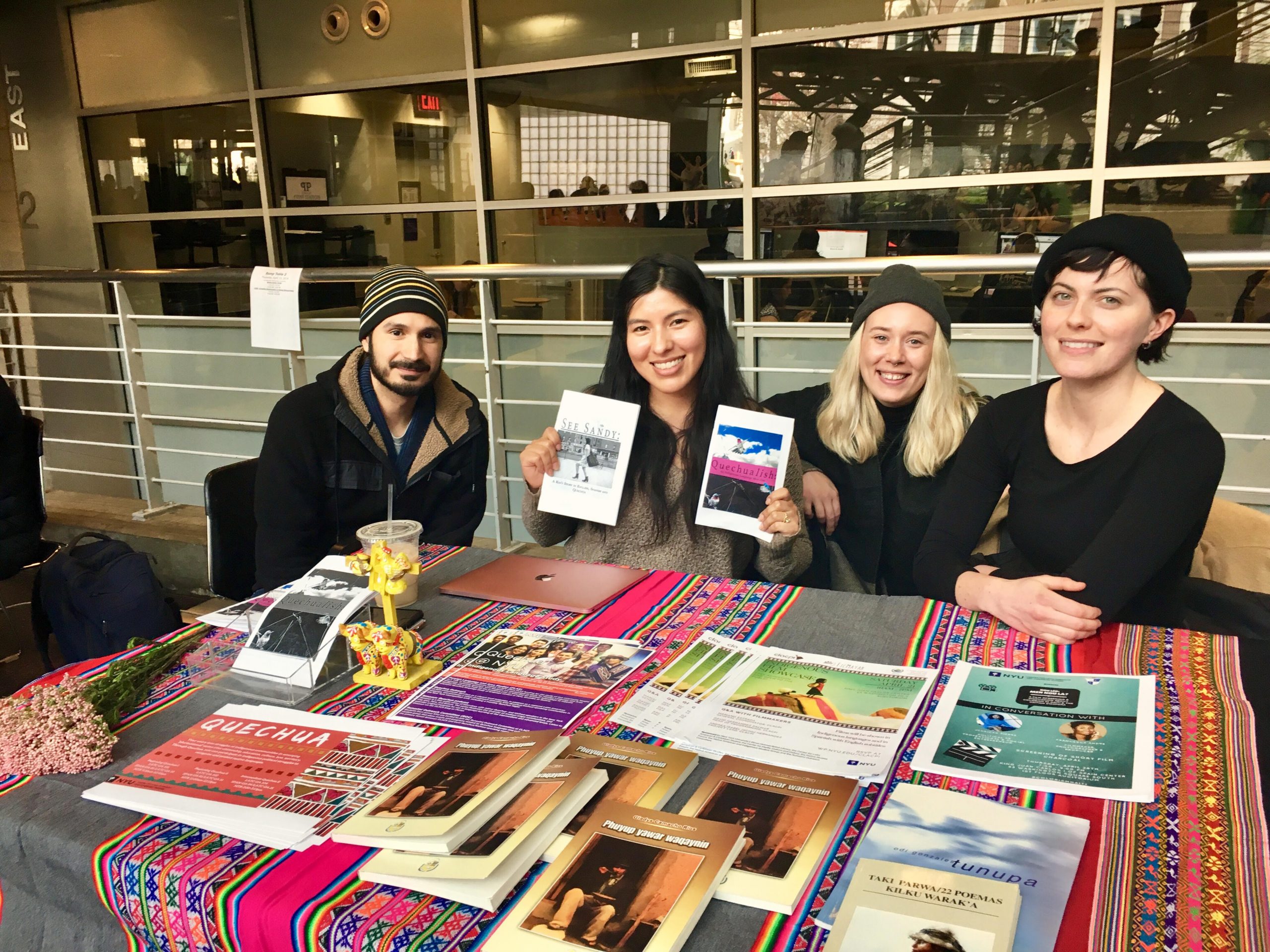
by Marial Quezada, an Indigenous ally and a 2018 graduate of the Human Rights Studies program at Columbia University In late April, the first-ever Mother Tongues Book Fair took place at Columbia University, organized by the Runasimi Outreach Committee at New York University and the New York-based Movimientos Indigenas Asociados in collaboration with the Institute for the Study of Human Rights and the Columbia Human Rights Graduate Group. Coinciding with the United Nations Permanent Forum on Indigenous Issues 2018, the fair celebrated written works in Indigenous mother tongues from various communities and geographic regions.  Languages represented at the fair included Amharic, Arikara, Crow, Hidatsa, Lakota, Mandan, Maya Mam, Mixteco, Nahuatl, Omaha-Ponca, Quechua, Tsou, and Zapoteca. Authors along with publishers displayed and sold a variety of mother tongue works including trilingual and bilingual children’s books, poetry anthologies, novels, zines, dictionaries, CDs, and more. The fair's goal was to raise awareness of Indigenous mother tongues and works as well as to connect authors and publishers with each other and the...
Read More