JUST Arts Lab Launching this Summer

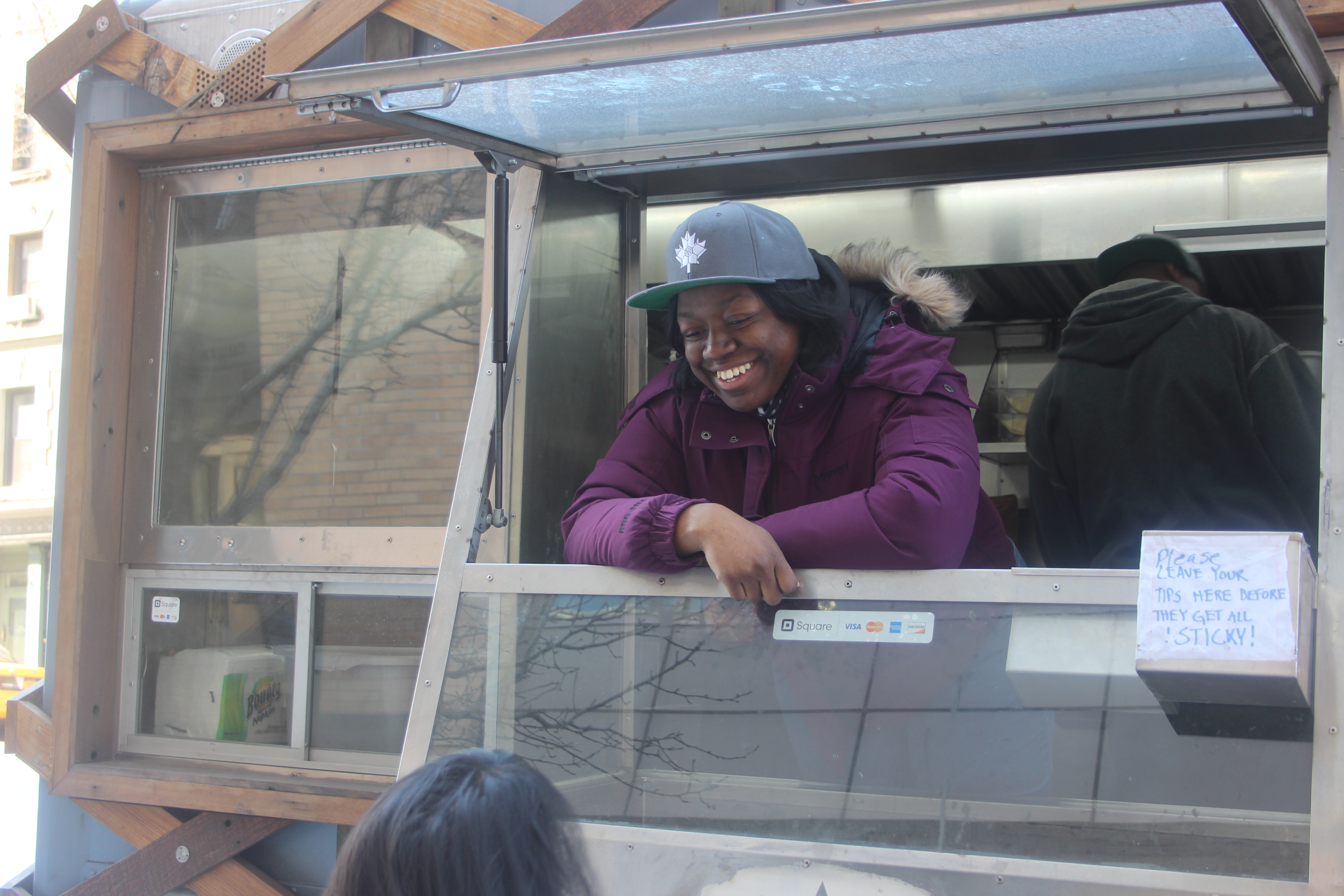
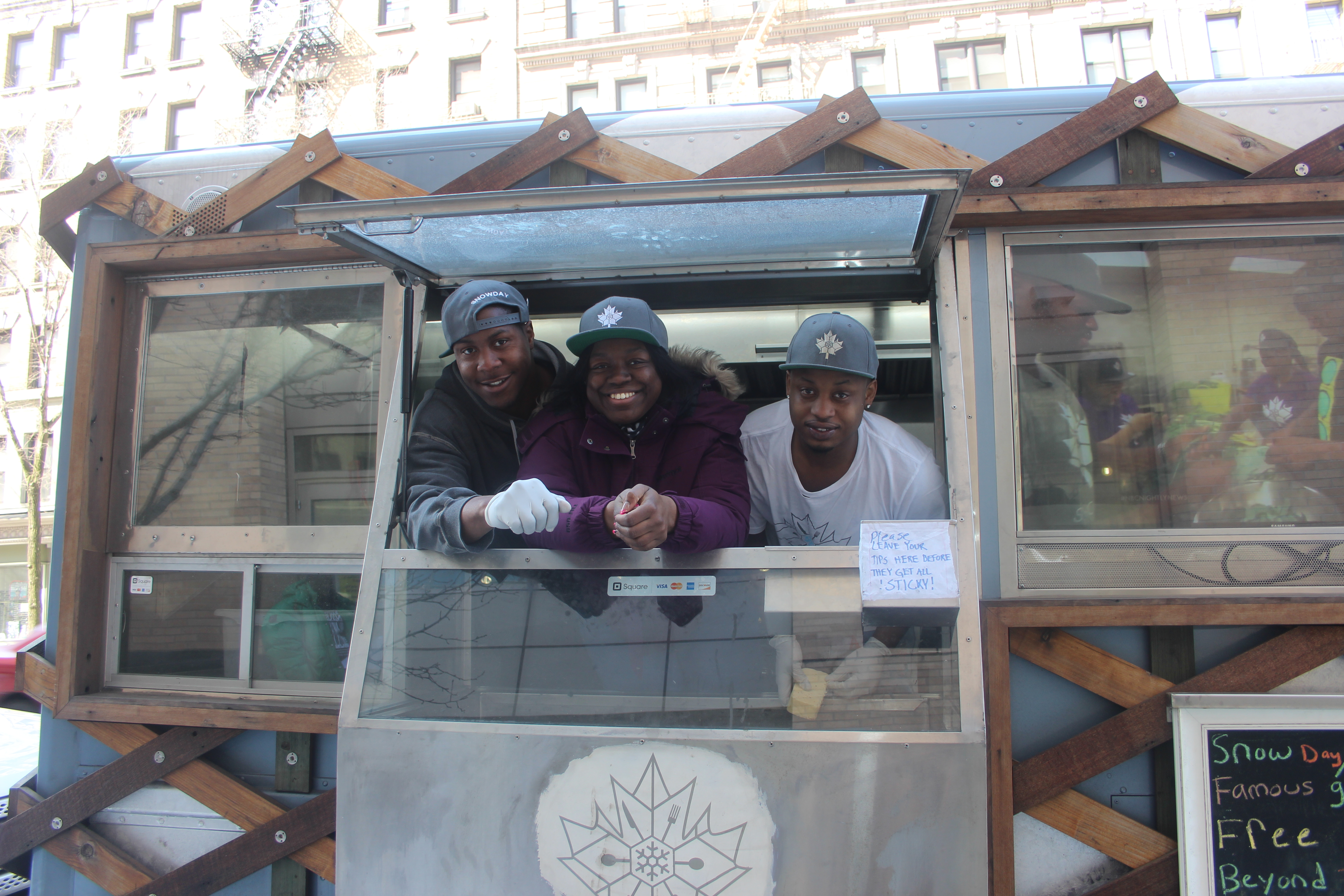
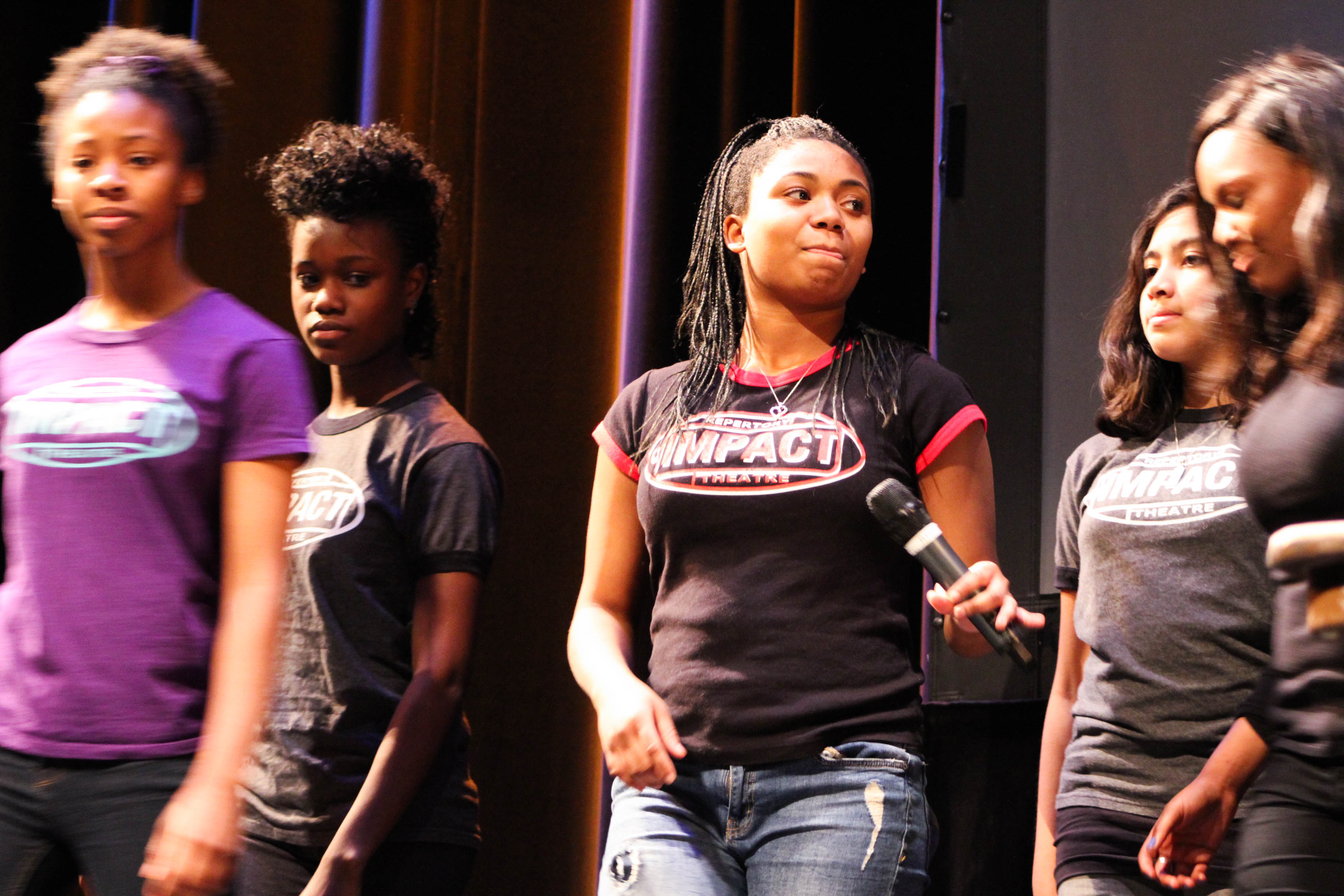
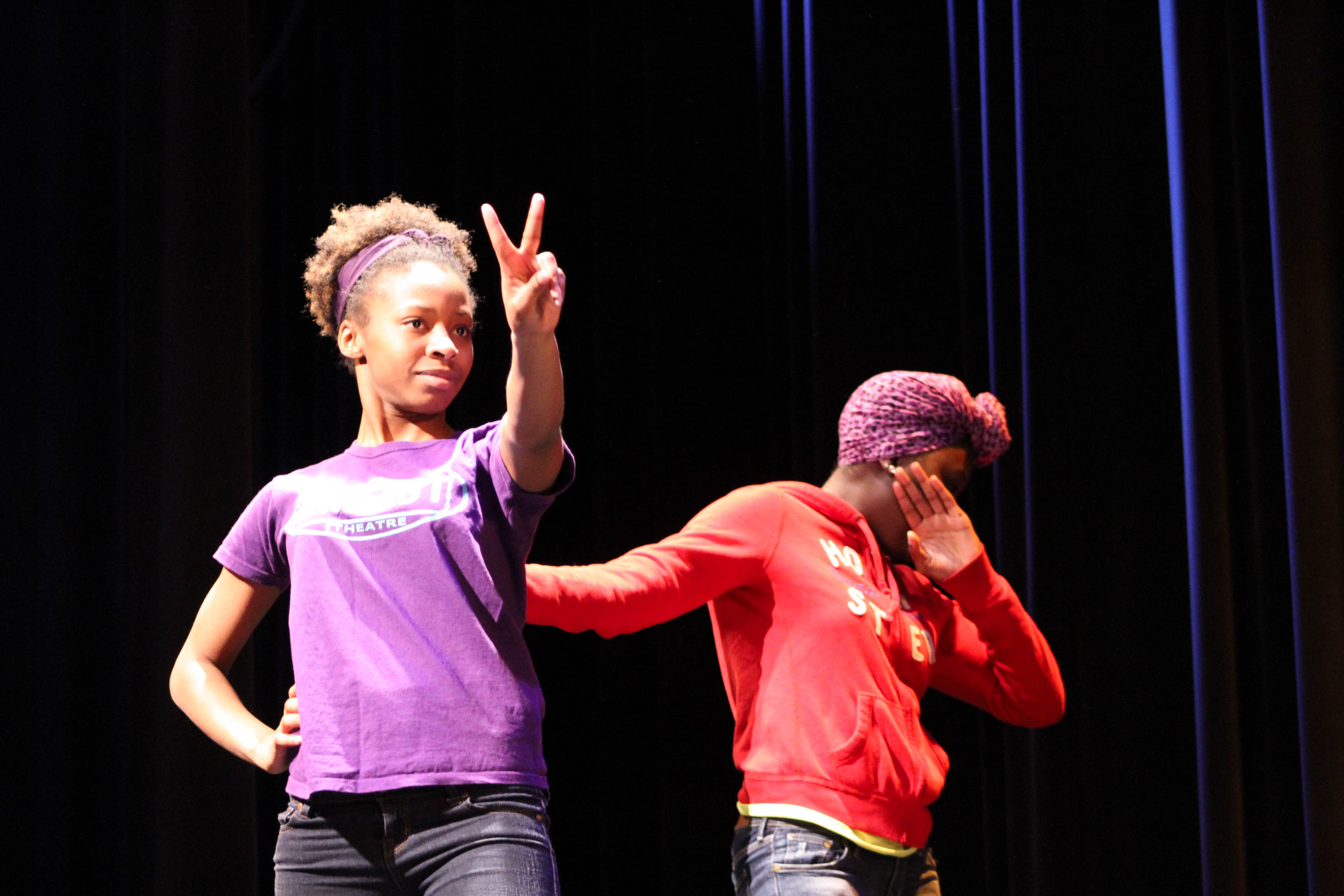
The Just Arts Lab is Launching this summer and we are currently looking for participants and peer mentors.

Systems of policing, mass incarceration of youth, and the school to prison pipeline are social justice issues that directly affect young people of New York City.  Amidst public agreement that the criminal justice system is broken and political cacophony about the path to reform, the young people  who are most at risk of falling through the cracks and possess the most insight into them are often not heard nor acknowledged.

In the Justice Storytelling + Arts Lab we will explore:
1. Self-representation through visual arts and written narratives.
2. Embodied narratives and shared spaces: dance and theatre
3. Digital media/videography
4. Systems and stories of local communities: radio

The project will culminate in a final performance and showcase in early September where students can communicate to an audience of friends, family, and members from the Columbia and West Harlem community the stories that they have spent a month developing. Students will receive a certificate of completion from Columbia University.

Applications for Participants are Being Accepted Now 
The JUST Arts Lab is looking for 16­-21 year olds in or around the Harlem area who are
passionate about exploring justice issues through writing, performing arts and digital media. Prior experience is not necessary, just a commitment to social change. The Lab will take place June 29­ – August 28, modest stipends will be provided.Please submit your application by May 21st.
Participants can apply by clicking HERE.
Applications for Peer Mentors  are Being Accepted Now 
The JUST Arts Lab is looking for 21­-24 year old peer mentors in or around the Harlem area who are passionate about exploring justice issues through writing, performing arts and digital media. Prior experience is not necessary, just a commitment to social change.

Mentors should expect:
  • To be a source of support for other participants
  • Feel comfortable communicating with both participants and organizers
  • Serve as group leaders/faciliators

The Lab will take place June 29­- August 28, modest stipends will be provided. Please submit your application by May 21st.

Peer Mentors can apply by clicking HERE.

Contact Us: [email protected]
Apply by: May 21st


Chun Rosenkranz, CSSW ’15, publishes article in the Guardian about sentencing disparities

Chun Rosenkranz, CSSW ’15 wrote a piece in the Guardian this week, detailing his experience with sentencing disparities that ended in his friend’s death in police custody. 

Eight years ago, Rosenkranz and his childhood friend, Hanuman, were both convicted of multiple felonies. Under Florida’s Criminal Punishment Code, Rosenkranz’s offenses totaled 203 points, while his friend’s points totaled 115. While Rosenkranz was never sentenced to prison despite his more serious charges, and despite the fact that Hanuman was eligible for youthful offender status, he was sentenced to six years in prison and ordered to pay $50 for every day he spent incarcerated. 

“We came from the same socioeconomic background, lived in the same neighborhood and were educated in the same private school,” wrote Rosenkranz. “Our families both hired private defense attorneys. In fact, one would be hard pressed to find a case in which two defendants, with such differing sentencing outcomes, shared as much in common.”

What, then, explains the vast disparity in sentencing? The only factor left, according to Rosenkranz, is race. Hanuman was black. 

“We live in a country whose prevalent narrative is that the criminal justice process is color blind, that we are all equal under the law. The creation of the point system in Florida was touted as a way to enforce that narrative. Yet the truth is, regardless of what we have been told, the color of our skin affects almost every aspect of how we experience citizenship… Hanuman’s story is not an anecdotal aberration. Numerous reports have shown that, at every stage of the criminal justice process – from stops and searches to plea bargaining and sentencing – African Americans are treated far more harshly than whites… As white Americans, we often look the other way, simply because we benefit from this system,” wrote Rosenkranz. 

This year, Hanuman died while in prison custody. 

“The cause of his death is still being investigated, but we know he died shackled to a bench in the back of a prison van,” wrote Rosenkranz. “He was 21 years old. Hanuman’s experience with the criminal justice system and ultimately his death, could easily have been my fate, were it not for the color of my skin.”

Rosenkranz’s article has attracted considerable attention, including from Michelle Alexander, author the The New Jim Crow, who shared Rosenkranz’s article on via her Facebook page, adding “Rarely do we hear from white people this kind of honesty about how much they benefit from their racial privilege. This young white man bravely and honestly admits that his best friend received far harsher punishment than he did – even though his friend committed lesser crimes – and that the only explanation is race.  In fact, because of race, he is alive and his best friend is dead… Thank you, Chun, for speaking the truth. I am so sorry for the loss of Hanuman.”

Click here to view the full article. 

Beyond the Bars 2015 Recap

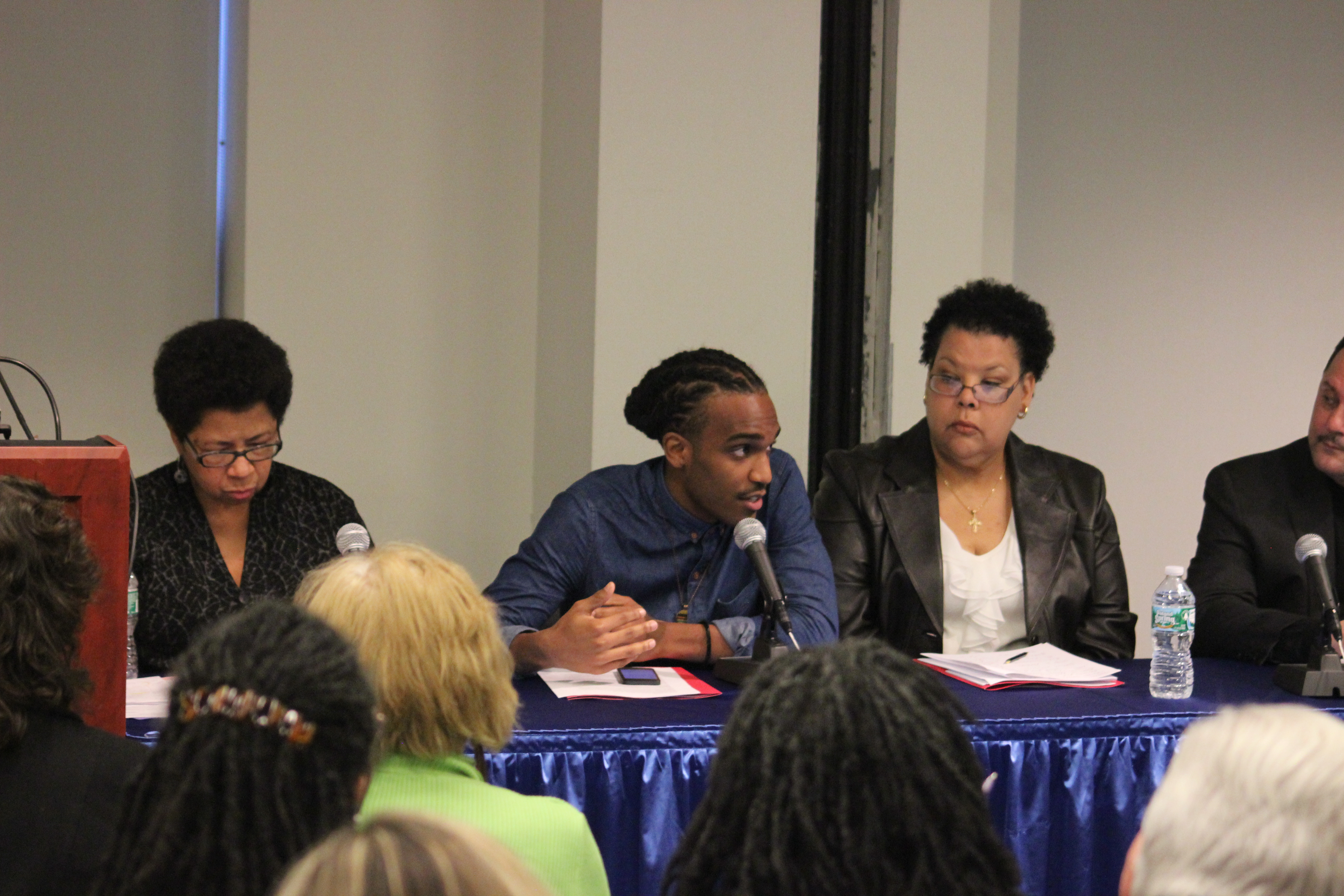
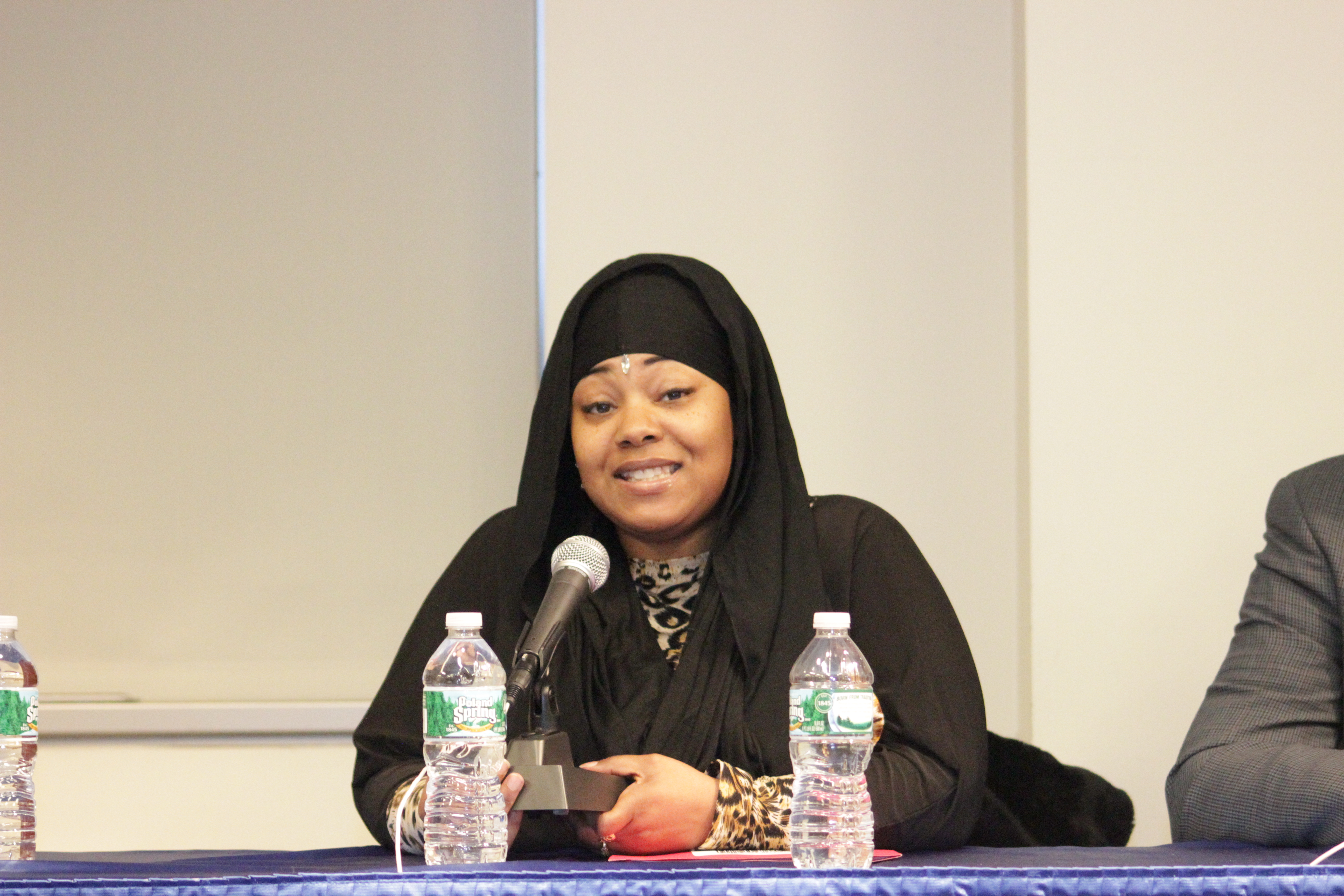
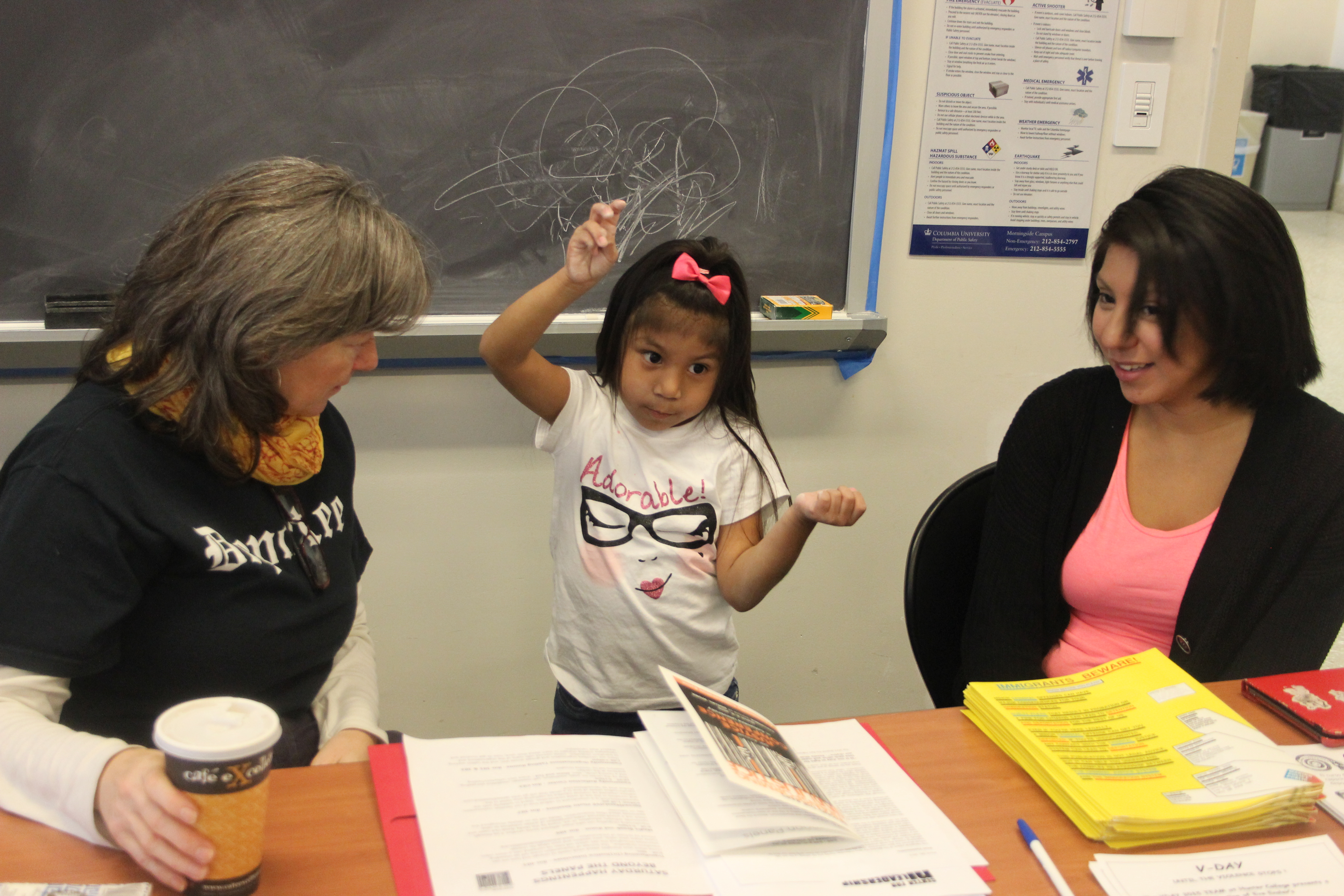
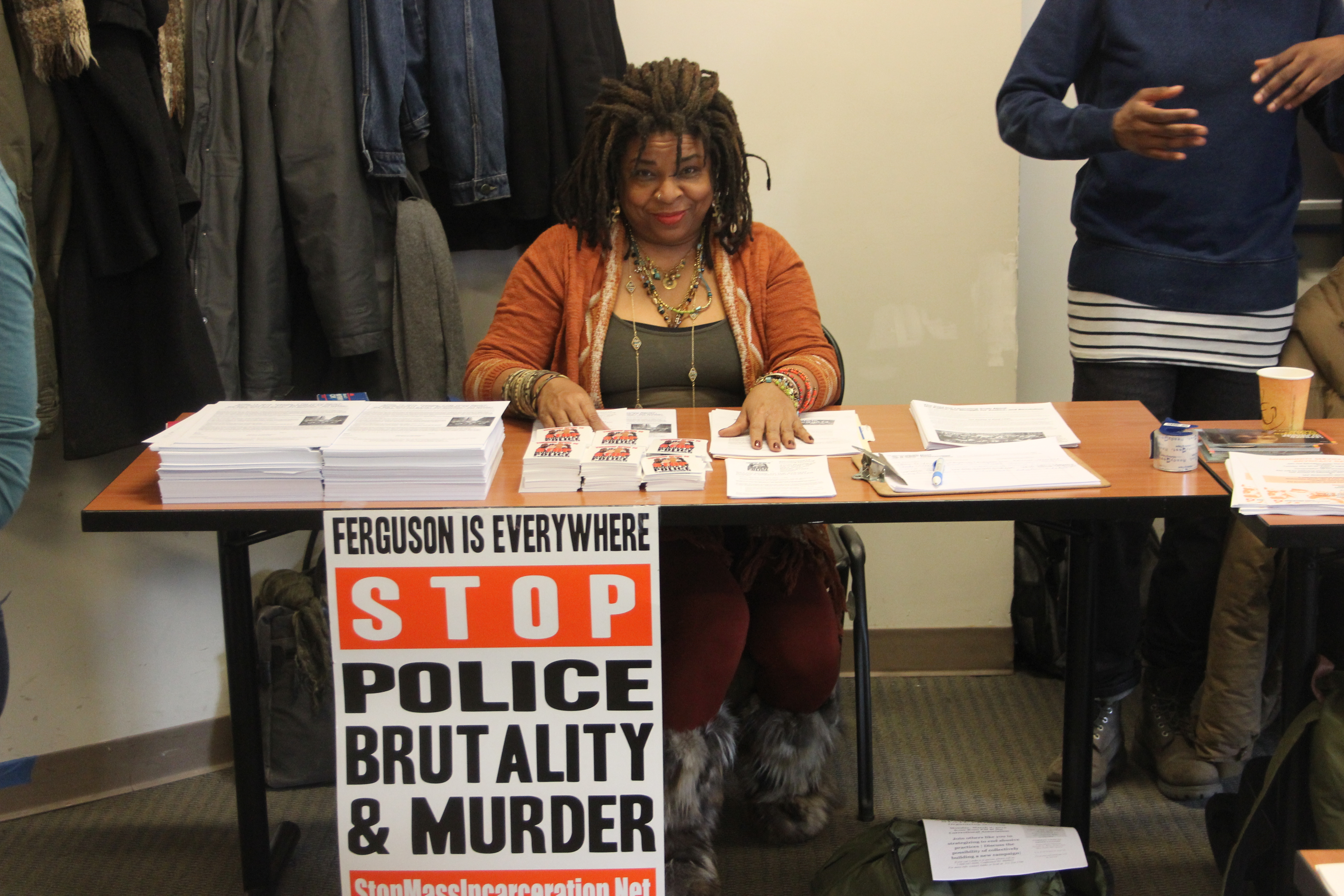
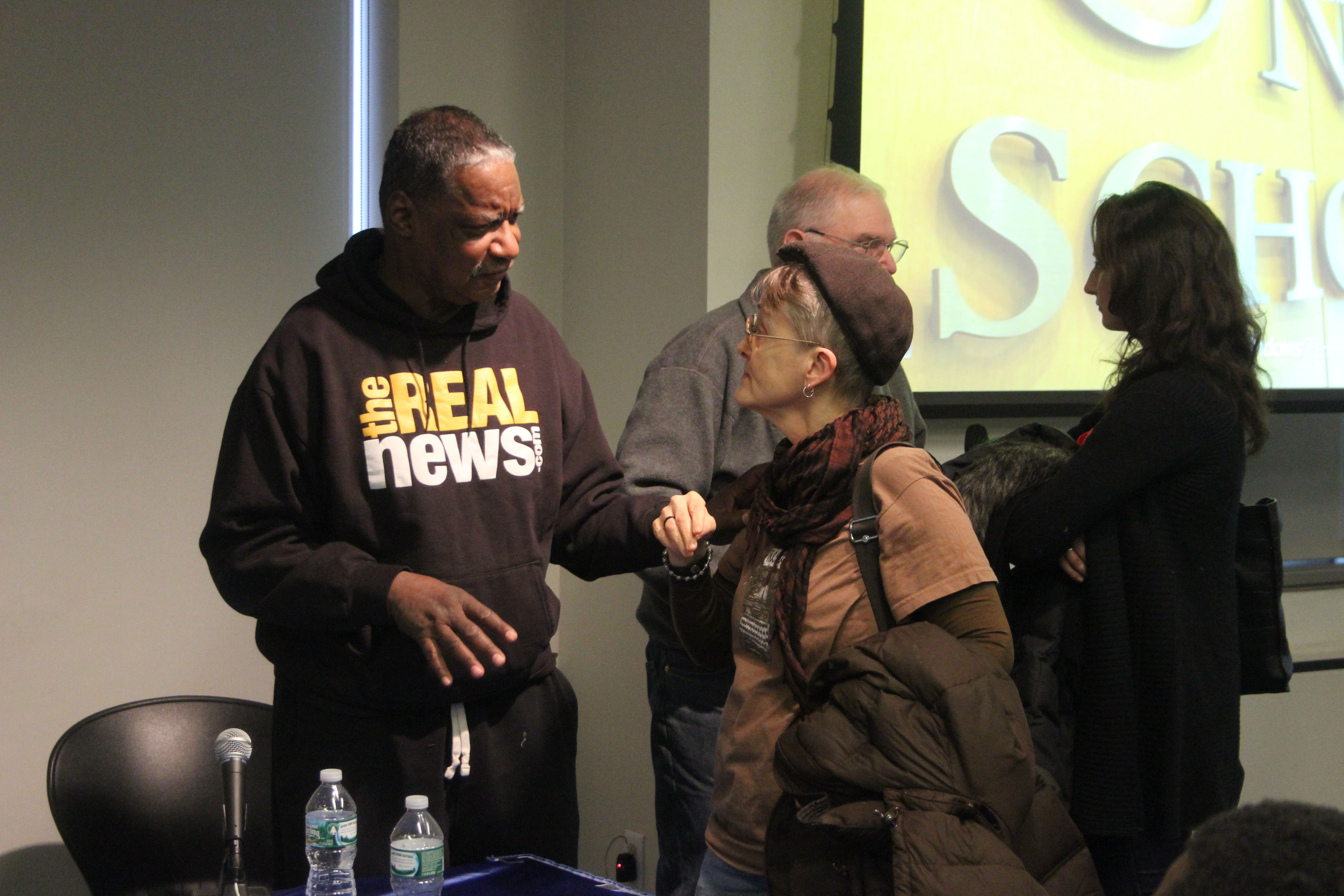
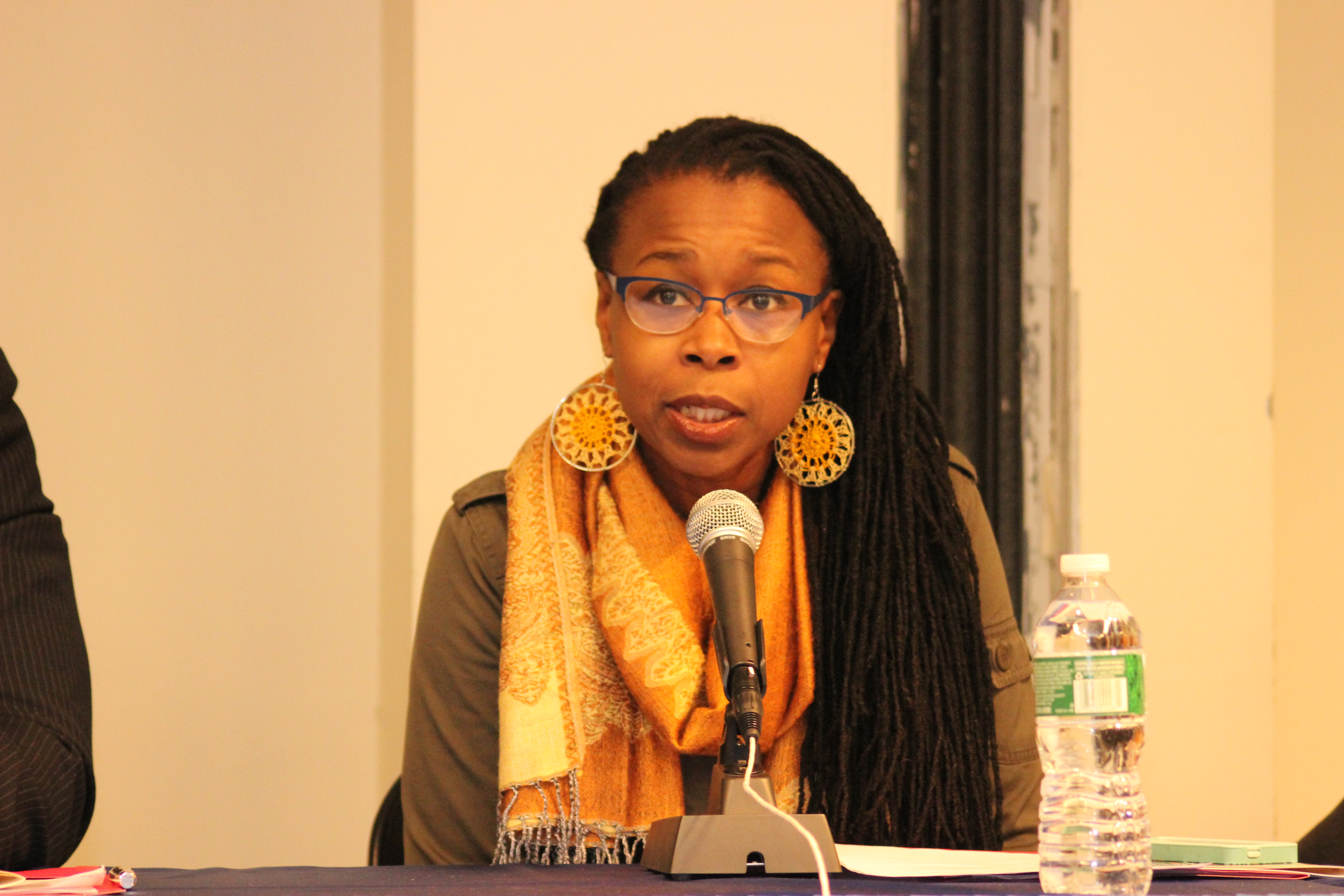
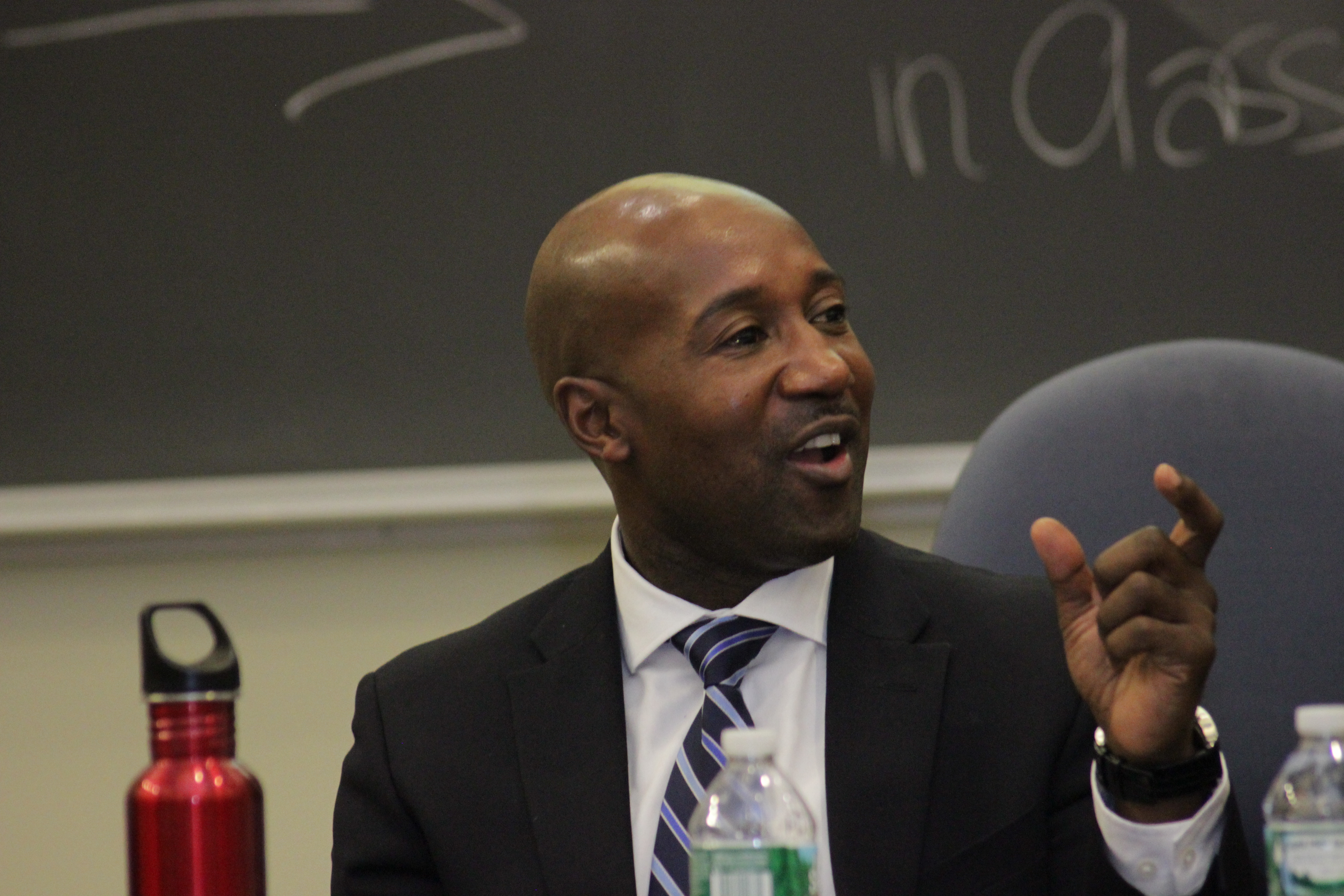
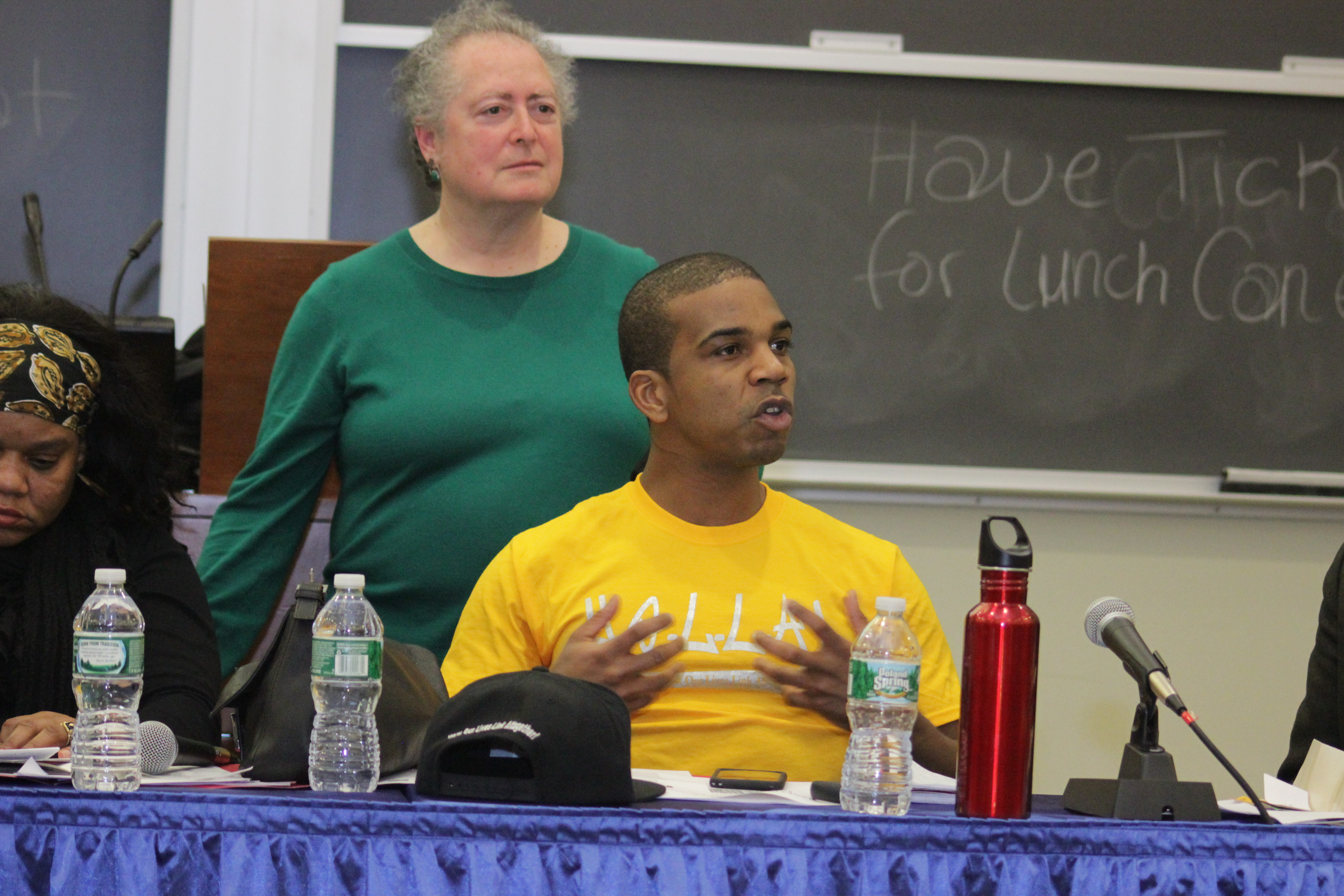
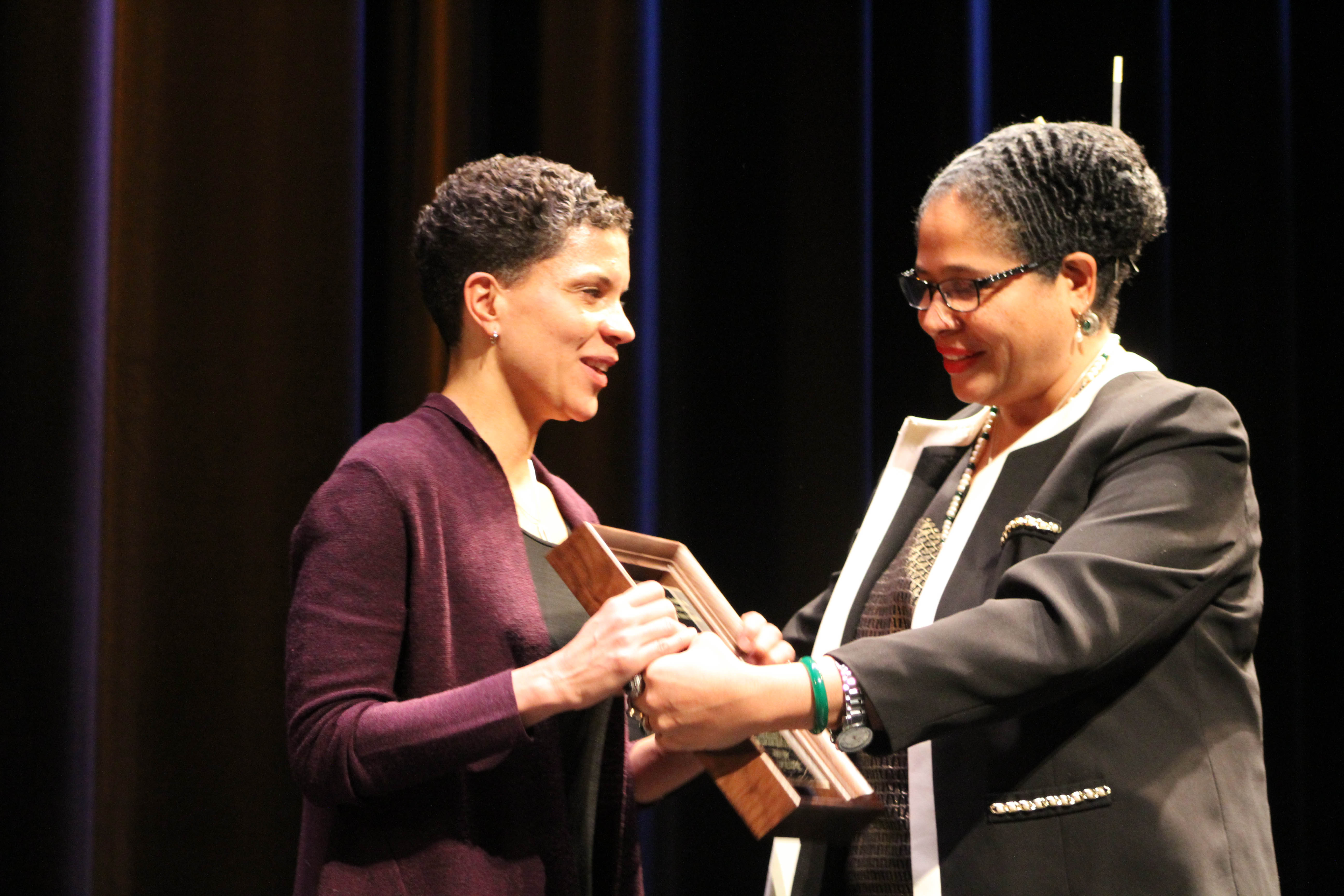
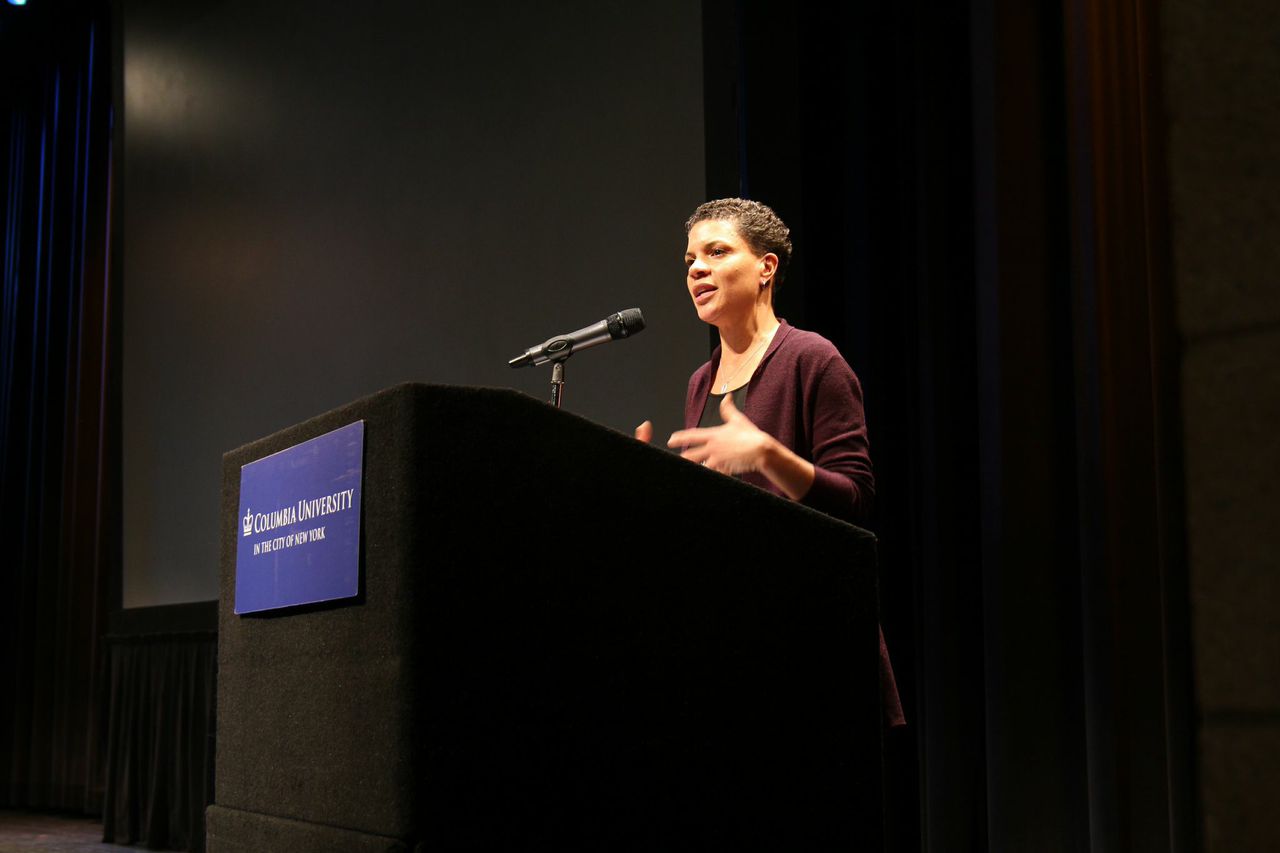
The 2015 Beyond the Bars conference was a powerful weekend that brought together people from different spaces and places to think critically about issues across the carceral continuum and discuss ways to work towards lasting, transformative justice. Kicked off by Michelle Alexander on Friday night, the conference included panels, performances and workshops that facilitated progress-driven conversations between people from diverse fields, backgrounds and perspectives about how we can address the injustices of the criminal justice system.

We continue to be humbled and amazed by the work of all our friends and colleagues and are grateful for your willingness to remain in community as we work towards practicing justice together. We are now in the process of compiling the Beyond the Bars Agenda for change, a brief publication that will bring the ideas, recommendations and calls for change that were voiced at the conference to a larger audience.  We look forward to sharing this with you once its completed later this spring.

The Friday night Kick-Off Event with Michelle Alexander and four of the Saturday panels were filmed and livestreamed and can be VIEWED HERE. In addition you also find the programs for Friday Night Program, and Saturday and Sunday Program.

We have compiled a list of organizations and other resources that were present in some way through out the weekend.  The list can be accessed by clicking List of Organizations at BTB 2015.

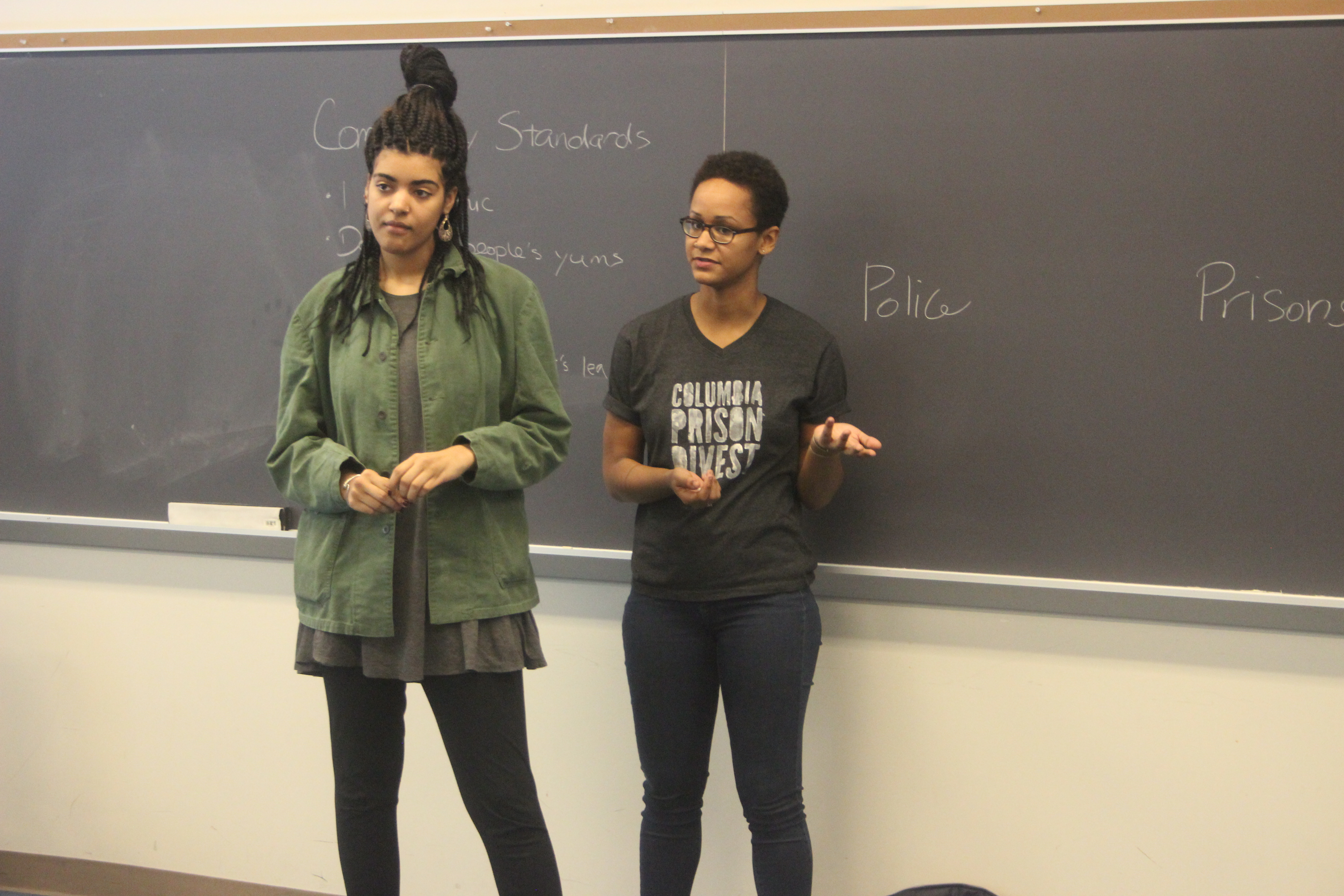
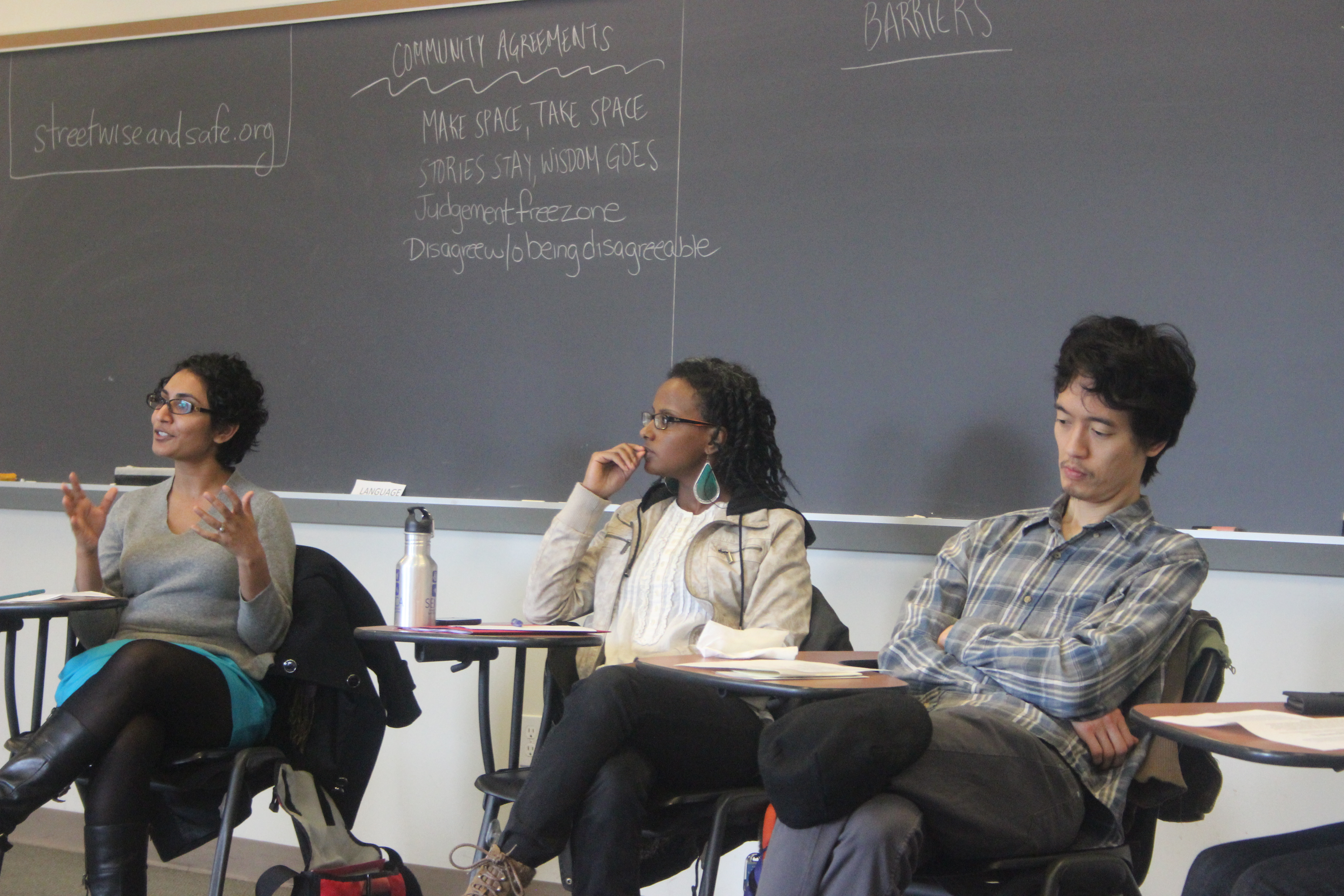
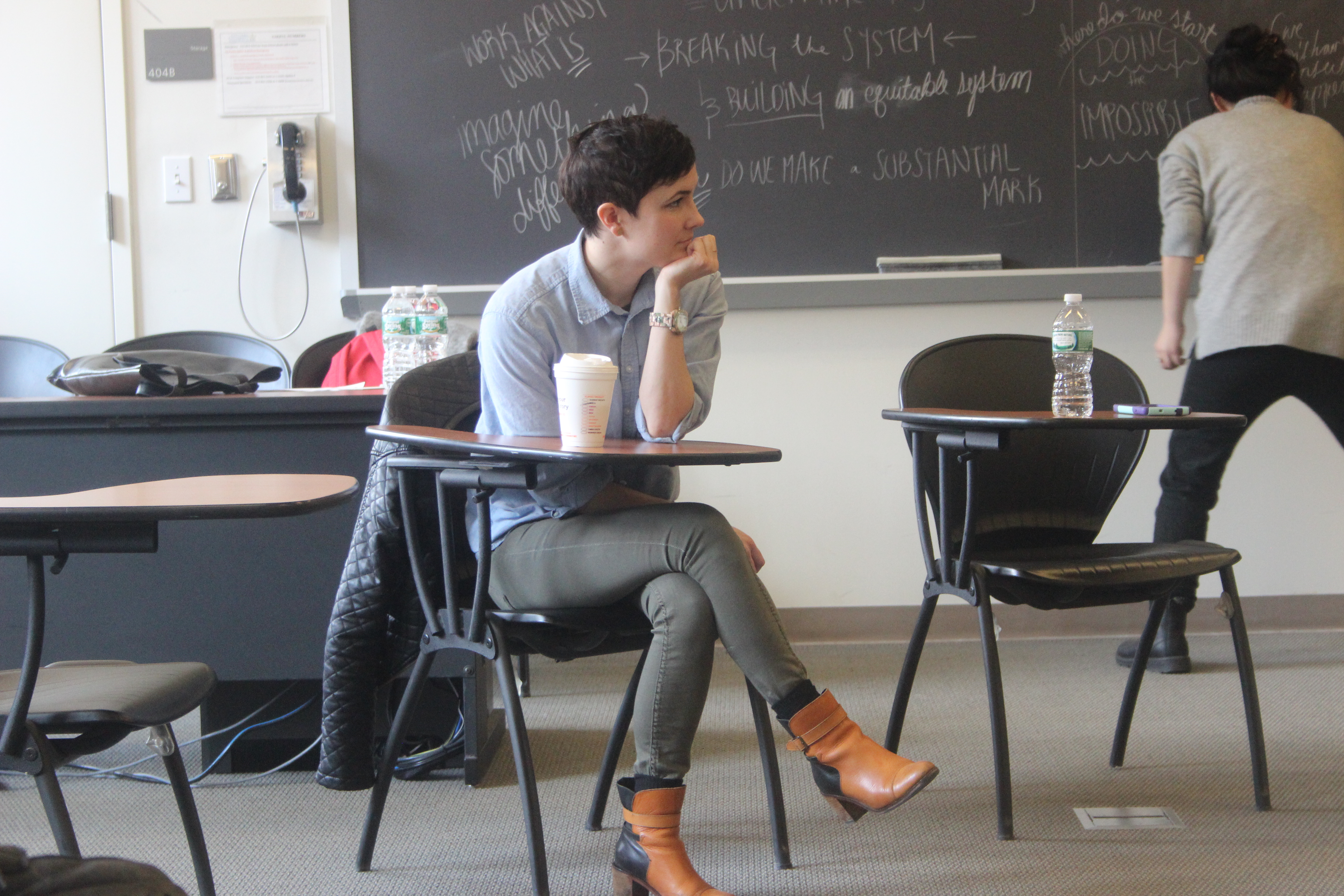
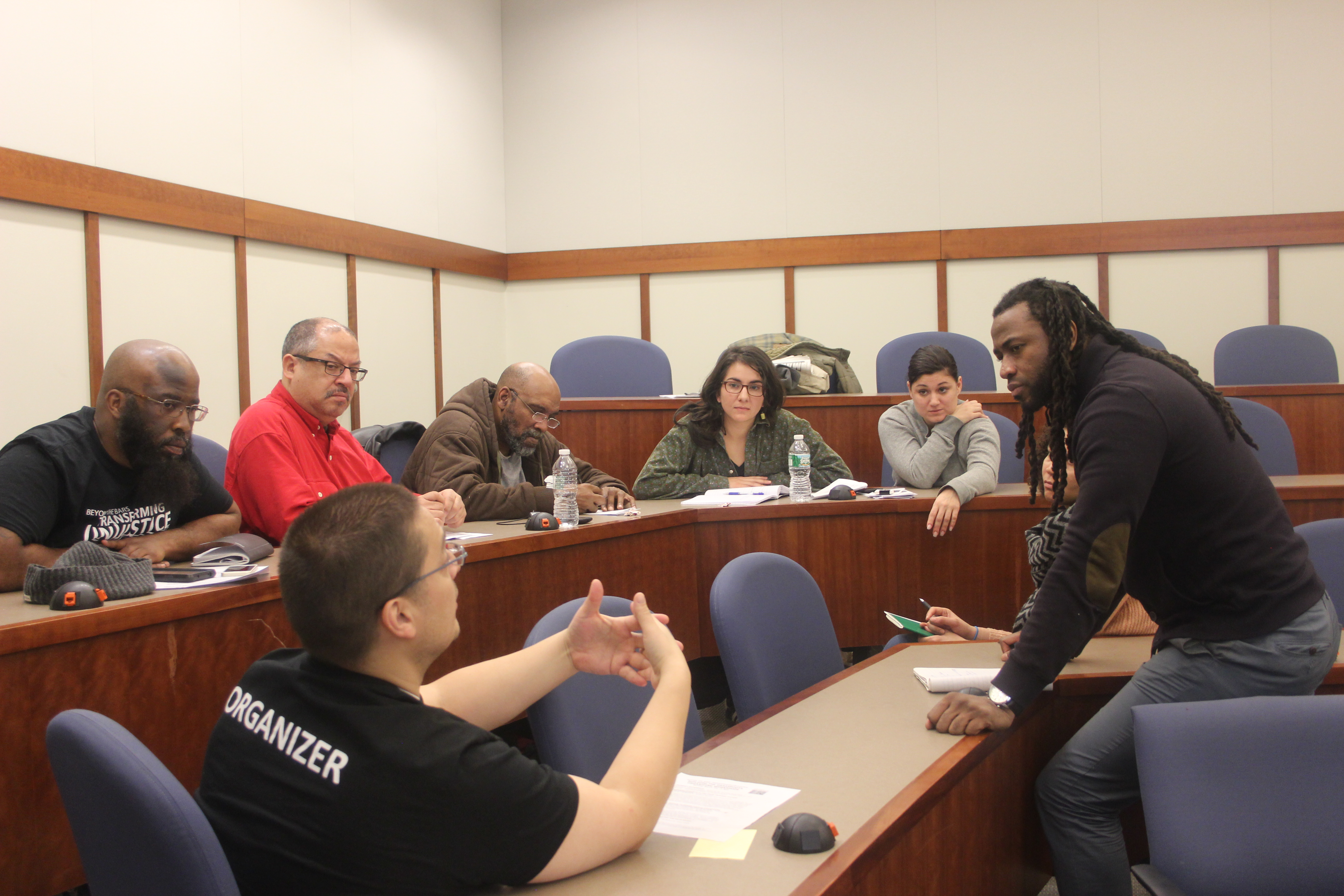
IMG_0782IMG_0099 IMG_0107 IMG_0142 IMG_0183 IMG_0277 IMG_0278 IMG_0283 IMG_0326 IMG_0352 IMG_0358 IMG_0376 IMG_0407 IMG_0474 IMG_0489 IMG_0531 IMG_0542 IMG_0670 IMG_0711 IMG_0725 IMG_0773 IMG_0774 IMG_0782 IMG_0807 IMG_7376 IMG_7383 IMG_7445 IMG_7895 IMG_9907


Beyond the Bars Resources

mdGqLZiUoBu7jxOKVdd3HPQ-VydB0uHkqHM0OyH1m8k

We want to first thank everyone who made the 5th annual Beyond the Bars Conference the powerful weekend that it was. Thank you to Michelle Alexander and those who helped kick off the conference on Friday night. Thank you to the more than 80 speakers who brought their voices and experiences to the Saturday panels. Thank you to those who led organizing workshops on Sunday and thank you to the more than 1600 people who attended the conference over the three days.  Finally, thank you to all continue to work towards a more just and equitable society.

In our efforts to maximize the impact of this year’s conference we have several things we would like to share with all of you.

Conference Evaluation

We know that any event like this has its strengths and its challenges and we would love your feedback.  Please take a few moments to complete this evaluation so we can know more what worked well and what can be improved upon.  To complete the evaluation CLICK HERE.

Center for Justice Events Mailer

The Center for Justice at Columbia University hosts many public programs throughout the year as well as maintains a calendar with a variety of justice related community events.  To receive email updates from the Center for Justice you can SIGN UP HERE.

Conference Videos and Programs

The Friday night Kick-Off Event with Michelle Alexander and four of the Saturday panels were filmed and livestreamed and can be VIEWED HERE. In addition you also find the programs for Friday Friday Night Program, and Saturday and Sunday Saturday and Sunday Program

Resources

We have compiled a list of organizations and other resources that were present in some way through out the weekend.  The list can be accessed by clicking List of Organizations at BTB 2015.

The Beyond the Bars Agenda for Change

We are now in the process of compiling the Beyond the Bars Agenda for change, a brief publication that will bring the ideas, recommendations and calls for change that were voiced at the conference to a larger audience.  We look forward to sharing this with you once its completed later this spring.


Prof. Christia Mercer contributes to Washington Post op-ed about Justice-in-Education Initiative

In a recent op-ed in the Washington Post, Columbia Professor of Philosophy Christia Mercer relates her experience volunteering as a teacher in a women’s prison, highlighting the need for prison education programs in the country with the highest number of incarcerated people in the world.

Professor Mercer’s class is the first course offered as part of the newly established Justice-in-Education Initiative, a collaborative project by the Center for Justice and Heyman Center for the Humanities at Columbia University to provide education to incarcerated and formerly incarcerated persons and to integrate more fully the study of justice into Columbia’s curriculum.

The Justice-in-Education Initiative, sponsored by the Andrew W. Mellon Foundation, will offer courses, taught by Columbia instructors, in local prisons and provide those who have come home from prison with the opportunity to continue their education at Columbia and its partner institutions, drawing on the support of community organizations.

In the coming months, the number of courses taught in local prisons by Columbia faculty will grow. The project has already expanded to include a program at Rikers jail, where four-week courses are being offered on topics and approaches that are likely to stimulate and engage the interest of young people, such as a module utilizing hip-hop to address issues of justice.

In addition to offering college-level courses to people who are in prison, the Initiative will also offer high-quality humanities education to those who have come home from prison or are otherwise court-involved. Beginning this summer, the Heyman Center Public Humanities Initiative, in partnership with Columbia’s English Department, will offer a skills-intensive humanities course based on Columbia’s Core curriculum for undergraduates.

The Justice-in-Education Initiative is taking several actions to further integrate justice issues into the curriculum at Columbia, including developing a website with materials that would support discussion of contemporary justice issues and supporting the design of new interdisciplinary courses on justice issues.

As Prof. Mercer highlighted, incarceration rates have risen drastically over the past 30 years, while opportunities for education during incarceration have plummeted. As she explains, these opportunities are especially crucial.

“A National Institute of Justice study has found that 76.6 percent of formerly incarcerated people return to prison within five years of release. According to research by the Rand Institute, recidivism goes down by 43 percent when people are offered education.

Those who leave prison with a college degree are much more likely to gain employment, be role models for their own children (50 percent of incarcerated adults have children), and become active members of their communities.”

The overarching goal of the Justice-in-Education Initiative is to develop new programs and to extend the reach of existing ones in order to offer educational opportunities to a population often excluded from the educational system. It also provides a wonderful teaching opportunity for professors and graduate students at Columbia. Professor Mercer expressed that a scholarly environment in correctional facilities is unique and valuable:

“The [play] “Oresteia” ends with an insecure compromise between forms of justice. Although my Columbia undergrads find this conclusion unsettling, the play’s ambiguity seems just right to my incarcerated students…These women’s intellectual courage and uncanny insight have created a magical space of moral and literary exploration. Despite the oppressive confines of the prison itself, they flourish before my eyes.”

Prof. Mercer argues that America owes it to itself and to incarcerated individuals to make intellectual growth a priority in prison, writing “We must find it in ourselves to educate all Americans.”


Read the full article here.

Beyond the Bars Livestreaming and Conference Programs

VANa2015BTB2

Did you miss Beyond the Bars?

Friday night’s kick off events and several Saturday panels can be livestreamed here BEYOND THE BARS LIVESTREAMING

CONFERENCE Schedule

FRIDAY MARCH 6TH
Friday Night Kickoff Event
7:30-9:30 p.m.
Lerner Hall, Columbia University

Friday’s full program can be viewed here BTB2015-FridayProgram-online

SATURDAY MARCH 7TH
An Agenda for Transformative Change: Morning and Afternoon Panels
10:00 a.m. — 5:15 p.m. Columbia School of Social Work

SUNDAY MARCH 8TH
Building the Grassroots
1:00-4:00 p.m. Columbia School of Social Work

Saturday and Sunday’s full program can be viewed here BTB2015-SatProgram-online 


Registration for Beyond the Bars is LIVE!

beyondthebar2
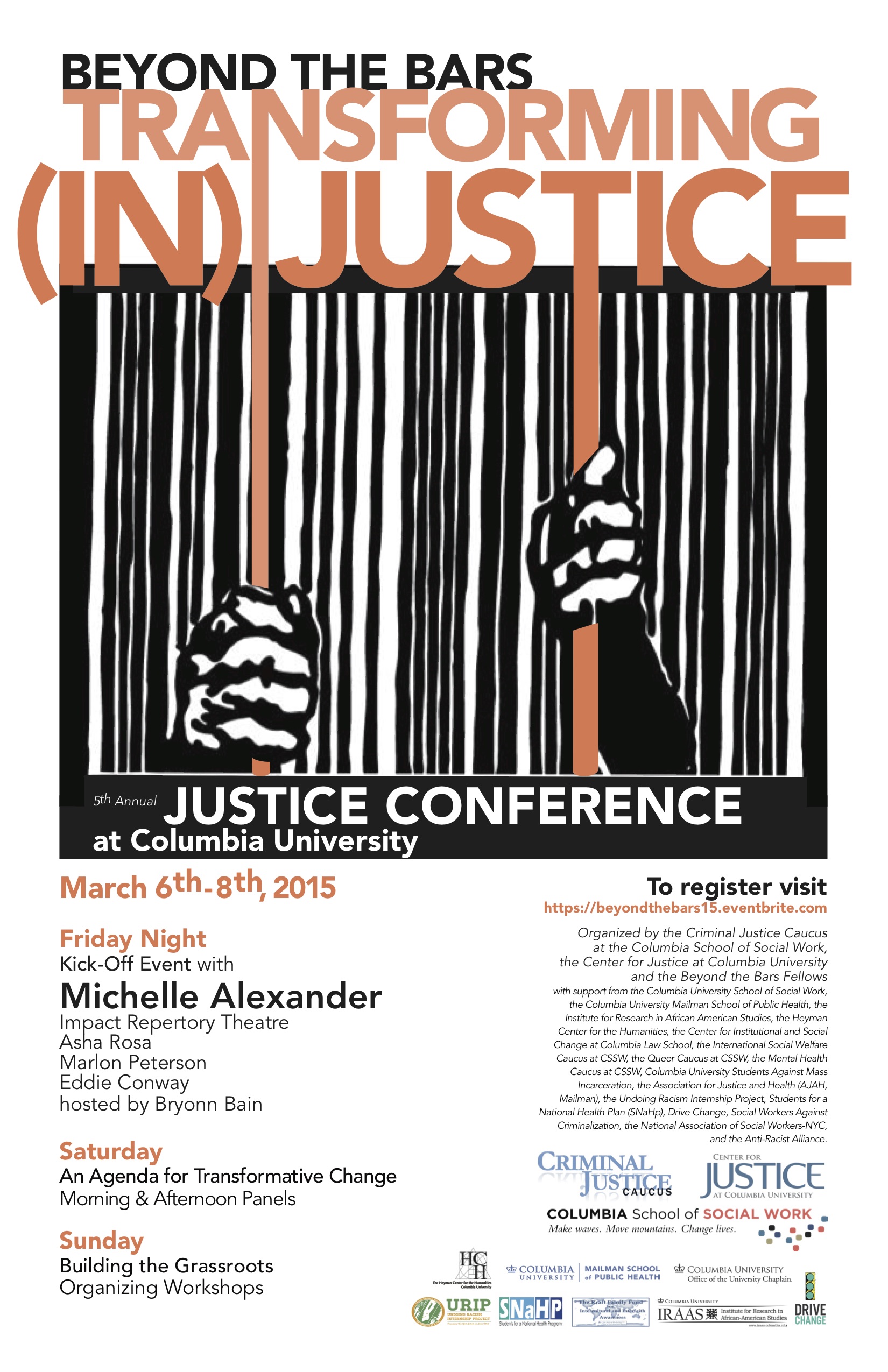
Beyond the Bars: Transforming (In)Justice
March 6th – 8th, 2015 Columbia University
Featuring Michelle Alexander

REGISTRATION IS NOW LIVE

https://beyondthebars15.eventbrite.com

Friday March 6th at Lerner Hall 
Columbia University: Opening Event w. Michelle Alexander 
Saturday March 7th at the Columbia School of Social Work
An Agenda for Transformative Change – Morning & Afternoon Panels 
Sunday March 8th at the Columbia School of Social Work
Building the Grassroots – Organizing Workshops

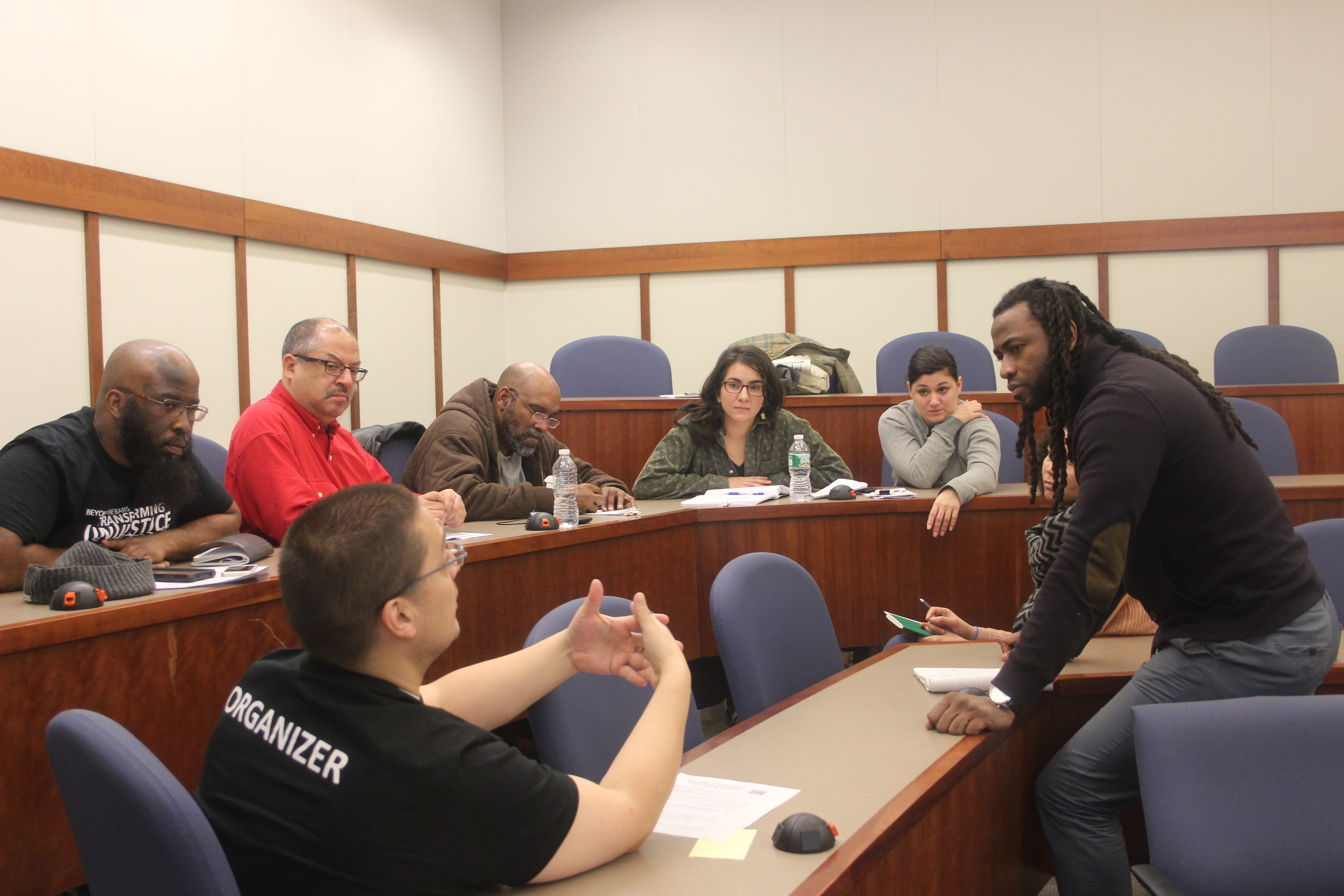
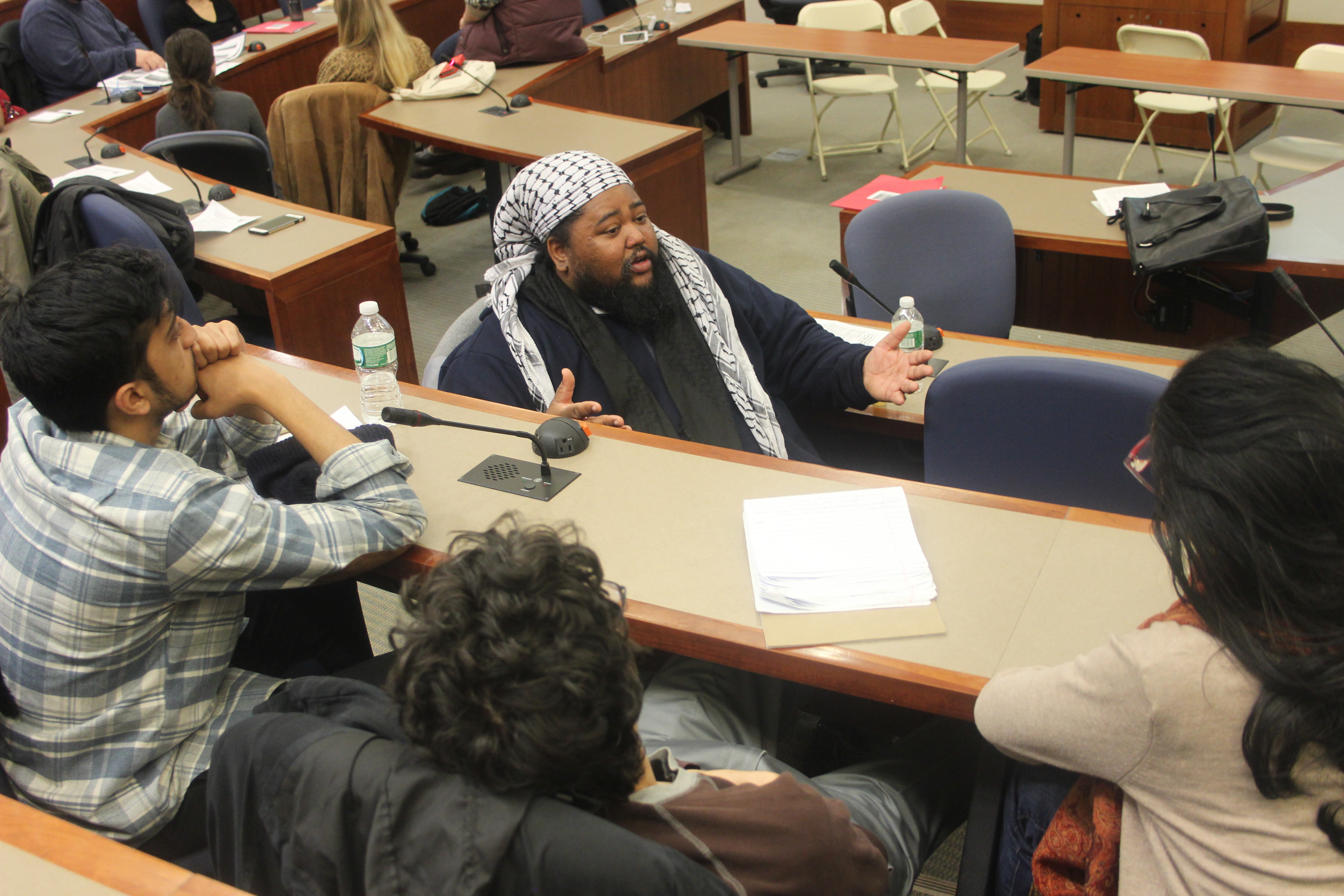
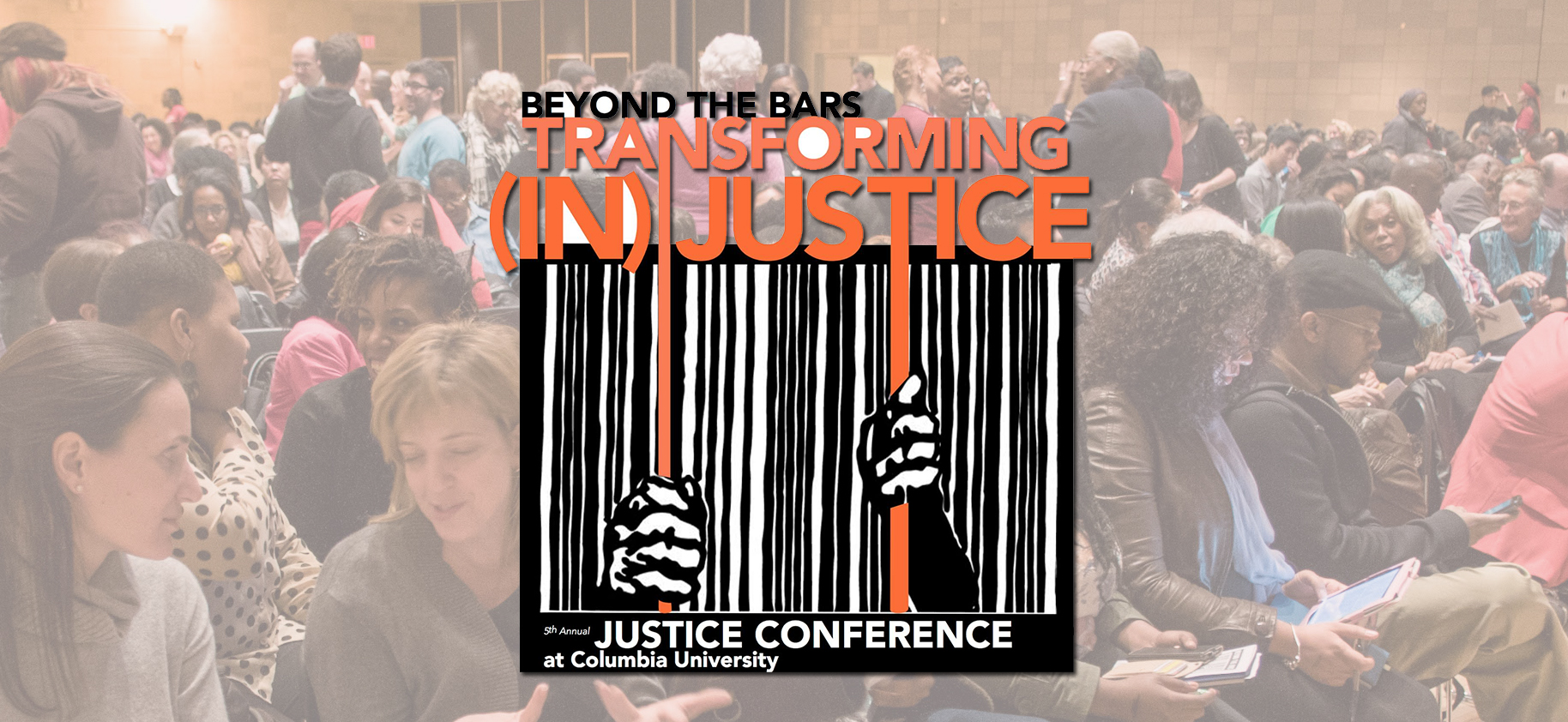
BEYOND THE BARS: TRANSFORMING (IN)JUSTICE is the fifth annual student-driven interdisciplinary conference on mass incarceration held at Columbia University. Given the greater consciousness of mass incarceration in the US, this conference brings people from different spaces and places to dig deeper in the work of ending mass incarceration, building justice and engaging in action beyond the weekend.

The conference launches Friday night with Michelle Alexander and several other powerful guest speakers and performances. It continues into Saturday with the goal of developing an agenda for transformative change around mass incarceration.   Panelists are coming from a wide range of disciplines, experiences and locations from government and community based organizations, to advocates and activists, to students, faculty and community members and those most direclty impacted by mass incarceration including formerly incarcerated people and their families who cut across all of these. The conference concludes on Sunday with an afternoon of organizing workshops led by several grassroots groups working for change.

This year’s Beyond the Bars conference will focus on the idea of transformation.  The questions this conference will pose are: How do we work towards lasting transformative change? How do we develop a framework for changing the way our country seeks  justice that does not perpetuate the roots of the problems that have led us here? How do we create change that addresses the systemic marginalization while also addressing the need for individual accountability and the safety of our communities and our society? What is a transformative agenda for changing the way we seek justice?

Important Notes for the Sunday Organizing Workshops 

There are limited slots for each workshop and they will likely fill up quickly.  Please note that many of the workshops are targeted for specific identities, positioning and experiences.

For Students – Organizing Students to End Mass Criminalization and Incarceration (Facilitated by Students Against Mass Incarceration)

For people who are Formerly Incarcerated, their family members and those Organizing in Impacted Communities – From criminal justice to Human Justice: Organizing Strategies for Shifting Paradigm and Practice (Facilitated by the Center for NuLeadership)

For those in the Faith Community –  Grassroots Organizing: Seminarians for Justice (Facilitated by Seminarians from Union Theological Seminary)

For Faith Based Organizations – Towards Justice: Organizing for Faith Based Organizations (Facilitated by Faith in New York)

Location Information 

March 6th – Friday Night Kick Off Event 
Lerner Hall, Columbia University
2920 Broadway, New York, NY 10027
(Broadway at 116th)
1 Train to 116th Street
March 7th & 8th – Saturday Panels and Sunday Workshops
Columbia University School of Social Work
1255 Amsterdam Avenue, New York, NY 10027
(Amsterdam between 122nd and 121st)
1 Train or AC/BD to 125th Street, walk to Amsterdam and head South
Conference Co-Sponsors
The conference is organized with support from the Columbia University School of Social Work, the Columbia University Mailman School of Public Health, the Institute for Research in African American Studies, the Heymen Center for the Humanities, the Center for Institutional and Social Change at Columbia Law School, the International Social Welfare Caucus at CSSW, the Queer Caucus at CSSW, the Mental Health Caucus at CSSW, Columbia University Students Against Mass Incarceration the Association for Justice and Health (AJAH Mailman), the Undoing Racism Internship Project, Students for a National Health Plan (SNaHp), Social Workers Against Criminalization, National Association of Social Workers-NYC and the Anti-Racist Alliance

Important Information and FAQs

For Saturday Morning there are 180 seats for the two plenarys.  After we reach capacity there will be seats available in overflow rooms.  

Are there ID requirements or an age limit to enter the event?

ID is required but all ages are welcome at this event and we strongly encourage young people to attend.

Will the event be livestreamed? 

Yes.  Friday night will be livestreamed and the Saturday morning panels will also be livestreamed.  Livestreaming can be viewed here http://new.livestream.com/CenterforJusticeatCU

Where can I contact the organizer with any questions?

Please email [email protected] with any questions.

Call for Proposals—Justice Studies Curriculum Development Grant

Click here to download the form: Justice Studies Curriculum Development Grant

Call for Proposals—Justice Studies Curriculum Development Grant

The Center for Justice at Columbia and the Heyman Center Public Humanities Initiative invite proposals for the development of new curricular offerings in justice studies.
There is consistent and growing student interest in issues of social justice and the widespread cultural effects of mass incarceration in a number of fields including sociology, history, public health, education, arts, political science, psychology, women and gender studies, social work, law, African-American studies and more. We therefore seek to develop courses in these areas (but not limited to them) that can be offered within current disciplinary structures, as part of already-existing majors and concentrations, but that bring significant attention to justice issues. Although undergraduate courses will be given preference, course proposals for graduate courses will be considered.

The Justice Studies Curriculum Development Grant competition is open to tenured or tenure-track professors, Core Lecturers, and current PhD students (ABD) at Columbia. Successful applicants will receive a $3,000 research allowance. These funds may be used to support research or to hire a graduate student or advanced undergraduate to provide research and teaching assistance. (N.B. in the case of tenured faculty, successful applicants MUST use the funds or to hire a graduate or advanced undergraduate student to provide research and/or teaching assistance; $500 may be used by tenured faculty for the purchase of books and other research materials). Successful applicants will commit to teaching the course within two years of the completion of the syllabus.

Eligibility
Tenured or tenure-track faculty, Core Lecturers, and current PhD students (working with a faculty member) in any discipline at Columbia University are eligible to apply, though the courses offered must be open to undergraduate and/or graduate students in the Arts and Sciences. Courses may be team-taught by instructors from different disciplines (e.g., Sociology and English) or different schools (e.g., Social Work and Arts and Sciences). In the case of team-taught courses, the award will be split evenly between faculty members or given fully to the graduate student (ABD) co-instructor (minus $500 for research costs for the faculty instructor).

Submission
For Tenured and Tenure-Track Faculty and Core Lecturers: Please submit your proposed course (using the following form) and a full CV to Professor Geraldine Downey, Director of the Center for Justice at Columbia ([email protected]), on or before May 1, 2015. Awards will be announced by June 1, 2015.

For PhD Students: You may work with a faculty member to propose a team-taught course (see above). You may also apply directly to the GSAS Teaching Scholars Program: http://gsas.columbia.edu/content/teaching-scholars-program

Award
Successful applicants will receive a $3000 research allowance to be used for development of the proposed course and the teaching of this course within two years of the completion of the syllabus.

Terms of the Award
Awardees will commit to teaching the course within two years of the start date of the grant. At the end of the semester in which the course is taught, the awardees will make a presentation about their course at a workshop hosted by the Center for Justice and the Heyman Center for the Humanities. The courses will be featured on the Center for Justice and Heyman Center websites, acknowledging the support of the Andrew W. Mellon Foundation.

Justice Studies Curriculum Development Grant—Application Form
Please submit an application no more than three pages in length with the following information:
Name
Email
Phone #
Academic Position
Department
Subfield(s)
Proposed Course Title
Semester to be offered (e.g. Spring 2016)
1) One paragraph course description suitable for the course bulletin, including any prerequisites.
2) Rationale for proposed course in terms of its role in the development of the study of justice and incarceration.
3) Past and current courses taught at Columbia.
4) One page course description the includes the following:
– Main topics and the sequence in which they will be covered
– Course objectives, specifying specifics students will gain
– Examples of assigned readings and other course materials
– Description of assignments on which student assessment will be based

The Rikers Island Education Project – Columbia Students Needed

The Center for Justice is still looking for Columbia students to participate in the first semester of programming of the Rikers Island Education Project.
 
THE RIKERS ISLAND EDUCATION PROJECT
The project provides opportunities for youth at Rikers Island to engage with education outside of the traditional classroom, to cultivate positive social emotional development and to engage Columbia students to think critically about issues of justice and incarceration. It utilizes youth education programming, linking collaborative learning with restorative practices to bring Columbia University faculty and students and young people (16-17 year olds) incarcerated at the jail together to participate in a transformative educational process.  The programming is centered around two primary components 1) collaborative education alongside Columbia University students and faculty 2) the use and understanding of restorative practices throughout the programming.   We are currently accepting applications from Columbia students for our spring programs: Beats, Rhymes & Justice; and Social Enterprise Startup.

SPRING 2015 PROGRAMMING

Beats, Rhymes & Justice       

Columbia students will work in teams alongside the young people to craft and record hip-hop songs with an emphasis on issues of justice.  We are looking for students who are beatmakers, producers, lyricists, poets,  writers and singers who have at least some experience in either music production or writing.  This will include making beats on ipads and writing rhymes/lyrics culminating in each team recording a song.

Social Enterprise Startup           

Columbia students will work in teams alongside the young people to develop an idea and an abbreviated business plan for a social enterprise start up, a for-profit business that also contributes to the public good. This program will culminate in a community event where the teams will present there business plans to a panel of social entrepreneurs.   We are looking for students with experience/ knowledge of social enterprise administration, start ups

COMMITMENTS 

Students must be able to attend all orientation workshops and respective program sessions

Orientation Workshops (Friday afternoons 2-4pm: 2/13, 2/20, 2/27 & 3/13)

Required Dates for each program

Beats, Rhymes & Justice (Saturdays 3/14, 3/21, 3/28 & 4/4 + one evening TBD)

Social Enterprise Startup (Saturdays 4/18, 4/25. 5/2 & 5/9 + one evening TBD)

All student applicants should have a strong commitment to social justice, youth development and collaborative learning.  Undergraduate and graduate students may apply. 

APPLICATION INSTRUCTIONS

All student applicants should send an email with a resume, sample of work if you have one, 1 reference and 1-2 paragraphs addressing the following;

-Why you are interested in participating
-Any experience / education in the area of the programming (i.e. music production)
-What you hope to get out of participating

DEADLINES: Applications will be accepted on a rolling basis until Feb 12th

TO APPLY email our Student Coordinator Marcos Rocha Jr. at [email protected]

Beyond the Bars 2016 – Save the Date: March 4-6

The 6th Annual Justice Conference at Columbia University

BEYOND THE BARS Connecting the Struggles

SAVE THE DATE: MARCH 4-6, 2016

The 6th annual Beyond the Bars Conference will take place March 4-6, 2016 at Columbia University. This year’s conference, Connecting the Struggles, aims to connect the many ways in which mass incarceration has impacted individuals, families and communities across the U.S, and beyond, as well as build connections across diverse struggles for social justice.

Albert Einstein stated that imagination is more powerful than knowledge ––Our comrade and sister Angela Davis, challenged us to imagine a world without prison. Join us as we honor the spirit of the struggle – join in solidarity with impacted people, and with academics, activists, practitioners and community members as we continue to connect the struggles in the efforts to eradicate mass incarceration.

Conference Schedule

Friday March 4th: Conference Kick Off Event with Angela Davis

Saturday March 5th: Panels and Breakout Sessions 

Sunday March 6th: Building the Grassroots – Organizing Workshops 

Conference Registration will begin in February 2016
As always the conference is free and open to the public

For More information about the conference click the link below:
http://centerforjustice.columbia.edu/education/beyond-the-bars-conference-2016/

Call for Workshop Proposals for Sunday March 6th

Have an idea for a workshop? We’re accepting workshop applications now [click here for more information]. Please apply by Friday January 29th.

Beyond the Bars is organized by the Criminal Justice Caucus at the Columbia School of Social Work, the Center for Justice at Columbia University, and the Beyond The Bars Fellows.

To receive updates from the Center for Justice join our listserve by signing up HERE.

BTW STD (version 6) yellow

BTW STD (version 6 - back) yellow