Catastrophe in Colombia: Examining the Police Brutality in Cali

Catastrophe in Colombia: Examining the Police Brutality in Cali

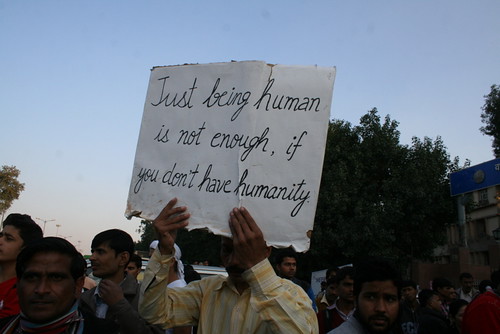
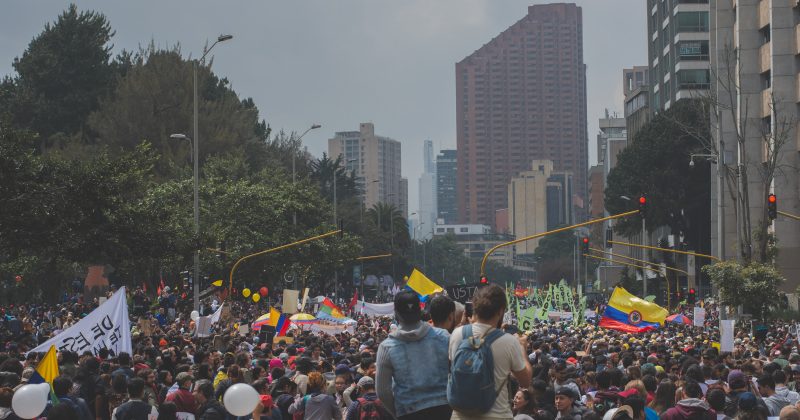
By guest contributors Dhanshitha Ravi* and Rishabh Guha** “...because here it’s easier to rain bullets than put food on tables.” - A Colombian protestor INTRODUCTION In April of 2021, Colombian conservative President Ivan Duque Marquez introduced tax reforms to bridge the fiscal deficit exacerbated by the pandemic which sparked the Paro Nacional 28A protests fueled by rampant corruption and inequality in healthcare across the country, the epicenter of which is traced to Cali. The President, an anathema to the netizens, deployed military personnel, the infamous mobile anti-riot squad (ESMAD) and labelled the peaceful protestors as 'terrorists.' Instances of police brutality were recorded leading to deaths, disappearances, and injuries using unrestrained force - violating human rights, contravening the Colombian Constitution and a multitude of international human rights conventions. BACKGROUND Firstly, in Operation Siloe, the guards used venom-system grenade launchers to fire directly into a candlelight vigil. The Popayan Court had previously ordered that such launchers firing non-lethal armaments like teargas must not be fired directly into...
Read More
The Fukushima Disaster and Indigenous Rights in Japan

The Fukushima Disaster and Indigenous Rights in Japan

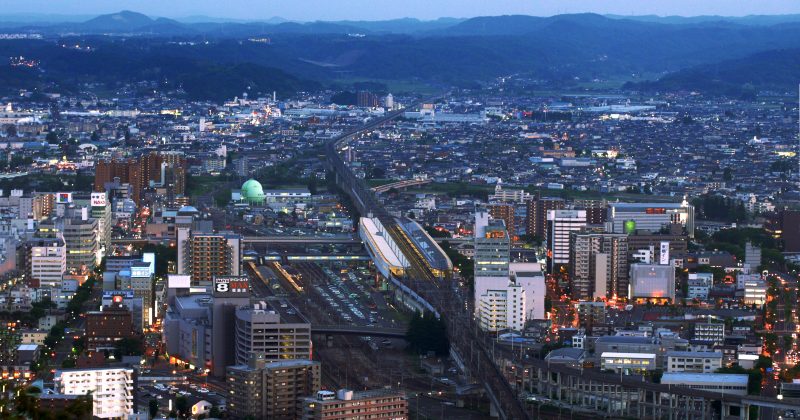
By Philip Alexander, a law student at at the National University of Juridical Sciences, Kolkata.  Introduction In 2011, the Tohuku earthquake and tsunami destroyed three of the Tokyo Electric Power Company’s (TEPCO) six nuclear power plants located in the Fukushima prefecture of Japan, resulting in the emission of several volatile radionuclides into the air and water. Recently, TEPCO announced the Japanese Government’s approval to dispose of 1.25 million tonnes of decontaminated radioactive wastewater into the Pacific Ocean over the next two years. Presently, the wastewater is treated by the Advanced Liquid Processing System (ALPS) operated by Toshiba and Hitachi General Nuclear Electric before disposal. The ALPS has been qualified as an inefficient method in treating radioactive waste as 72% of the water in storage tanks were required to be processed a second time. Additionally, researchers at the University of Nagoya found the presence of high quantities of Cesium-137 and Carbon-14 in the accumulated groundwater. The ALPS cannot filter Carbon-14, implying that the...
Read More
Examining the Legal Implications and Ramifications of the New Bounty-Hunting Texas Abortion Law

Examining the Legal Implications and Ramifications of the New Bounty-Hunting Texas Abortion Law

By guest contributor Astha Bhattacharya*   Despite a new era of pro-choice feminism overtaking the globe, Texas has passed Senate Bill No. 8, instituting one of the world's most stringent abortion bans. The bill, dubbed the "fetal heartbeat bill," outlaws all abortions after the "first detectable heartbeat." In this piece, I'll take a two-pronged approach to the legislation. First, I'll go over the scientific and medical challenges that the law presents. Then I'll show how the law infringes on women and their globally recognized human and reproductive rights, primarily targeting certain groups of women. SCIENTIFIC PERSPECTIVE Science can't say with certainty when an embryo becomes a "human being." Researchers have recognized up to five distinct developmental stages, any of which could be a viable starting place for human life. The fourth step, which is viability, is clearly ascertainable. The point at which a fetus can successfully survive outside of the uterus with medical assistance is known as viability. This is the stage that the...
Read More
The Letter Condemning Criticism Against ICC’s Decisions: An Attempt to Stifle Free Speech

The Letter Condemning Criticism Against ICC’s Decisions: An Attempt to Stifle Free Speech

By guest contributor Pravah Ranka, a student at Gujarat National Law University. Introduction More than 50 former foreign ministers, prime ministers, and top international officials, including two former British Conservative ministers, have signed an open letter condemning political interference in efforts by the International Criminal Court (ICC) to investigate alleged war crimes in Palestine. They state that attempts to delegitimize the International Criminal Court and hinder its operation will not be accepted if global justice is to be ensured. They have further stated that “the ICC must be shielded from any external pressures or threats including refraining from public criticism of the ICC’s decisions, which could contribute to undermining the independence of the court and public trust in its authority." Regardless of the alleged greater good it aims to achieve, the letter holds the potential to trample upon the civil liberties guaranteed by international law to the public at large. In this context, it is argued that the open letter is inconsistent...
Read More
How Should We Look at War?

How Should We Look at War?

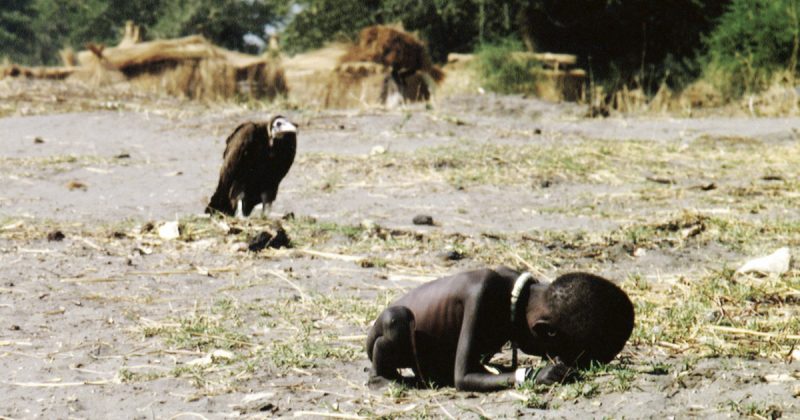
By guest contributor Julie Uszpolewicz* There is nothing as powerful in making the viewer realise the atrocity and the suffering of war, as an image. Statistics are too dehumanising, words leave too much to the imagination, but photography has the rare power of being apparently objective. However, looking at documented conflicts has been criticised by several post-modernist thinkers (such as Jean Baudillard) as being passive. In the contemporary world of social media, we are faced with images of horror more than we have ever been before, therefore, perhaps the question of the role of photography requires revisiting. Is there a right way to look at the war in the reality that is saturated with photographs of distant conflicts and human rights abuses? Perhaps this article will raise more doubts than give answers, but it seems worthwhile to stop for a second and ask what kind of pictures we are bombarded within the news. The question of ethics in political photography is nothing...
Read More
The Point of No Return: Climate Apocalypse, Human Rights: Code Red

The Point of No Return: Climate Apocalypse, Human Rights: Code Red

By guest contributor Shelal Lodhi Rajput* Human Rights Code Red While the world is dealing with the adverse effects of its own actions,  the UN’s climate change panel dropped a bombshell in its latest report. Antonio Guterres termed our climate crisis as a “Code Red for Humanity”. We are on the brink of an impending apocalypse as we have failed time and again, gentle reminders, half-hearted summits, and conferences have not worked. Maybe the severe warning in the Intergovernmental Panel on Climate Change (“IPCC”) report will inspire the international community to save what we can. Our seas are rising, forests burning, our islands are sinking and countries are at risk of catastrophic collapse. The effects of what many experts are calling “climate chaos” are ubiquitous and cannot be overlooked. The 42-page Climate Change 2021 report was authored by 200+ people, referenced over 14,000 climate studies, and was published with support from 195 countries. The climate emergency is a reality facing current and future...
Read More
Recognition of “Marital Rape” As a Valid Ground for Divorce – An Affirmative Step towards Marital Equality and Women’s Rights in India

Recognition of “Marital Rape” As a Valid Ground for Divorce – An Affirmative Step towards Marital Equality and Women’s Rights in India

By guest contributor Yamika Khanna* The Madras High Court in a remarkable judgment (case name was redacted due to the sensitive nature) upheld that marital rape, although not penalized under the Indian Penal Code, is a valid ground to claim divorce. The judgment is a light at the end of a very dark tunnel in recognizing the heinous nature of marital rape as a gross violation of bodily autonomy, privacy, and dignity of a married woman, especially under a legal regime that considers non-consensual sexual intercourse with the “wife” by the “husband” as an exception to the crime of rape. An appeal was filed before the Hon'ble Court against the judgment of the Family Court. The Family Court vide its judgment allowed the petition for divorce sought by the wife on the ground of cruelty. The gravest contention of the wife with reference to cruelty against her pertained to the worst forms of sexual perversion including unnatural intercourse against the wife’s will. In...
Read More
An Alternative Path Forward: Pivoting LGBTI Rights to Corporate Korea

An Alternative Path Forward: Pivoting LGBTI Rights to Corporate Korea

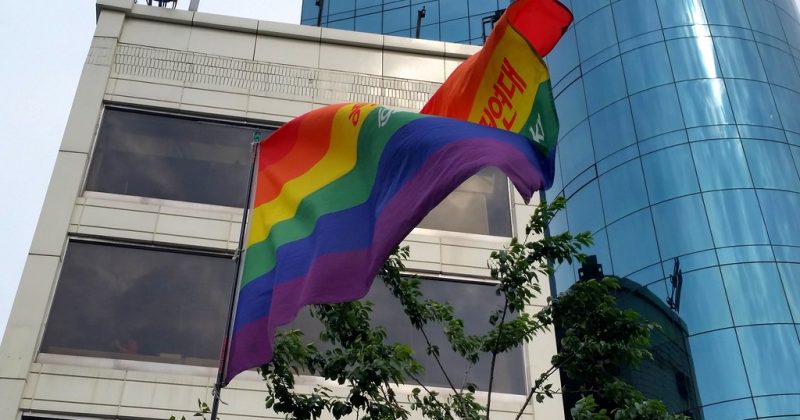
By guest contributor Haley Son*   On 14 June 2021, for the first time in over a decade, South Korea’s lawmakers agreed to hear proposed national laws geared toward protecting the fundamental human rights of LGBTI people. While these bills have garnered international support, prospects for passage of an anti-discrimination bill are dim due to intense lobbying by conservative factions and faith groups. Given the challenges of LGBTI equality under South Korea’s legal framework, an alternative avenue would be for corporate Korea to implement LGBTI rights based on global standards in the meantime.  South Korea, the world’s 10th largest economy, still has no laws preventing discrimination on the basis of sexual orientation, making it a rarity among Organisation for Economic Co-operation and Development (OECD) countries in that regard. The South Korean Constitution, like the Universal Declaration of Human Rights (the “UDHR”), sets forth global human rights standards, such as establishing legal equality between the sexes, and prohibiting political, economic, and social discrimination on...
Read More
Anti-Media Law in Belarus: A Dreadful Attack on Press Freedom

Anti-Media Law in Belarus: A Dreadful Attack on Press Freedom

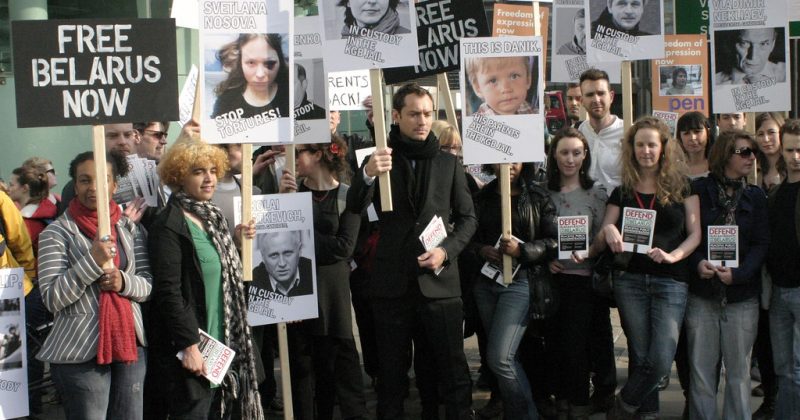
By guest contributor Astha Bhattacharya* INTRODUCTION Belarus ratified its new anti-media law in May 2021, primarily aimed at limiting journalists' freedom of expression and quelling protests against the Belarusian government. The new law makes it illegal for the media to report on any unauthorised public gatherings or to publish opinion polls unless the results have been approved by the government. This law also grants the government the authority to shut down media companies without judicial orders, which were previously necessary. Human rights organisations have slammed this law and the subsequent shutdowns of independent media outlets, claiming that the bill is intended to silence the growing criticism against the Belarusian government. The new law was introduced in the aftermath of the 2020 uprisings against President Alexander Lukashenko, who has been in power since Belarus broke away from the Soviet Union in 1994. There has not been a single free and fair election in Belarus since 1995, according to the Organisation for Security and Co-operation in Europe. Additionally, Lukashenko...
Read More
The Fate of Afghan Women after the US Withdrawal: A Legal Analysis

The Fate of Afghan Women after the US Withdrawal: A Legal Analysis

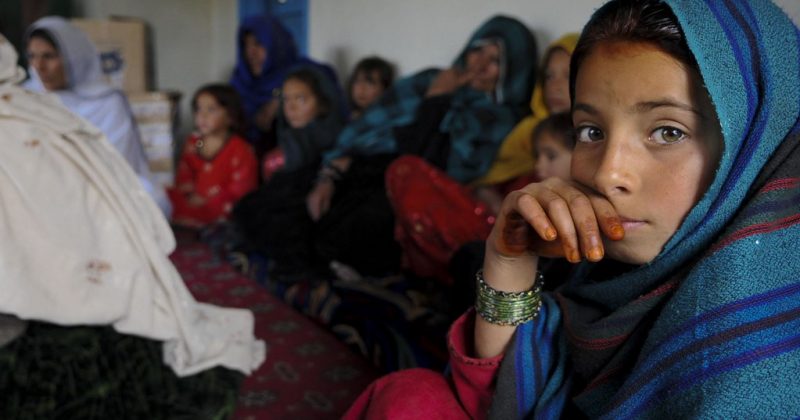
By guest contributors Ashutosh Anand* and Kaustubh Kumar**   INTRODUCTION The deal between the US and the Taliban signed in February 2020 stated that the US and its allies would withdraw all its troops from Afghanistan within 14 months. On August 31, 2021, all American forces have already withdrawn from Afghanistan, which has consequently unleashed havoc on the rights of Afghani women. When the US and its allies waged war on Afghanistan, the defense of women’s rights was one of their prime reasons to justify their invasion and subsequent occupation. The post-Taliban constitution, enacted in 2004, provided women with most of the basic human and civil rights. Moreover, under American troops’ presence, the post-Taliban regime followed a liberal policy towards women by providing access to healthcare, education, and work. For women’s empowerment in politics, the government also offered a 27 percent reservation of seats for women in Wolesi Jirga (House of People) of Afghanistan, which helped uproot the conservative mindset for women in Afghan...
Read More