Categories
EDforSD

“waste” can generate a $1000 for COVID-19 relief work

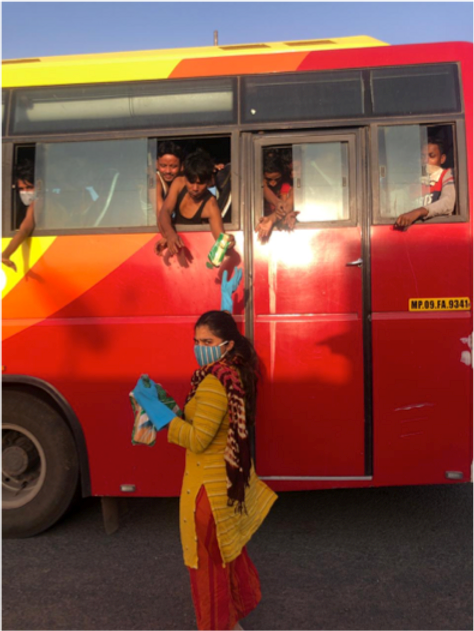
“Waste” can generate $1000 for charity and can have policy implications. Hundreds of daily wage earners were on the roads in India. In my hometown Bhopal, my sister Pooja had formed a citizen’s collective to feed these inter-state travelers. These people were traveling many miles walking, on bicycles, in crowded busses in 45-degree centigrade. They have been given the name migrant, but my sister corrects me “they are not migrants, we have made them into migrants”. Pooja needed some funds so that she could continue driving her community kitchen along with Goldie, Mita, Sparsh, and others. See Andrew Revkin’s broadcast on the topic here- https://blogs.ei.columbia.edu/2020/04/03/letter-bhopal-facing-covid-19-citizens-spread-masks-food-hope/
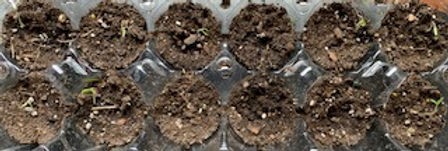
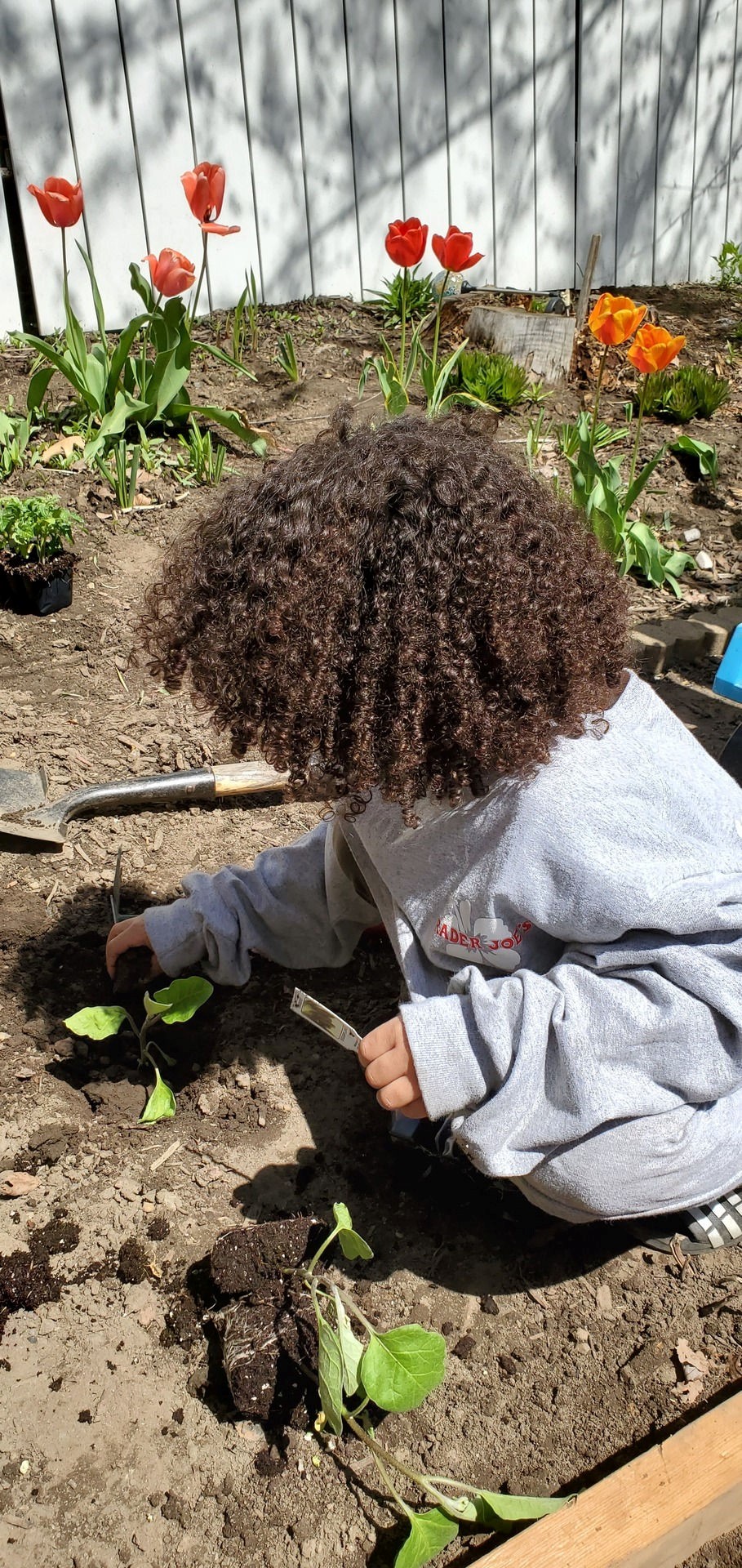
Back at home in Millburn, the Climate Action group had been actively spreading the sustainability agenda. Kumkum Srivastav, one of the inspiring leaders in the group has been giving sustainability tips through videos and comments. Her kitchen produces no waste. We were all intrigued. I have a composter at home and I compost diligently. But zero waste was only an aspirational goal for me. We (60 families) were all eager to learn how to better manage our kitchens. The weather was turning better, Spring was peeping through our windows with magical flowers. We were all confined to homes and at our yards. Meanwhile, Kumkum had taken sustainability to another level. She was taking the seeds from tomatillos, peppers, cilantro from her kitchen “waste” and was planting in small pots.She also used peels and scraps for fertilizers in her soil bed. On zoom calls she would show us how the seeds have sprouted into saplings and the natural fertilizer helped them to grow beautifully.

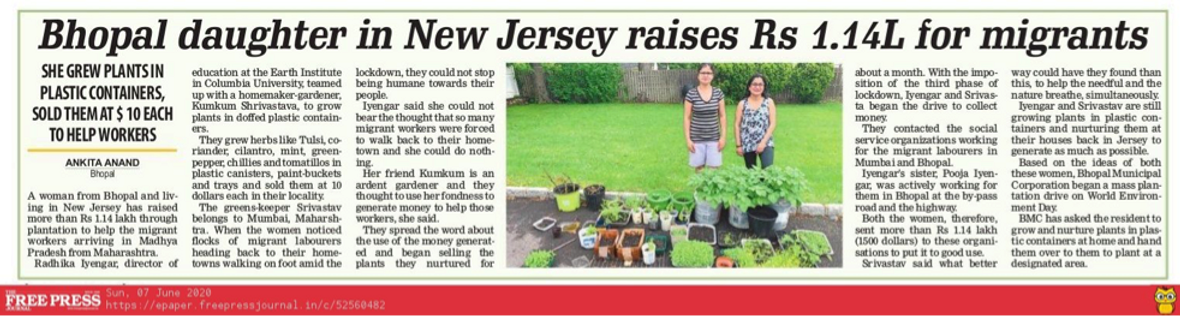
Due to the lockdown, my socializing was on the phone. So she and I spent hours talking about the problems that we around. One day, she texted me to tell me that she would like to do a “plant sale” for the troubled migrants passing Bhopal. Pooja’s needs had multiplied four times by now. The influx of migrants continued to grow exponentially. They needed soaps, toothpaste, tooth-brush, sandals, a hand-towel and lots of food. Kumkum and I decided to combine our passion “zero waste” “sustainable lifestyles” and also raise money for the COVID-19 relief in Bhopal. We made a quick flyer “100% sales go towards the Bhopal COVID-19 relief”. She started to plant more saplings- cucumbers, cilantro, mint, tomatillos, tulsi, small chilies we had it all in our flyer.
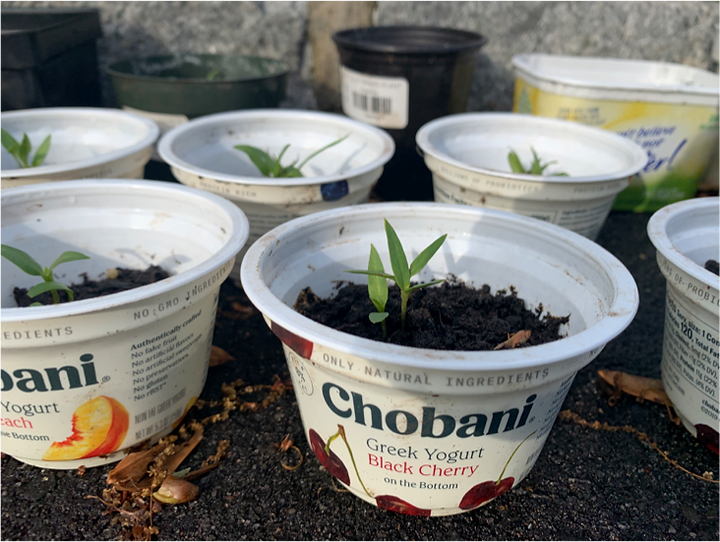
“Plant Sale” not from plants from plant-nurseries near the town, plants were saplings from the seeds in Kumkum’s kitchen. Kumkum, an IT professional, started to spend her evenings and all weekends to tend to her “nursery”. Many neighbors ordered. We kept the price at $10 per plant. Yes, expensive, but the plant was just a token, the actual reason was charity. Of course, everything had to be green (not literally, I meant sustainably green). We needed to get containers to grow the plants and as takeways. We created another flyer to ask the Chobani lovers to store their containers. Strawberry plastic containers were no longer kept in the (hopefully) recycling bin, we had a new purpose for them. Many residents came forward to share their potentially recycled containers. Our “Plant Sale” drive had become so popular that we were getting orders from the Basking Ridge, a nearby town. Pooja’s friend Pratiti, also from Bhopal, in Basking Ridge started to help us with this drive. Kumkum also created videos on how to plant the sapling in homes when our friends take the sapling. It was a full package- sapling grown with tender loving care along with tips to take good care of the plant at home.


Back in Bhopal, the news spread that we are raising some funds. The Municipal Corporation of Bhopal (equivalent to a City Township Council) heard about the green initiative. This World Environment Day (June 5th) announced their green drive. Inspired by our model, all residents in Bhopal are asked to use their recyclable containers to grow plants. The Corporation will take these plants and plant them in various parts of the city.
During this pandemic, I learned that individual actions on sustainability can lead to massive policy implications. We need to keep doing our bit. In my household, Chobani containers don’t go into the recycling bin automatically, I may have another purpose for them.


Categories
EDforSD

Social Emotional Learning during the COVID-19 pandemic

By Anchal Sharma & Tara Stafford Ocansey

Updated: Jun 8, 2020


The COVID-19 public health crisis has presented our communities around the globe with unprecedented health, socioeconomic and human rights challenges. While the virus does not discriminate, health disparities caused by poverty, racism, classism, and other social ills has led to stark inequalities in terms of which communities have been most severely impacted by COVID-19. The constant flood of information on these compounding challenges add to our worry of being infected by the virus, concerns over job security and economic upheaval, and loneliness caused by social isolation. This overwhelming multitude of fears and concerns can lead to major psychological risk factors like anxiety, depression or even self-harm. How can our education institutions address and help to mitigate these risk factors and provide critical psychosocial support to children, families, and educators during this time of physical distancing?

Nearly all of the world’s countries have responded to this public health crisis in part by closing their schools, affecting close to 80% of the world’s school-going population, according to data from the World Bank. While children seem to be less vulnerable to severe illness resulting from COVID-19, staying away from school contributes to a tragic situation for children, particularly those who rely on schools as a safe learning space, for feeding programs that provide a main source of nutrition, and for fulfillment of their social and emotional needs.

Education thought leaders around the globe have identified Social Emotional Learning (SEL) as a major priority for educators to focus on as education systems work to rapidly transition to remote learning while attempting to mitigate the widening of achievement gaps that result from existing digital divides (See WHO, USESCO). The challenge of providing SEL is all the more daunting in light of the reality that the teachers and adults who children turn to for social and emotional support are themselves likely to be struggling with their own mental health challenges during this time. Survey findings released recently by the Collaborative for Social Emotional and Academic Learning and Yale’s Center for Emotional Intelligence showed that US teachers’ most commonly cited emotions during this crisis are feeling anxious, fearful, worried, overwhelmed and sad. Teachers cited worry over themselves or loved ones contracting COVID, but also the anxiety they feel over trying to juggle caring for their own families at home while also trying to work full time from home and figuring out how to transfer their teaching practice to online platforms, which many have very little if any experience using.

While these challenges are difficult to process, let alone allow us the mental latitude to think of solutions, this time we are in can be viewed as a wake-up call that we must heed as we re-imagine how our education systems can better support psychosocial well-being as a foundation for learning going forward.

This article offers a review of resources that have been put forth globally, with an emphasis on resources in the US and India,as two of the world’s most severely impacted and heavily populated countries, and the common threads among them that can inform how we approach education beyond the COVID-19 pandemic, with resources tailored to – parents, children and educators.


For Parents/Guardians


In addition to keeping themselves and their children physically safe amid the pandemic, parents are being challenged to take extra care of their emotional well being as well. Extended responsibilities of home schooling and creating a positive learning environment, on top of professional commitments and household chores can take a huge toll on parents’ overall health. While it may sound like yet another responsibility to juggle, parents must do their best to care for their own mental health in order to persevere through everything else. When we practice and build our own social-emotional skills such as self awareness, emotional management, and social awareness, we are better equipped to navigate stress and anxieties, and overcome challenges. Following are some of the fundamental skills with relevant resources which can be practiced by parents:-


Personal Well-being Practices – One great way to support your own well-being during this crisis and beyond is to establish or grow mindfulness practice. Mindfulness can be defined as the state of being aware and focused on the present moment; accepting the present while being open and curious about what is happening around and inside us. Dedicating even just a few minutes of your day to incorporate mindful practices can help in calming your mind and build healthy coping skills. Below are some useful resources for mindfulness exercise and wellness routines:

Actively listening to your kids and addressing their queries – Understanding and listening to children’s feelings and their questions patiently will help them better understand and process the situation, and also give parents an opportunity to address any misinformation or rumors they may be hearing through their friends or social media. The following resources offer tips for having these conversations with your children.


Establishing routines – Making a schedule for you and your children to engage in structured activities, even for free time will help to have an engaging day. Children can also help plan their own routines and take ownership over developmentally appropriate activities. These habits can be a small step toward children feeling a sense of normalcy, learning to regulate their own emotions and building their decision making skills. Hopefully, they may also help give you a little break as well!


Healthy Work from Home habits – Working from Home, a new normal amid the pandemic can be quite hectic and challenging especially if you are a parent. It’s important to create a healthy environment to work at home and following tips can be useful in achieving this.

Some of the useful resources:-


Practice Physical Distancing not Emotional Distancing – Being physically isolated for a long period of time can have long lasting psychological impacts. However, the present need for physical distancing does not have to mean that we cannot still connect with our loved ones using new technology as well as bringing back dying practices like letter writing.


*A letter to Parents by a schools principal


For Children

The sudden disruption of routines, lack of social and physical activities and constant worries of the pandemic situation can be stressful for kids. They might find it struggling to express how they feel about it and can exhibit extreme behaviour like being sad, alone, irritated and angry.

By supporting children with their continuous learning can help in keeping a sense of normalcy and routine in their lives. Here is the repository of resources that can be useful based on one’s needs and interests.


Knowing Coronavirus through Story Telling & Discussion for Social Emotional Learning knowledge makes one feel empowered, but with the ongoing constant coronavirus updates this knowledge can be overwhelming as well. It’s important for children to make sense of the current situation and feel heard and given the opportunity to get their questions answered. Below are some of the resources in child friendly language, briefly explained through stories or comic strip format to provide them with accurate knowledge.


Activities for increasing well-being – Being involved in creative activities can make children express themselves better and learn new things in a fun way. It overall creates a positive environment with a warm opportunity to spend time together as a family. Few ideas for such creative activities are here.


For Teachers

The complete shift to remote teaching can be overwhelming for teachers. With the constant juggling between taking care of the well-being of their own families, it also becomes prioritize caring for their students emotional well-being, which is arguably more important than concern over academics during this time. Understanding your emotions and implementing SEL skills can help both teachers and children to overcome these challenging times. The resources compiled below may be helpful for teachers in easing this transition.


Categories
EDforSD

Call for book chapters

Updated: May 16, 2020

Published by UNESCO-IBE

Charting an SDG 4.7 roadmap for radical, transformative change in the midst of climate breakdown

Editors:

Radhika Iyengar, Center for Sustainable Development, Earth Institute, Columbia University

Christina Kwauk, Center for Universal Education, The Brookings Institution

The global education community, guided for decades by the concept of Education for Sustainable Development, has done little to support the radical transformation of education systems needed to respond to climate change. Part of this inertia rests in five roadblocks to quality education identified in a Brookings report, and off of which stakeholders from the fields of ESD, GCED, GE, and HR education came together in April 2020 to begin discussing ways of addressing. This edited volume picks up that conversation by laying out elements of a shared vision, or roadmap, for the global education sector in climate action. The volume includes perspectives that span multiple continents, disciplines, and positionalities within the education system—from policymakers to teachers to youth. It curates exiting literature, surfaces in-depth case studies, and overviews conceptual frameworks on a diverse range of topics relating to systems transformation, monitoring and accountability mechanisms, lessons from the field, teacher support, as well as activism and advocacy by students. Charting an SDG 4.7 roadmap for radical, transformative change in the midst of climate breakdown offers researchers, practitioners, donors, and decision-makers insights into entry points for education systems change needed to reorient human society’s relationship with our planetary systems.

Call for book chapter proposals

On 29th April 2020, a community of diverse education and sustainability stakeholdersstakeholders came together for a workshop to critically examine the education sector’s role in achieving sustainability and combating climate change. Drawing on five roadblocks that have prevented education systems from achieving radical and transformative climate action, the workshop explored the following topics aimed at charting a roadmap for bolder action by education stakeholders:

  • Entry points for education systems transformation
  • Reorienting monitoring & accountability mechanisms (including assessment or other incentive structures)
  • Successes and challenges to integrating education and climate (the role of NGOs, think tanks, and donors)
  • Support for teachers
  • Action at the grassroots: Evidence and roadblocks
  • Youth perspectives and communication

In an effort to maintain momentum from the workshop and to fill critical gaps in the literature, this call for submissions will dive deeper into empirical examples of the topics above, representing a diversity of epistemological orientations and sources of knowledge from around the world. Empirical research could include documenting processes, summarizing lessons learnt from field-based studies as well as impact evaluations. These examples would collectively help to identify pathways for which education systems, including formal and non-formal, can re-orient toward climate action. The treatment of the topic(s) can be as follows-

  • A cross-site or cross-country comparative analysis
  • A meta-analysis or literature review
  • An in-depth case study of a program or initiative, longitudinal or cross-sectional
  • A cross-sectoral case study documenting processes of and lessons learned from coordination across the environment, health, education, and/or other sectors
  • Use of multi-methods and interdisciplinary approaches, preferred
  • Inclusion of youth and teacher voices preferred

The volume is intended to include voices from students, academicians, practitioners, researchers, policy makers, think tanks across the globe. Each of the proposed contributions should help to identify, describe, or propose a roadmap for achieving SDG 4.7 that helps society break from the status quo. Cumulatively, the contributions will contribute towards the overall quest for understanding what initiatives, frameworks, and recommendations are promising for catalyzing radical, transformative systems change within the formal or non-formal education system toward climate action. Authors should consider how does the project, program, initiative, or intervention provide an example of or insight into what is needed to catalyze broader systems change for bolder climate action now? Would you recommend this effort be scaled or contextualized to other locales?

Proposals for book chapters should be approximately 150 words and include the names and affiliations of the authors and a provisional title. Please submit chapter proposals by 30 May 2020 to the book editors: Radhika Iyengar, [email protected], and Christina Kwauk, [email protected]. Authors will receive notification whether their proposals have been accepted by 1 June 2020. Submissions (APA style; up to 8000 words, for general chapters; up to 2000 words, for youth and teacher reflections), should be submitted before 30 July 2020.


All the submissions will be externally reviewed (double-blind peer review) and fast-tracked, with a planned publication date by the end of 2020.

For any questions regarding the submission process, please contact Simona Popa, IBE Book Series Managing Editor, at [email protected].

More about UNESCO-IBE Book Series here: https://brill.com/view/serial/IBE

Categories
EDforSD

Connections

By Jahnavi Bhatt

Today feels different

Isolated  in my home

I’m making connections

With old pals from school

And that one estranged friend

who showed up on my phone


Yesterday was different too

Immersed in my life

I missed making  connections

Between the straw swirling my drink

And that one turtle

Who washed up dead on the shore

Between my red silk shirt

And that one little boy

who never went to school


Tomorrow should be also be different

Intimidated by my experience

I’m realizing the connection

Between the misuse of free will

And members of that one species

Who fear for their survival

Categories
EDforSD

Charting an SDG 4.7 Roadmap for Radical, Transformative Change in the Midst of Climate Breakdown

The purpose of this workshop is to build off of the Brookings report and to bring together stakeholders from the fields of ESD, GCED, GE, and HR education to begin laying out a shared vision, or roadmap, for the global education sector in climate action. The aim is that this workshop will serve as a launching pad for a series of working meetings over the course of 2020 for those who express interest at the workshop to continue being engaged. The working meetings will culminate in an edited volume focused on education and climate action.

Workshop organized by –

Radhika Iyengar, Center for Sustainable Development, Earth Institute, Columbia University

Christina Kwauk, Center for Universal Education, The Brookings Institution.

The workshop is for Virtual CIES- More details at http://cies2020.org

We will be broadcasting the event on our Youtube link- Power in Praxis –https://www.youtube.com/channel/UCkZHqp2zW-VUbmcWFdaKQ-g

We will also be live on Facebook on our Eco-ambassador page: https://www.facebook.com/ecoambassador/

Agenda for the event-

April 29, 9am – 12pm

Opening:

9am – 9:10am

Radhika Iyengar to say a few notes to welcome the guests + housekeeping re: Google doc, the structure of the 3 hours, etc.

Please use this time to write your thoughts on a live document- https://docs.google.com/document/d/1UA0sVDLq5SIp7WVSaCkKF89QtUn6cUTMVG494DCNILA/edit?usp=sharing

9:10-9:20 Jahnavi Bhatt to inspire us with a poem recitation

9:20-9:40am

Professor Jeffrey Sachs, Director Center for Sustainable Development, Earth Institute presents his vision on integrating SDG 4.7 with climate change.

Part 1:

9:40 -9:50

Christina Kwauk presents the Brooking Institution Report specifically highlighting the 5 Roadblocks in Education. See full report here. https://www.brookings.edu/research/roadblocks-to-quality-education-in-a-time-of-climate-change/

Perspectives by…

Academicians 9:50-10:10am

On: Entry points to systems transformation needed for radical climate action by education systems

Nidhi Thakur, Professor Kean University, New Jersey

Bob Jickling, Professor Emeritus, Lakehead University

Heila Lotz-Sisitka, Professor, Rhodes University

Jeffrey Schlegelmilch, Deputy Director, National Center for Disaster Preparedness (NCDP) , The Earth Institute

Policy and Advocacy 10:10-:1030am

On: Reorienting monitoring & accountability mechanisms and the incentive structures of our current education systems

Adriana Valenzuela, UNFCCC

Priyadarshani Joshi, Global Education Monitoring (GEM) Report, UNESCO

Frank Neopold, NOAA

Jess Cooke, Plan International

Non-profits and think tanks 10:30am-10:50am [radhika]

On: Role of Think Tanks and NGOs that integrate education and Climate: Successes, challenges.

Caroline Lewis, Founder and Senior Climate Advisor, CLEO Institute

Kartikeya Sarabhai, Centre for Environment Education, India

Ellen Chigwanda, Advocacy Advisor for Education, CARE USA

Anna Bertmar Khan, Deputy Director of Programs, Dubai Cares

Part 2:

10:50am – 11:00am (Christina Kwauk to present Part 2 of the Brookings Report).

Perspectives by…

School teacher’s perspective 11:00-11:15

On: What support do teachers require to take the leap toward radical, transformative teaching and learning for climate action?

William Bertolotti, Plainedge High School, New York.

Elisa Hartwig, The Green School Antigua

Abby Ruskey, Fellow in Complex Systems Management at UC-Merced.

Local organizations/Community organizing, US-domestic and international 11:15-11:35

On: Local action at the township level: Evidence of what has worked and what are some roadblocks to building community leaders/action at the grassroots.

Priya Patel, Chair Millburn School Green Team and also Member Millburn Environmental Commission.

Vanita Gangwal, Convener Millburn Climate Action Group

John Mugabo, Millennium Promise Staff in Rwanda.

Lagipoiva Cherelle Jackson, Editor, Pacific Environment Weekly, Samoa.

Youth Perspective and their communications 11:35-11:50

On: What do students want to see happen in schools and communities and how best to communicate these actions/ideas.

Aalok Bhatt , Millburn High School, New Jersey

Vidya Bindal, Millburn Middle School, New Jersey

Srinivas Akula, community-based education coordinator, Telangana, India

Sahana Ghosh, Climate Reporter Mongabay India

Wrap up & next steps

11:50am – 11:55am

Program ends

11:55am – 12:00pm: Gopal Patel, Director Bhumi Project, reads out quotes from the Bhagavad Gita on sustainability


See full recording here-


https://columbiauniversity.zoom.us/rec/play/6Jcud-Grrz43HtWXtQSDBfN7W9S-LaOs1igXqfZZxUq9AHFXZFugMrAVarQY5XasONH4OaG8h7FwKko4?startTime=1588165361000

Categories
EDforSD

Reflections from a high school science teacher

Author: William Bertolotti, Science Teacher, Plainedge Highschool.


Hello everyone, my name is Will Bertolotti. It’s important to stress the fact that teachers do not teach facts; we teach people. We embrace the responsibility for fostering the intellectual, emotional, and social growth of human beings. I have been guiding high-school students for the past 12 years as a social science research and psychology teacher. I am fortunate to teach in a district where the community, teachers, and administration are united behind ensuring the success of our students. Furthermore, several years ago I volunteered with an educational not for profit that used student-oriented experiential learning centered on the UN SDGs and it led to a significant paradigm shift in my teaching philosophy. As a teacher, I am still learning — but I put some thought into the purpose of education and I am eager to share the mindset of a teacher to the students of the world.


We need you, the students, to know — that you embody our hope and collective investment for a future. That your efforts are cherished and your talents acknowledged as our community’s greatest resource. That your youthful frustrations and restlessness are the fuel for future change and innovation. You have a place at the communal table and in time you will control the fate of our planet. Some time ago, we as a society chose to forget that we all live on borrowed time — I am sorry that we pushed onto you the consequences of an unsustainable lifestyle. As your teachers we must prepare you right now and every day to survive and flourish in a world not of your own making. But your potential is latent and it is incredible.


And so, we forge them — our future civic science leaders — guiding them with our collective experience, supporting them so that failures are embraced as opportunities for learning and growth, empowering them with lessons in resilience, knowledge, and wisdom, and tempering them with the guiding spirit of integrity and compassion. Mentorships with academia, government, and industry become the route of transmission for action. Experiential learning becomes the sandbox for future policy. We teach them that sustainability is compassion toward the other people in a world of limited resources — and it is compassion towards your future self.


Why? It’s the perennial question my students always ask. Why? Well, it’s our fundamental purpose. Not only as teachers, but as parents, as members of a global community — we have the responsibility to ensure that the next generation is prepared. Our true calling must be to inspire the spirit that guides their efforts, to mentor and advocate, to challenge, and to let go — unshackle our youth from outmoded preconceptions of learning. We must open their eyes, that students don’t need our permission to question — that they themselves are the primary agents of their own growth. That learning can occur beyond the classroom, outside school hours, without adults. We need to teach them how to bridge differences and build connections — to challenge and advocate — to set the foundations for lasting change.


The world around us is our classroom, rich with experience, filled with challenges, and begging for solutions. We must ensure that our memory lives on in posterity as a generation of young leaders, ready to mend a broken world, to heal a wounded society, and to steer the course through an uncertain century.


Thank you very much for your time and for this opportunity to share.


Categories
EDforSD

Earth Day/Week Show & Tell

Updated: May 1, 2020

The social distancing and quarantine from COVID19 did not stop Eco Ambassadors from celebrating Earth Day 2020 in their homes, kitchens, gardens and backyards.

On Friday, April 24th, few Eco Ambassadors got together for a casual Show & Tell to share what they did during Earth Day (April 22, 2020 and week of) to celebrate the environment, nature and our Earth.

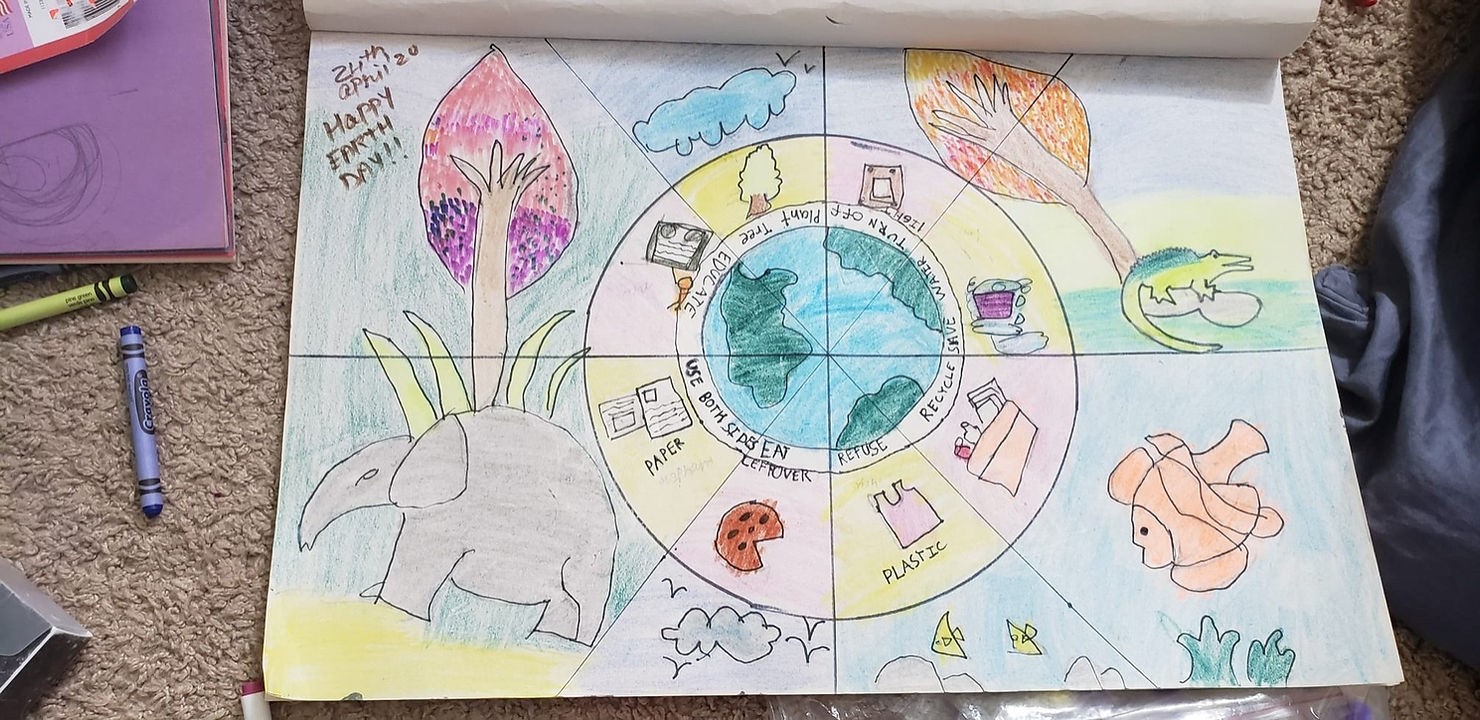
Our youngest Eco Ambassador Arjun drew what a beautiful Earth looks like to him with some strategies to protect the Earth.

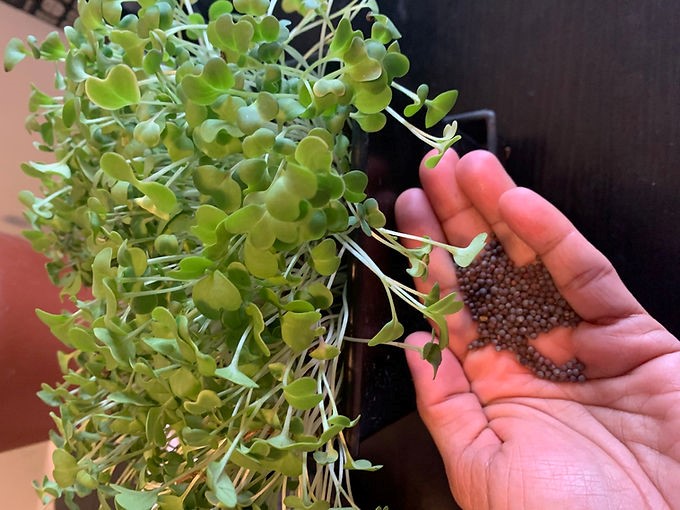
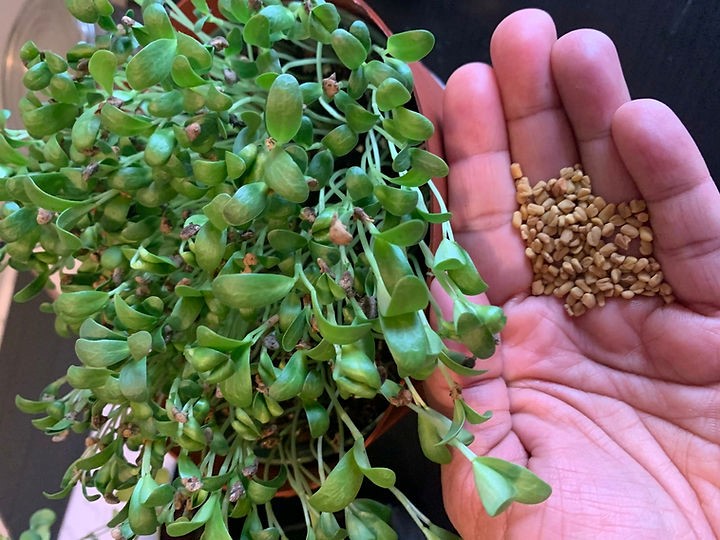
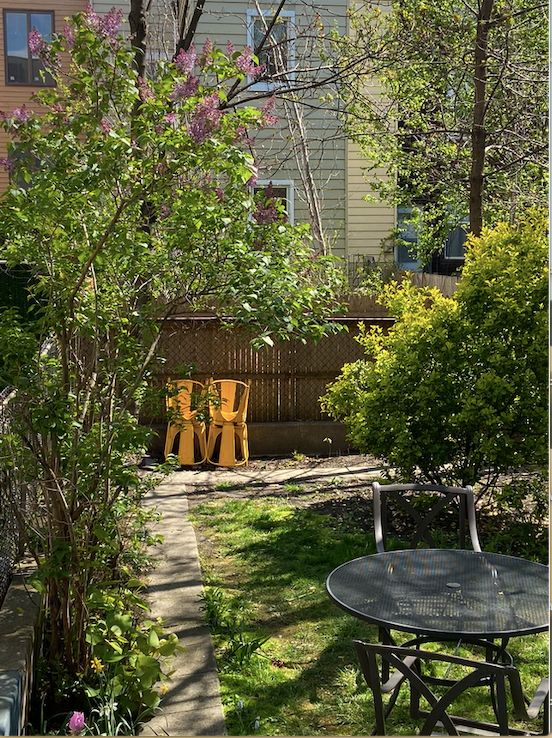
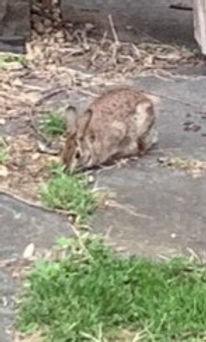
Eco Ambassador Ishaan and our Eco Ambassador program staff shared respective home gardening projects to plant flowers, tomatoes, fenugreek seeks and mustard seeds, as well as various observations made in the yard to examine various birds, animals and plant varieties.

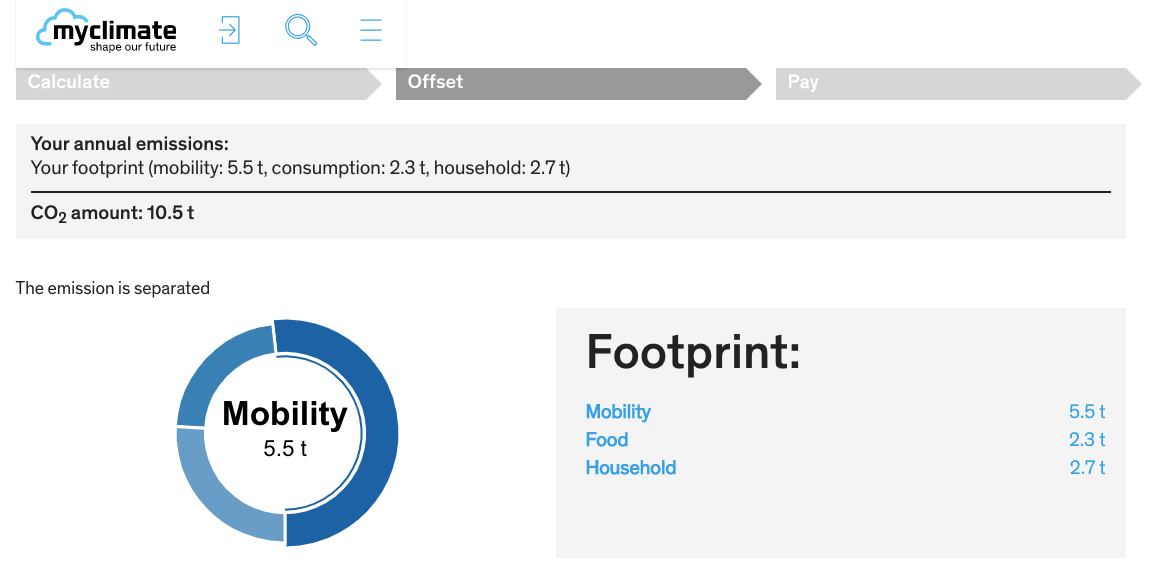
Another Earth Day/Week project also included calculating carbon footprint then offsetting it by donating to organizations and businesses working on eco-friendly and renewable energy projects to reduce carbon footprint.

Here are some resources that were used for carbon footprint information:

https://www.myclimate.org/

https://www.epa.gov/ghgemissions/global-greenhouse-gas-emissions-data

https://www.footprintnetwork.org/our-work/ecological-footprint/

And to end, sharing a wonderful song Tara had shared with her sons to celebrate Earth Day:

https://www.youtube.com/watch?v=QNtE5FanPLE

HAPPY EARTH DAY/WEEK 2020 !


Categories
EDforSD

What does it take to be a journalist?

Updated: Apr 8, 2020

We had the pleasure of speaking with Mr. Subhajoy Roy of The Telegraph (Kolkata), who has been with this eastern India’s largest circulated English daily for 10 years.

He covers stories on air quality issues; civic issues like waste management, water supply, health issues and road network as well as infrastructure (traffic planning and traffic management. He is currently covering COVID19 -related steps taken by the government and  state health department.

In the conversation, our Eco Ambassador participants asked about the nature of the job of a journalist – what skills and qualities are needed to be a journalist?

Along with sharing an advice he was once told– that EMPATHY is the most important quality of a journalist– he also shared with us a list of quotes, movies and books he found, that further reflects and illuminates a journalist’s job (see below!)

Thank you Subhajoy Roy!

FULL INTERVIEW can be found @ https://youtu.be/0-DXDD6EtJU

QUOTES: (Gabriel Garcia) Marquez used to say that the journalist should be like a mosquito, which is there to irritate those in power, buzzing instantly. -Director of Colombian news website La Silla Vacía

I have learnt a great deal from listening carefully. Most people never listen. -Ernest Hemingway

Headline in a 2016 piece by Columbia Journalism Review: “The voicelss have voice. A journalist’s job is to amplify this”.  Source: https://www.cjr.org/first_person/buttry_story.php

MOVIE LIST:

All the President’s Men (1976) #Won multiple Oscars, Golden Globe and BAFTA nominations.  #The issue: Investigations by two reporters of The Washington Post unearthed facts and stories that led President Nixon of the United States to resign. One of the most defining moments of investigative journalism in history.  # The Washington Post won Pulitzer prize for public service in journalism in 1973.  SPOTLIGHT (2015) #Won Oscar for best picture in 2015.  # The issue: how investigation by The Boston Globe’s Spotlight department unearthed sexual abuse of childern by the Church.  # The newspaper won Pulitzer prize for public  service in 2003 KILLING FIELDS (1984)  #The film won 3 Oscars and 8 BAFTAs.  #The issue: how journalists reported the killing of people by a tyrannical regime in Cambodia.  PEEPLI LIVE (2010) #It is an Indian film in Hindi language. Look for a version with English subtitles.  # It is a critique of modern day media and political leadership.  # The story is how things unfold after farmer suicides in an Indian village.  How media landas there and how it covers the story.  READING LIST

ALL THE PRESIDENT’S MEN  #By Bob Woodword and Carl Bernstein, the two reporters whose work primarily led to president Nixon’s resignation. 1974 book, film in 1976.  GEORGE ORWELL’s essays for their prose. Read “Why I Write”. Orwell says “I write it because there is some lie that I want to expose, some fact to which I want to draw attention, and my initial concern is to get a hearing”.  JOHN HERSHEY’s “Hiroshima” on what happens after the atom bomb fell in Japan.  GABRIEL GARCIA MARQUEZ’s “The Story of a Shipwrecked Sailor”. Marquez, who was a journalist, wrote 14 pieces for a newspaper. Only one sailor of the Columbian Navy ship survived. Marquez’s account revealed that the official version of a storm killing all but one sailors was false. The accounts were later published as the book.  Read on ROBERT FISK. A British journalist who interviewed Osama Bin Laden thrice. He has written on his experience of interviewing Laden.


Categories
EDforSD

What has led to COVID19? A compilation of responses from a public call. What ICT Center Global trainees know on COVID19

With COVID19, the ICT Center classes and operations in our sites in India, Rwanda, Uganda and Myanmar have come to a temporary slow down.

We continue to keep the communication channel with our trainees open, however, given site specifications and limitations, communication can be challenging.

Before the ICT Center classes closed for COVID19 measures, the ICT Center Managers in each site shared COVID19 knowledge with trainees and youth.

Thank you to Srinivas, Navatha, Munmun, John for getting the information out!

Here are some 1-line responses we received from our trainees, collected through WhatsApp text message, voice message, pictures of written pieces– we get creative when we have to communicate during isolation and quarantine!

IN JUST A FEW WORDS, WHAT ARE THE SYMPTOMS OF COVID19?

*Cough, fever and tiredness.

*Dry cough, headache, and fever.

*Cough, fever and headache.

*Fever, chest pain, chills, rapid heartbeat, breathing difficulties, Pneumonia, and kidney failure.

*Cough, fever, rapid heartbeat


IN JUST 1 SENTENCE, WHAT ARE SOME THINGS WE CAN DO TO STOP THE SPREAD?

*Stay at home, use mask and sanitize frequently.

*Sanitize, hand wash.

*Do not panic and if anybody visits your home from outside first tell them to hand wash and use sanitize.

*Follow all the safety rules and regulations directed by the government because your safety is in your hands.

*If you buy anything from outside first wash or clean it with lukewarm water before using it.(–> please use soap and sanitizer or disinfectants!)

*COVID19 is a virus whose medicine has not been discovered so please stay at home and follow safety rules and support the Indian government in this mission.

*Hand wash, use a mask, and take steam along with gurgle by adding salt and turmeric. (–> we haven’t found research on salt and tumeric gargle on COVID19, but hygiene practices are indeed important)


We also received questions from our trainees, from which we will plan a video session to address the questions. Be on the look out for the session schedule via https://www.edforsd.org/spring-2020-schedule

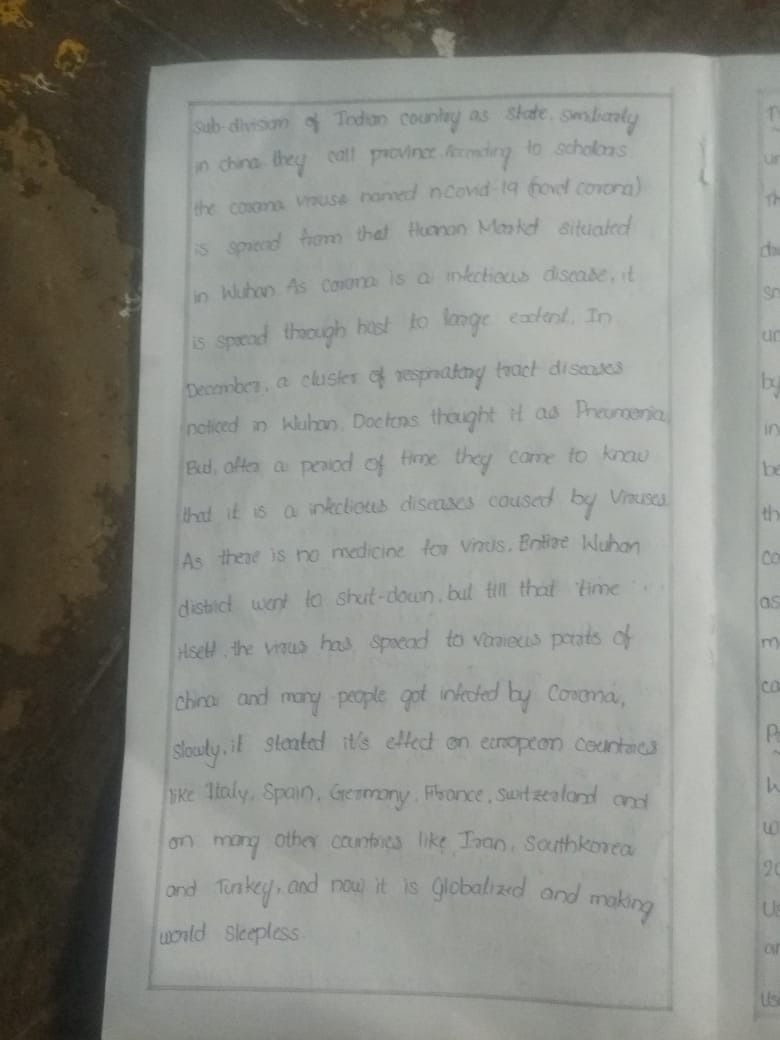
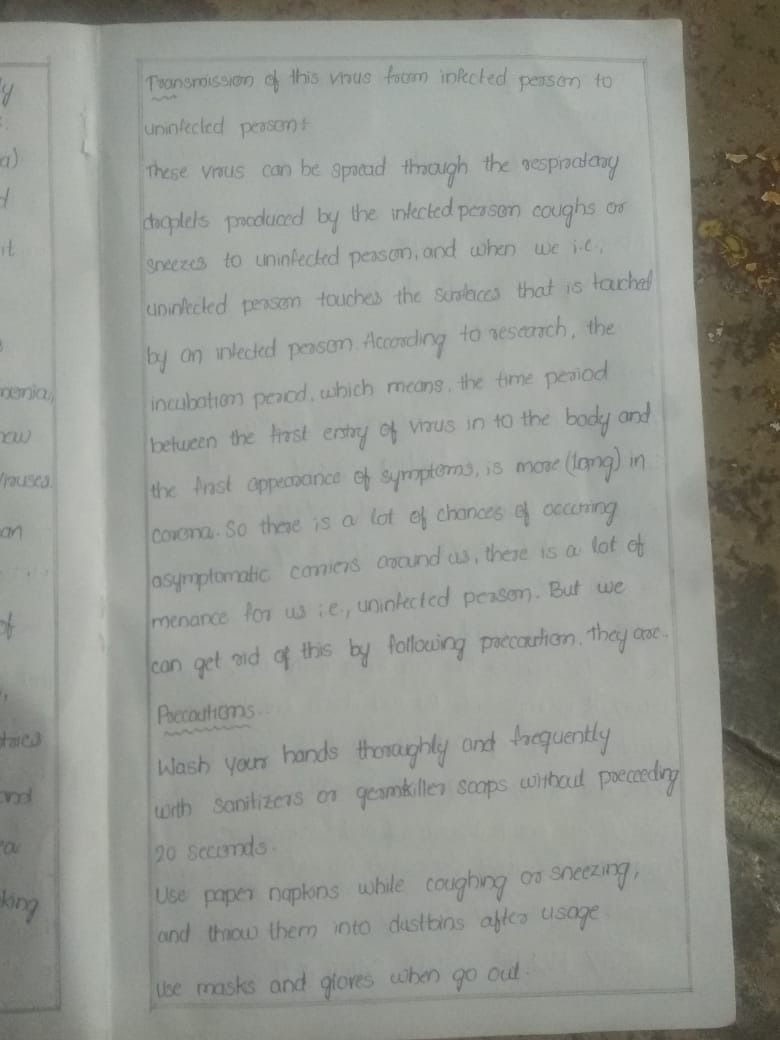
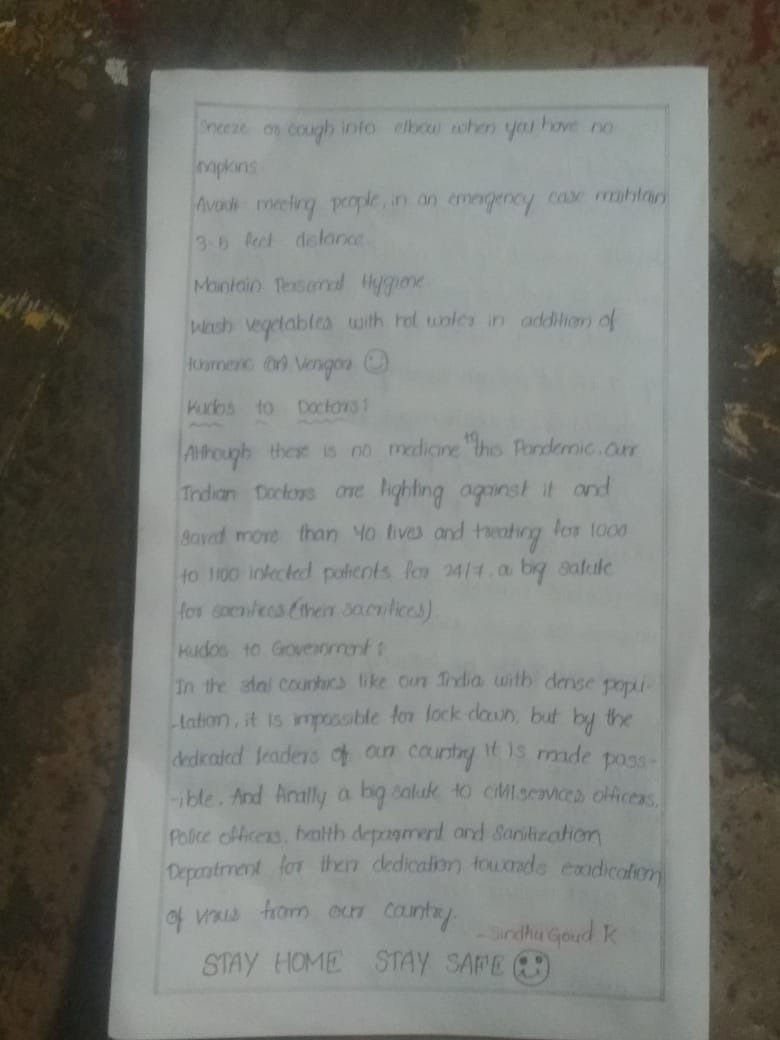
One of our trainees, Sindhu from Mahabubnagar wrote a piece on COVID19:


Categories
EDforSD

How much plastic is in your school?

Please take a look at this fantastic study and post by one of our most active Eco Ambassadors, Aalok Bhatt.


BY AALOK BHATT

My name is Aalok Bhatt and I am a sophomore in Millburn High School, New Jersey, and an Eco Ambassador for the Center for Sustainable Development (CSD) at Earth Institute, Columbia University and SDSN program.

Miss. Priya Patel of the Millburn Green Team, asked me and another student to create a survey in order to get more information about the plastic consumption habits of students in our school.

The survey got a good response as 1082 students participated in it, which is over ⅔ of the student body. To get such a high number of respondents, I had to put in a lot of effort to get the word out.

The first thing I did was to speak to all the class presidents to send out the survey. Unfortunately, I did not get enough responses so I decided to speak to the principal of MHS, Dr Miron, requesting him to send out the survey in a school wide email.

He did so and even reminded students to fill out the survey on the loudspeaker 2 times!

While analyzing the results of the survey, I saw that 57.9% of respondents never bring reusable cutlery to school. I was shocked when I saw this statistic and realised that a lot of work needs to be done in terms of convincing students to bring their own cutlery, and persuade the school to provide less or no plastic cutlery.

In order to achieve this, I, along with members of the High School Environmental team, plan to speak to Dr Burton (the superintendent of Millburn Public Schools), and Mrs Schnider (who handles the school’s finances) to lobby for reduced disposable cutlery in our school.


On a positive note, most of the results leaned to the environmentally friendly side, which gives me hope that we will be able to combat this problem in an expeditious manner.


Click here to see my findings!


Eco Ambassadors