Categories
EDforSD

Addressing Plastic Pollution through Entrepreneurship in Ghana

By Tara Stafford Ocansey

Though only in production for little over half a century, plastics have become so ubiquitous that by mid-century, it is estimated that there will be higher quantities of plastics than fish in our oceans.[1] This is because plastic takes more than 400 years to degrade, and less than 10% of plastic produced is recycled. The rest ends up in landfills where toxic chemicals leech their way into groundwater, or in our oceans, where they break down into microplastics that then make it into the bellies of wildlife and humans alike. It is estimated that the average person ingests between 39,000-52,000 particles of microplastic per year.[2]

Consumer habits driving demand for cheap products is a big part of this problem, as are plastic producers who are unwilling to sacrifice short-term profit for longevity of our planet’s habitability. These problems are then further compounded by waste management systems unable to handle the growing burden of plastic waste, particularly in developing parts of the world.
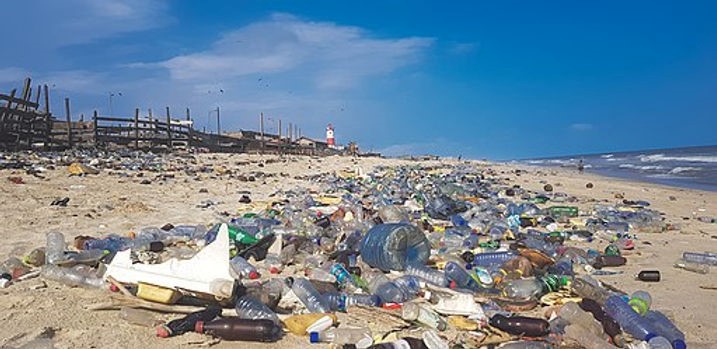

Plastic Pollution on Accra Beach. Photo by: Muntaka Chasan

In Ghana, a beautiful country that has become increasingly plagued by mismanaged plastic waste, the country is taking important policy strides toward addressing the challenge. In 2017, Ghana’s President Nana Akufo Addo launched the National Sanitation Campaign, which aims to increase Ghana’s sanitation by establishing a National Sanitation Authority, building a youth brigade tasked with enforcing sanitation laws, and establishing new recovery sites for recycling, among other efforts. Earlier this year, Ghana became the second country in the world and the first in Africa to join the Global Plastic Action Partnership of the World Economic Forum.

These policy solutions, while sounding great on paper, have been slow to take root. A visit to one of Ghana’s gorgeous beaches or along a main road makes it clear that plastic is everywhere. It is estimated that the country loses approximately 1.44 billion GHS annually due to poor sanitation.[3] During the rainy season especially, plastic pollution clogs drains, leading to public health crises such as numerous cholera outbreaks in recent years. The 2014-15 cholera outbreak impacted nearly 29,000 Ghanaians.[4]

With affordable, accessible waste management services slow to keep pace with demand, many families deal with their waste by dumping or burning it. During a recent survey in Odumase, a town in Ghana’s Eastern Region, just 60% of respondents reported using trash collection service. Among those not using the service, 56% reported that the main reason was due to lack of available service in their area, while another 22% reported that the service doesn’t come often enough. To deal with their waste, 47% reported burning their waste, while 40% said they dump it in open space or allocated dump sites near their communities.
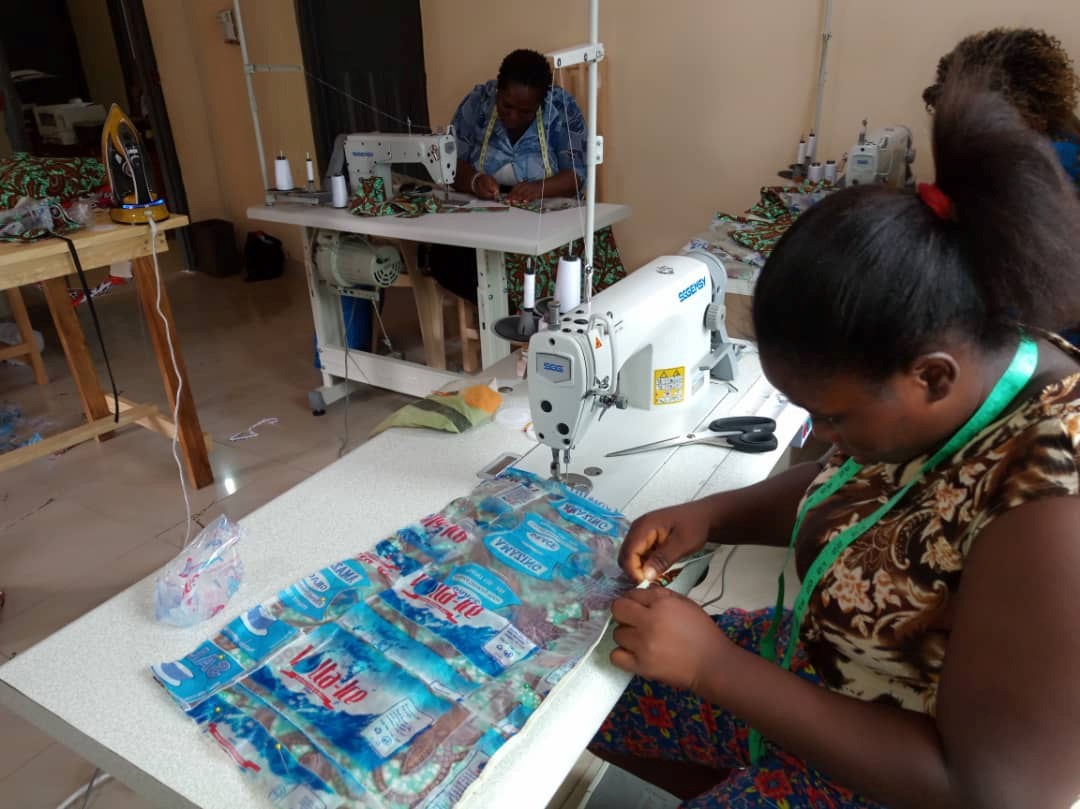
Vocational training participants making products lined with upcycled plastic sachets

One major source of plastic waste in Ghana comes from plastic sachet water, a main source of drinking water for much of the population. In the survey, 53% of respondents reported sachet water as their primary source of clean drinking water. These sachets are often discarded as soon as they are consumed, leaving sachets littering the ground. In homes, these sachets often get burned along with the rest of household waste, but it seems few are aware of the harmful impacts of home burning. Home burning increases risks of heart disease, aggravates respiratory ailments such as asthma, causes rashes, nausea, and headaches, and can damage the nervous system and reproductive system. Burning of plastic in particular releases some of the most dangerous, highly toxic chemicals. Plastics containing PVC release cancer-causing and hormone disrupting Dioxins. They accumulate in our body-fat and thus mothers give it directly to their babies via the placenta. Dioxins also settle on crops and in waterways eventually winding up in our food, our bodies and passed on to our children.[5]
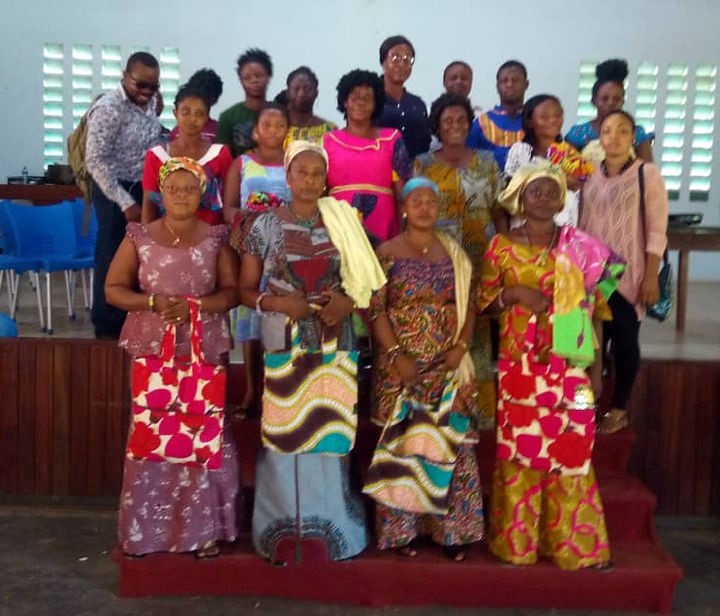
Sensitization participants pose with their new tote bags made by the vocational training participants to encourage “bring your own bag” practice.

To help address these challenges and contribute toward the National Sanitation Campaign’s aims, the Center for Sustainable Development has partnered with Youth and Women Empowerment in Ghana’s Lower Manya Krobo District, where Odumase is located, to help sensitize community leaders and citizens on the impacts of plastic pollution and to devise simple everyday actions that can be taken to help mitigate the issue. Leading up to the start of the sensitization campaign, the initiative invested in training a group of 10 young women in tailoring, but with a twist. Instead of learning to make typical clothing items found on the market, these women are making waterproof items lined with upcycled plastic sachet waste, including baby bibs, kids’ lunchboxes and school pencil cases, toiletry bags, tote bags, placemats, shower curtains, and more.
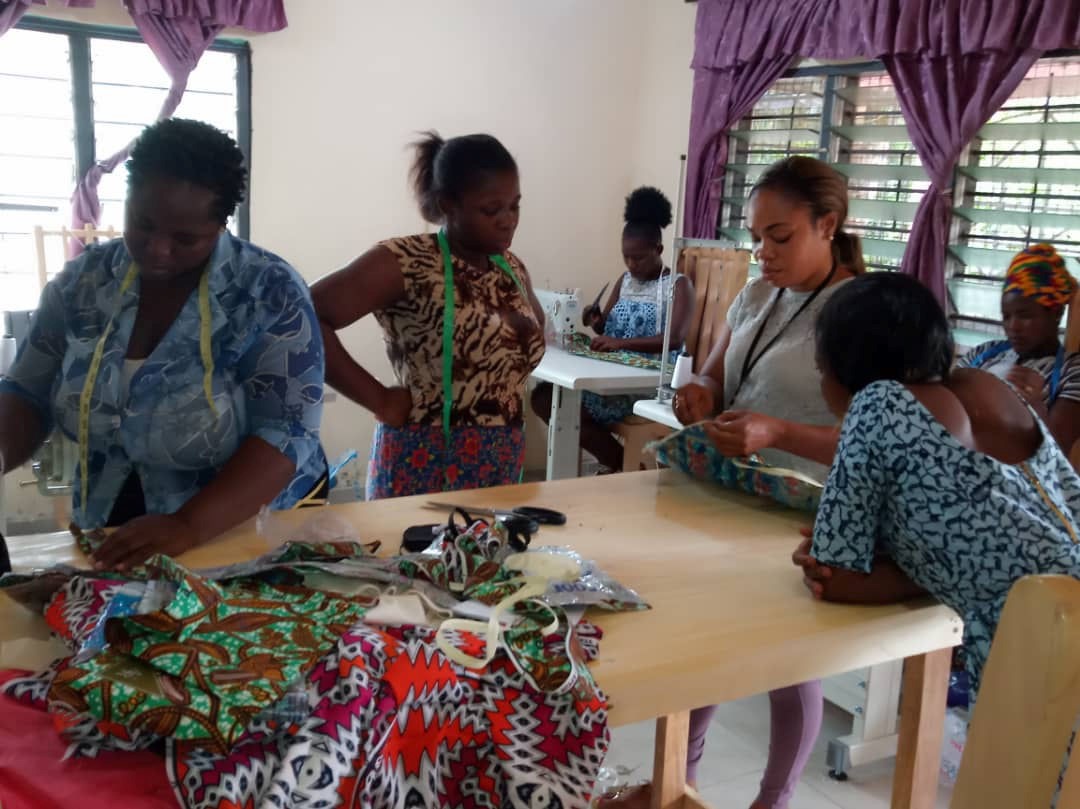
Trainees with their trainer, Judith Ahiabor, in the YOWE workshop.

During sensitization trainings beginning in November 2019, Queen mothers, PTA leaders and other key community stakeholders were provided tote bags purchased from the tailoring trainees, helping the young women earn income while at the same time giving the community members something tangible to help encourage them to avoid using plastic bags when they go to the market for their shopping. Judith Ahiabor, the tailoring trainer working with YOWE, described the sensitization by saying “They were so into it, because they were complaining about the plastic choking the gutters, and people’s homes were getting flooded, so they embraced it so well. What we came up with was that we would go to the schools, and come up with an award scheme in the community. Those who are able to gather a lot and keep their homes and environments clean, we will award them with our products.” In addition to committing to bringing their own bags while shopping, other actions that were decided upon during the sensitization trainings include separating their wet and dry waste, stopping their burning of household waste, and educating their peers to do the same. The community will also hold community clean-up days beginning in January 2020.

Cosmetics bag lined with upcycled plastic sachets

As these sensitization trainings are going on, the tailoring trainees are growing their sales by partnering with schools to provide their children’s products to the pupils, and participating in local exhibitions to expose their products to new audiences. Sensitization trainings will continue over the coming months, and changes in waste management behavior will be documented through continued observation and survey data collection by the CSD and YOWE team.


REFERENCES

[1] https://www.nationalgeographic.com/news/2017/07/plastic-produced-recycling-waste-ocean-trash-debris-environment/


[2] https://www.huffpost.com/entry/plastic-waste-pollution-ocean_n_5dcc2afae4b0d43931cddd52


[3] https://thebftonline.com/2018/economy/country-loses-gh%C2%A21-440bn-annually-to-poor-sanitation-open-defecation/


[4] https://www.ncbi.nlm.nih.gov/pmc/articles/PMC6003169/


[5] http://www.arb.ca.gov/smp/resburn/res-burn.htm


Categories
EDforSD

“I wish we had more of this in our school”

Reflections from Vidya Bindal, Middle School, Millburn, NJ

On the 13th of December 2019, a meeting took place at the library in our town. The goal was to raise awareness about the environment. It began with a movie, featuring a group of 4th/5th graders who made a difference in their community, and made it a greener place. They especially looked at the microplastics in their bay area. They collected samples and examined them under the microscope. After the movie we discussed.  We learned that in 2050 there will be more plastic (in weight) than fish in the ocean. Also, there were over 5 trillion microbeads in the oceans. Some points that were discussed were about the microfabrics that came from people’s clothes when they were washed.Some valuable suggestions came up too.The micro fabrics could be caught instead of let into the environment and made into clothes once again. Also, it was brought up that every store could have a grade in their front window. If they were extremely eco-friendly, they would receive an A. The grades would go down from there. Also, all the shoppers would be signaled that the store was worried about getting a grade if they didn’t have one in their window. That could only mean one thing. The store was not eco-friendly. Also, restaurants can start selling the reusable containers themselves. That way all take -out would be plastic-free. Everyone unanimously agreed that they would try to help in any way possible and that as much plastic was reduced was as many lives (of not only humans but animals too) saved.

Watching the movie, and seeing how schools were taking kids out to check microplastics in the ocean and then to talk to Council Members in the city, I was impressed that schools are making time from studies for these activities. I wish our schools did that more. They could either extend school by half hour, or switch some classes to make room for such activities.


Categories
EDforSD

Movie party at the Millburn public library

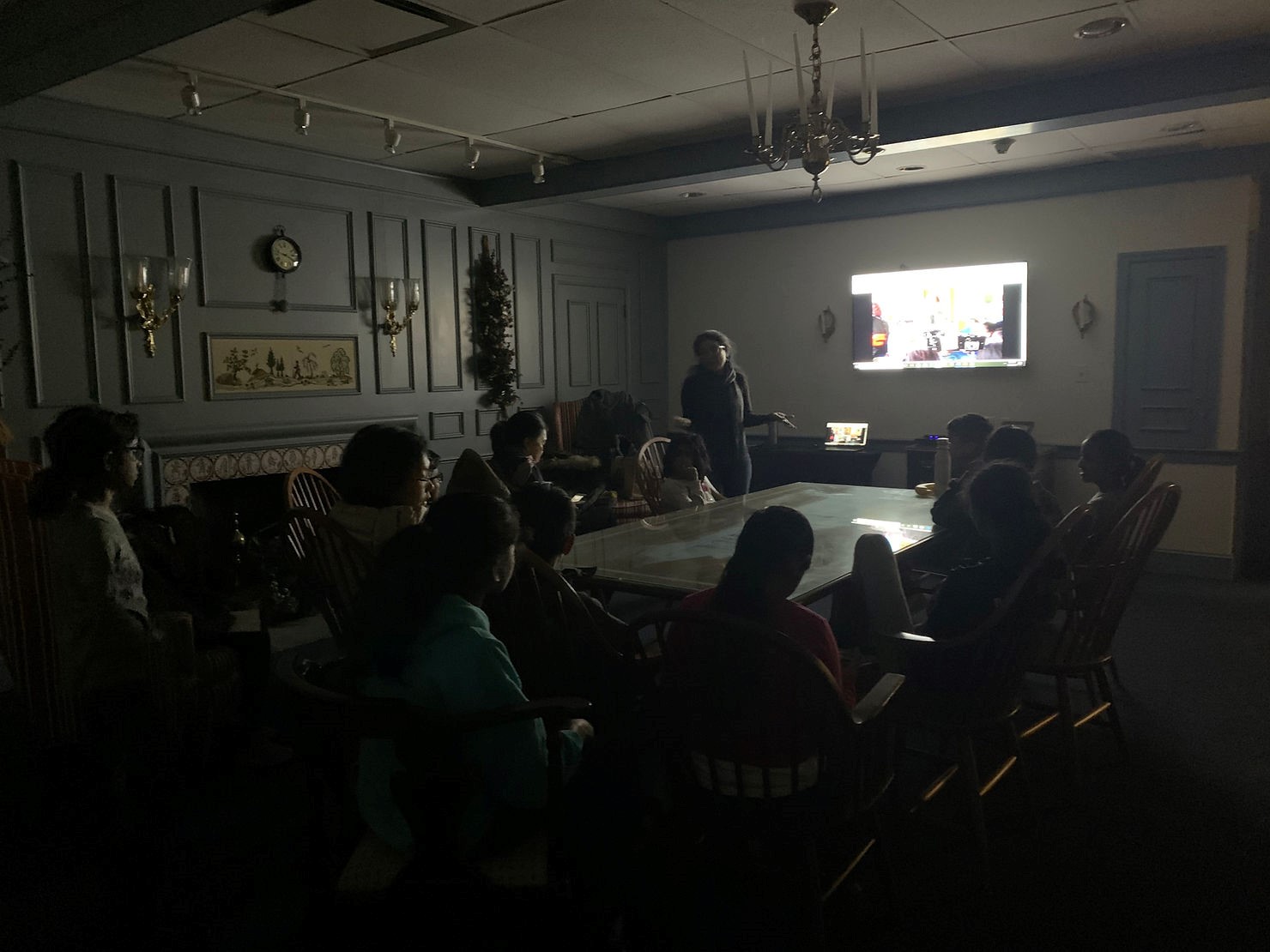
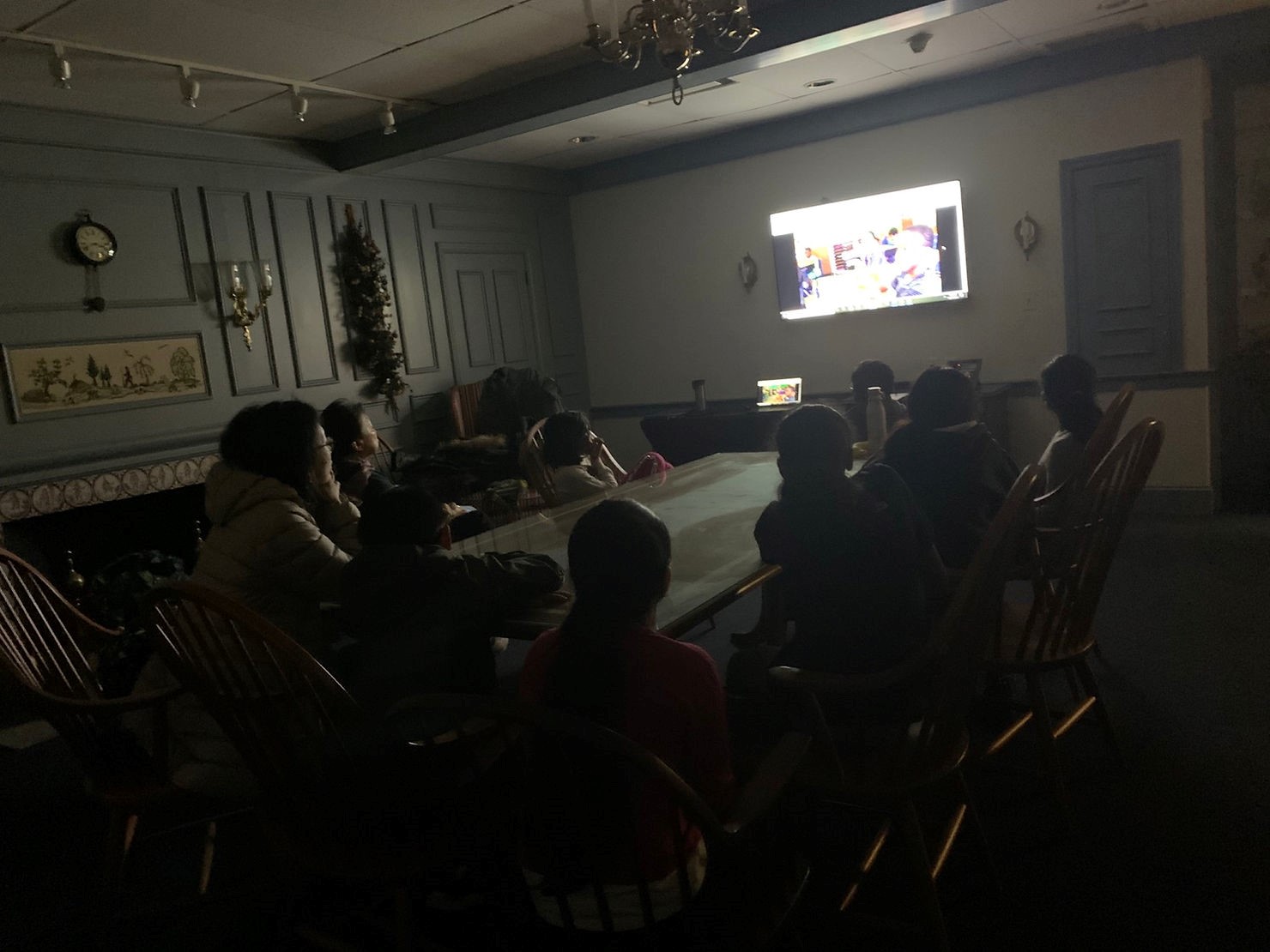
The eco-ambassadors were given an assignment to organize a movie party. Eco-ambassadors Vidya and Veda Bindal organized the Movie show at the Millburn Public library. There were more than 25 children present at the event. The Movie “Microplastic Madness” was screened. The children attentively watched the movie. The movie followed a discussion led by the students. Discussion on micro-fibers led to children trying to find a solution for it. What kind of filters to be used to control micro-fibers? Students came up with suggestions on how to control the plastic pollution at homes. Some said that they kept re-using the plastic bags and others said that they are careful not to take any plastic bags from the market. Many students said that they take their own bags. The session ended with students discussing how they are going to become eco-activist at homes, schools and in their communities.

Cheers eco-ambassadors!

Categories
EDforSD

Who wants to be an EcoKing or a Queen?

Ishaan Bharadwaj: Millburn Middle School

Hi! My name is Ishaan Bharadwaj. I am a 6th grader at Millburn Middle School and I am part of the Eco ambassador’s club. This year my family decided to have an environment friendly Thanksgiving. On Wednesday afternoon, the day before Thanksgiving, it was a half-day and I was bored. My mom was doing her usual Thanksgiving preparations. While I was just sitting down, I thought about the wastage each year at the end of Thanksgiving parties when we would have one or two garbage bags filled with wasted food, one-time use cutlery, wasted cups and napkins, and more. Think about how much your street wastes. How much your town wastes, how much the state wastes how much the country wastes! if you think it’s just a little or it’s just one day, the amount of wastage that happens every Thanksgiving throughout the world each year can’t be fixed. It is so much, that it is leading to a big disaster. So this year, I decided that my family would be the one to start the change, not just to change this Thanksgiving, but to initiate a change in the small world around us.

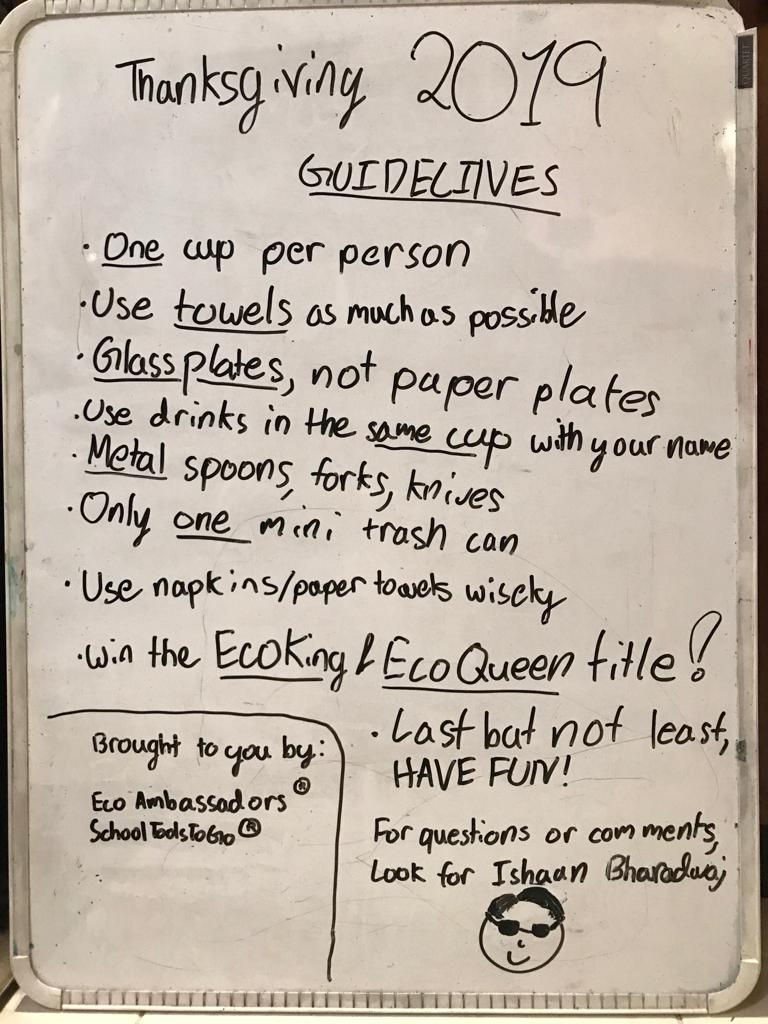
We told all our friends who were invited that we are having an eco-friendly party. I wanted to be more creative, so I made a board with rules and the guest who followed the rules the most would be crowned ECOKing & ECOQueen. We started preparing for the plastic-free party. We took out all our glassware, metal spoons and forks, and glass cups. We removed all plastic items including serving bowls and serving spoons and table cloth. We cooked everything at home and we requested our guests to bring food without plastic packaging as well. None of the food used plastic packaging, plastic cans or plastic covers because everything was homemade! All the guests were very cooperative and followed the rules. They were, in fact, having fun playing the game and were very sportively trying to win the ECOKing/ ECOQueen title. They even helped clean the dishes. At the end of the day, I was so happy to see our garbage can barely filled up. I think our Thanksgiving this year did make a difference to the environment. My biggest takeaway from this event was that it is not very difficult to go plastic-free in your parties and by making it fun with a game you can send the message across in a fun way while doing your part to save earth.


Categories
EDforSD

Sustainable Celebrations – Our Eco-Friendly Thanksgiving

Guest Blogger: Aalok Bhatt


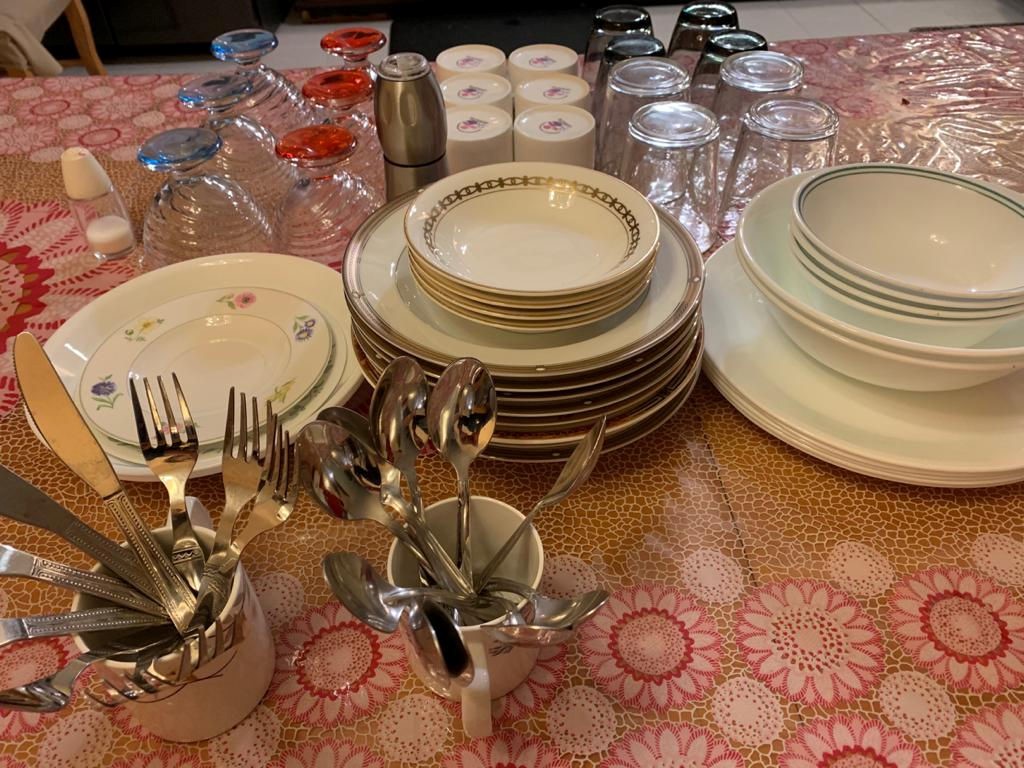
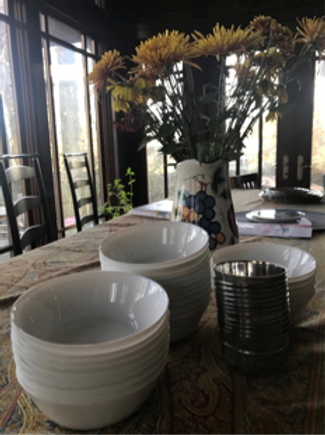
My name is Aalok Bhatt and I am an Eco Ambassador for the Environment in Action program in Millburn, NJ. As part of my duty to spread eco awareness in my community, this year, I hosted an eco-friendly Thanksgiving feast at my place. My family took a series of steps in order to achieve this goal. To begin with, we decided to do away with the convenience of using disposable plates and cutlery as these generate a lot of waste that pollutes our environment. Instead, we decided to use our own plates and steel cutlery, and borrowed some additional plates, bowls and glasses from the Bartan Bank, a community bank of crockery, cutlery & glasses set up with the contribution of a few like minded members of our community. These items can be borrowed by anyone who is hosting a party, by booking in advance and ensuring an eco friendly experience for all!


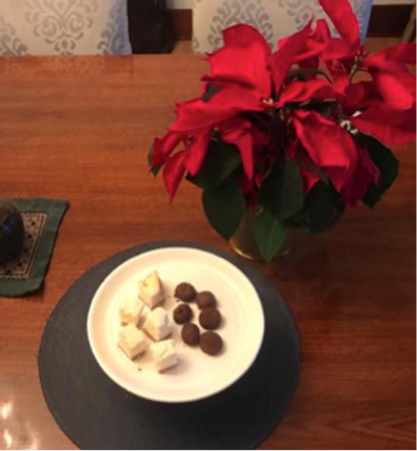
Our family informed all of the guests that it was going to be an eco friendly party and we asked them to not bring any desserts or gifts with plastic packaging. All those who attended were very cooperative, as people came with plants and homemade appetizers for the party. Our Thanksgiving dinner generated virtually no waste this year, as compared to previous years. We also went to great lengths to make sure that the produce that was used for making all the dishes had a low carbon footprint, in terms of packaging. For dessert, homemade bite sized truffles were served.


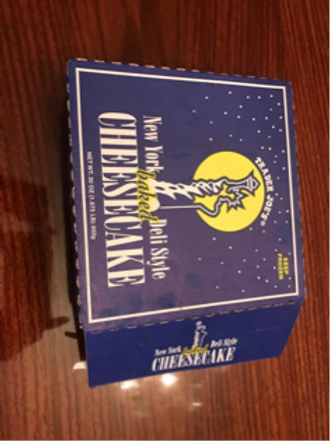
We also bought cheesecake from our local Trader Joes and it came in a cardboard packaging, and not plastic. This cheesecake was cut up into small pieces and served on a platter along with the truffles. This not only cut down on food waste but also on plates and bowls used for serving dessert. Small steps like these can help clean our planet as all of the plastic that was ever made still exists in one form or another, polluting our oceans and destroying our ecosystem. It only took our family a small amount of effort and commitment to take these steps, and even our guests did their part. I am confident that if everyone takes steps like these, then we will curb our plastic waste significantly, and live on a clean and happy planet.


Categories
Power in Praxis

Self-Advocacy at the ICT Center, Mahbubnagar, Telangana, India

By Dr. Nidhi Thakur

About five months back I visited the Information Communication Technology (ICT) Center, in Mahbubnagar, in one of the newly carved out South-Indian states of Telangana. Having contributed to the development of some parts of the study material for the center, through consultation with the Center for Sustainable Development at Earth Institute Columbia University, I was understandably very eager to interact with the students on the field. And indeed, the experience was every bit I had hoped for, and more.

Women, from class 12 onwards, sometimes even simple housewives, are highly encouraged to attend the center for three-month courses, to learn basic computer literacy and various other life-skills. The entire course is free of cost, and all it requires is for students to demonstrate sincerity in attendance and an eagerness to engage. None of these were lacking in the women who primarily belong to underprivileged and uneducated families. The ICT Center seemed like the right crack in their dark shell to let light in. It is hoped that through the exposure to education and information at the center, the women would feel more empowered to pursue higher interests of education or financial independence.

What stands out for me, till date, is the look that I had forgotten, in my almost two decades of staying on the Western Hemisphere. A look of naivete that comes from being inexperienced, underexposed, small in age and economically weak. I saw that in many, if not all women there. Yes, they were excited to be learning new things at the Center, but they were also unsure of how their sliver of enlightenment reconciles with their station in life. They are, after all, women. And if being a woman in India is perilous enough, being a woman from a poorer section of the society can only be more so.

That look has haunted me, and as though to shake me from my first-world stupor, last week, India is sent rocking, by yet another brutal rape-murder, this time in the city limits of Hyderabad, the capital city of Telangana, and an hour and a half car-ride from Mahbubnagar!

That India has infamously earned the title of the ‘Most Dangerous’ Place in the civilized world to be a woman, is not just shameful, but also sad. Crimes from female infanticide, sexual harassment, acid-attacks, dowry deaths, rapes and marital rapes are only on the rise. A rape occurs almost every 20 minutes somewhere in India. In a 24 hour cycle, that is a staggering 72 females violated. And those are just the officially reported numbers! Several cases go unreported due to a devious mix of many reasons, including societal taboos around rape, and lack of judicial support for the victims.

Females of all ages are under threat! Minors as young as two years old are victims of such crimes. Since women who are raped represent nothing in common except their gender, rape in India is clearly not a crime of a caste, or a class, or a religion. Rape in India is a crime by men against women. It is misogyny at its worst, and as perverse as it gets, for the nature of the annihilation of the female is becoming more horrible with each crime.

While this is the time to halt an average Indian male on his tracks, and look him in the eye to question him, on his mind-set, and that of other men in his circle, it is also the time to give all out superpowers to centers like this one, where a self-driven set of women from a vulnerable section of the society gather to be granted the gift of upliftment. This captive audience is the exact student body that needs to be empowered with most importantly, the ability for self-advocacy.

The women need to be taught basic English fluency and computer literacy, but also their basic right to speak to men about why crime against women is not just not right but also is economically, demographically and sociologically harmful for men also. The women need to be taught the ability to discuss misogyny with family and friends of all genders, especially in the light of the new high-profile Rape case. They need to be able to come back with a reply, when people say that the recent rape victim was ‘calling’ for trouble by traveling at 8pm in the night. The reply is simple, and every woman, at the ICT Center and otherwise, should memorize it: 8pm is evil because of the evil minds of the perpetrators, just like 8 am or 6 pm or 4 am! Men CANNOT be allowed to declare sun-down as their hour of unbridled lust.

Women at the ICT Center, were the first I thought of when the recent rape case came to light, because of the geography. However, I realize that women all over India, need to talk to men about why crime against women is on the rise, because the solution, if any, has to come collectively. The first step to this cross-gender conversation is empowerment of the self. No being shy, no being coy, no being pretty nor kind. Just straight up and ready to talk. I am very sure that the self-advocacy unit of the ICT Center in India especially, will continue to focus on this. This is particularly required, since crimes such as the recent ones, and in close geography, can be highly threatening and demoralizing, for those who belong to the neighborhood. Looks like there is a lot of work to be done, continuously.