
Loading Events

« All Events

  • This event has passed.

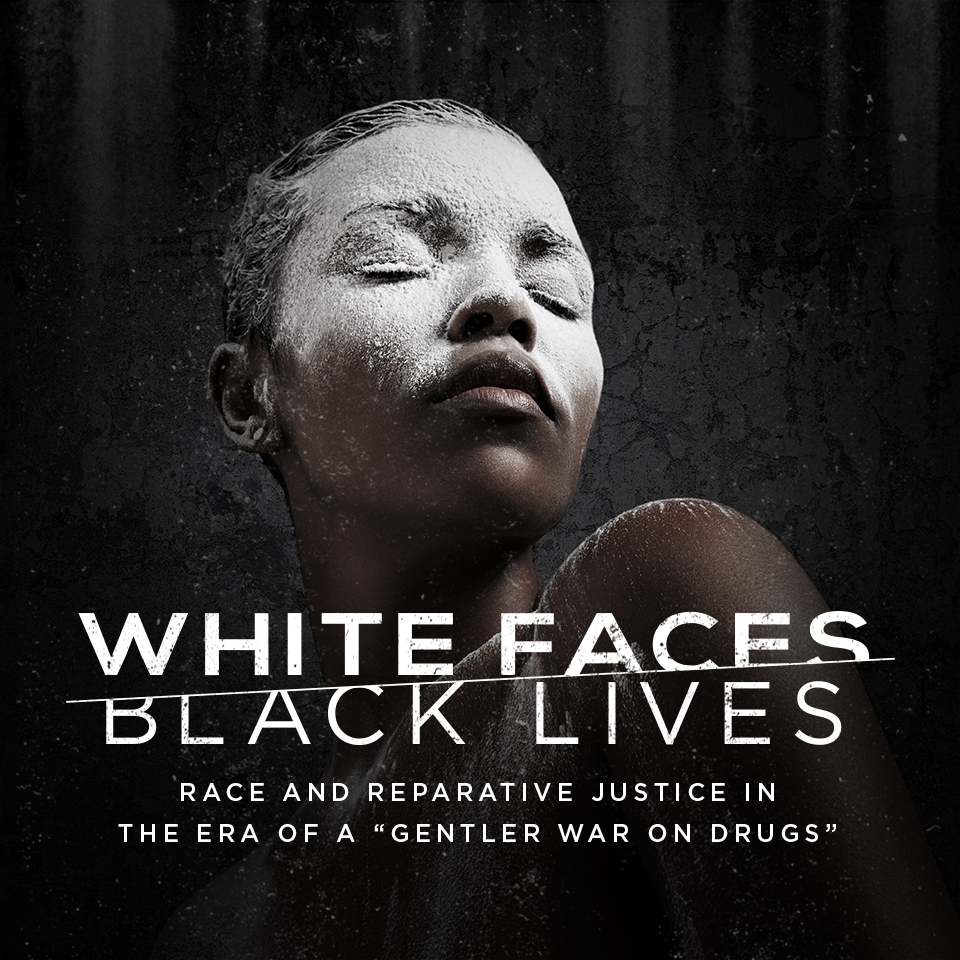
WHITE FACES, BLACK LIVES: RACE AND REPARATIVE JUSTICE IN THE ERA OF A “GENTLER WAR ON DRUGS”

October 18, 2016

WHITE FACES, BLACK LIVES:

RACE AND REPARATIVE JUSTICE IN THE ERA OF A “GENTLER WAR ON DRUGS”

TUESDAY, OCTOBER 18TH — 6:30 PM

The Center for Arts & Culture, Skylight Gallery, 1368 Fulton Street, Brooklyn, NY

WEDNESDAY, OCTOBER 19TH — ALL DAY

Columbia Journalism School (3rd Floor), 2950 Broadway, New York, NY

REGISTER HERE: http://wfbl.eventbrite.com/


In October 2015, the New York Times published “In Heroin Crisis, White Families Seek Gentler War on Drugs,” which noted, as other commentators have, that the white face of the current opioid crisis has engendered a different set of responses than past drug epidemics that were seen as affecting largely Black and/or Latinx communities. Historically, when a “drug problem” is seen as affecting primarily Black and Brown communities, government intervention focuses on law enforcement. Over the past 40 years, this has resulted in the incarceration of massive, unprecedented numbers of people, primarily people of color. As more and more observers have noted, it has only been since the complexion of people perceived to use drugs changed that compassionate and health-based interventions gained favor over criminalization in popular media and among policymakers.


How is race linked to these policies changes? How can we acknowledge and atone for the past harms done to communities of color even as we look toward more compassionate, public health oriented responses? How can we ensure that all communities benefit from these policy changes and the resources that follow them? What is reparative justice* and what is the connection to the drug war? How can a framework of reparative justice help us move forward so that we are reducing both the harms associated with drug use and the harms wrought by our drug policies past and present? Who should lead the conversation about repairing the harms of the drug war? These are the kinds of questions we will explore during this symposium, which will have a particular focus on the drug war in Black communities.

REGISTER HERE: http://wfbl.eventbrite.com/

PANELS

October 18 | 6:30 pm

CENTERING BLACK VOICES IN DRUG POLICY: PAST, PRESENT, AND FUTURE

Much has been written about the drug war and its effects on Black communities; scholars have analyzed the impact on families, neighborhoods, and institutions. Too often, this scholarship and dialogues about the drug war leave out the perspectives of the communities and people directly affected. For example, some have argued that the drug war was done under the watch of a supportive Black community. Others have noted a long tradition of harm reduction and resistance to the war on drugs within Black communities. On this panel, Black scholars, leaders and community members will discuss: Who should lead the conversation about repairing the harms of the drug war? What was the Black community response throughout the drug war? What was the role of elected officials of color? What was the community’s response to harm reduction? What is the role of the Black community today?


October 19 | 8:30 – 5 pm

KEYNOTE: A FRAMEWORK FOR REPARATIVE JUSTICE: WHAT IS IT AND WHAT COULD IT LOOK LIKE?

Speaker: Kassandra Frederique

If it is universally accepted from President Obama to Governor Cuomo that the war on drugs has failed, has harmed more families than it helped, and we cannot arrest our way out of the “drug problem,” then what is the moral responsibility of policymakers and institutions to communities most devastated by the war on drugs? Does the Movement for Black Lives and the “kinder, gentler drug war” era provide space to reconstruct a moral relationship between communities of color and government? If so, how? What is reparative justice? Can a reparative justice framework be applied to the war on drugs? What would that entail? Is New York ready to atone for the devastation of the war on drugs and its role in leading the country in punitive drug policies that result in racial disparities? Which communities should lead the conversation?


DIFFERENTIAL RESPONSES: A WAR ON DRUGS FOR SOME?

The policy responses following the recent heroin and prescription opioid epidemic in largely white, suburban communities has brought to attention the stark contrast in how drug addiction and overdose was addressed in the 60s and 70s, when it primarily affected communities of color. Unlike the war on drugs approach then, which entailed increased policing and criminalization, policies addressing the same crisis today invoke a distinctly public health response, termed by the media as a “kinder, gentler approach.” This panel will explore both the ways in which the war on drugs has harmed communities of color as well as how the current response to the “white” opioid crisis has differed. How have our past and current policies taken a toll on communities of color? How has this current opioid epidemic been portrayed and responded to differently? How has this response affected both white communities and communities of color? What additional research is needed to more fully understand the impact of the war on drugs?


RACISM AND ITS ROLE IN WHITE DRUG EXCEPTIONALISM

Scholars have well documented the ways in which the war on drugs has been targeted at and damaging to communities of color. Less explored, but also important, are the ways in which white drug use has been responded to differently. What historical examples are there of how white drug use has escaped a punitive and stigmatizing framework and what can they teach us about the current opioid crisis? What can we learn from counter examples, such as methamphetamine, which is largely perceived as a “white” drug? How does whiteness operate in the drug policy arena in ways that protect whites while penalizing people of color? How are these alternate systems for white drug use created and maintained?


RACE AND SOCIAL MOVEMENTS: LEARNING FROM THE PAST AND LOOKING TOWARD THE FUTURE

With increased acknowledgment that punitive drug war policies do more harm than good, some have suggested that putting forth a white face of addiction is more strategic to garner sympathy for a public health approach to drug use and misuse and gain resources for communities in need. Others argue that this a fundamentally flawed tactic doomed to failure. We’ll look at other social movements that have adopted that strategy and measure the effects on communities of color and white communities. What movement strategies create equitable access to resources, services, and treatment for communities of color?


LESSONS FROM OTHER MOVEMENTS FOR REPARATIVE JUSTICE

Repairing the drug war’s harms on people of color requires targeted and intentional policy. Can we envision policy solutions that will not only repair the harms of the drug war, but address the root causes of problems in addition to disrupting the structural tendency to replace revoked policies with new criminalization policies? Which tools can policymakers use to counter the decades of systemic harm related to the drug war? What are the lessons we can learn from other (e.g. international, historical) reparative justice movements?

Details

Date:
October 18, 2016
Event Category:
Website:
http://wfbl.eventbrite.com/