Follow Us On:



Faculty Publications on:

 PubMed Feed
- Novel approach to the codesign of a tailored intervention bundle: applying theory with pragmatism
- Firearms as a Market-Driven Epidemic: Potential Pathways to Reduce Preventable Firearm-Related Harm in the United States
- The Impact of Indirect Transport to a Trauma Centre on Survival for Major Trauma Patients: A National Propensity-Adjusted Observational Study
- The Dual Burden of Weight in YMSM: Structural Inequities and Body Image Pressures
- Perinatal depression and breastfeeding: a longitudinal investigation of the bidirectional relationship in Pakistan
- Estrogen metabolites in premenopausal women living in China, Mongolia, and the United Kingdom
- Associations of social and genetic background variables to neuro-cognitive biomarkers of psychosis
- Adverse sequelae of the COVID-19 pandemic on mental healthcare in six low- and middle-income countries (MASC): a mixed-methods study with lessons for the future
- Cannabis Effects on Neurocognition and HIV-Related Outcomes: Protocol for a Longitudinal Observational Cohort Study
- Dispatch disparities: Neighborhood segregation as a predictor of EMS triage discordance among critically injured trauma patients
Author Archives: Andrew
Depressive Symptoms During Adolescence and Young Adulthood, Gender and the Development of Type 2 Diabetes
The American Journal of Epidemiology just published research by Shakira Suglia finding that high depression symptoms in both adolescence and adulthood are associated with onset of Type II diabetes among women. Among men however an opposite effect was noted in that … Continue reading
Posted in Depression, Diabetes, Gender
Leave a comment
Unequal depression for equal work?
Current doctoral students Jonathan Platt and Seth Prins, along with Cluster faculty Lisa Bates and Katherine Keyes recently reported that structural workplace discrimination, measured as the presence of a gender wage gap, largely explained higher rates of mood disorders among … Continue reading
Posted in Anxiety, Depression, Gender, Wage Gap
Leave a comment
Neighborhood Social Environment and Obesity
Numerous studies have examined the relation between features of the neighborhood built environment and obesity related behaviors or obesity itself, to the extent that Healthy People 2020 includes goals for neighborhood built environment interventions to support physical activity. The neighborhood … Continue reading
Stigma and the Etiology of Depression among the Obese
Current Social Epidemiology Cluster doctoral student Steve Mooney and former Cluster faculty member Abdulrahman El-Sayed recently published a paper in Social Science & Medicine showing that a weight-stigma mechanism could explain the finding that depression among the obese is more … Continue reading
Social Epi Radio: The Selecter
Dr. Michael Friedman’s interview at Psychology Today with Pauline Black, lead singer for The Selecter, and Steve Shafer’s recent review of The Selecter’s new record, Subculture, are vivid reminders of the social issues highlighted by Ms. Black, The Selecter, and … Continue reading
Posted in Social Epi Radio
Leave a comment
Launching the Social Epidemiology Twitter Feed
We have launched a Twitter feed (@CU_SocialEpi) as a companion to our Blog and social media presences. Folake Eniola and John Pamplin will be leading our efforts to contribute to conversations on Twitter. Click the button in our sidebar to … Continue reading
Posted in Twitter
Leave a comment
Exploring How Residents of NYC Use Neighborhood Spaces
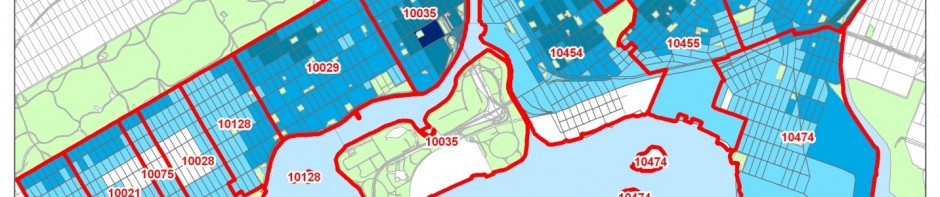
The Built Environment and Health team (including Cluster members Lovasi and Rundle) just published a paper in the American Journal of Preventive Medicine showing that differences in urban design in New York City (NYC) are associated with how residents utilize their residential neighborhood … Continue reading
Hey Mr. Sandman: dyadic effects of anxiety, depressive symptoms and sleep among married couples
Rundle and colleagues have been developing a series of projects studying how health and health behaviors are transmitted between members of married and domestic partnered couples. The first in a series of papers on this topic, “Hey Mr. Sandman: dyadic … Continue reading
Posted in Anxiety, Depression, Social Networks
Leave a comment
Sir Michael Marmot and Mark Bertolini: Confronting the Health Gap
Sir Michael Marmot and Mark Bertolini (Chairman and Chief Executive Officer, Aetna) speaking at the Mailman School of Public Health Grand Rounds on Confronting the Health Gap. Archived Live Stream [Here].
Posted in Uncategorized
Leave a comment
Understanding the Healthy Immigrant Effect and Cardiovascular Disease: Looking to Big Data and Beyond
Lisa Bates and colleagues just published an editorial in Circulation on the “Healthy Immigrant Effect” – the better health outcomes observed among immigrants as compared to their native born peers. Their editorial comments on research from the Cardiovascular Health in Ambulatory Care Research Team (CANHEART) … Continue reading
Posted in Healthy Immigrant Effect, Immigration
Leave a comment