Financing the SDGs, Privatization, and Human Rights: A Conversation with Jeffrey Sachs and Philip Alston

Financing the SDGs, Privatization, and Human Rights: A Conversation with Jeffrey Sachs and Philip Alston

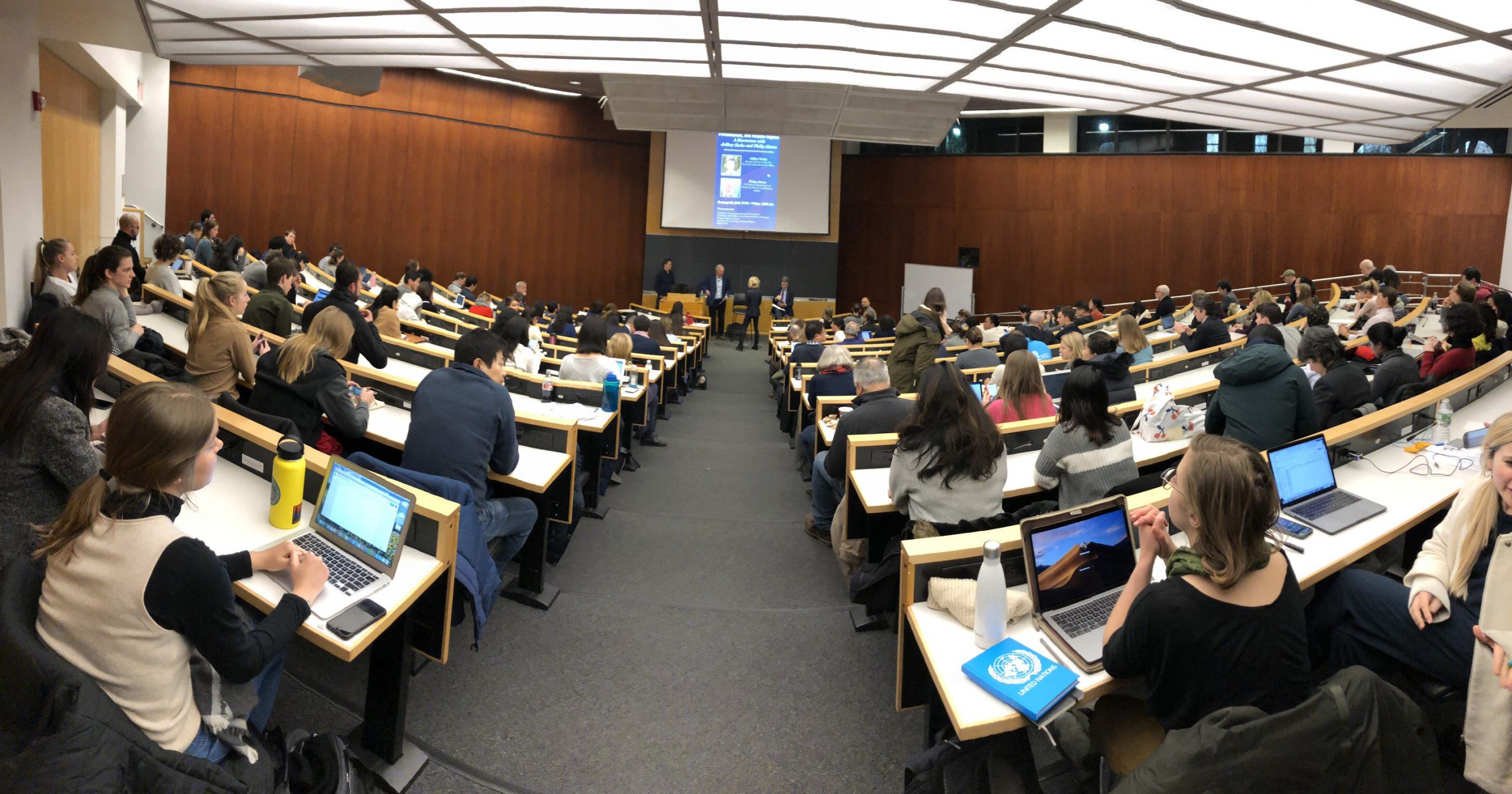
The UN’s Sustainable Development Goals are a plan of action designed with the intent to eradicate poverty “in all its forms and dimensions” and establish universal world peace by 2030 in order to move towards a more sustainable future. On January 30, Columbia welcomed Philip Alston and Jeffrey Sachs to speak on the issue of “Financing the SDGs, Privatization, and Human Rights.” The event was co-sponsored by the Columbia Center on Sustainable Development, the SIPA MPA in Development Practice Program, the ISHR, RightsLink, and the Human Rights Institute. Sachs is the Special Advisor to the UN Secretary-General on the SDGs and Alston is the UN’s Special Rapporteur on Extreme Poverty and Human Rights. To begin the conversation about the intersection of the SDGs, Human Rights, and the increasing problem of privatization in the achievement of the SDGs, the moderator asked Alston and Sachs about their opinions on the ways in which the SDG and Human Rights frameworks converge and diverge in...
Read More
The State of International Migration

The State of International Migration

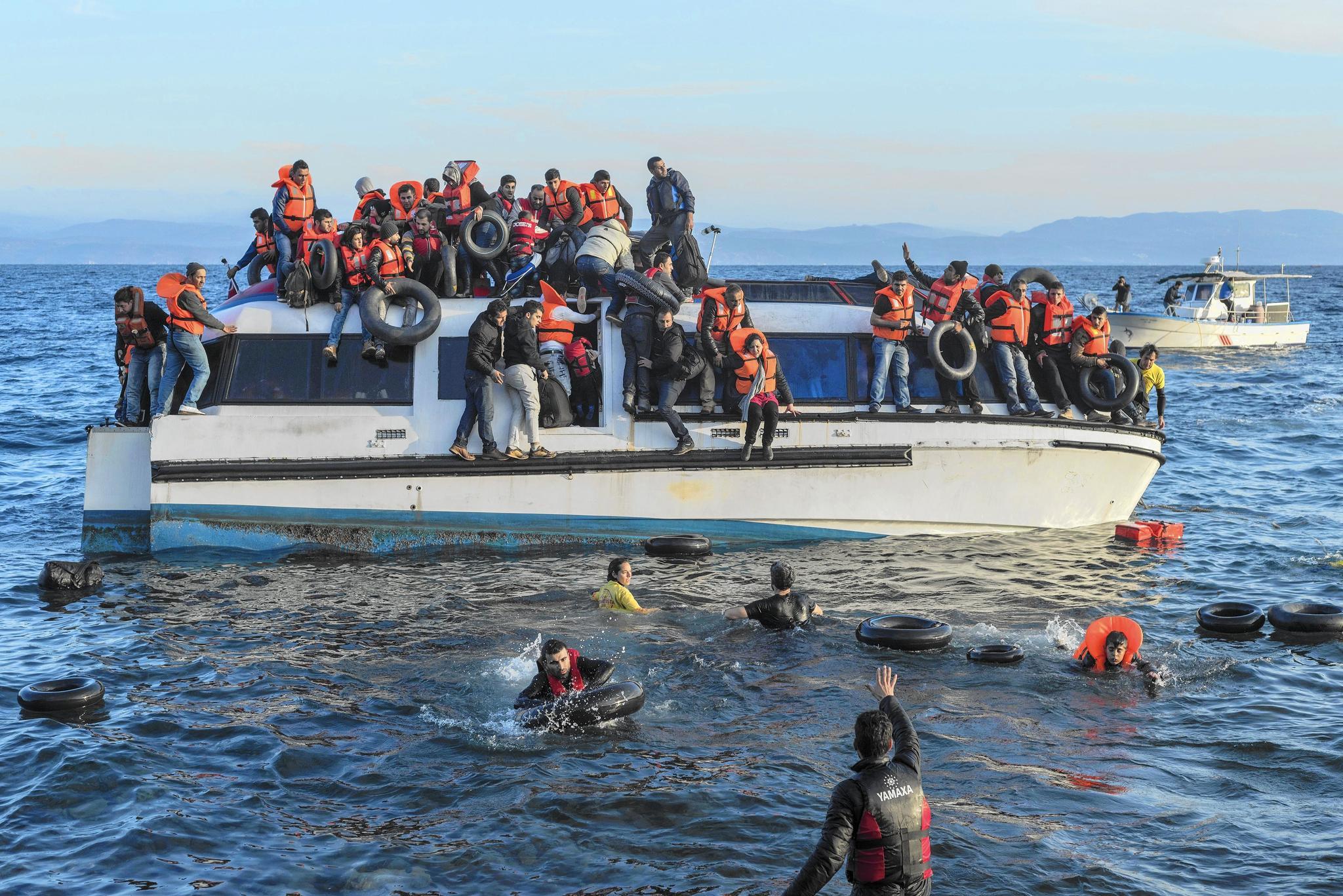
An increase of migration in recent years has spurred a global conversation that asks: what is the responsibility of countries, particularly democracies, toward migrants? Relevant discussions have had real consequences on-the-ground for both migrants and states, leading to legislation which has had positive effects, and also to massive human rights violations. I examine the broad movements in worldwide migration in the past few years and pull out important themes which can be gleaned from global happenings. The State of International Migration According to the UN’s International Migration Report released on December 18, 2017, there has been an increase in people moving away from their country of birth by 49% since the start of the 21st century. Yet according to the 2018 World Migration Report published by the IOM, this increase in migration remains comparable to the world population; the scale of growth remains stable in regard to population. A greater number of international migrants are moving into OECD countries to live permanently,...
Read More
Sterilization of People With Disabilities: Acknowledging the Past and Present History, Rhetoric, and Effects of a Harmful Practice

Sterilization of People With Disabilities: Acknowledging the Past and Present History, Rhetoric, and Effects of a Harmful Practice

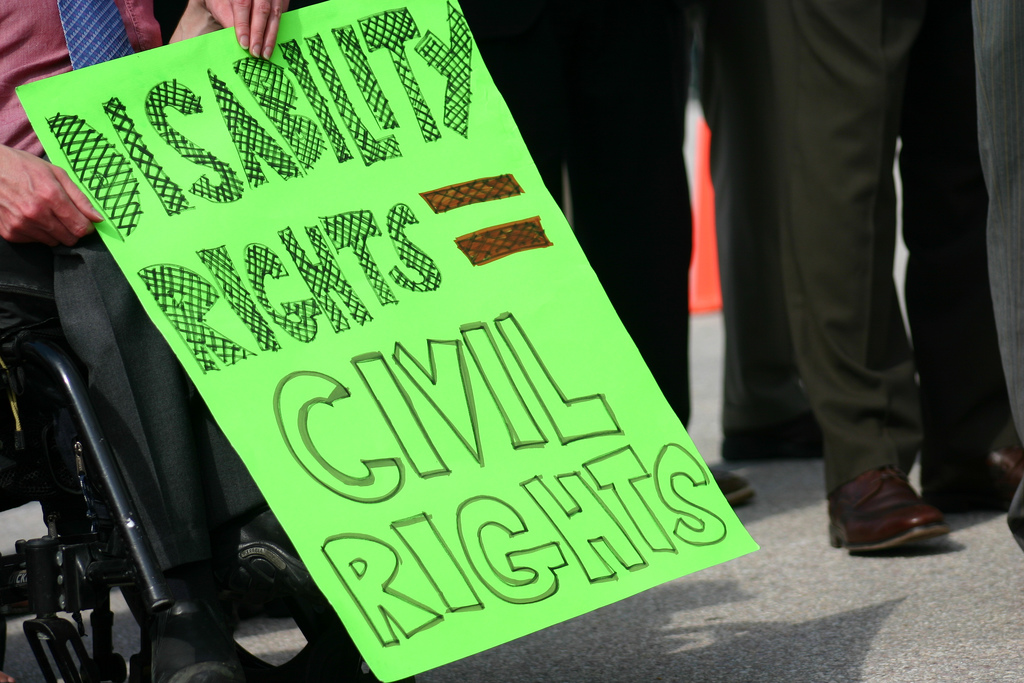
In the first week of 2019, a story about an Indigenous woman in Arizona giving birth while having been in a vegetative state for the past 14 years hit international headlines. It came as no surprise when investigators announced that they were looking into a “possible sexual assault.” A person in a vegetative state, by definition, cannot consent to sex because they are non-responsive to stimuli and lack self-awareness. This woman, disabled and reliant on healthcare providers to support her quality of life was instead abused and assaulted with no recourse to defend herself. This case is one of many that demonstrates the serious issues of sexual assault that face disabled people around the world today. According to disabilityjustice.org, people with disabilities (PWD) are three times more likely to be sexually assaulted than someone who is not disabled. 83% of women with disabilities (WWD) will be sexually assaulted in their lifetime. Understanding the severity of sexual assault of PWD is...
Read More
Gemfields’ Quest for Conflict Rubies in Nthoro, Mozambique

Gemfields’ Quest for Conflict Rubies in Nthoro, Mozambique

If you’re thinking of purchasing rubies in the New Year, you might want to reconsider purchasing any cardinal gem sourced from Mozambique. In 2011, a “poor and illiterate” farmer in Mozambique discovered a precious red gemstone, creating a “ruby rush.” This find made the country one of the world’s largest ruby producers. However, due to the rarity of rubies, according to the World Bank, land rights within Mozambique are a contentious issue, where ill-informed citizens are coerced into land grabs by government officials and influential corporations to mine rubies. As a central place for exceptional quality rubies, Gemfields Limited, a mining corporation that specializes in the mining and marketing of gems, wanted copious blood-red coloured gemstones from Mozambique. In 2011, Montepuez Ruby Mine (MRM), a subsidiary of Gemfields Limited, won the mining rights to 36,000 hectares of ruby-rich land in Nthoro, Mozambique. This created horrendous human rights violations on the local level. Having promised to relocate victims after winning mining...
Read More
Nicaragua: A Human Rights Crisis

Nicaragua: A Human Rights Crisis

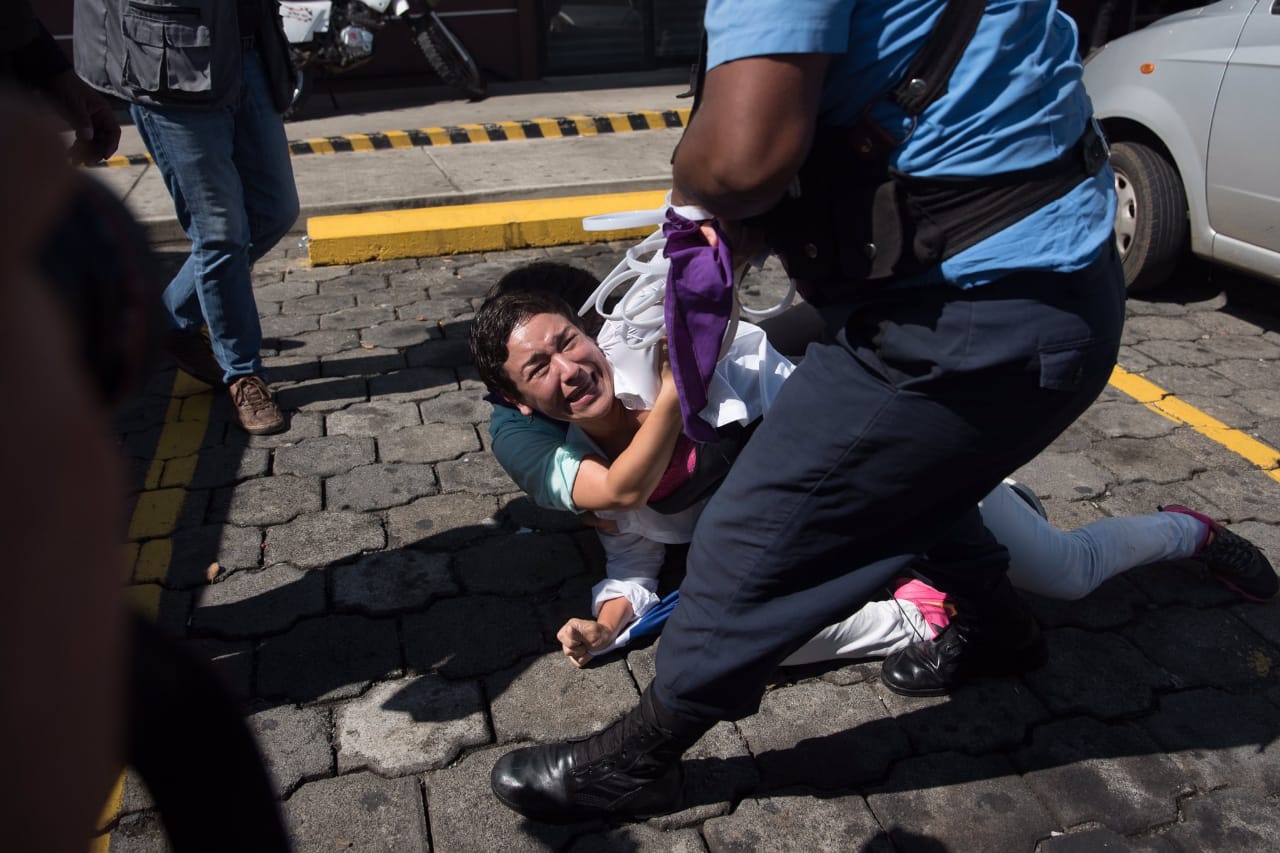
Social media has visibilized many human rights atrocities in the recent past and been crucial in the mobilization of masses, as it is able to transmit information to a great audience. Since the very beginning of the crisis in Nicaragua, activists have taken to Twitter, Facebook, and other forms of social media to raise awareness of the human rights abuses perpetrated by the government. Most recently, activists from the Alianza Universitaria Nicaraguense (AUN) or the Nicaraguan University Alliance have organized a week-long campaign of civil resistance. The campaign “Navidad Sin Presos Politicos” or “Christmas Without Political Prisoners”, from Monday, December 17 to Friday, December 21 demands the Ortega-Murillo government to release all political prisoners before Christmas Day. On Monday, December 17, the "Llamada Masiva" urged citizens to make phone calls to the Supreme Electoral Council, the Supreme Court of Justice, and the Ministry of the Interior. On Tuesday, December 18, the "Paro Electrico" urged that from 8-9pm everyone turn off all...
Read More

How U.S. Cities can Advance Abortion as a Human Right

Sexual and reproductive rights are foundational to gender equality. Access to abortion care is essential to the full realization of a person’s human rights. Indeed, international human rights mechanisms have had an impact on liberalizing national abortion laws by requiring that governments take affirmative action to ensure that women can access safe abortion care as part of fulfilling their obligations under human rights law. For instance, treaty monitoring bodies (TMBs) have consistently interpreted that safe abortion care is the application of several fundamental human rights guaranteed by international human rights law such as: the right to life; freedom from cruel, inhuman, and degrading treatment; liberty and security of the person; privacy; human dignity; health; and equality and non-discrimination. Although abortion is legal in the United States, anti-choice groups and conservative lawmakers have been successful in restricting the right to an abortion. For example, the Hyde Amendment is legislation that for forty-two years has banned federal funds from covering abortion care for...
Read More
The Future of Queer and Trans Rights

The Future of Queer and Trans Rights

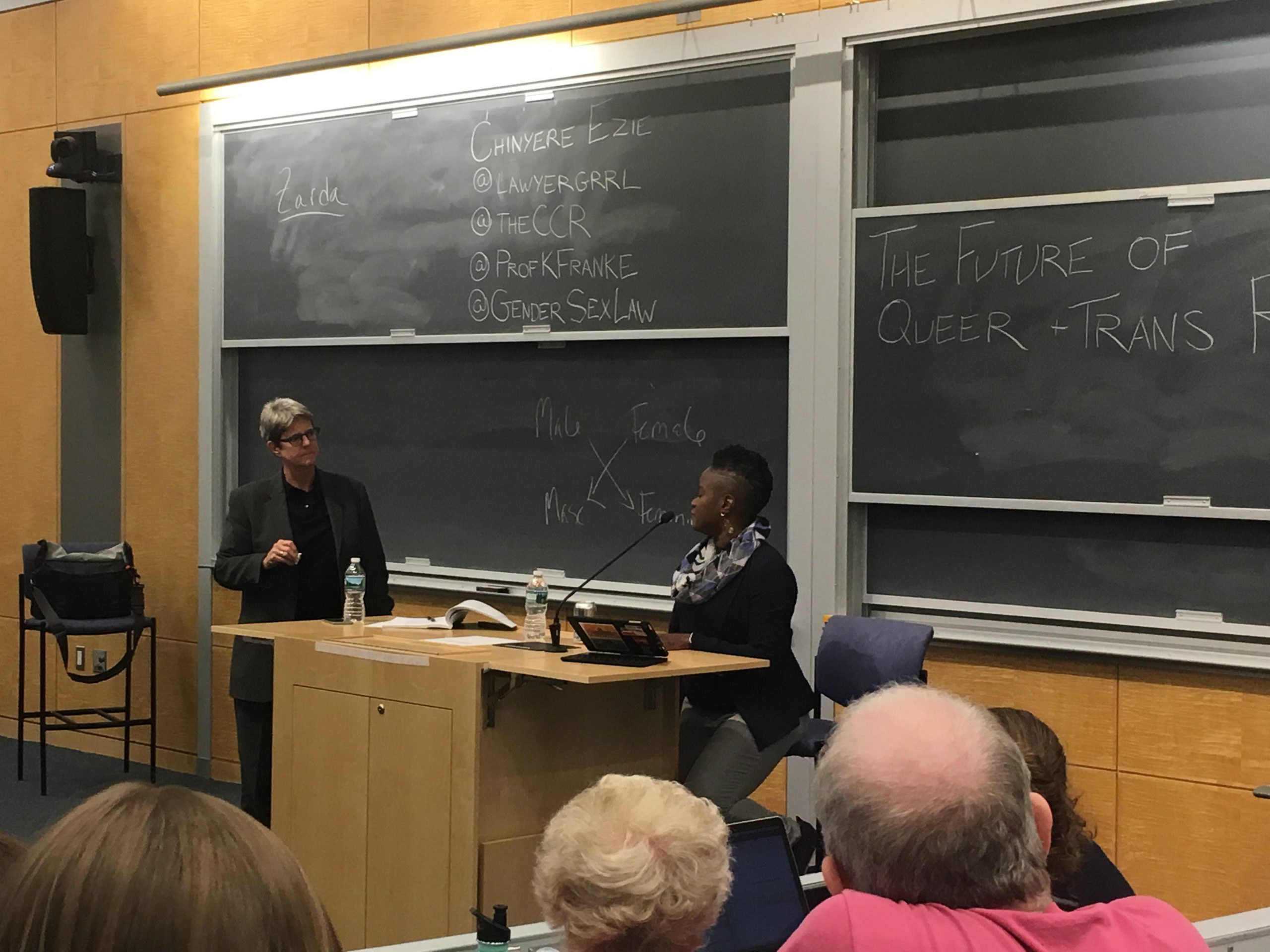
Aimee Stephens worked at a funeral home in Detroit for nearly six years when she wrote a letter telling her boss that she was transgender. Two weeks after, the Christian owned and operated funeral home terminated her job: not on the basis of job performance, but explicitly because she is transgender. Aimee took her case to the Equal Employment Opportunity Commission (EEOC), which sued the funeral home for firing Aimee on the grounds of sex discrimination. Five years later, in March 2018, the Court of Appeals for the Sixth Circuit issued a resounding victory for Aimee, stating that discriminating against transgender people is a form of sex discrimination that violates Title VII of the Civil Rights Act, which prohibits employment discrimination based on “race, color, religion, sex, and national origin.” The lawyers representing the funeral home from the Alliance Defending Freedom (ADF) accused the court of expanding the definition of “sex” and argued for the word’s strict protectionism. They petitioned that the...
Read More
LGBTQ Rights in a Global Perspective

LGBTQ Rights in a Global Perspective

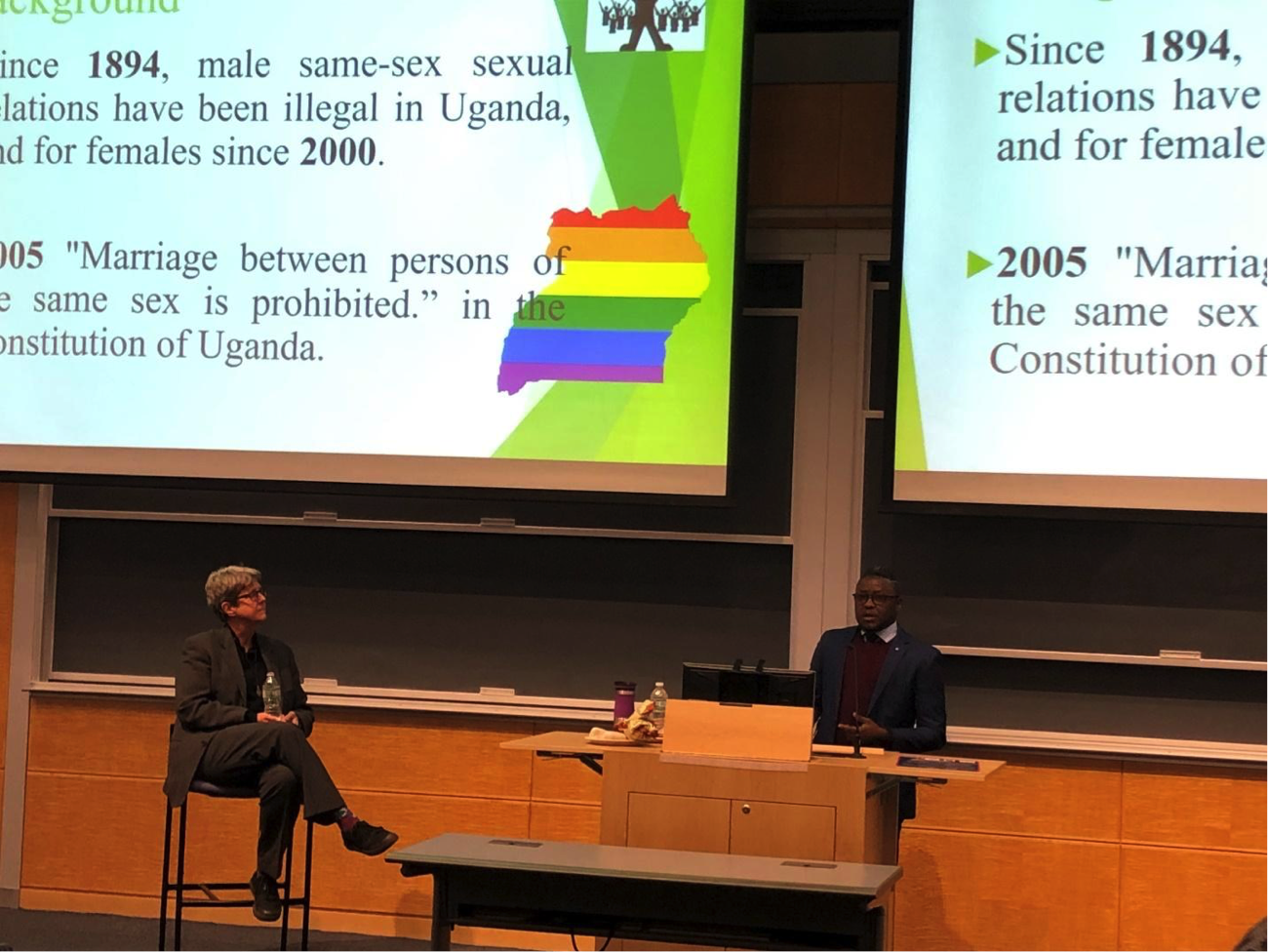
On November 12, Pepe Julian Onziema spoke to attendees of an event focusing on “LGBTQ+ Rights in a Global Perspective,” moderated by Professor Katherine Franke of Columbia Law School and the Center for Gender and Sexuality Law. Onziema, who is from Uganda, is currently a Fellow at the Institute for the Study of Human Rights at Columbia. He is an outspoken activist for LGBTQ Rights in Uganda and is the Programs Director of the non-profit organization “Sexual Minorites Uganda” (SMUG). His talk was centered around the history of LGBTQ persecution, as well as activism, in Uganda and the role that SMUG has played in making changes for acceptance and policy change. Giving some initial background on Ugandan LGBTQ history, Onziema explained that Uganda was colonized by the British and since 1894 male same-sex relations have been illegal—for females, it was made illegal more recently, in 2000. Further entrenching the criminalization of LGBTQ identity, the Uganda Constitution was amended in 2005 to...
Read More

Righting Victim Participation in Transitional Justice

On Wednesday, November 14, 2018, Dr. Inga Winkler, a prominent figure in the human rights community at Columbia, began the event “Righting Victim Participation in Transitional Justice” by introducing Tine Destrooper. Destrooper is the director of the Flemish Peace Institute and an associate professor at Ghent University. Previously, she has been the managing director of the Center for Human Rights and Global Justice at NYU’s School of Law and a fellow at the Wissenschaft-Kolleg, Berlin. The event’s focus: a new research project, focused on victim participation in transitional justice which is set to begin next year, and to be completed in five years. The project was created due to the ever-growing influence of transitional justice around the world. Effectively, this greater influence has engendered a rapid implementation of transitional justice frameworks. Such a rapid implementation can oftentimes lead to problems such as uniformity which fails to recognize country-specific conditions. To set the stage, Destrooper made sure that everyone in the audience understood...
Read More
Understanding Gender, Migration, and Transnational Advocacy: A Talk with Chaumtoli Huq

Understanding Gender, Migration, and Transnational Advocacy: A Talk with Chaumtoli Huq

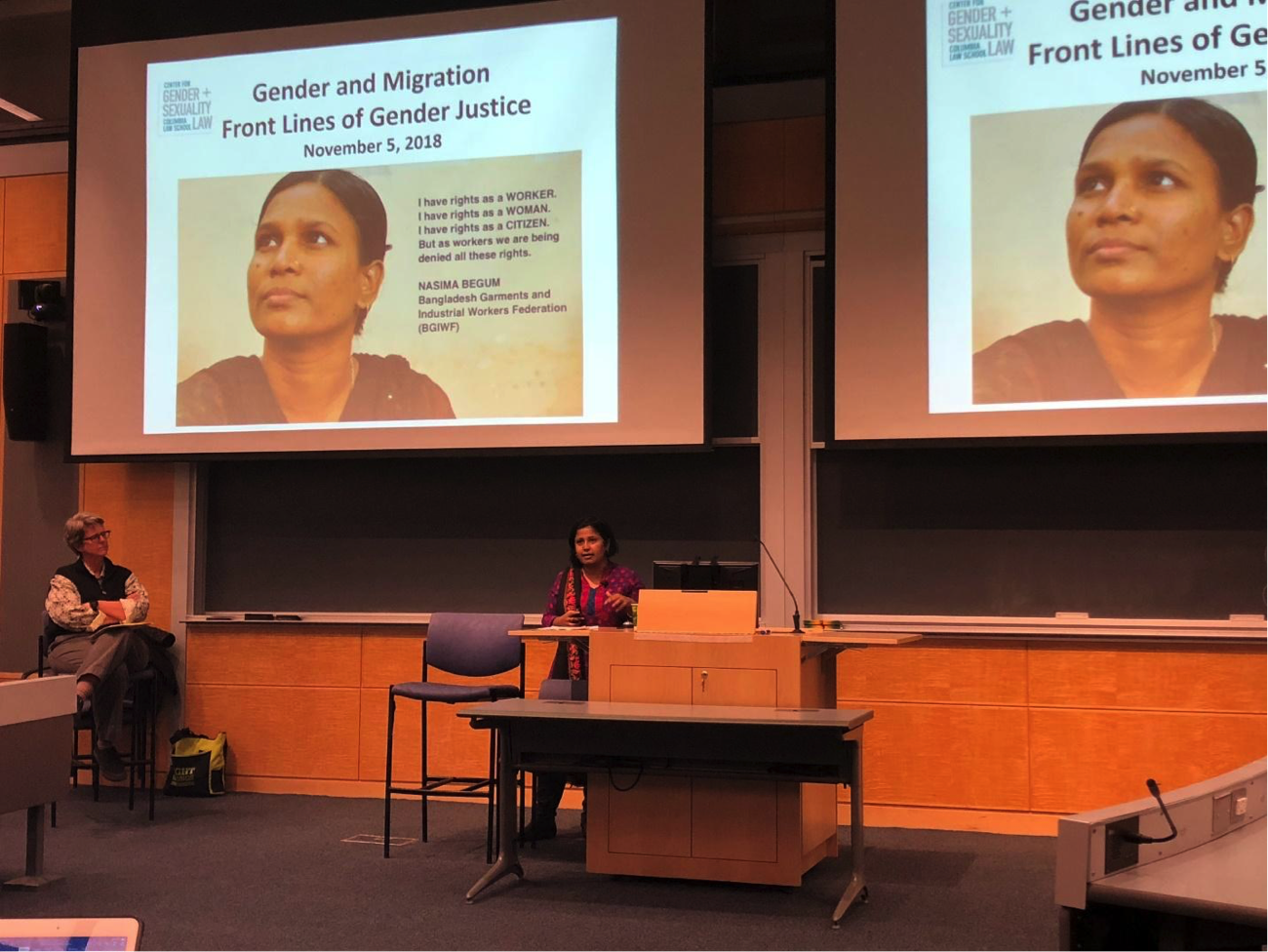
What is the connection between gender and migration? Between the garment industries in Bangladesh and the United States? And what advocacy strategies can we learn from these connections? These were some of the questions addressed by Chaumtoli Huq on Monday, November 5 in her talk on “Gender and Migration: The Front Lines of Gender Justice,” facilitated by Professor Katherine Franke of the Law School and the Center for Gender and Sexuality Law at Columbia. This discussion was part of a series of talks in Professor Franke’s Law class “Gender Justice” this semester. Chaumtoli Huq is an Associate Professor of Law at the CUNY Law School and the founder of non-profit organization Law at the Margins. Huq is a self-proclaimed “social justice lawyer,” interested in working not only top-down from elite institutions and courts to gain victories for clients and communities, but more importantly in working in and through the communities, she assists, taking the lead from those who would be...
Read More