P.C. Chang and the Universal Declaration of Human Rights

P.C. Chang and the Universal Declaration of Human Rights

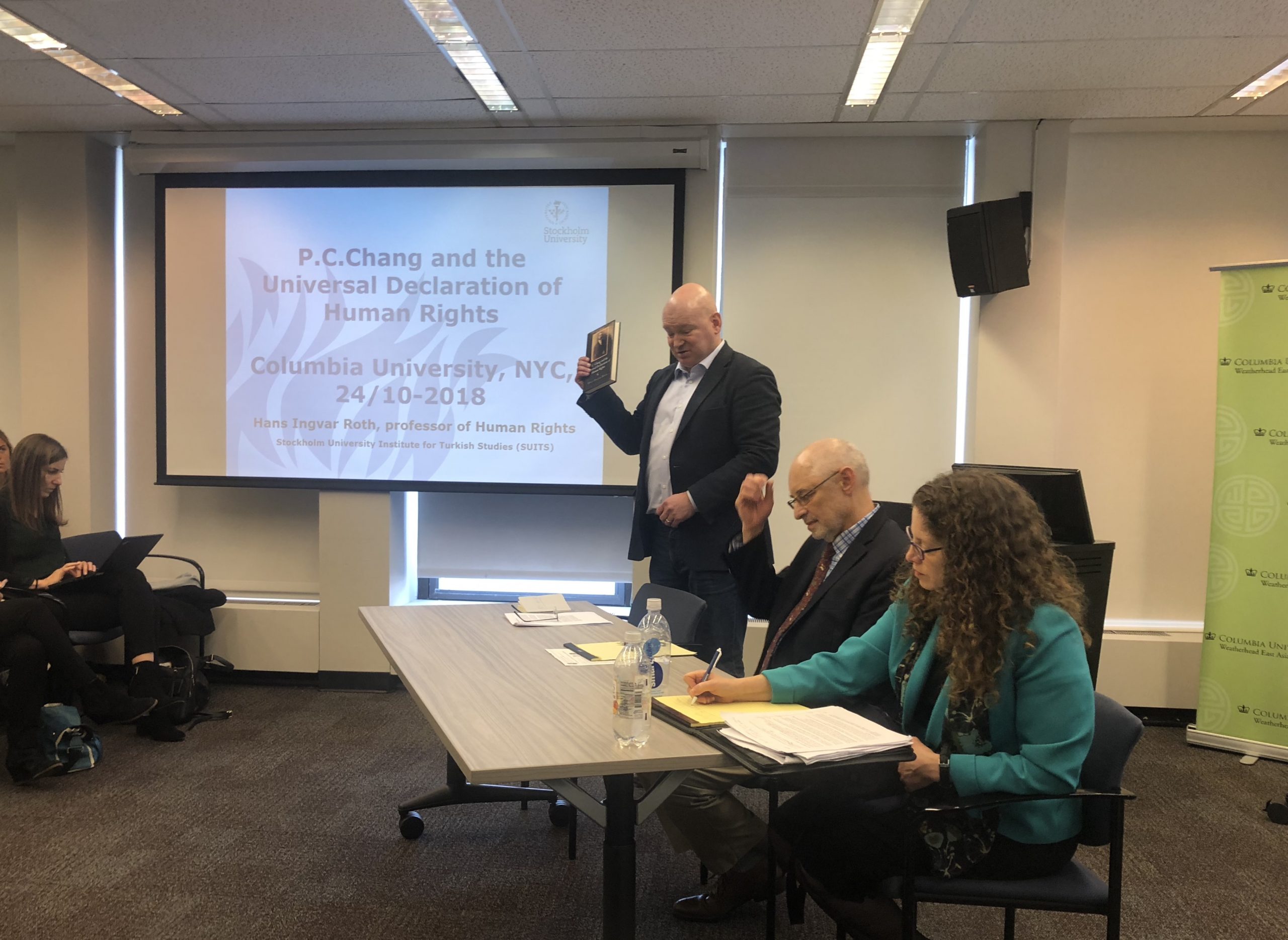
On October 24, 2018, United Nations Special Rapporteur in the field of Cultural Rights, Professor Karima Bennoune joined Professor Hans Ingvar Roth to celebrate his new book P.C. Chang and The Universal Declaration of Human Rights, marking the 70th anniversary of the UDHR. Roth has dedicated over four years to create the first intellectual biography of Peng Chun Chang, a “multifaceted talent and one of the most important drafters of the UDHR.” Chang is a Columbia University alumni and Roth acknowledged that “we are at Columbia University, where Chang studied, and this year is the 70th anniversary of the UDHR, and I think never before has it been more important to celebrate this great book in history.” Event moderator Professor Andrew Nathan introduced both speakers to a full room of fifty like-minded academics.   With only thirty minutes, Roth delivered an exceptional speech on the role of P.C. Chang in drafting the UDHR and Chang’s influence, making it a truly intercultural...
Read More
When Political Transitions Work: Reconciliation as Interdependence

When Political Transitions Work: Reconciliation as Interdependence

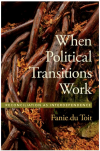
South Africa’s transition from apartheid to multi-racial democracy and subsequent Truth and Reconciliation Commission (TRC) are often held up as a gold standard to be replicated by countries emerging for civil war or dictatorship. While recognizing the importance of elections, forgiveness, and truth, Fanie du Toit, Executive Director of the Institute for Justice and Reconciliation in Cape Town, South Africa, and Virginie Ladisch, head of the Children and Youth program at the International Center for Transitional Justice, sought to challenge audience members to complicate our narrative of the political transition and reconciliation in South Africa and why and how it has and hasn’t worked. In the popular imagination South Africa’s racially segregationist apartheid regime was brought to an end by democratic elections in 1994. Following the seemingly superhuman leadership of Nelson Mandela, South Africans forgave each other for the crimes of the past and agreed to build a future together. Ever since the TRC’s mandate ended in 1998 other countries transitioning...
Read More

New Zealand’s Push for Sustainable Development

Prime Minister Jacinda Ardern’s Push for Sustainable Development The International Conference on Sustainable Development provided a forum for academia, government, civil society, UN agencies and the private sector to come together to share discussion on the Sustainable Development Goals (SDGs). This year, from September 26 to 28 2018, the Conference took place on multiple campuses around the world, making it a truly global event. On the second day of the 6th annual International Conference on Sustainable Development, Columbia University had the privilege of hearing Prime Minister Jacinda Ardern of New Zealand speak on the SDGs. Professor Jeffrey Sachs, the Director of the UN Sustainable Development Solutions Network, introduced Prime Minister Ardern to roaring applause in Alfred Lerner Hall. To begin her speech, Ardern discussed injustice and the impact of politics around the world. Ardern says, “if there is one thing we hate, it is injustice. We try to do it right by one another. Perhaps it comes from being a thousand miles from...
Read More
Human Rights Internship Panel

Human Rights Internship Panel

On October 11, graduate and undergraduate students interested in internships related to Human Rights gathered at the Institute for the Study of Human Rights to hear four students speak about their summer internship experiences. The panelists brought different advice from their internship experiences both abroad and in the United States on how to identify the right position, going about the interview process, and learning on the job. They all stressed the importance of staying flexible, and using the internship experience to explore interests cultivated in the classroom in the field. Tanya Sattar is in her second year of her Masters of Arts in Human Rights Studies at the Graduate School of Arts and Sciences. She spent her summer in New York and London with Value for Women, a UK based organization that identifies and tests new solutions for women’s empowerment and gender and social inclusion with income generating activities. Tanya helped produce gender market assessments and ecosystem mapping of impact investing...
Read More
As Spanish Government Turns a New Page, a Chance to  Lead EU on Migration

As Spanish Government Turns a New Page, a Chance to Lead EU on Migration

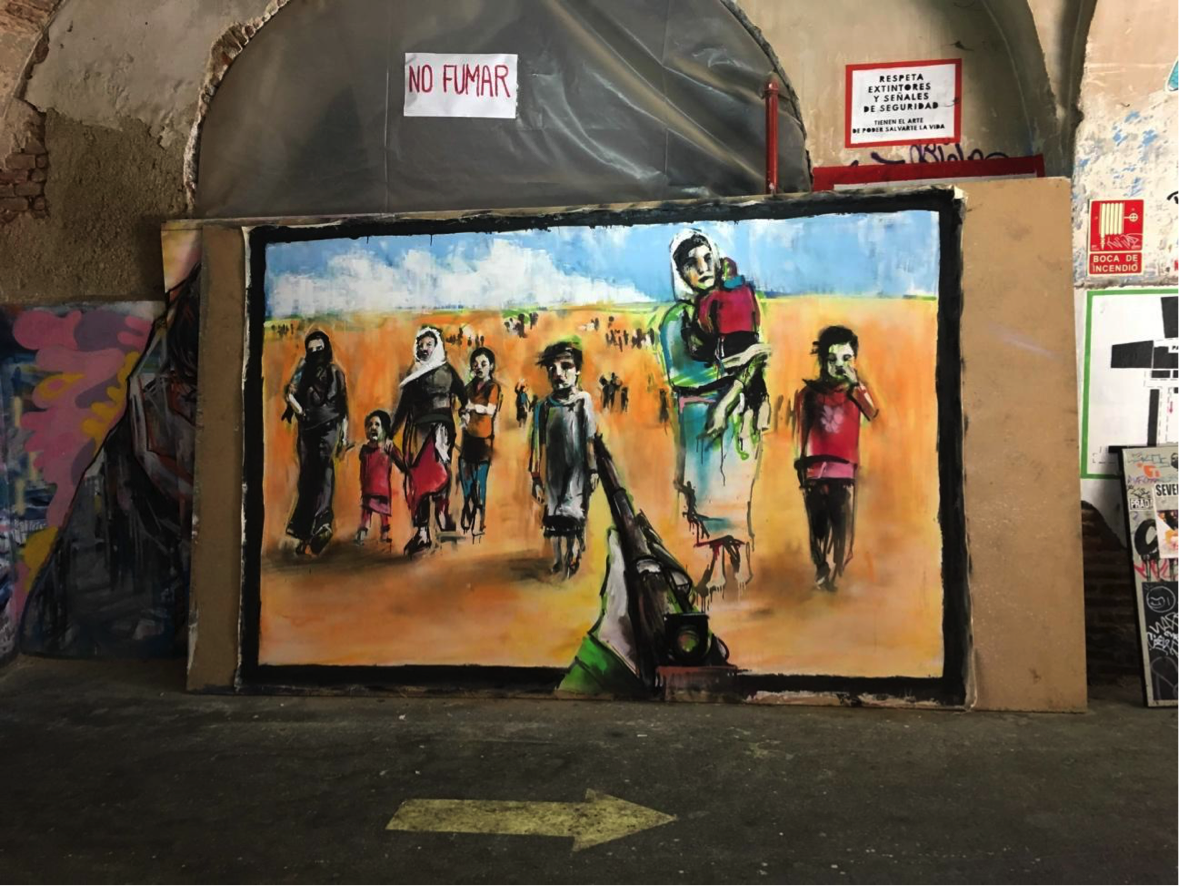
As Spanish Government Turns a New Page, a Chance to Lead EU on Migration Pedro Sanchez is the new Prime Minister of Spain after a stunning no-confidence vote. The refugee crisis deepens. The people want reform. Spain’s potential as a future EU trailblazer on migration policy rests in his hands. By Madison Chapman Part I  Madrid, Spain—Ndiogou spends the hottest part of the day—when many Spanish people take a siesta— with a group of fellow Senegalese men near the main plaza of Lavapiés, a lively migrant neighborhood in Madrid. When I met him one humid March afternoon, he was eager to chat, casually leaning on the wall of one of many nearby Lycra Mobile shops. Surrounded by the slight waft of tapas, it is hard to imagine that Ndiogou has had a tough life in Spain. Yet he spent his first decade in the country unable to obtain official paperwork—and with it, public assistance. His lack of work authorization forced him to...
Read More
On International Day of Peace, A Celebration of Human Rights

On International Day of Peace, A Celebration of Human Rights

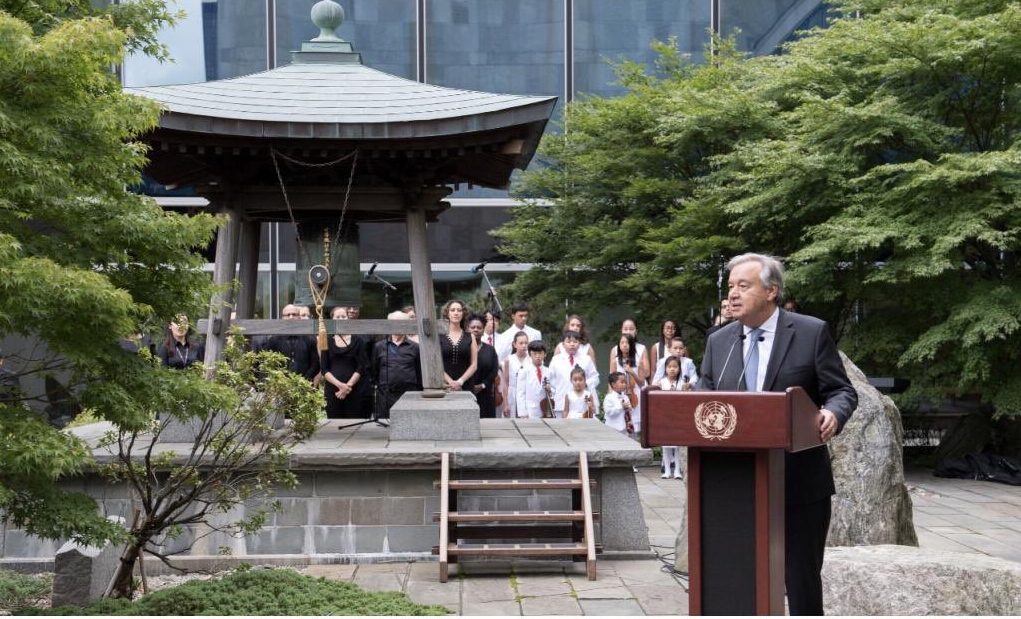
By Ashley E. Chappo, editor of RightsViews and a graduate of Columbia University School of International and Public Affairs and Columbia Journalism School Human rights, specifically the Universal Declaration of Human Rights (UDHR), are the focus of this year's International Day of Peace, or “Peace Day,” which takes place across the world each year on September 21. This UN-designated day of observance advocates peace action and education in spite of ongoing human conflict through peace-building activities, a global minute of silence, intercultural and interfaith dialogues, vigils, concerts, feasts, and marches. This year’s theme is "The Right to Peace - The Universal Declaration of Human Rights at 70." The timing for the theme is apropos: it comes at a period when the human condition is increasingly vulnerable, beset by global conflict and dependent on world leaders who have turned their backs on international cooperation. During this state of prolonged human suffering, the power and failings of a single document of 30 human rights ideals...
Read More
Columbia Students Stand in Solidarity with Jailed Reuters Journalists

Columbia Students Stand in Solidarity with Jailed Reuters Journalists

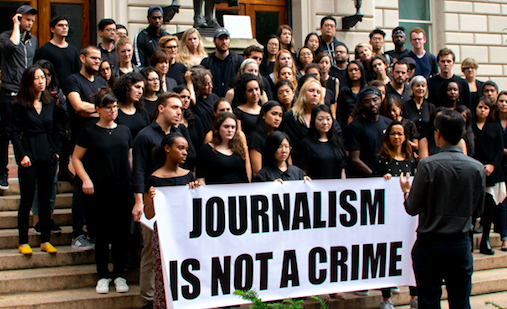
By Ashley E. Chappo, editor of RightsViews and a graduate of Columbia University School of International and Public Affairs and Columbia Journalism School Walk into Pulitzer Hall lobby at Columbia Journalism School today, and you might notice the students dressed in all black, holding signs that read “#FreeWaLoneKyawSoeOo” and "Journalism is not a crime." It’s a moment of advocacy and solidarity on Columbia’s Morningside campus on behalf of Reuters journalists Wa Lone, 32, and Kyaw Soe Oo, 28, who were sentenced to seven years in prison on September 3, 2018 by a Myanmar judge after being found guilty of violating a decades-old law on state secrets. The Burmese nationals had been investigating military crackdowns and human rights violations in Rakhine state, including the massacre of 10 Rohingya men in Rakhine's Inn Dinn village on September 2, 2017. The advocacy effort at the journalism school in New York City was organized mainly by students in professor Ann Cooper's reporting class. Beginning at 11 a.m. in Pulitzer...
Read More
Children Languishing Behind Bars: A Grim Reality of Indian Prisons

Children Languishing Behind Bars: A Grim Reality of Indian Prisons

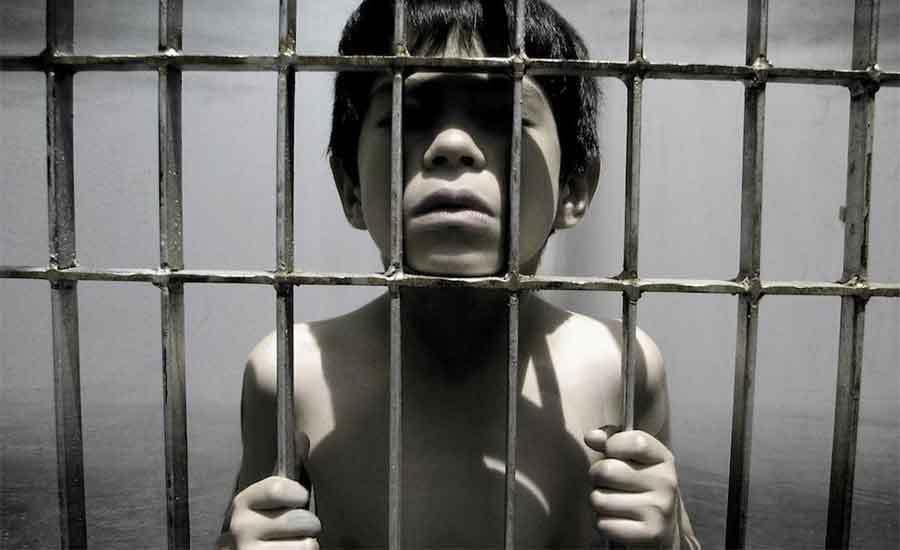
By Vasudev Singh and Karan Trehan, students of law in India at RML National Law University and NALSAR University of Law, respectively.  A recent revelation by the Government of India concerns the condition of children residing in prisons with their mothers and raises an important question regarding the basic human rights guaranteed to these children. As of 2015, Indian prisons accommodate some 419,623 prisoners (including pre-trial detainees/remand prisoners). Out of them, 4.3 percent— or around 18,000— are women. Women who face trial or who are found guilty of a crime are allowed to keep their children with them during their time in jail. Approximately 1,866 children lived in prison with their mothers at the end of 2015, according to prison statistics.  According to the Indian constitution, the state governments are assigned to the administration and management of prisons. This means that the state governments can make prison laws according to their own discretion and requirements. However, these state powers remain subject to other centrally-enacted laws such as the Prisons Act, 1894. As a result,...
Read More
Lives in Limbo: Immigration as a Human Rights Issue

Lives in Limbo: Immigration as a Human Rights Issue

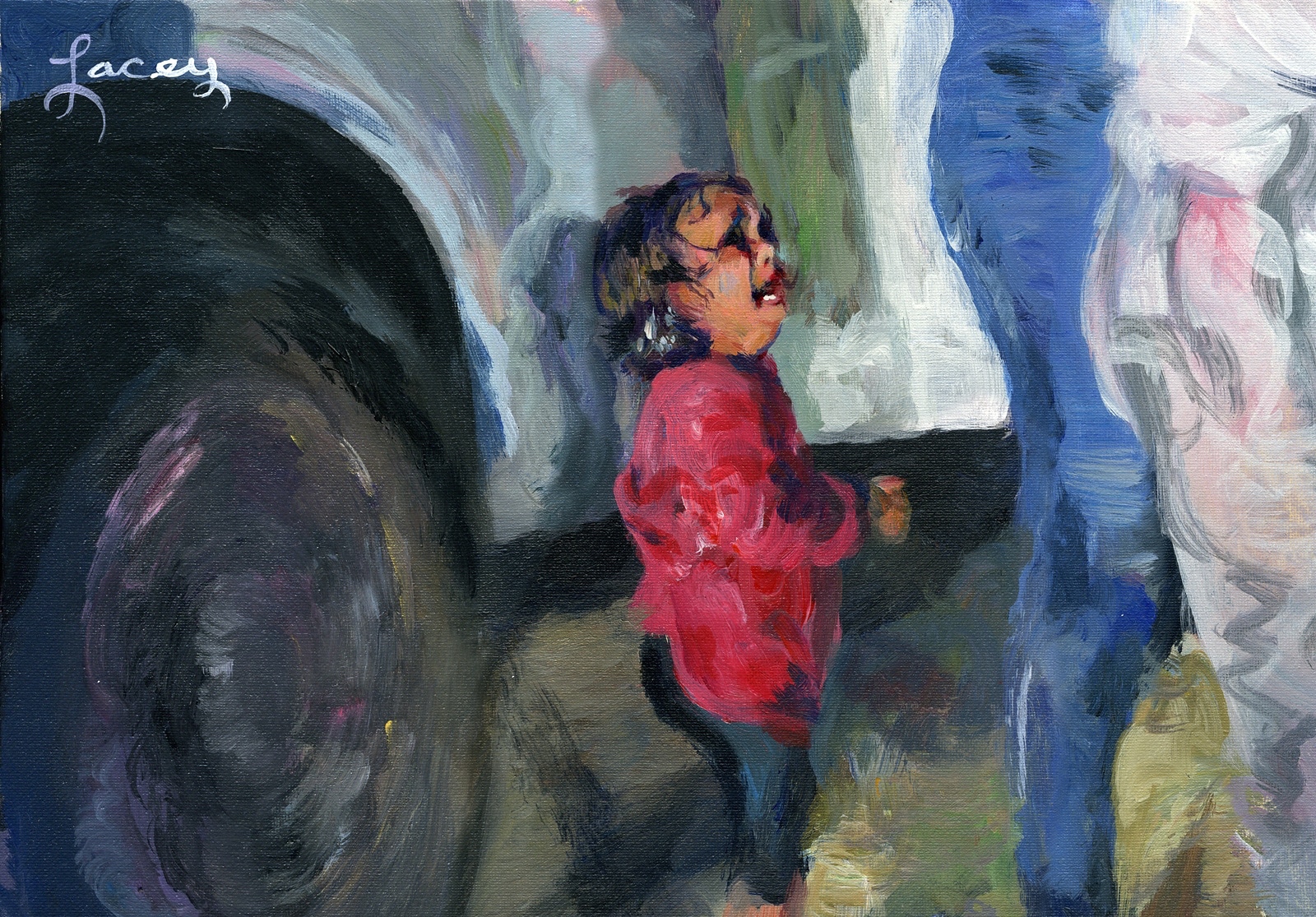
"Trump Zero Tolerance," artwork by Dan Lacey // Flickr By Jalileh Garcia, a blog writer for RightsViews and an undergraduate student at Columbia University  In late June, the event “Lives in Limbo: Immigration as a Human Rights Issue” took place in Cambridge, Massachusetts. The event was a direct response to the current administration’s immigration policies, which were highlighted by the recent and highly controversial separation of children from their parents. In the last couple of months, photographs and voice recordings of children crying “Mami” and “Papa” have overtaken the web. The children, predominantly from Central American countries, some as young as 18 months old, have become the focal point of the Trump administration’s “zero-tolerance” policy. Courts set a deadline for July 26 to reunite the children with their families, but the government has stated that hundreds of families were ineligible to be united. In total, 711 children remain in custody, according to the latest tally from the government. Furthermore, many of the children who have...
Read More
Ensuring Healthcare in India by Going Beyond Politics

Ensuring Healthcare in India by Going Beyond Politics

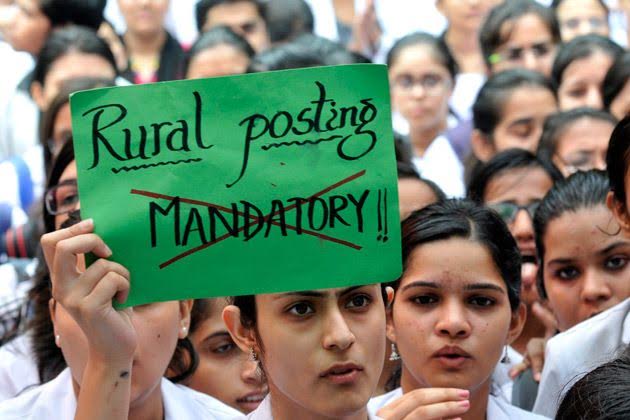
By Ananye Krishna, a student at Nalsar University of Law, Hyderabad, India The government of India launched the Ayushman Bharat - National Health Protection Mission in late March 2018 to provide health coverage of Rs. 5 Lakh (or approximately $7,335) per year for all Indian families. This was a much needed reform measure in the Indian healthcare system, but the question remains whether the government made required infrastructural changes in order to ensure the full benefits that would allow the Indian people to access their fundamental human rights to healthcare. The poor state of healthcare in India was illustrated last year when more than 60 children died in a government hospital because of inadequate infrastructure. This was not an isolated incident. There have been cases of fires breaking out in hospitals and of surgeries being conducted en masse under extremely poor conditions. Such incidents demonstrate that the right to health as guaranteed by the Indian constitution is being violated through lack of adequate reform. Reports suggest that...
Read More