Is Liberalism Making the World Less Fair?

Is Liberalism Making the World Less Fair?

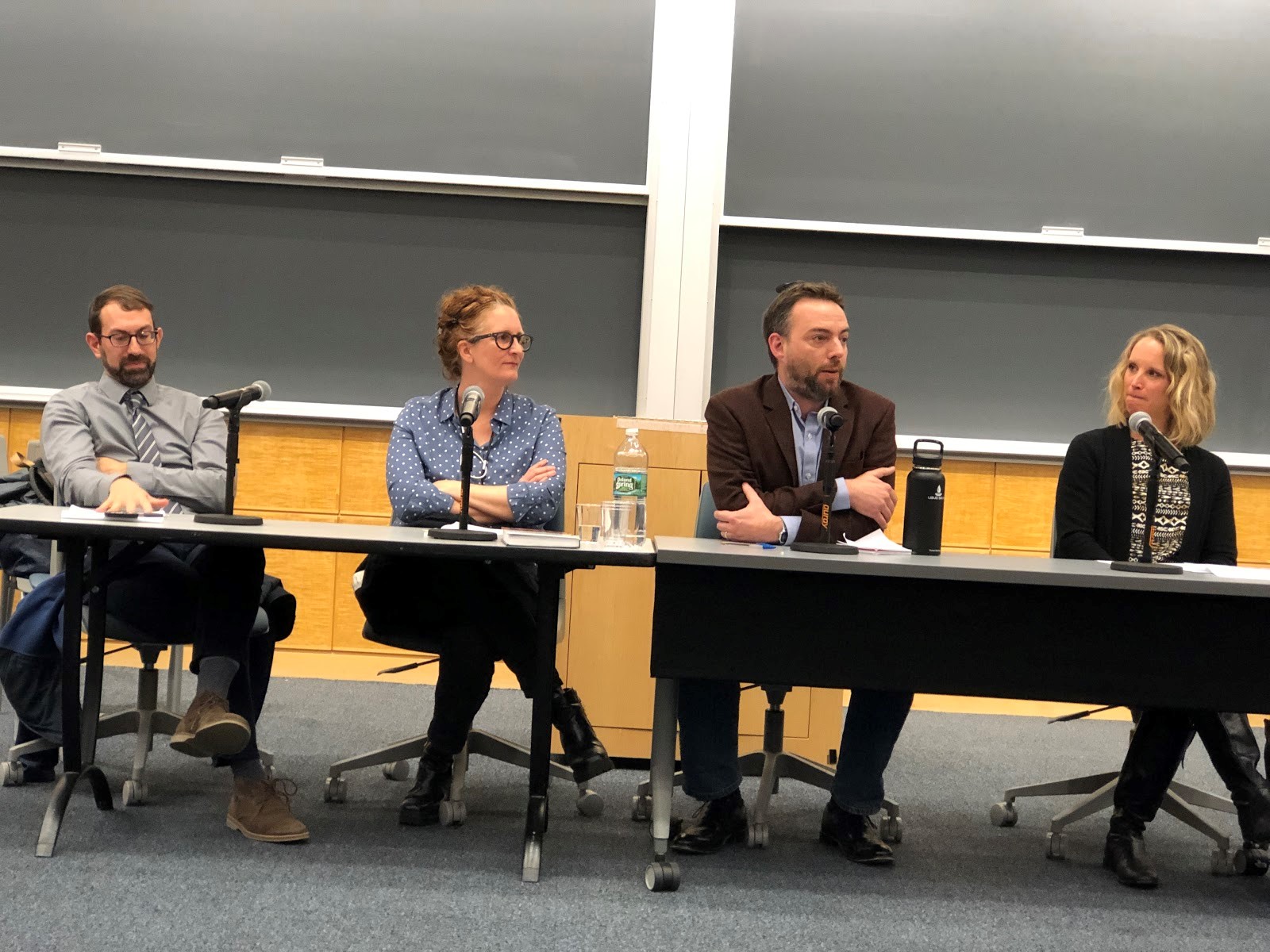
On February 18 at Columbia Law School, three authors discussed the ways in which their respective books shed light on liberalism. Though each speaker addressed slightly different topics, the common thread was a questioning of U.S. institutions and their connections with economic liberalism, an economic philosophy that supports and promotes laissez-faire economics and private property in the means of production. The first to speak was Samuel Moyn, professor of law and history at Yale, and the author of Not Enough: Human Rights in an Unequal World. He introduced his book by speaking about how interwoven  the foundations of human rights are to a neoliberal agenda.“We need to attempt to think of where human rights came from,” as presently “human rights are an inefficient form of bettering the world,” he said. He engaged with the audience by asking them thought-provoking questions such as “why have human rights done so little and why do they fit in so well with a neoliberal...
Read More
Vigilante Hate Crimes in India

Vigilante Hate Crimes in India

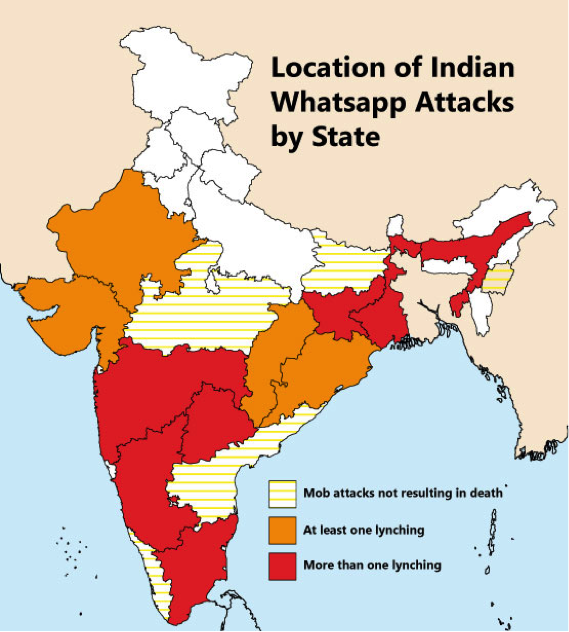
The following is a guest-written opinion piece by Rahul Saraswat and Akshansh Sharma, students at the Gujarat National Law University in India. Approximately 88 people have been killed in India since 2015 and hundreds have been seriously injured by groups of people who call themselves cow vigilantes. Cows are considered sacred in Hinduism and the cow vigilantes justify violence against Muslims and ethnic minorities in the name of protecting cows. The violence they are using  is called “lynching.” The Dyer Anti-Lynching Bill was drafted by Leonidas C. Dyer in response to the practice of lynching in America. It defines lynching as a “‘mob or riotous assemblage composed of three or more [people] acting in concert for the purpose of depriving any person of his life without the authority of law as a punishment for or to prevent the commission of some actual or supposed public offense.”  IndiaSpend, a data-based news organization, reports that “Muslims were the target of 52% of violence centered...
Read More
Manufacturing Citizenship : The Ongoing Movement Against Citizenship Amendment Bill in Northeast India

Manufacturing Citizenship : The Ongoing Movement Against Citizenship Amendment Bill in Northeast India

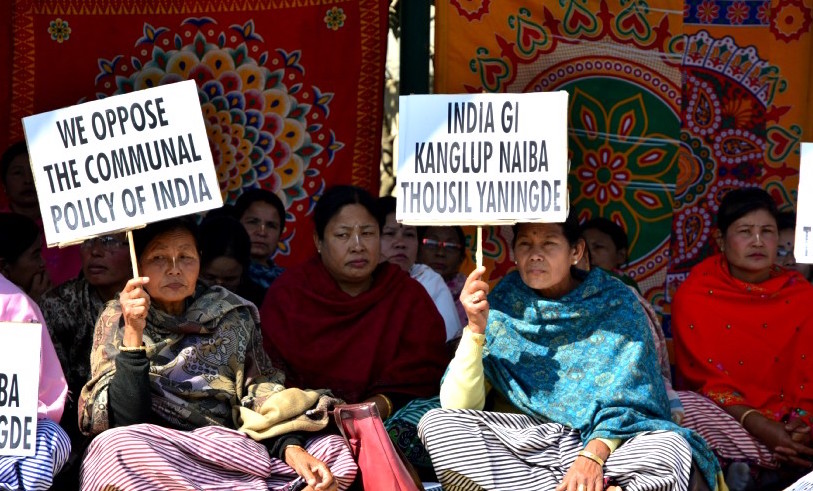
The following is an opinion piece authored by ISHR visiting scholar and activist, Binalakshmi Nepram. "When you single out any particular group of people for secondary citizenship status, that's a violation of basic human rights" ~ Jimmy Carter, Former US President & Nobel Peace Laureate History show us that in the 1500s, an estimated 10 million plus Indigenous people lived on land now known as the United States of America (US). In 1830, the US passed the Federal Indian Removal Act, which forced thousands of Indigenous people out of their homelands. For hundreds of years, conflicts with colonizers, introduction of diseases, atrocities and discriminatory policies devastated the Indigenous People of North America. It is estimated that over 9 million Indigenous People died during this time. In the present day, many Indigenous Peoples in the US now live in areas designated as “Reservations.” The story of what happened to Indigenous People in the US is the story which many Indigenous People living in...
Read More
FGM- A Human Rights Issue?

FGM- A Human Rights Issue?

As awareness of female genital mutilation (FGM) grows in the United States, activists are increasingly trying to reframe the practice as a Human Rights issue. That was the message Maryum Saifee, Aissata Camara, Maryah Haidery, and Shelby Quast passionately imparted when they spoke to a packed room of Columbia students and community members last week. According to the World Health Organization, FGM includes “all procedures that involve partial or total removal of the external female genitalia, or other injury to the female genital organs for non-medical reasons.” The practice, which takes many forms, is done to control women’s sexuality, has zero health benefits, and can lead to lifelong health issues, including increased risk during childbirth, trauma, and even death. While FGM is more common in Asia, the Middle East and Africa, it is also practiced in North America, Europe, Latin America and Oceania. The WHO estimates that over 200 million women around the world have been cut. While FGM...
Read More
Financing the SDGs, Privatization, and Human Rights: A Conversation with Jeffrey Sachs and Philip Alston

Financing the SDGs, Privatization, and Human Rights: A Conversation with Jeffrey Sachs and Philip Alston

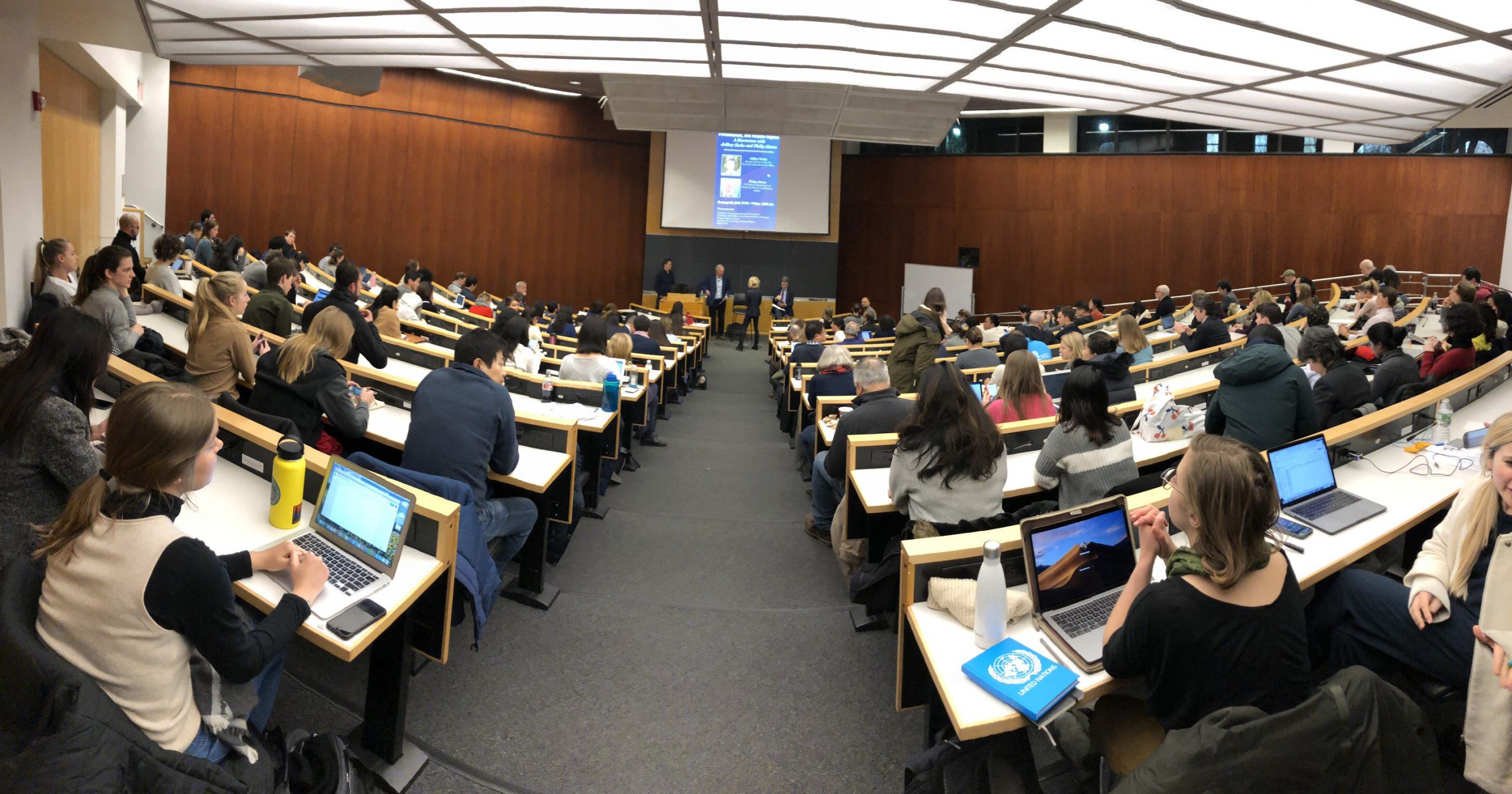
The UN’s Sustainable Development Goals are a plan of action designed with the intent to eradicate poverty “in all its forms and dimensions” and establish universal world peace by 2030 in order to move towards a more sustainable future. On January 30, Columbia welcomed Philip Alston and Jeffrey Sachs to speak on the issue of “Financing the SDGs, Privatization, and Human Rights.” The event was co-sponsored by the Columbia Center on Sustainable Development, the SIPA MPA in Development Practice Program, the ISHR, RightsLink, and the Human Rights Institute. Sachs is the Special Advisor to the UN Secretary-General on the SDGs and Alston is the UN’s Special Rapporteur on Extreme Poverty and Human Rights. To begin the conversation about the intersection of the SDGs, Human Rights, and the increasing problem of privatization in the achievement of the SDGs, the moderator asked Alston and Sachs about their opinions on the ways in which the SDG and Human Rights frameworks converge and diverge in...
Read More
The State of International Migration

The State of International Migration

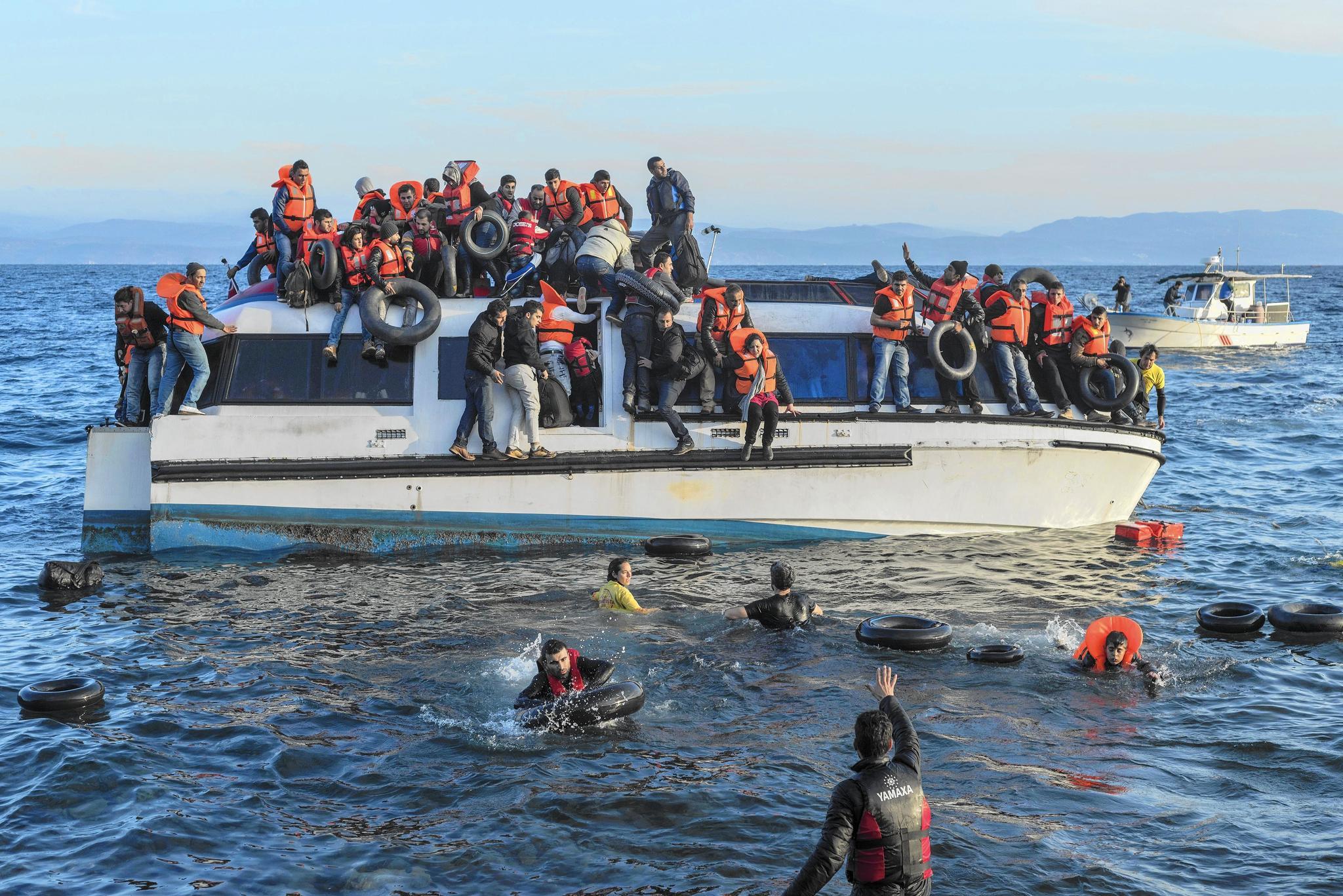
An increase of migration in recent years has spurred a global conversation that asks: what is the responsibility of countries, particularly democracies, toward migrants? Relevant discussions have had real consequences on-the-ground for both migrants and states, leading to legislation which has had positive effects, and also to massive human rights violations. I examine the broad movements in worldwide migration in the past few years and pull out important themes which can be gleaned from global happenings. The State of International Migration According to the UN’s International Migration Report released on December 18, 2017, there has been an increase in people moving away from their country of birth by 49% since the start of the 21st century. Yet according to the 2018 World Migration Report published by the IOM, this increase in migration remains comparable to the world population; the scale of growth remains stable in regard to population. A greater number of international migrants are moving into OECD countries to live permanently,...
Read More
Sterilization of People With Disabilities: Acknowledging the Past and Present History, Rhetoric, and Effects of a Harmful Practice

Sterilization of People With Disabilities: Acknowledging the Past and Present History, Rhetoric, and Effects of a Harmful Practice

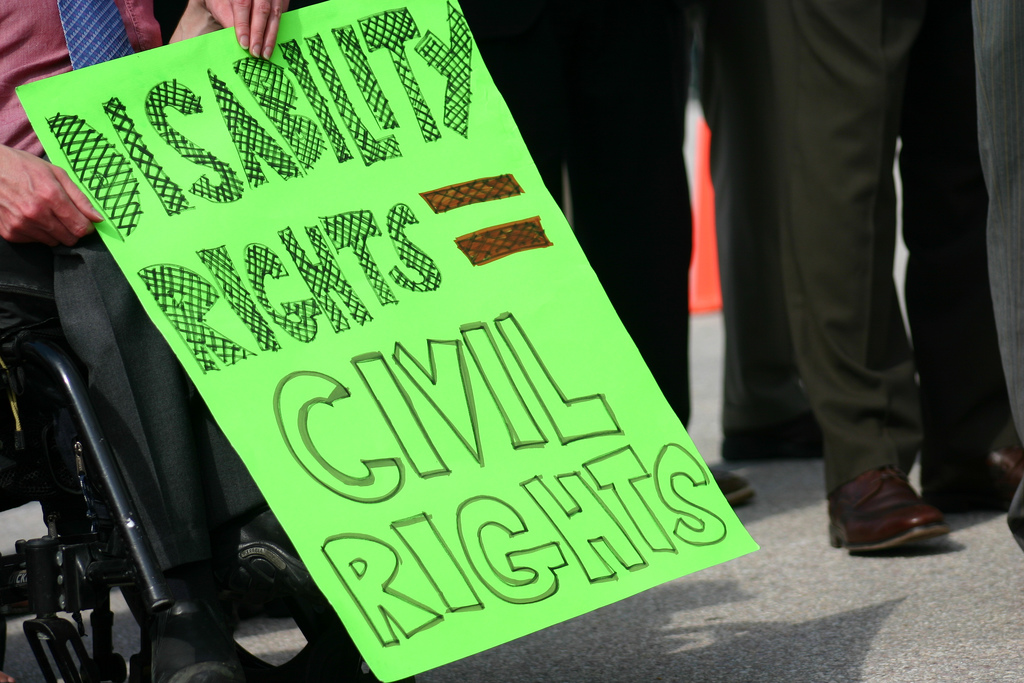
In the first week of 2019, a story about an Indigenous woman in Arizona giving birth while having been in a vegetative state for the past 14 years hit international headlines. It came as no surprise when investigators announced that they were looking into a “possible sexual assault.” A person in a vegetative state, by definition, cannot consent to sex because they are non-responsive to stimuli and lack self-awareness. This woman, disabled and reliant on healthcare providers to support her quality of life was instead abused and assaulted with no recourse to defend herself. This case is one of many that demonstrates the serious issues of sexual assault that face disabled people around the world today. According to disabilityjustice.org, people with disabilities (PWD) are three times more likely to be sexually assaulted than someone who is not disabled. 83% of women with disabilities (WWD) will be sexually assaulted in their lifetime. Understanding the severity of sexual assault of PWD is...
Read More
Gemfields’ Quest for Conflict Rubies in Nthoro, Mozambique

Gemfields’ Quest for Conflict Rubies in Nthoro, Mozambique

If you’re thinking of purchasing rubies in the New Year, you might want to reconsider purchasing any cardinal gem sourced from Mozambique. In 2011, a “poor and illiterate” farmer in Mozambique discovered a precious red gemstone, creating a “ruby rush.” This find made the country one of the world’s largest ruby producers. However, due to the rarity of rubies, according to the World Bank, land rights within Mozambique are a contentious issue, where ill-informed citizens are coerced into land grabs by government officials and influential corporations to mine rubies. As a central place for exceptional quality rubies, Gemfields Limited, a mining corporation that specializes in the mining and marketing of gems, wanted copious blood-red coloured gemstones from Mozambique. In 2011, Montepuez Ruby Mine (MRM), a subsidiary of Gemfields Limited, won the mining rights to 36,000 hectares of ruby-rich land in Nthoro, Mozambique. This created horrendous human rights violations on the local level. Having promised to relocate victims after winning mining...
Read More
Nicaragua: A Human Rights Crisis

Nicaragua: A Human Rights Crisis

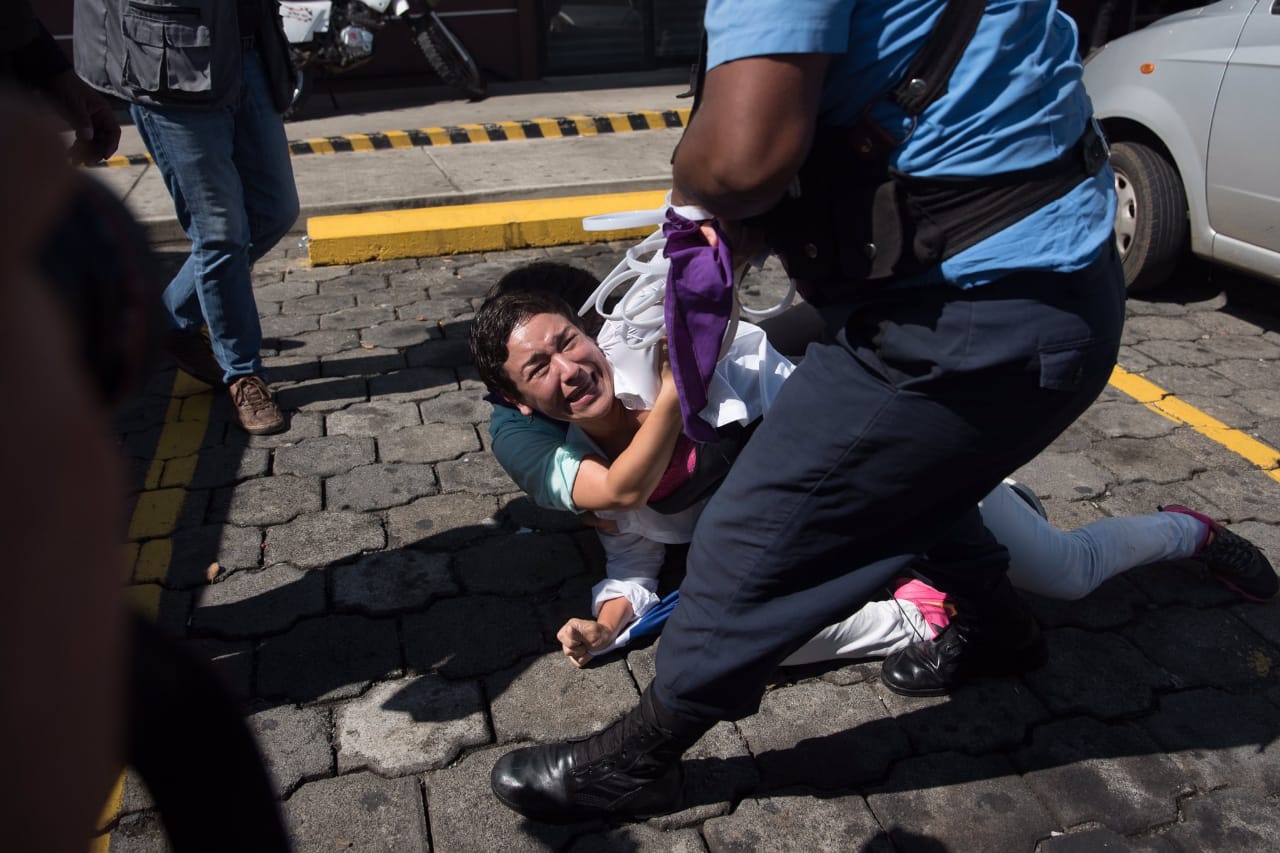
Social media has visibilized many human rights atrocities in the recent past and been crucial in the mobilization of masses, as it is able to transmit information to a great audience. Since the very beginning of the crisis in Nicaragua, activists have taken to Twitter, Facebook, and other forms of social media to raise awareness of the human rights abuses perpetrated by the government. Most recently, activists from the Alianza Universitaria Nicaraguense (AUN) or the Nicaraguan University Alliance have organized a week-long campaign of civil resistance. The campaign “Navidad Sin Presos Politicos” or “Christmas Without Political Prisoners”, from Monday, December 17 to Friday, December 21 demands the Ortega-Murillo government to release all political prisoners before Christmas Day. On Monday, December 17, the "Llamada Masiva" urged citizens to make phone calls to the Supreme Electoral Council, the Supreme Court of Justice, and the Ministry of the Interior. On Tuesday, December 18, the "Paro Electrico" urged that from 8-9pm everyone turn off all...
Read More

How U.S. Cities can Advance Abortion as a Human Right

Sexual and reproductive rights are foundational to gender equality. Access to abortion care is essential to the full realization of a person’s human rights. Indeed, international human rights mechanisms have had an impact on liberalizing national abortion laws by requiring that governments take affirmative action to ensure that women can access safe abortion care as part of fulfilling their obligations under human rights law. For instance, treaty monitoring bodies (TMBs) have consistently interpreted that safe abortion care is the application of several fundamental human rights guaranteed by international human rights law such as: the right to life; freedom from cruel, inhuman, and degrading treatment; liberty and security of the person; privacy; human dignity; health; and equality and non-discrimination. Although abortion is legal in the United States, anti-choice groups and conservative lawmakers have been successful in restricting the right to an abortion. For example, the Hyde Amendment is legislation that for forty-two years has banned federal funds from covering abortion care for...
Read More