Categories
Power in Praxis

Progress & Prospects for Gender Equality in Ghana

Updated: Feb 14, 2019

By Emmanuel Nuetey Siakwa

As the Executive Director of Youth and Women Empowerment, an NGO based in Odumase Krobo, Ghana whose mission is to motivate and provide learning opportunities for all stakeholders to advocate for quality service delivery and hold duty bearers accountable, I recently had the honor of facilitating an event called “STATUS OF THE GHANAIAN WOMAN, EXAMINING PROGRESS, PROSPECTS FOR GENDER EQUALITY IN GHANA.” Our goal was to offer a safe space for women from difference backgrounds and experiences in Ghana to openly discuss issues that affect them, connect with each other, and brainstorm solutions.

The event was attended by 305 individuals, made up of 260 Women and 45 men. Participants were drawn from the security services, civil servants, artisans, market women, religious organizations (Christian and Moslem), and persons with disabilities among others.

Our two main objectives for the event were to 1) collate experiences of progress made by women and 2) develop a framework to work together in collective action to achieve Ghana’s development. In this article, I share how we organized the event, some of the key findings that were shared by the event’s presenters, and the ideas that were generated by participants during group sessions for the way forward.


The program was organized by the STAR Ghana Foundation in collaboration with the Ministry of Gender and Social Protection, and is focused on coordinating zonal programs across the country to solicit for inputs, challenges and gaps to feed into a national dialogue. For our zone, the organization I head, Youth and Women Empowerment, was honored to facilitate our zonal program.


The event kicked off with encouraging words from the Municipal Chief Executive for Lower Manya Krobo, who expressed that, during the recent District Assembly elections, no woman stood for election. He posited that it’s about time we probe to find out why women are not taking up leadership positions, what the hindrances are and how these challenges can be addressed. He pledged his support to improve women participation within his locality. He mentioned interventions being undertaken by the Government to support women, among them are the Livelihood Empowerment Against Program (LEAP) and Microfinance and Small Loan Centre (MASLOC). He encouraged participants to take advantage of the platform and contribute to shape policy formulation.


The event then continued with the sharing of person stories by 3 women, who described their experience overcoming abuse and discrimination to become leaders in their communities. These stories were then further contextualized through a presentation on the current state of Ghanaian Women made by Mrs Golda Asante, Director, Regional Coordinating Council, Koforidua, who discussed the advancement of Ghanaian Women through 3 lenses – Politics and Governance, Economic Rights, and Access to Social Services (Education and Health).


Beginning with a discussion of women in politics and governance, Mrs. Asante described the slow increase in political participation of Ghanaian women throughout history. Women are given equal rights under the constitution of Ghana, yet disparities in education, employment, and health for women remain prevalent. Additionally, women have much less access to resources than men in Ghana do. Ghanaian women in rural and urban areas face slightly different challenges. Although women are guaranteed political participation rights under the 1992 Ghana Constitution, there is a lack of female representation in government. In 2012, 19 women occupied seats in Parliament, while 246 men occupied the rest of the seats. In 2017, the number of women elected to Parliament grew, and 37 women were elected. However, Ghanaian women still make up only 13.5% of Parliament.

There has been a slow increase of women in Parliament since the adoption of the multiparty system in 1992. Ghana has taken multiple steps to increase equality in the political sphere. For example, the government signed and ratified the Convention on the Elimination of All Forms of Discrimination (CEDAW). The Government declared its commitment to gender equality in Beijing. Yet 23 years after this commitment, we are asking, what has been the outcome of these commitments made by Government to improve the status of Ghanaian women?


Discussing the underlying causes for this phenomenon of low participation among women in governance, the following issues came up strongly

  • Traditions and Socio-cultural attitudes- Socialization process
  • Gender-based stereotypes –Eg. certain positions are for men
  • Women in leadership positions are promiscuous, etc
  • Discourages many women from talking up certain political leadership
  • Unsupportive husbands/Partners – threatening divorce
  • Choose between marriage and Political career
  • Fear of name calling and insults – Terrible description of strong women in society e.g. maame gyata, Iron lady, witch, etc
  • Campaigns are very expensive- lack resources- money, vehicles, etc.
  • Lack capacity and confidence to take up leadership roles
  • Taking care of the Home- unpaid work
  • Some men undermine their “women” bosses


Next Mrs. Asante moved to a discussion of women’s economic rights, where she indicated that females involved in economic activities have increased over the years, from 31.4% in 1960 to 44% in 2010. Also about 91% of women are in the informal sector where they experience gender segregation and typically work for low wages.
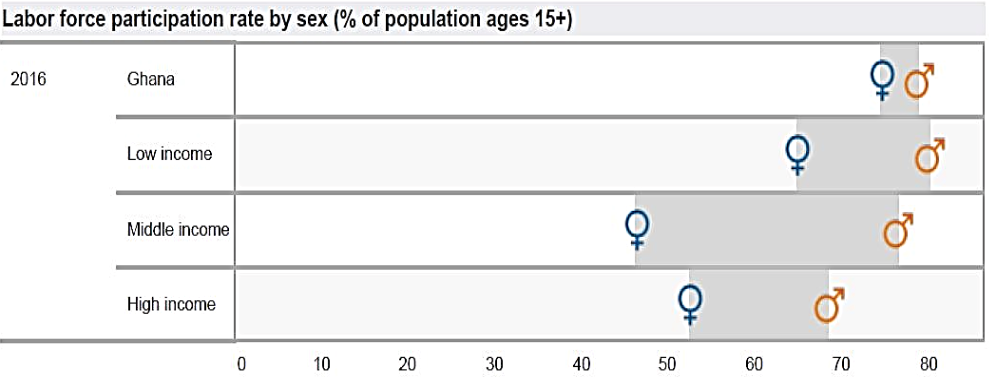
There is also a distinct difference in artisan apprenticeships available to men and women. Most female artisans are only involved in either hairdressing or dressmaking. Some of the challenges identified to be hampering women’s participation in economic activities were highlighted as:

  • Access to credit facilities and finance: Lack of collateral, inadequate savings and cumbersome bureaucracy
  • Sexual violence/ harassment
  • Ignorance on the awareness of credit facilities
  • Cultural factors, traditions and stereotype- women will not participate in certain ventures – own a land
  • Unpaid services- contribute to poverty and over- reliance on men


On the topic of Access to Social Services- Education and Health Services, Mrs. Asante explained that there is a general dominance of male child education. Women living at the highest socioeconomic status exhibit the highest literacy rates at 85%, while only 31% of women living in the poorest homes are literate.

Some of the barriers identified as hindering girls and women’s access to education and health are:
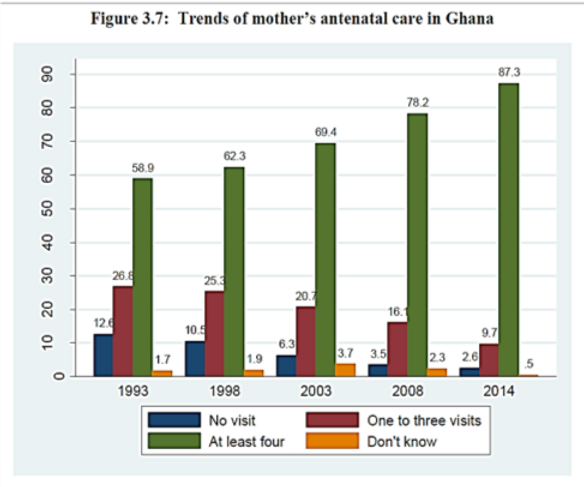
  • There are still girls who are not in school because economic and cultural norms factor determine the choice of who go to school.
  • It is often said that women and girls main purpose is reproduction –boys/ men are breadwinner for the family
  • Some girls in schools experience sexual harassment – Experience from visits to schools
  • Poor facilities in some schools for girls ie no toilet, no first Aid, no sanitary towels- No school during menses
  • Parental neglect / lack of parental control- contributing to waywardness
  • Teenage pregnancy
  • Low awareness / information about availability of health services
  • Fear and false perceptions about certain health conditions e.g. fibroid, cancers, etc. Eg. visited 85 prayer camps in ER- 1 camp had 50 pregnant women
  • Women are susceptible to infections and diseases i.e. HIV and other sexually transmitted disease. E.g. More than 60% of persons living with HIV in ER and Volta are women
  • Women cannot negotiate for safer sex
  • Traditional Rites -Widowhood rites, Trokosi system
  • Poverty


Suggestions shared on how to increase women’s participation in Politics and Governance, Economic Rights and Service Provision in the areas of Health and Education included:

  • Increase advocacy through civil society organizations
  • Affirmative Bill to enhance women’s participation and decision making- mobilize and intensify engagements to have it passed
  • Women Empowerment programs
  • Create enabling environment for gender equality –political participation
  • Promotion of socio cultural change processes
  • Enforcement of our laws – speed justice
  • Integrated approach focusing on: gender mainstreaming and systematic efforts, Gender responsive budgeting, Strengthen the capacity of women and girls, increase their access to assets and opportunities through employment, etc


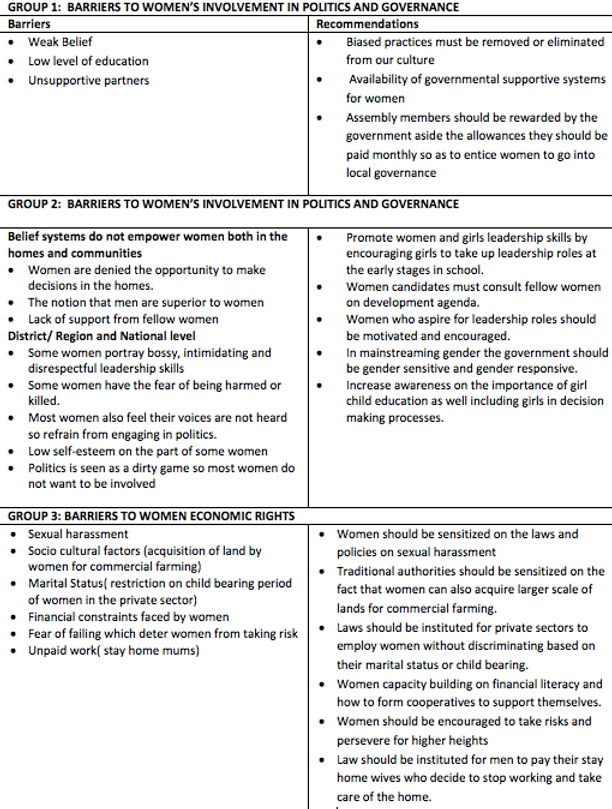
After having a chance to get acquainted with the facts on the historical context and current challenges facing women in Ghana, the participants were asked to get into groups to engage more deeply on the 3 themes discussed. The grouping was done with each participant numbering 1-6, where all persons who numbered 1, formed one group and same applies to the other groups. Groups 1 and 2 answered questions on Politics and Governance, Group 2 and 3 answered questions on Economic rights whiles group 5 and 6 answered questions on access to social services, Education and Health Services.

Each group selected a chairperson and a rapporteur to report back during plenary. Facilitators were assigned to the various groups to guide the discussion. The groups were task to come up with issues under the three thematic areas that were not captured by the resource person, or something that they would have captured differently and provide measures to address issues identified by the group. The exercise lasted for 45 minutes.


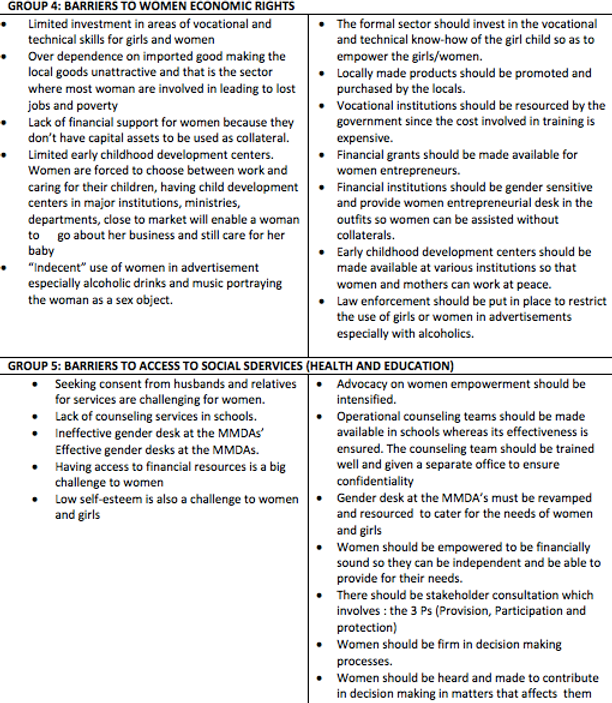
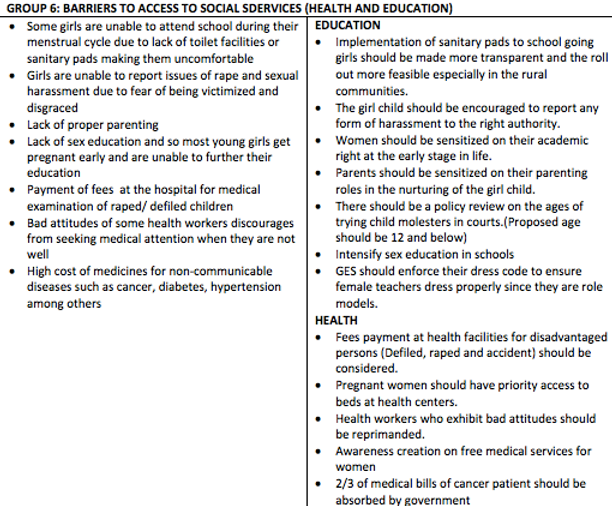
KEY OUTPUTS FROM GROUP WORK
 

Our team at Youth and Women Empowerment looks forward to continuing to grow our coalition of community members to put the excellent ideas put forth by the workshop participants into action through our advocacy and training initiatives. We continue to seek funds to help enable this work, and welcome partnership inquiries.
Categories
Power in Praxis

Time to Beat the Traffick: Human Trafficking Across the Globe

Mumbai traffic is legendary. It gives a new meaning to the adage, “The journey itself is the destination”. You could be stuck for hours between traffic signals. The city dwellers use this time to catch up on their emails and make phone calls to friends. As a visitor, I enjoy soaking in the sights and sounds of the different areas I drive by. Mumbai is a study in contradictions—huge skyscrapers jostle for space alongside crumbling shanties and plush neighborhoods morph seamlessly into crowded tenements. The roads are packed with luxury cars but look through the tinted windows and you’ll glimpse the underbelly of the city. Each traffic signal has its own ecosystem of children selling newspapers and toys, and handicapped beggars trading blessings of prosperity for some money to feed themselves. As the sun sets, you might find young girls standing in dark corners of seedy neighborhoods, conspicuous by their garish outfits and vacuous eyes. These are the dehumanized victims of human trafficking.


India is one of the fastest growing economies, with a burgeoning middle class. It’s also a global hub of modern-day slavery. The country is a source, destination, and transit point for people who are trafficked for forced labor, illegal organ harvesting, and sexual exploitation. The victims belong to the most disenfranchised sections of society—tribals, lower caste communities, migrants, minorities, and the poor. Entire families could be working as bonded laborers for generations to pay off a debt. Children as young as eight years old are made to work in factories, on construction sites, and as domestic help. Some are even maimed and made to beg or peddle drugs. Unregulated employment agents lure them into metros with false promises of well-paying jobs, only to push them into a life of servitude.

Hidden behind India’s story of growth are statistics that are a cause for concern. There are around three million prostitutes in the country, out of which 40% are children, according to the Guardian. The city of Mumbai alone generates 400 million USD annually from the commercial sexual exploitation of women. Girls from Bangladesh, Nepal, Burma, Central Asia, and Eastern Europe are also caught in this vicious web. Lured away from their poor families with promises of finding a good job or a good match, many of them are trafficked to India and the Middle East as domestic or sex workers. Their passports are taken away from them and going back home is impossible. India has also emerged as a favored travel destination for foreigners who indulge in child pornography and pedophilia, giving a boost to traffickers, especially in tourist-friendly destinations like Goa. Even though the government has strong anti-trafficking laws in place, their implementation leaves much to be desired.


In 2018, the Tata Institute of Social Sciences (TISS) conducted an audit of 110 shelter homes across 35 districts in the Indian state of Bihar. The report details widespread physical and sexual harassment, corporal punishment, neglect, and humiliation by both privately run and government funded homes. In a shelter home in Muzaffarpur, all the girls had been sexually abused by the male staff and even trafficked to influential people, including local politicians and policemen. Underage girls were found to be pregnant and some even had their babies living with them. Many young boys had also been violated.


A counterbalance to these grim stories are NGOs that are doing commendable work for the prevention, upliftment, and rehabilitation of human trafficking survivors. International Justice Mission (IJM) is an organization that is at the forefront of the fight, and they have a strong presence in India with multiple branches. After speaking to Ms. Joanita Britto, an advocate working with IJM Mumbai, I learned about the organization’s successful five-pronged approach:


Social workers rescue victims through close collaboration with local police officers and the Anti Human Trafficking Unit (AHTU).  Since the year 2000, they have successfully rescued over 940 victims of commercial sex trafficking.


Counselors form a rehabilitation and social reintegration plan for each victim and continue to work with them for four years. They partner with several aftercare homes in India to ensure that survivors have a safe place to live, and provide ongoing trauma therapy and vocational and educational support. Their advocates provide legal representation to victims and facilitate the convictions of traffickers by working with the police and public prosecutors.


Across India, since 2012, IJM has trained more than 64,000 police officers, judges, government officials, and other people in the anti-trafficking space. IJM has also been appointed to assess government programs related to commercial sexual exploitation.

IJM assists and trains community members to be vigilant in identifying instances of trafficking. Community members are also encouraged to participate in rehabilitation and reintegration programmes. IJM partners with grass-root NGOs and community based organizations to empower vulnerable community members through awareness programmes on trafficking and the legal recourse that is available to them.


A particular case that stood out was that of a minor girl who was trafficked from Bangladesh to Mumbai’s red light district. The team at IJM Mumbai not only helped the government rescue her and reunite her with her family, but they continued to fight for justice on her behalf. After persevering for three years, they helped convict the girl’s two traffickers to a rigorous imprisonment and a hefty fine, a major portion of which was sent for her rehabilitation. In Ms. Britto’s own words, “The police additionally requested the assistance of Rights Jessore, an anti-trafficking organization in Bangladesh to make arrangements for the victim to testify. On June 6, 2015, the minor victim deposed before the court through video conference. She identified and implicated the accused in the case as her traffickers. This testimony along with the witness testimonies were relied on as evidence against the accused. It was a good example of how the Public Justice System can work together with NGOs to bring justice to victims of sex trafficking”.


While I’ve focused on trafficking in India, it remains a global endemic that needs to be tackled aggressively. We need strict laws and even stricter implementation. We need better coordination between law enforcement agencies across different states and different countries. Cases related to trafficking and abuse should be tried in fast-track courts. On a more fundamental level, we need to use education and public service campaigns as tools to sensitize people to issues related to human rights, gender, and children. The objectification of women in mainstream media needs to stop, and there should be tighter controls in the area of cyber security. While most of us cannot be on the field rescuing and rehabilitating victims, we can definitely contribute in a small way to organizations working for this cause. It’s time we put an end to modern day slavery.


Article by Nidhi Bhatt

Nidhi Bhatt is currently a senior at Millburn High School. She is an avid reader, enjoys writing, swimming and playing the piano. Fluent in French, Hindi and Gujarati, she loves exploring history, food, and culture through travel, books, and chance encounters with people.  Nidhi is actively involved in community outreach and hopes to study Political Science, French, and Statistics in college.


Categories
Power in Praxis

Patriarchy – A way of life in rural Rajasthan

By Shruti Sriram


Growing up in the capital of India, New Delhi, I was acutely aware of the gender ‘norms’ that existed in my country, especially in the northern part of India. Women had to wear ‘appropriate’ clothes in public so as to not attract lewd comments and attention from the opposite sex, there was little point in educating a girl as she was ‘paraya dhan’ – akin to wealth that would not stay within the family as she would get married, men were the breadwinners whereas the women had to take care of the household.


This understanding of the phenomenon that is patriarchy isn’t novel, nor are the instances put forth. It is unsurprising that such tenets form the basis of our cultural dogmas and are as common and widespread as our belief in the existence of an ideological deity. Having said that, what is indeed surprising and unanticipated is, the ubiquity and extent to which such constructs are reinforced in every aspect of life in India’s villages.


Working with government primary schools in rural Rajasthan, northern India, I started to notice patriarchy and gender inequality in every aspect of village life. I saw veiled women and young school-age girls busy with household chores while men and teenage boys ambled about or played cards. Arriving at the government school, I observed that the girls and boys sat in separate rows with absolutely no interaction. The girls lacked confidence and refused to speak up while the boys dominated the discussions. In the higher grades, I noticed that some of the young girls were wearing bangles, sindoor(vermillion) on their forehead and toe rings – all markers of married women. These girls at the tender age of 13 and 14 were victims of child marriage.

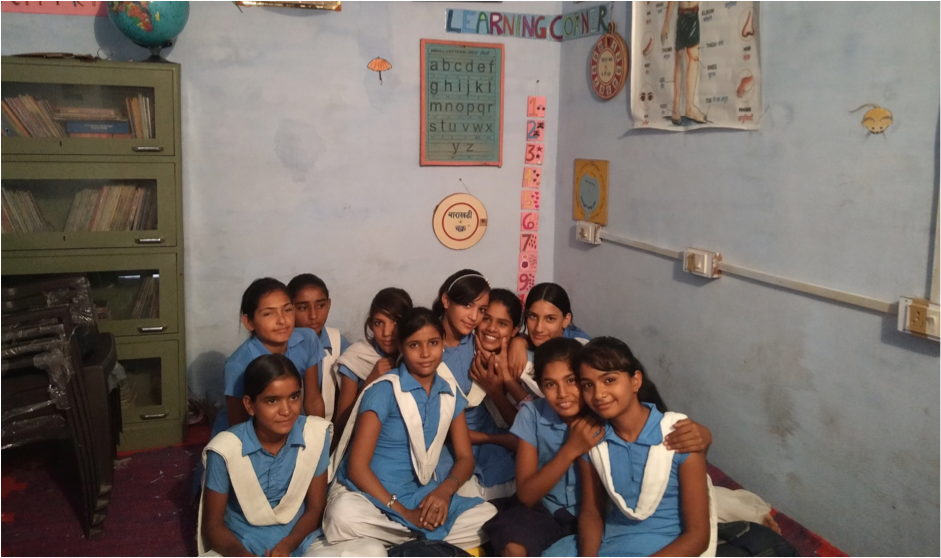
Girls of class 8 in Bandwa Upper Primary school. 3 girls in this photo are married and were to move to their in-law’s house after completing grade 8

As I frequented the villages, I realized the intent of all the actions -women were to have no agency of their own and all decisions were to be dictated by the men of the household. This was evident from the diktat for women.Married women were always veiled in front of family elders, they were not allowed to speak in front of men. They were to always sit on a level lower than them and were not allowed to leave the village on their own. More often than not they were made to drop out of school after the 8thgrade to get married.

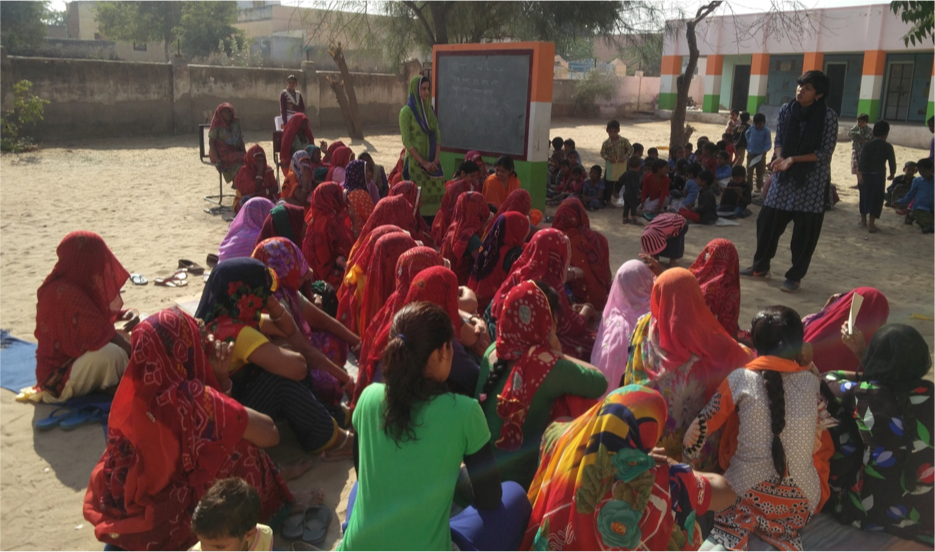
Women at a meeting to discuss how they can contribute to their children’s education. As a group of elders passed by the school, they all drew their veils over their faces and became quiet.

Unfortunately, young impressionable minds grow up observing and learning these norms and unquestioningly adopt them. I remember an incident where 6-year-old school girls refused to hold the hands of boys, as a part of an activity, as they had been instructed against it by their parents. It seemed bizarre that these children, who had no idea of gender or sex, were taught that touching a person of the opposite sex was wrong. On relaying this incident to teachers, they told me to refrain from conducting such activities as it would only enrage parents. Unfortunately, government school teachers don’t have the time, ability or will to break these norms and encourage critical thinking. They would rather respect the wishes of the community and be silent spectators to patriarchy than create a storm in trying to change gender norms, which may put their jobs in peril.

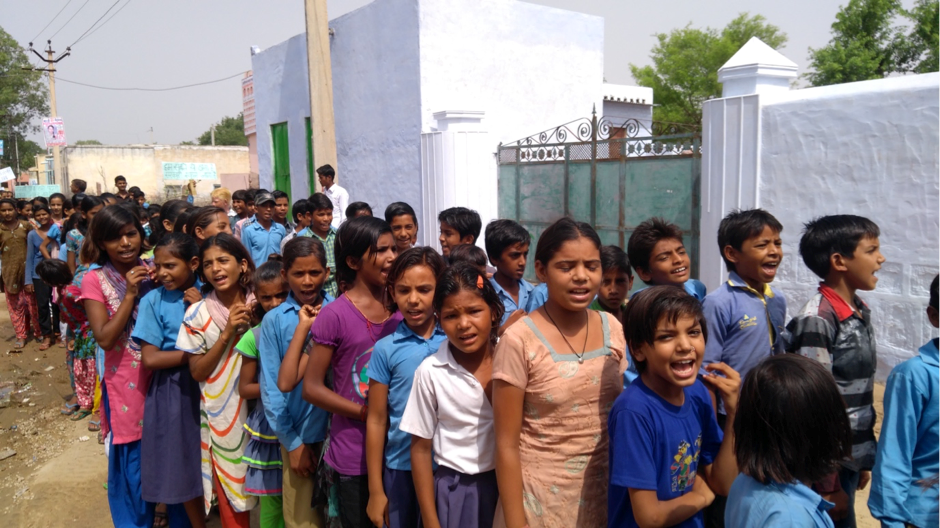
School children in the village streets for an enrolment rally. As can be seen from this photo, girls and boys are in separate lines. Almost every school activity ensures that girls and boys don’t interact

While there is no doubt that education is an essential medium through which such norms can be uprooted, there is also a need to increase awareness among the communities to support such an education. Community members believe patriarchy to be a part of their culture, which ‘western’ minds, such as mine, were trying to corrode. Unfortunately, it’s not just the men who hold this belief, it’s the women as well. As a part of my project, I worked on a construction site in order to understand the difficulties that labourers face in villages. At the end of just 2 hours, I had received calls from every important person in the community to not ‘disrespect’ the norms of the village by performing such an ‘unwomanly’ task. Oddly enough, the people who reprimanded me for my actions were women while the labourers at the construction site treated me as their equal.


While I came face-to-face with such extreme inequality, there were bright spots too. I stayed with Sunitaji who educated her 3 daughters against all odds and started her own sewing businesses. I also interacted with Khan sahab, who had ensured that his 2 daughters obtained their master’s degree against the wishes of his family. These stories make me believe that the village mindset will change but such examples alone will not be enough. Providing children the space to question societal norms is, without doubt, imperative to uproot gender inequality and I believe that quality education in government schools is going to be the game-changer.


About the Author:

Shruti Sriram is a first year MPA student at SIPA, Columbia University. Prior to joining, she was a Gandhi Fellow in Churu, Rajasthan (India) where she worked with upper primary government schools to improve student learning outcomes. Her experience with the education bureaucracy led to her interest in policy and public administration. She is interested in exploring how behavioral insights can inform development interventions, particularly on how it can be used in the area of bureaucratic reform.


Categories
Power in Praxis

This is Sangeeta

There are now more than 80 girls enrolled in the Mahbubnagar ICT Center in our various courses. The courses range from learning conversational English to learning computers. The happened in a short duration of 3 days. It required a brief introduction of the computer course at the Government residential hostel nearby. The deluge of girls started to flow in our center in the evenings.


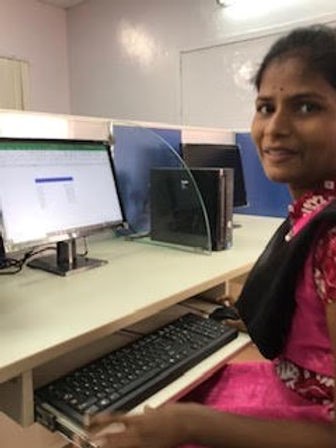
Amongst the girls who joined our Center is Sangeeta. She came 30 minutes before our class time to quietly sit on one of the computers. She wanted to go unnoticed and not make eye contact. Later on, we found out that she didn’t want anyone to stop her from using the computers. The girls were welcome anytime to use the computers.


Sangeeta’s screen was an excel sheet. She was learning how to type on her own. She has made a list of her friends in one row, with another row as the serial numbers. On top of the sheet was written- “B.Com Computer Science”. This stands for a Bachelors degree in Commerce with a focus on Computer Science. I tried to talk to her, and she became very nervous. I wanted to make her comfortable by cracking some jokes. She joined the class.

Today’s practise session was about writing a letter to the District Collector about the status of their village. This was more of a typing exercise and students getting familiar with the keys and opening and saving a word document. In one hour some students could write 3 lines others could write 2 lines. There was one girl who wrote about 5 lines. Sangeeta was somewhere in between. The class ended at 6:30pm when everyone was asked to leave. Sangeeta said, “madam 5 minutes please”. I smiled and said okay. She was trying very hard to type. After 20 minutes I asked “Sangeeta, are you done?” She said, “Madam 5 minutes please”. The Computer Center instructors became busy with planning the next day’s activities. I asked “Sangeeta?” She reluctantly got up to leave.


Next day Sangeeta was early again and by this time saw us more as friends than people who would ask her to leave. As she started to open an excel sheet and I got a chance to know more about her. Her village is 5 hours away. She lives in the nearby Government Hostel like other girls. Her College is very close to the Hostel. Even though she is enrolled in a Bachelors Degree Program with Computer Science focus, Sangeeta had not worked on a computer. The academic year was almost about to end. I asked her if she learnt about Computers in her classes. She replied that the College Principal is her class teacher so “he is very busy”. There have been hardly any theory classes with zero computers practical work. But she is very interested in learning Computers. That night again, Sangeeta stayed back late to finish the class assignment on her own. Although she didn’t learn much in her college, she required very little help to figure out things. She typed slowly but was able to do everything on her own.


One more day went by. Sangeeta asked her first question- “Can you teach me English?”


#genderequality #letgirlslearn #empowerment #education

Categories
Power in Praxis

Beti ho to Sahu ji Jaisi | If you have a daughter, she should be like Sahu ji’s daughter.

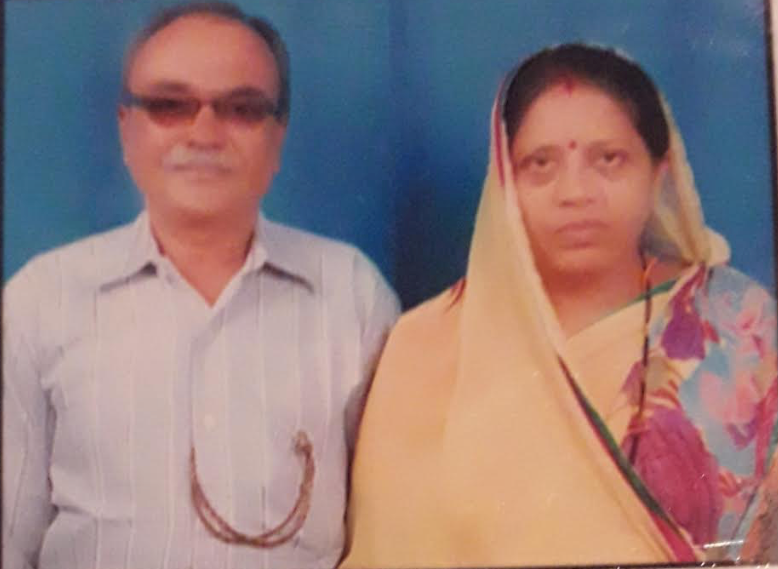
Mr Sahu or Sahu ji as we call him with respect, has been working with my Mother’s NGO for more than 3 decades. A silent worker, he keeps all records in order and works with the various Government Departments. Sahu ji has a loving wife and two children, Natasha (15) and her elder brother. My mother intermittingly spoke about how good Natasha is and that she is making Sahu ji very proud. I would simply nod and didn’t ask many questions. My mother usually has great things to say about everyone she meets.

Mr and Mrs Sahu

One day during my visit to Bhopal, Sahu ji and I generally started to chit-chat. I asked about his daughter and he said “yes she is a State Karate Champion”. I replied “Really?” with amazement. Karate, a girl from Bhopal, these two words didn’t connect. I asked him again and he started to share more details that Natasha is in a Government funded hostel in Jabalpur, another small town not too far from Bhopal. I was even more surprised, she was just 15 and is now living on her own. A girl from Bhopal, a Karate champ and living independently in a separate town with Govt. sponsorship, all the pieces didn’t add up. Sahu ji got all my attention.

Sahu ji narrated that when Natasha was much younger she used to learn Karate in school. She was the only girl among a bunch of boys learning karate. But with lack of interest from students, the Karate classes stopped. Natasha was heart-broken. Her father, Sahu ji said that he will arrange for private lessons for Natasha, to which she readily agreed. It turned out that Natasha’s talent did not remain hidden for too long. She started to win every match. The local Government authority and the Sports Authority of India started to recognize her talent.

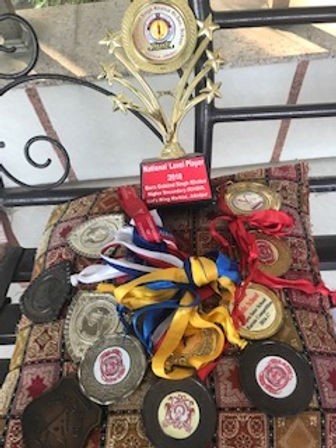
The next day Sahu ji showed me the various medals that she has won. They ranged from community and citywide competitions to State championship. Among the 15 pus medals, she received accolades from various politicians and Government officials. While Natasha was being recognized publically, her relatives were not very happy. They often told Sahu ji “you should ask her to stop all this. What if she gets hurt in her face, who will marry her?”. “It is not decent for a girl in our community to play sports and that too karate”. “No one will marry her”. “Her dress sense is not good. She wears pants all the time”. Sahu ji mentioned to me that in his community women never play sports so these comments were fair to ask. Sahu ji’s wife always wears a saree and has her head covered. Karate was not something girls learn in his community. But since Natasha was keen, Sahu ji announced that his daughter likes it and he sees no harm.


Natasha’s Awards

When I asked Natasha about her love for Karate, she said she always liked the sport. She added that every girl should learn karate for self-defense. Natasha is now the State representative for Khelo India Khelo (Play India Play), which is a national competition for Karate. She is very thankful to her dad to let her pursue her interest. She plans to join the Navy in the coming years so that she can support her family. Karate is in her blood and hopes to represent India in the Olympics one-day. Her relatives have turned around and now say “Beti ho to Sahu ji Jaisi“.

If you have a daughter, she should be like Sahu ji’s daughter. “

Categories
Power in Praxis

Women of many firsts inspire other women

How better to inspire and motivate other women than to lead by example and be a real-life role model? Being in the presence of Her Excellency Ellen Johnson Sirleaf and former U.S Secretary of State, Madeleine Albright, was a firsthand experience of that.


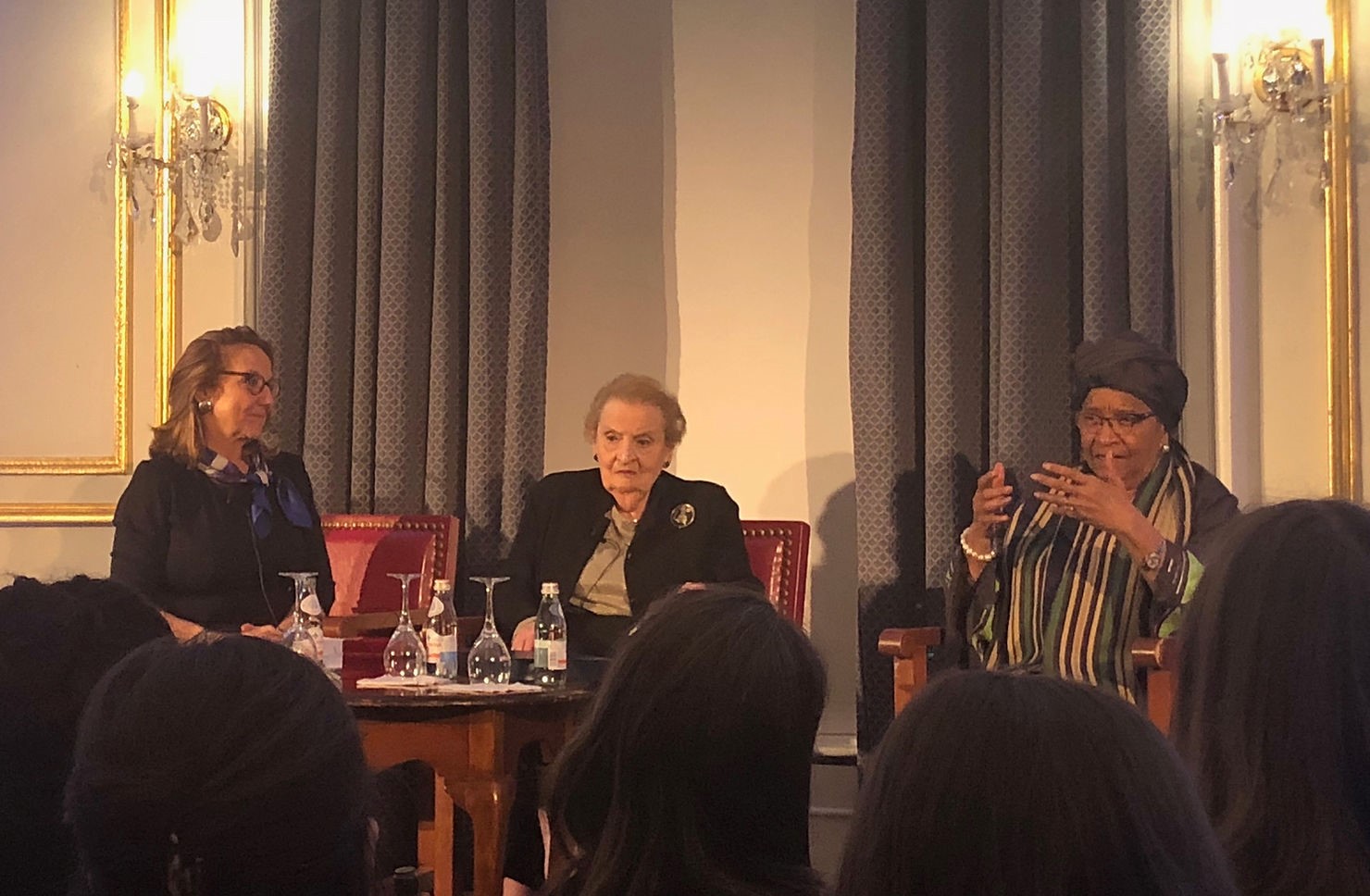
The sixth annual Madeleine K. Albright Global Development Lecture opened with Peggy Clark, the Executive Director of the Aspen Global Innovators, and the former first female Secretary of State, Madeleine Albright, welcoming Ellen Johnson Sirleaf– the first elected female head of state in Africa. These women of many firsts celebrated the continued and expanding firsts emerging for more women, especially illuminated by the midterm election results from the prior night. With over 100 women elected to office– including the youngest congresswoman, Muslim women, lesbian women, Native American woman– Johnson Sirleaf declared in her lecture, “America has come of age.”


In sharing the Liberian experience of growth and recovery post civil war, Johnson Sirleaf highlighted the critical role education and women played along with the drastic economic recovery she was able to forge. “Education is the stabilizer of society”– she further explained that without meaningful progress with training and education for youth, true development and growth will not be possible. She noted the role women played in Liberia’s growth, recalling the involvement of women in all levels of civil society and education, which served as a catalyst in building peace in the torn nation.

Her Excellency Ellen Johnson Sirleaf; former U.S. Secretary of State Madeleine Albright; Peggy Clark, Executive Director of Aspen Global Innovators Group address questions from participants


Many participants sought answers to questions surrounding gender issues upon hearing Johnson Sirleaf’s lecture. Some sought advice and words of encouragement for women facing challenges in pursuing their dreams. Some asked questions on behalf men and women who are disenfranchised because of their race, color, gender or economic status. Some sought guidance on men’s role in supporting more opportunities for women. Both women reminded participants that we cannot take on battles and challenges of development on our own – they urged women to work together, but also to work with men as allies instead of getting into a “gender war”. Albright pointed to the need for laws and policies to be in place alongside growing number of women being represented in positions of power and leadership. Further, Johnson Sirleaf and Albright both pointed to the need for women (and men) to see challenges as an opportunity and stepping stone to get closer to goals and dreams. Sirleaf described, “Failure is success upside down… challenges inspire.” Albright referenced stories of Johnson Sirleaf taking canoes across rivers when the lack of proper roads got in the way of her reaching villages during her political career– she advised, “when you meet potholes, get a canoe.”

Categories
Power in Praxis

Water, Water Everywhere, But Not a Drop to Drink!

by Nidhi Thakur, Ph.D.


OK, so this is what someone tells you about a particular festival celebrated in a far-flung corner of the world. The married women fast (waterless) from dawn to moon-rise, and get to eat their first morsels for the day only after having seen the moon, and after having taken their husbands’ blessings. That night’s food, like most other meals in the house is prepared by the (fasting) woman. Needless to say, during the entire day, it was business as usual for everybody else in the family, and for her too, in most ways. She cooked, cleaned, fed, ironed, watched TV, chatted on whatsapp, and went to work as a doctor, teacher, lawyer, astronaut or nurse…yes you heard it right….astronaut too (there has been a woman astronaut who, if she had chosen to so do, would have identified with this festival.)

What, you might ask, is the name and purpose of the festival? The name is Karva Chauth, and it is celebrated by many Hindu married women, to pray for the long lives of their husbands.


Understandably, the way the facts above have been presented, you are more than likely to assert that this festival appears completely rigged against women, with zero inconvenience being shared by the main ‘hero’ of this festival-the men!


Activists from both sides of the argument have displayed ample passion and expertise to defend their points. Therefore, it is NOT the premise of the article to take sides on the rationale and observance of the festival.


Except, I do wish to question and provoke a thought about the dehydration involved in the festival. Fasting, and intermittent fasting, has emphatically been proven as the best detox mechanism, particularly for majority of us in modern lifestyles surrounded by abundance of food, and of opportunities to consume food. Yet, no detox science requires giving up consumption of water. Water, that universal solvent, that ultimate elixir which comprises approximately 71% of earth and about similar amount of human body by weight! Water in, correct quantities, is required for the proper functioning of kidneys, liver, blood pressure, etc. In fact, even in the Muslim fasting during Ramadan pregnant women are exempt from waterless fasting, primarily because the significance of water can never be overstated. In the light of all the data pointing to the need for healthy hydration, is it not fair then to repackage the festivals —that involve waterless fasting, to simply fasting? Yes, I know, nobody dies (we hope) in the absence of water for around ten plus hours? However, why, I ask, even do something so unscientific? Who are we trying to prove, and what, and why? Why should we create celebrations for someone’s longevity, at the cost of the other person’s basic convenience? If this is how many mothers did it in the past, it is only right to ask to modulate it now for the daughters.


(That astronaut you ask? Was the late Kalpana Chawla)


Author Bio

Nidhi Thakur is an economist, with specialization in labor and health economics. Her interest in Gender issues, is an on-going evolution of her resistance to the many systemic biases that are perpetuated through political, social and unfortunately even religious institutions, in order to preserve a power hegemony which perversely favors a small section of society. She believes in empowerment through education, skills, financial independence and political voice. She has published in academic and non-academic journals, and is currently a Lecturer in Kean University, Union, NJ, where she hopes to interact and hopefully influence, and be influenced by, the lives of many a first-generation college goers from minority backgrounds. She has an M.A. in Economics from Jawaharlal Nehru University, New Delhi, a Ph.D. in Economics from University of Arizona, and a Post-Doc from University of Chicago.

Categories
Power in Praxis

Lesser Among Equals: Gender and Social Class in India

By Nidhi Bhatt


On my last visit to Mumbai, I travelled by the local train to experience the true flavor of the city. In the evening rush hour, I was lucky enough to get a seat in the first class ladies compartment. As the train started, a group of women seated across from me took out knives and little bags of vegetables, and started to sort and chop the produce. From the way they were dressed, I assumed they were professionals — so why were they doing this on the train? I asked, and they replied that they would reach home at dinnertime. Their husbands would also work and commute. But once the men got home, most would read the newspaper or watch TV while their wives would scramble to get dinner on the table.


Amused, I looked through the grill that separated the first and second class compartments. I saw a group of fisherwomen heading home after a long day at the market, chopping vegetables in nylon bags. Here were two groups of women, with different educational backgrounds, skill sets, and financial positions. Yet, there was not much of a difference in what was expected of them within the social and family structure. Some sat on plush seats wearing expensive dresses, others sat on wooden berths wearing simple sarees. All of them were chopping vegetables.


No matter what social class, gender is the great equalizer. The Indian social set-up is patriarchal in nature. The outworn norms are not only dictated by men but reinforced by women as well, making it difficult to break their vice-like grip. When my grandmother was recovering from a heart attack, she hired a caretaker named Varsha. One evening, Varsha came home crying. She informed us that the court had finally granted her a divorce. After a three-year legal battle, she was free from the relentless verbal and physical abuse she faced at the hands of her husband and in-laws. She came from a poor family. Her mother worked as a tailor and her father was an alcoholic, who couldn’t keep a job. Varsha, a bright student who had attended the municipal school, quit studying after high school to support her family and pay for a private education in an English-medium school for her younger brother. At twenty years old, she was married off to a graduate who worked as a clerk at a bank.

From the beginning, her mother in law was verbally abusive and kept Varsha busy with housework. She would insist on sleeping in the same room as the couple. Her husband lost interest in her within months and kept threatening to leave her for one of his many girlfriends. Once, while they were walking on the road, he pushed her towards a moving car. She got lucky and fell on the sidewalk.


She decided to walk out on her husband when he started physically abusing her. Back to her parents’ home, Varsha took a short training course in nursing and started working. She filed a divorce case against her husband and was assisted by an NGO working for women’s rights as her family had no money to pay for a lawyer. After three years, she got her freedom and some of her jewelry back. I thought she would be happy and relieved, but she was miserable. Her husband was all set to marry his girlfriend but she would have a tough time finding someone to settle down with. Living with her parents wouldn’t be the same for her as in India a girl’s “true home” is often considered to be her marital one.


My aunt’s friend, Dr. Chitra, had also walked out on a bad marriage. An educated woman whose parents were both dental surgeons, she married a highly qualified and well-settled man. However, her mother-in-law was domineering and her husband turned out to be verbally abusive. She had to rely on her parents for financial support as her husband gave his entire salary to his mother. She reflects, “At home I was treated like a slave, cooking, cleaning and taking care of my son. There was no social life and I had to face taunts and abuse all the time”. She couldn’t even complain to her husband because he would scream at her.


When her son was one and a half years old, her mother-in-law forced her to look for a job to support herself and her son. Ironically, this turned out to be the best thing that happened to her. She took up a job as a lecturer in a college and discovered a whole new world outside her unhappy home.


Why did she stay in such a relationship? For a long time, Dr. Chitra was worried about a how a broken marriage would affect her child. The social aspect of divorce and the fact that her child would not have a father made her delay the decision of walking out of the marriage. Things got worse when her husband and mother-in-law demanded all her earnings. Her parents were very supportive and when her lawyer told her that her husband could not take custody of her son, she left, never to look back again. She took up a job, went on to do her PhD, and even won a Fulbright scholarship to teach for a semester in the US.

In her own words, “The difficult part was answering questions. No one minds their own business in India. The questions hurt. I was sometimes made to feel as if I had done something wrong in leaving my husband. Also, my son’s teachers wanted to know where the father was. Initially I lied, creating a fictitious account of a father who was working abroad as all the school forms and report cards needed the father’s name and occupation. The mother’s name and occupation were irrelevant”.


Looking back, Dr. Chitra believes that one caring parent is better than two warring ones. The psyche of a child who grows up in an environment of domestic violence may be permanently scarred. Academics and the pressure to perform well in school can be challenging, and a disturbed home environment can upset the delicate balance between home and school. She is glad there are many progressive laws in place today and that school admission forms and report cards recognize single parenthood. Yet, people continue to be inquisitive and insensitive as they want to know where her husband is and how she will live by herself. She says, “My career has been a blessing providing a balm and my family has been the bulwark. Without them neither my son nor I could have accomplished what we did”.  Her son graduated from the prestigious IIT and IIM, is happily married, and lives and works in London.


Two women belonging to different social classes faced the same issues in their marriages, including abuse from their husbands and troubling internalized misogyny from their mothers-in-law. Dr. Chitra was able to overcome her unfortunate circumstances because she was educated, and had supportive parents who were financially stable and encouraged her to study further. For Varsha it would be a long and arduous road to independence and stability. She would, in all probability, be forced by her parents to remarry as they couldn’t make ends meet. Neither would she be able to buy a house for herself with her job as a nursing assistant. As a young woman with no family support, Varsha would also have to be careful as she was vulnerable to unwanted attention and exploitation from the men around her.

Compared to major cities, the gender equation in smaller towns and villages is highly skewed. Ms. Madhavi Trivedi is a nutritionist who works for Kellogg India. She and her team once conducted nutrition awareness workshops in some government-run schools in the villages of Maharashtra, a state in western India. As the tables were set for the students, all the girls waited for the boys to eat first. When questioned, most of the girls said that at home their fathers and brothers were served first and they ate with their mothers later. Almost all the girls said that they didn’t drink milk everyday as their brothers needed it more than they did.


Another study was conducted by Kellogg in four metro cities of India. Titled “Nutritional Adequacy of Breakfast: Its relationship to daily nutrient intake among children, adolescents and adults”, this study also revealed gender bias with regards to breakfast  with greater nutritional inadequacy among females.


Gender hierarchy not only dictates a woman’s status within her society and family, but her education and nutrition as well. Among the elite and educated class, gender inequality makes its presence felt in a subtle, insidious manner. Within my own extended family, I have aunts who, despite being highly qualified, have given up on their careers and aspirations in order to please their in-laws or raise their children after marriage.


In my opinion, the best way to bridge this gap is through education, empowering women within communities, raising boys to respect girls, and raising girls to know their rights. The roots of patriarchy are deeply entrenched in society and it’s only through education that we can hope to strike them at the fundamental level. Hopefully, gender equality will soon no longer be an abstract concept we have to fight for but a tangible reality.


Nidhi Bhatt is a currently a senior at Millburn High School. She is an avid reader, enjoys writing, swimming and playing the piano. Fluent in French, Hindi and Gujarati, she loves exploring history, food, and culture through travel, books, and chance encounters with people.  Nidhi is actively involved in community outreach and hopes to study Political Science, French, and Statistics in college.

Categories
Power in Praxis

Power in Praxis Launches!

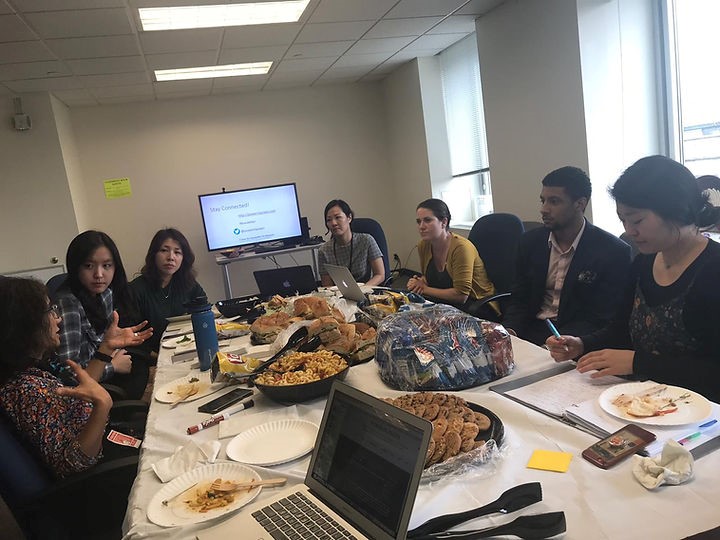
Power in Praxis launched on October 11th with professors, researchers, students and individuals committed to meaningfully engage in conversations surrounding gender issues. As a platform launched to bring together personal experiences and stories, positioned within practice and applied research surrounding gender issues, the starting discussion reflected just how complex the notion of gender could be.


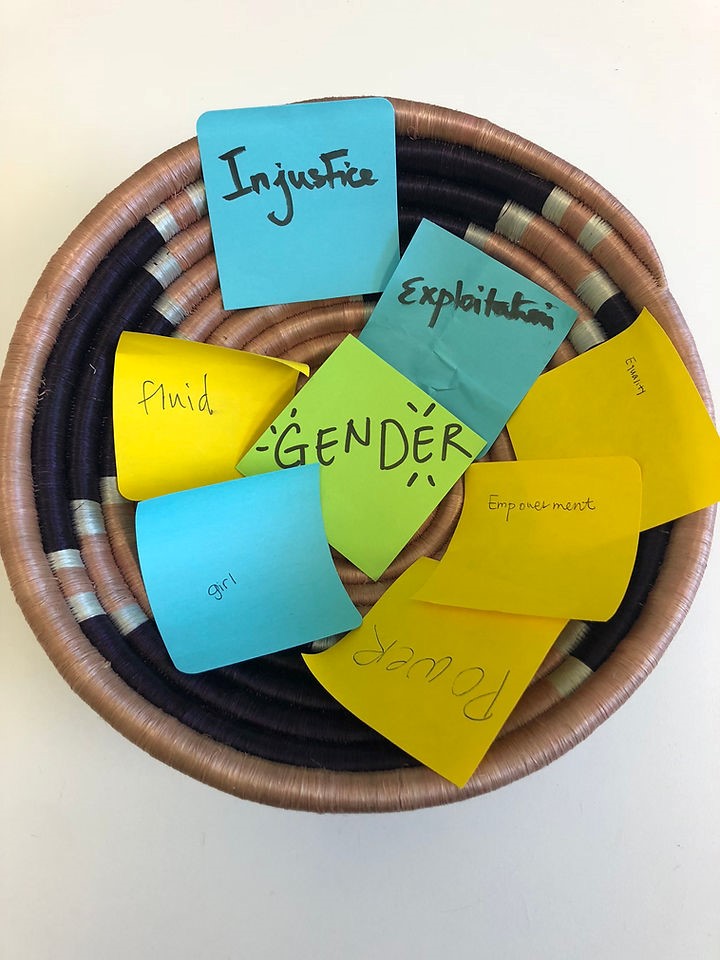
The word “gender” brought up a wide range of phrases for each individual. Ranging from “empowerment”, “girl”, “equality”, “fluid” to “exploitation”, “power”, “injustice”, participants shared how “gender” evokes both positive and negative, sometimes even cynical sentiments with the word alone. One participant shared that the mind automatically goes to a “girl” when it comes to gender, despite the most effective ways of addressing gender issues to be inclusive: both men and women, boys and girls. These are the types of underlying mental models, bias and perceptions this forum hopes to bring to light in constructive ways. Some initial thoughts on the most pressing gender issues of our time can be found in our Forum

As the forum builds up further, we hope this platform will be a place where practice meets research, as well as to have individual voices and concerns be heard. The longer-term vision for the group is to have continued discussions be the foundation for conferences and workshops on gender issues and stereotypes in US and abroad. The experiences, stories, and discussions can become a compilation of our narratives on gender, to be shared further with the public.


We look forward to hearing your voices.

Categories
Power in Praxis

Interview with Roopashree Joshi on her work educating marginalized girls on the Nepal/India border

Updated: Oct 17, 2018

Roopashree Joshi works with World Education, a Nepal based NGO. This 25 year old NGO focuses on educating the marginalized girls (muslim and the Dalit communities) and their mothers. She has been interviewed by Tara Sheth, a Masters student at Teachers College, Columbia University.


Tell us a little about yourself and the work/projects you have undertaken?

I work with the most disadvantaged and marginalized Dalit and Muslim children in Nepal ,  in the districts near to the Indian border.We also encourage mothers to get education and develop their livelihoods. We organize non formal classes for the daughters and mothers through our partner NGOs in the districts.

The highest numbers of out of school children in Nepal are in Terai districts. Poverty, distance to school and child marriage remain the main reasons why girls drop out of schools.

I also work on projects that focus on migration and migrant education Recently we have developed a mobile app that promotes financial literacy and decision making in the migration process .

Why do you think women are not advancing, what are some of the challenges you think the women face in terms of gender disparities and finances?

Some of the challenges the women and girls face are the lack of finances and the ability to be independent, stand on your own two feet. I feel that education is the means to this end. That is why along with the young files I have also started off a program to educate their mothers as well. If the mother is educated then only will she realize the value of education and want that for her daughter. The mothers need to send their daughters to school, because they did not get the chance, or have the means to go. These girls need a second chance in life.

How do we bridge the gap between both the genders and give them an equal status?

Gender inequalities and biases pervade cultures worldwide, preventing women and girls from fully realizing their rights to reproductive health and equality. For example, discrimination against women and girls often begins at conception, especially in parts of India and South Asia. In parts of India, near my home town and South Asia, till today there is a strong preference for having sons. Girls are by some families perceived as a financial burden for the family due to them not being earning members and societal pressures such as unaffordable dowry demands. In my program itself, 23,000 girls have come to our program. 2,000 of them are engaged in self employment

Why did you think of this topic, of educating girls? and how should we as women try and transform this awareness into action? What can we do?

I think the first step is to educate all women, once they are educated the world is their platform to start off anything, be it a job or an enterprise. Education has always been crucial to me, both for the young girls and their mothers who never got the chance to go to school. I choose this profession to see a positive difference in the lives of these marginalized girls. Once they are educated, they can be financially independent and be equal to men.

My mission and vision is to educate all the minority girls and their mothers through my informal education program. We teach the mothers and the girls at a later stage skills for self employment and entrepreneurship so that they can go forth and start their own business ventures. We also work with the school system to bring about change in their approach. Mothers express their hopes and dreams through the form of mithila art. I think it is essential to encourage the mothers to encourage the daughters to study and to keep at it. One of the major reasons girls drop out of school is child marriage. I honestly wish there was someway I could delay the child marriage by a couple of years or eradicate it completely.

I think the girls are fascinated of learning new things- and that is great! Even when basic utilities are provided to them such as support stationary and uniforms there is a higher chance that they will enroll in the continue their education.