Categories
EDforSD

Earth Day/Week Show & Tell

Updated: May 1, 2020

The social distancing and quarantine from COVID19 did not stop Eco Ambassadors from celebrating Earth Day 2020 in their homes, kitchens, gardens and backyards.

On Friday, April 24th, few Eco Ambassadors got together for a casual Show & Tell to share what they did during Earth Day (April 22, 2020 and week of) to celebrate the environment, nature and our Earth.

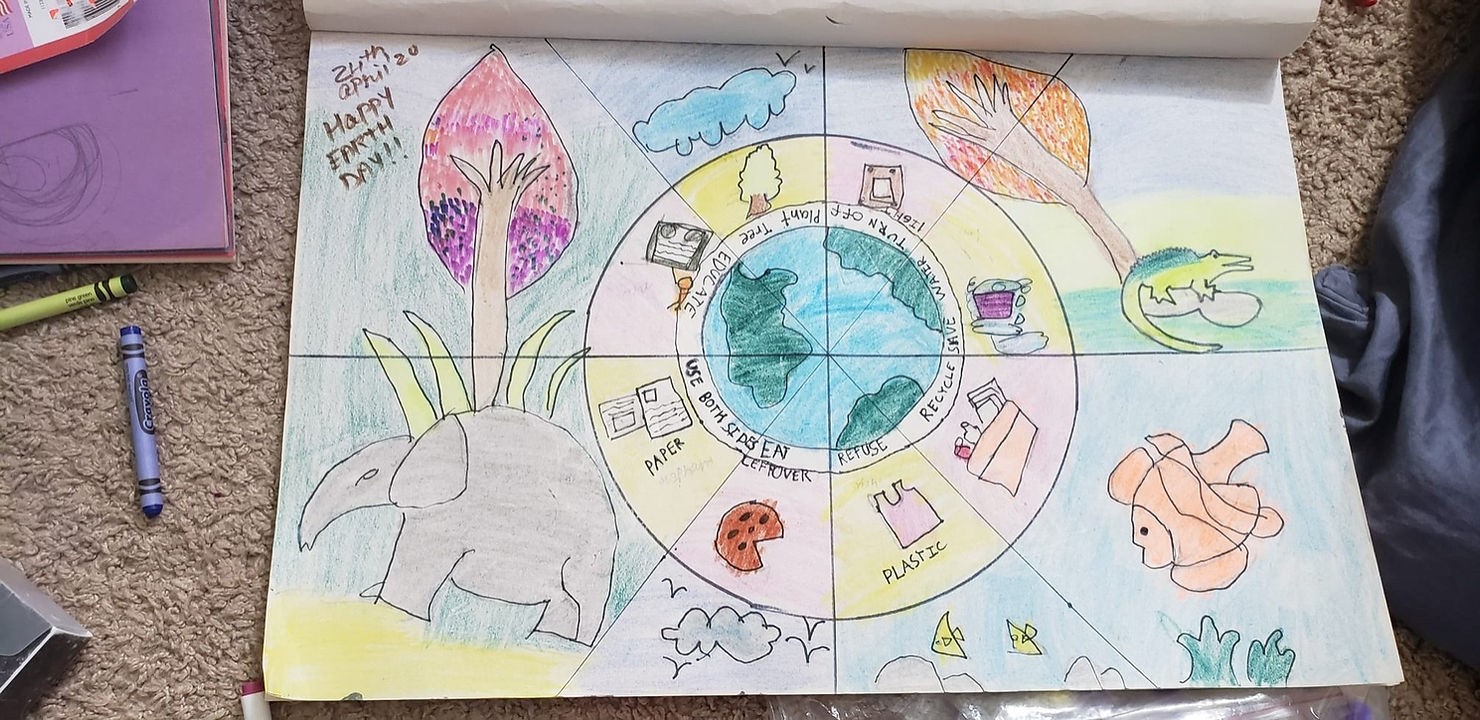
Our youngest Eco Ambassador Arjun drew what a beautiful Earth looks like to him with some strategies to protect the Earth.

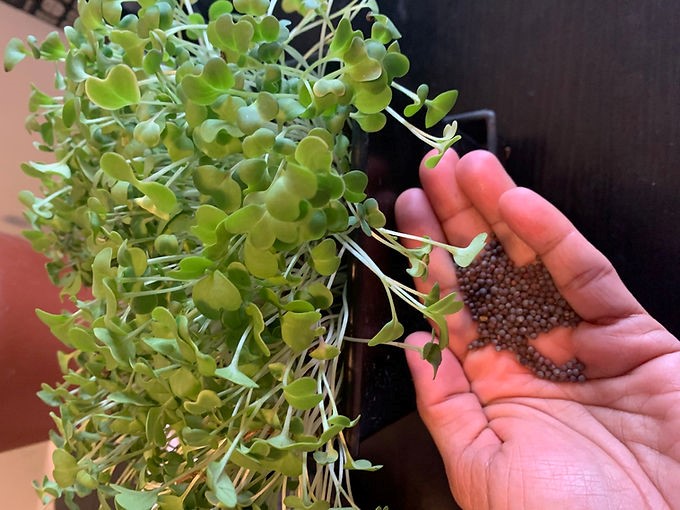
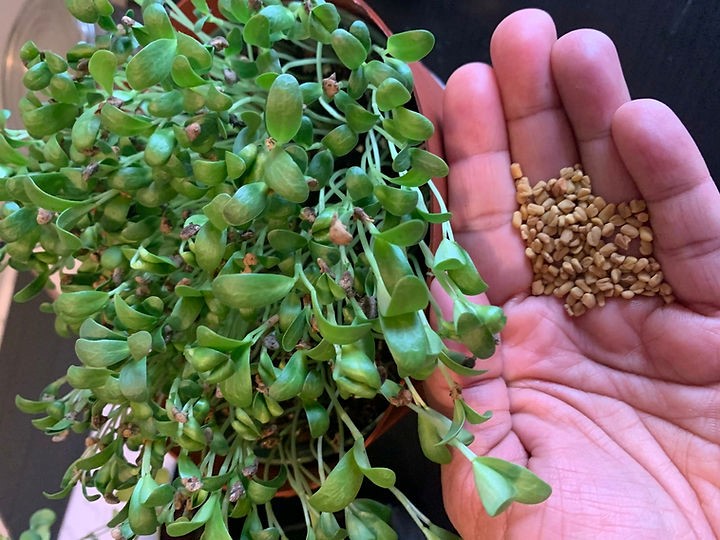
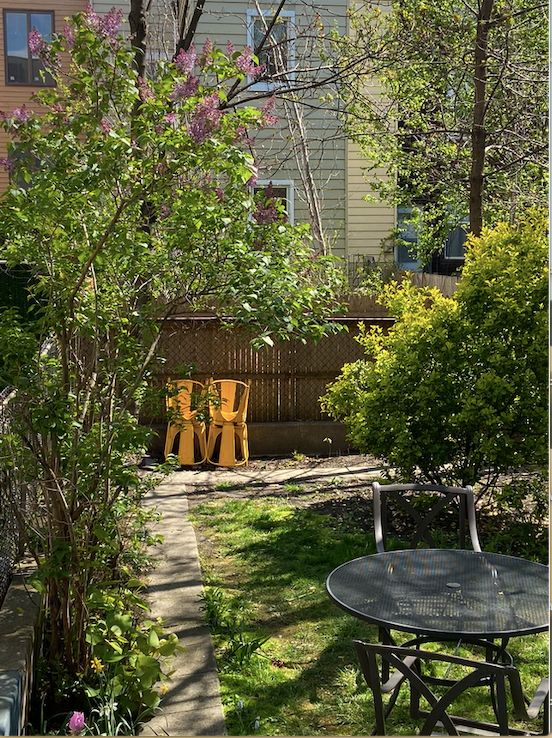
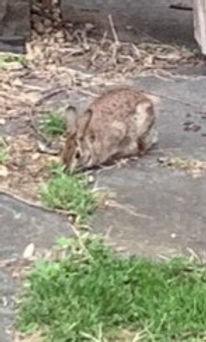
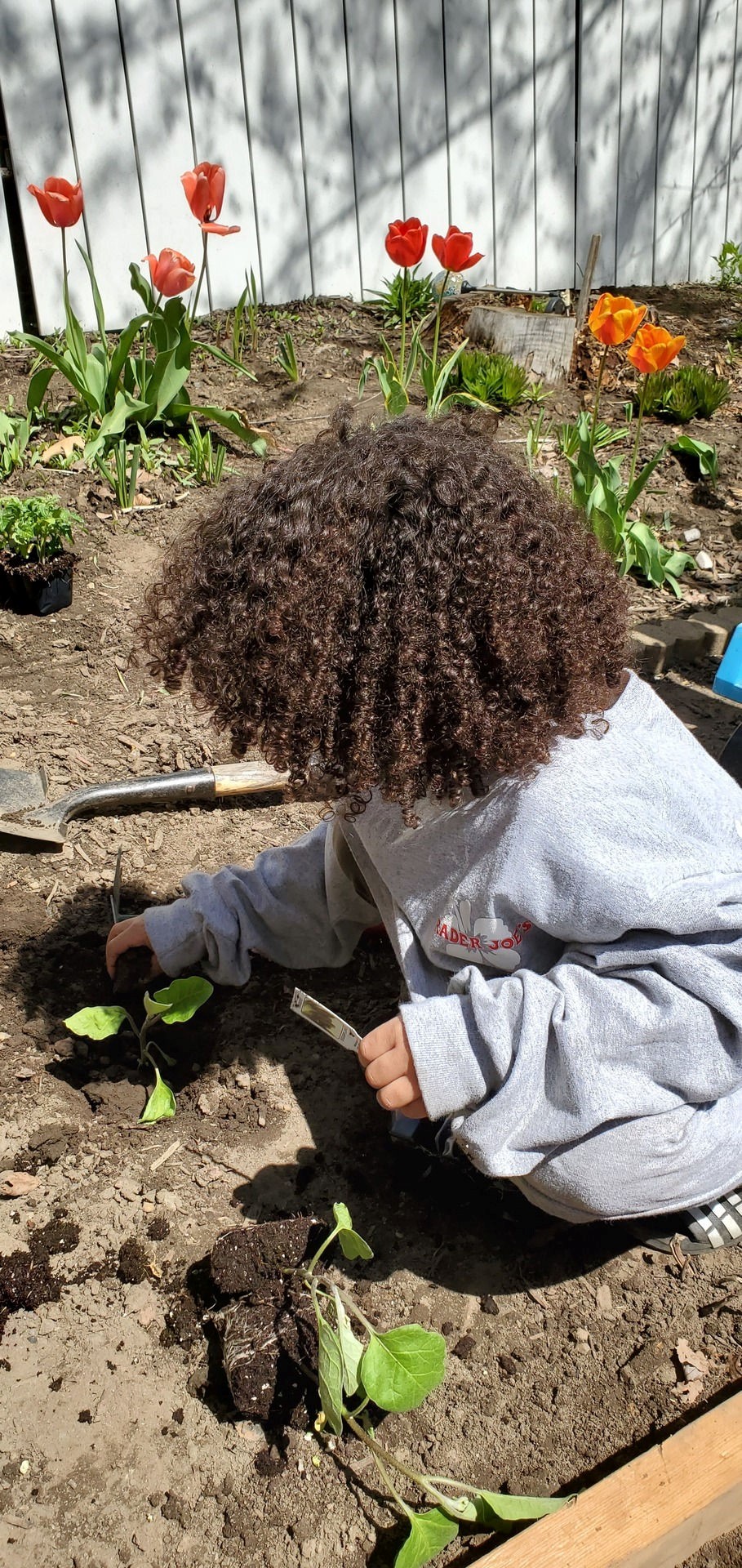
Eco Ambassador Ishaan and our Eco Ambassador program staff shared respective home gardening projects to plant flowers, tomatoes, fenugreek seeks and mustard seeds, as well as various observations made in the yard to examine various birds, animals and plant varieties.

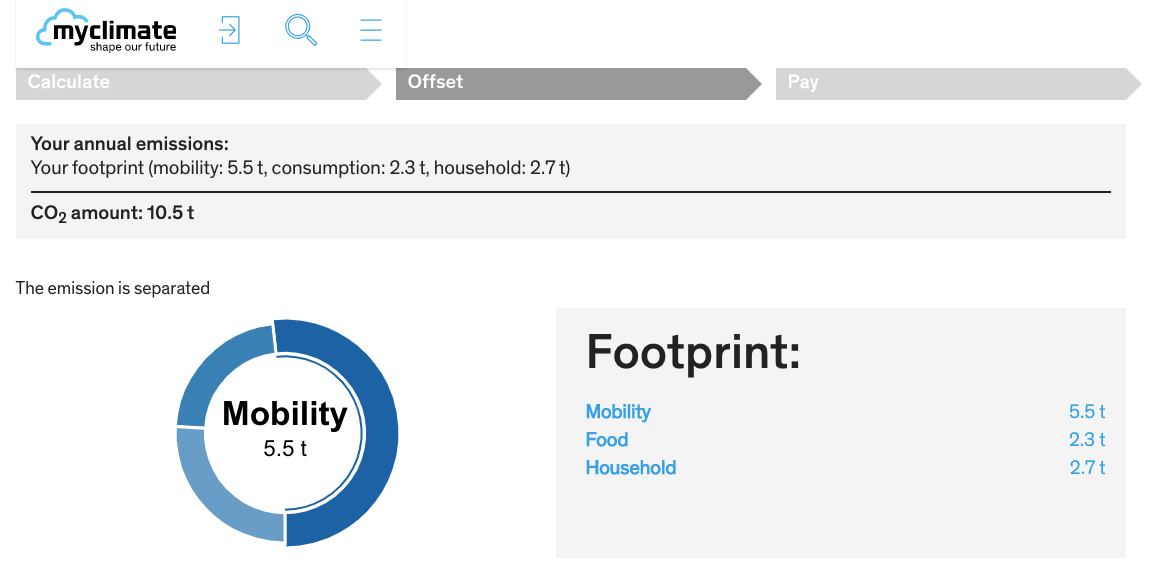
Another Earth Day/Week project also included calculating carbon footprint then offsetting it by donating to organizations and businesses working on eco-friendly and renewable energy projects to reduce carbon footprint.

Here are some resources that were used for carbon footprint information:

https://www.myclimate.org/

https://www.epa.gov/ghgemissions/global-greenhouse-gas-emissions-data

https://www.footprintnetwork.org/our-work/ecological-footprint/

And to end, sharing a wonderful song Tara had shared with her sons to celebrate Earth Day:

https://www.youtube.com/watch?v=QNtE5FanPLE

HAPPY EARTH DAY/WEEK 2020 !


Categories
EDforSD

What does it take to be a journalist?

Updated: Apr 8, 2020

We had the pleasure of speaking with Mr. Subhajoy Roy of The Telegraph (Kolkata), who has been with this eastern India’s largest circulated English daily for 10 years.

He covers stories on air quality issues; civic issues like waste management, water supply, health issues and road network as well as infrastructure (traffic planning and traffic management. He is currently covering COVID19 -related steps taken by the government and  state health department.

In the conversation, our Eco Ambassador participants asked about the nature of the job of a journalist – what skills and qualities are needed to be a journalist?

Along with sharing an advice he was once told– that EMPATHY is the most important quality of a journalist– he also shared with us a list of quotes, movies and books he found, that further reflects and illuminates a journalist’s job (see below!)

Thank you Subhajoy Roy!

FULL INTERVIEW can be found @ https://youtu.be/0-DXDD6EtJU

QUOTES: (Gabriel Garcia) Marquez used to say that the journalist should be like a mosquito, which is there to irritate those in power, buzzing instantly. -Director of Colombian news website La Silla Vacía

I have learnt a great deal from listening carefully. Most people never listen. -Ernest Hemingway

Headline in a 2016 piece by Columbia Journalism Review: “The voicelss have voice. A journalist’s job is to amplify this”.  Source: https://www.cjr.org/first_person/buttry_story.php

MOVIE LIST:

All the President’s Men (1976) #Won multiple Oscars, Golden Globe and BAFTA nominations.  #The issue: Investigations by two reporters of The Washington Post unearthed facts and stories that led President Nixon of the United States to resign. One of the most defining moments of investigative journalism in history.  # The Washington Post won Pulitzer prize for public service in journalism in 1973.  SPOTLIGHT (2015) #Won Oscar for best picture in 2015.  # The issue: how investigation by The Boston Globe’s Spotlight department unearthed sexual abuse of childern by the Church.  # The newspaper won Pulitzer prize for public  service in 2003 KILLING FIELDS (1984)  #The film won 3 Oscars and 8 BAFTAs.  #The issue: how journalists reported the killing of people by a tyrannical regime in Cambodia.  PEEPLI LIVE (2010) #It is an Indian film in Hindi language. Look for a version with English subtitles.  # It is a critique of modern day media and political leadership.  # The story is how things unfold after farmer suicides in an Indian village.  How media landas there and how it covers the story.  READING LIST

ALL THE PRESIDENT’S MEN  #By Bob Woodword and Carl Bernstein, the two reporters whose work primarily led to president Nixon’s resignation. 1974 book, film in 1976.  GEORGE ORWELL’s essays for their prose. Read “Why I Write”. Orwell says “I write it because there is some lie that I want to expose, some fact to which I want to draw attention, and my initial concern is to get a hearing”.  JOHN HERSHEY’s “Hiroshima” on what happens after the atom bomb fell in Japan.  GABRIEL GARCIA MARQUEZ’s “The Story of a Shipwrecked Sailor”. Marquez, who was a journalist, wrote 14 pieces for a newspaper. Only one sailor of the Columbian Navy ship survived. Marquez’s account revealed that the official version of a storm killing all but one sailors was false. The accounts were later published as the book.  Read on ROBERT FISK. A British journalist who interviewed Osama Bin Laden thrice. He has written on his experience of interviewing Laden.


Categories
EDforSD

How much plastic is in your school?

Please take a look at this fantastic study and post by one of our most active Eco Ambassadors, Aalok Bhatt.


BY AALOK BHATT

My name is Aalok Bhatt and I am a sophomore in Millburn High School, New Jersey, and an Eco Ambassador for the Center for Sustainable Development (CSD) at Earth Institute, Columbia University and SDSN program.

Miss. Priya Patel of the Millburn Green Team, asked me and another student to create a survey in order to get more information about the plastic consumption habits of students in our school.

The survey got a good response as 1082 students participated in it, which is over ⅔ of the student body. To get such a high number of respondents, I had to put in a lot of effort to get the word out.

The first thing I did was to speak to all the class presidents to send out the survey. Unfortunately, I did not get enough responses so I decided to speak to the principal of MHS, Dr Miron, requesting him to send out the survey in a school wide email.

He did so and even reminded students to fill out the survey on the loudspeaker 2 times!

While analyzing the results of the survey, I saw that 57.9% of respondents never bring reusable cutlery to school. I was shocked when I saw this statistic and realised that a lot of work needs to be done in terms of convincing students to bring their own cutlery, and persuade the school to provide less or no plastic cutlery.

In order to achieve this, I, along with members of the High School Environmental team, plan to speak to Dr Burton (the superintendent of Millburn Public Schools), and Mrs Schnider (who handles the school’s finances) to lobby for reduced disposable cutlery in our school.


On a positive note, most of the results leaned to the environmentally friendly side, which gives me hope that we will be able to combat this problem in an expeditious manner.


Click here to see my findings!


Eco Ambassadors

Categories
Power in Praxis

Self-Advocacy at the ICT Center, Mahbubnagar, Telangana, India

By Dr. Nidhi Thakur

About five months back I visited the Information Communication Technology (ICT) Center, in Mahbubnagar, in one of the newly carved out South-Indian states of Telangana. Having contributed to the development of some parts of the study material for the center, through consultation with the Center for Sustainable Development at Earth Institute Columbia University, I was understandably very eager to interact with the students on the field. And indeed, the experience was every bit I had hoped for, and more.

Women, from class 12 onwards, sometimes even simple housewives, are highly encouraged to attend the center for three-month courses, to learn basic computer literacy and various other life-skills. The entire course is free of cost, and all it requires is for students to demonstrate sincerity in attendance and an eagerness to engage. None of these were lacking in the women who primarily belong to underprivileged and uneducated families. The ICT Center seemed like the right crack in their dark shell to let light in. It is hoped that through the exposure to education and information at the center, the women would feel more empowered to pursue higher interests of education or financial independence.

What stands out for me, till date, is the look that I had forgotten, in my almost two decades of staying on the Western Hemisphere. A look of naivete that comes from being inexperienced, underexposed, small in age and economically weak. I saw that in many, if not all women there. Yes, they were excited to be learning new things at the Center, but they were also unsure of how their sliver of enlightenment reconciles with their station in life. They are, after all, women. And if being a woman in India is perilous enough, being a woman from a poorer section of the society can only be more so.

That look has haunted me, and as though to shake me from my first-world stupor, last week, India is sent rocking, by yet another brutal rape-murder, this time in the city limits of Hyderabad, the capital city of Telangana, and an hour and a half car-ride from Mahbubnagar!

That India has infamously earned the title of the ‘Most Dangerous’ Place in the civilized world to be a woman, is not just shameful, but also sad. Crimes from female infanticide, sexual harassment, acid-attacks, dowry deaths, rapes and marital rapes are only on the rise. A rape occurs almost every 20 minutes somewhere in India. In a 24 hour cycle, that is a staggering 72 females violated. And those are just the officially reported numbers! Several cases go unreported due to a devious mix of many reasons, including societal taboos around rape, and lack of judicial support for the victims.

Females of all ages are under threat! Minors as young as two years old are victims of such crimes. Since women who are raped represent nothing in common except their gender, rape in India is clearly not a crime of a caste, or a class, or a religion. Rape in India is a crime by men against women. It is misogyny at its worst, and as perverse as it gets, for the nature of the annihilation of the female is becoming more horrible with each crime.

While this is the time to halt an average Indian male on his tracks, and look him in the eye to question him, on his mind-set, and that of other men in his circle, it is also the time to give all out superpowers to centers like this one, where a self-driven set of women from a vulnerable section of the society gather to be granted the gift of upliftment. This captive audience is the exact student body that needs to be empowered with most importantly, the ability for self-advocacy.

The women need to be taught basic English fluency and computer literacy, but also their basic right to speak to men about why crime against women is not just not right but also is economically, demographically and sociologically harmful for men also. The women need to be taught the ability to discuss misogyny with family and friends of all genders, especially in the light of the new high-profile Rape case. They need to be able to come back with a reply, when people say that the recent rape victim was ‘calling’ for trouble by traveling at 8pm in the night. The reply is simple, and every woman, at the ICT Center and otherwise, should memorize it: 8pm is evil because of the evil minds of the perpetrators, just like 8 am or 6 pm or 4 am! Men CANNOT be allowed to declare sun-down as their hour of unbridled lust.

Women at the ICT Center, were the first I thought of when the recent rape case came to light, because of the geography. However, I realize that women all over India, need to talk to men about why crime against women is on the rise, because the solution, if any, has to come collectively. The first step to this cross-gender conversation is empowerment of the self. No being shy, no being coy, no being pretty nor kind. Just straight up and ready to talk. I am very sure that the self-advocacy unit of the ICT Center in India especially, will continue to focus on this. This is particularly required, since crimes such as the recent ones, and in close geography, can be highly threatening and demoralizing, for those who belong to the neighborhood. Looks like there is a lot of work to be done, continuously.

Categories
EDforSD

Nidhi Thakur’s Diary of a “Sustainability-Attempter”

Updated: Nov 22, 2019

BY NIDHI THAKUR

ECO AMBASSADOR & PARENT MENTOR


…Because Sustainability is a seemingly uphill task, every small success is worth celebrating….so here is a page from the diary of a ‘Sustainability-Attempter’:

Hosted an almost 40 women


Diwali meet/greet Lunch-chai-chat session at home over the weekend, and declared weeks ahead that wanted to make it eco-friendly….here are the lessons:


  1. Everyone was SO ONBOARD! They all wanted to support as much as they could.
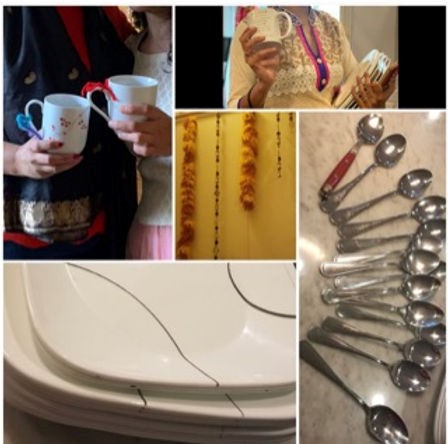
  2. Utensils and cutlery were the  main target, and immediately, the idea that we could use a bunch of pooled in mix-n-match reusables like steel or Corelle/corningware, was accepted. Likewise for the spoons…..Pool in—wash and return! 
  3. Liquid containers are the BIGGEST MENACE —since people typically use a plastic cup once and then go for a fresh one since their used one gets lost in the pool of other used cups. Markers for plastic cups, helps, but we all know that reusable over single-use would be Swell!  In that spirit, friends VOLUNTEERED to get their own cups. One best samaritan…actually got 12 tea-cups—-each with a different colored cord tied to its handle as a marker (ok this last gesture made me very emotional, and it makes me BELIEVE that with true-blue efforts like that—-the earth might just have a second shot at green-clean.)


  1. Everyone–most actually— complied with NO gifts policy, opting instead to contribute for a CHARITY……and thus, icing on the cake, we were together able to raise $85 in cash!
  2. As decors we used everything from last Diwali, plus my kids, over a course of a month, made strings of ‘woolen marigolds’ —we can wash them and reuse for next year! they also made some posters for diwali, with diyas.
  3. NO WATER BOTTLES, NOR ANY PLASTIC CUTLERY WAS USED.
  4. The hitch: Borrowing plates and spoons from friends, NEEDS time! Plus, it may not be possible for everyone to LEND their plates/spoons (for multiple reasons– veg, non-veg is an issue, or maybe some plates are too dear/fancy)…and that is perfectly understandable……the idea is DO NOT GIVE UP…..I don’t think anyone means anything personally…..so keep going!

So, overall 40 BEAUTIFULLY DRESSED, FANCY AND FUN ladies got together over the course of a couple of hours, over food and oodles of chai, AND NOT EVEN ONE FULL BAG OF TRASH WAS CREATED!!!!!!!!!!!!!!!!!!!!!!!!!!!

Friends were creative enough to tease me that this is a BYOB (as in Bring Your Own Bartan–a hindi word for pots) party…..but overall we were all happy.

I feel so so so OBLIGED to all the friends who made this Diwali truly precious for me, and for all of us–I hope!

Thanks.

Categories
Power in Praxis

Hear from young women of our ICT Center!

We are thrilled to share the experiences and voices of our ICT Center trainees.


The ICT Center Model developed by Center for Sustainable Development (CSD) and Infrastructure for Sustainable Development (i4SD), which envisioned bringing digital skills, solar energy and potential future employment for women under one roof, has become a reality.


On December 18th, 2018, ICT Women’s Center in Mahabubnagar District of Telangana State in India opened for its first classes managed and led by Srinivas Akula and Navatha Kanike. The Center for Sustainable Development’s education team- Radhika Iyengar, Haein Shin and Tara Stafford Ocansey- set the curriculum framework, with Joaquin Aviles Lopez offering infrastructure support.


Now, a year later (by the end of 2019), we will have around 300 trainees who successfully completed the program!


The Center offers training on English, computer, financial/business and life skills. Our trainees shared their experiences in the video below:

https://youtu.be/B28X9BDGrR4

Categories
EDforSD

Conversations with Eco Ambassadors


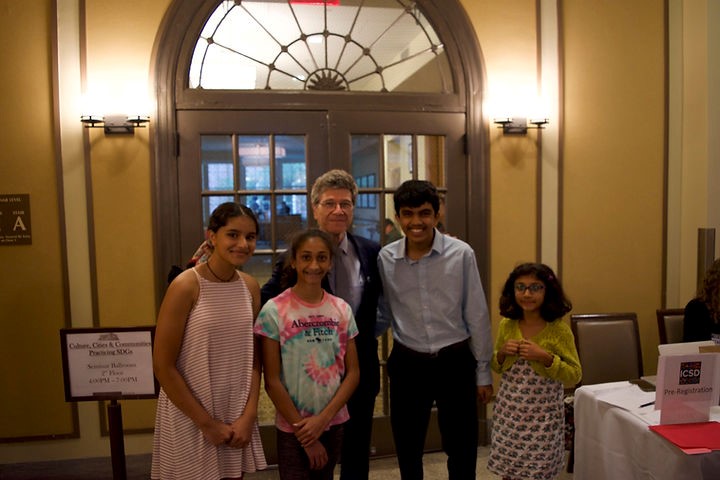
Professor Jeffrey Sachs with our Eco Ambassadors (from left to right) Skai Pundalik, Vidya Bindal, Aalok Bhatt, Veda Bindal

Our Eco Ambassadors were selected to share their summer projects at the 2019 International Conference on Sustainable Development’s Education for Sustainability event.


Please click the Eco Ambassadors’ names for the projects selected:

Aalok Bhatt

Vidya & Veda Bindal


A month after the Conference presentations, we met up with the Eco Ambassadors to hear their advice, ideas and thoughts on steps forward.

The conversations can be found below:

Aalok Bhatt

Vidya & Veda Bindal


Thanks to the Eco Ambassadors’ enthusiasm, we are resuming our Fall 2019 Eco Ambassadors Program by popular demand!


Click here for more information!

Categories
EDforSD

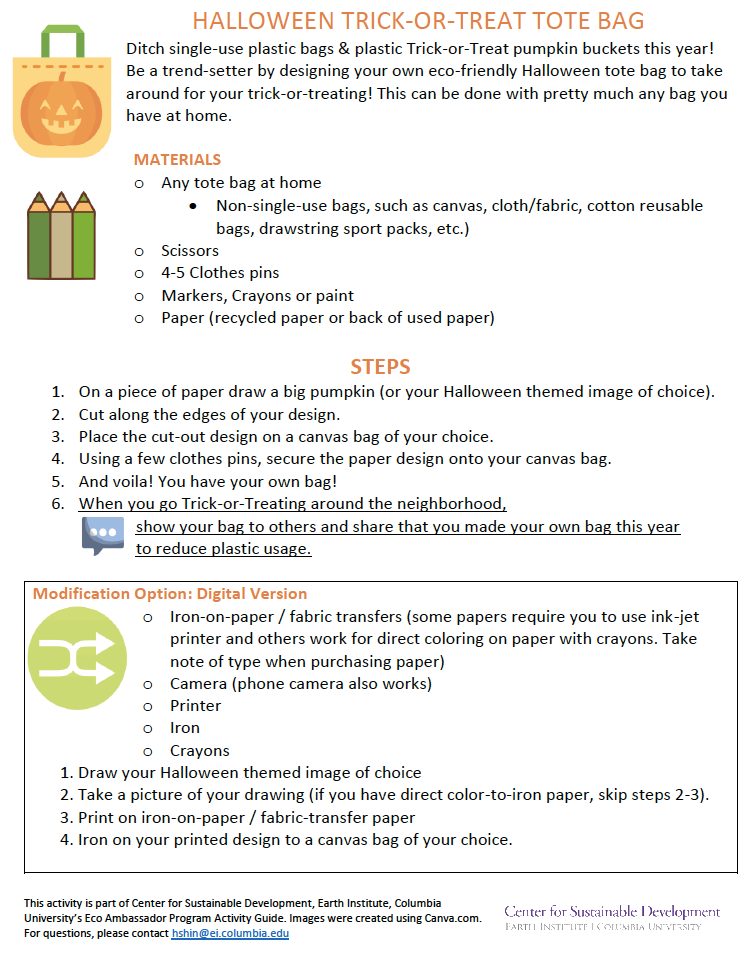
Plastic-Free Halloween!

By designing your very own Trick-or-Treat Halloween tote bag, go plastic free!

Feel free to make modifications and apply your own ideas!

Categories
EDforSD

Eco Ambassadors are here (to stay & to scale)!

Environment in Action initiative of The Center for Sustainable Development(CSD) within The Earth Institute at Columbia University came about as a means to apply the knowledge and research of Lamont Doherty Earth Observatory scientists at The Earth Institute to science curricula of schools and community centers in developing countries where the Center works in education spheres.


It soon became clear that regardless of country and setting, every community of learners can benefit from environmental education at homes, schools, businesses and communities.

By presenting science that is alive and relevant to the daily lives of students, the Eco Ambassadors program is meant to engage our next generation youth in all places, so that they can begin educating their own communities about local environmental issues and start small steps to solving these issues with community action. It aims to engage interested participants in meaningful ways, using Design for Change’s Feel-Imagine-Do-Share method. The initiative is in partnership with Sustainable Development Solutions Network’s Global Schools Program.


The first pilot of the Eco Ambassadors program took place in Millburn, New Jersey. With summer months as the focus period, the program ran from June to September, from recruitment in June, workshop in July, project planning and action in July and August, to final presentations at a side event of International Conference on Sustainable Development in September. Details of the conference events that took place can be found here.


Our Eco Ambassadors took on initiative for awareness and engagement of various community members ranging from peers and family, to local businesses, township leadership and school authorities for sustained conversations at multiple levels (individual and systemic). Rather than having the projects be a one-time activity (on plastic reduction, composting and waste management, tree planting and biodiversity loss), the Eco Ambassadors, their parents and their community (educators, club members, even township leadership and officials!) are showing interest and looking to continue the program.


Based on our Eco Ambassadors’ request, we will be holding the Fall 2019 kick off workshop in Millburn Public Library on Thursday, October 23rd (3pm-5pm) and Sunday October 26th (11am-12:30pm).


We are also exploring a partnership to a Columbia University chapter and continuing conversations for potential collaboration with students from CUNY and Kean University.

More to come in 2019 and 2020! We will keep you posted!

For questions (and interest!) on Eco Ambassador program, please contact: [email protected]

-Haein Shin

Categories
Power in Praxis

Character ≠ Privilege

As this critical week nears its end with Senate vote on Kavanaugh eliciting fear, anger and anguish, this article by Jeff Frank stopped me in my tracks for so honestly and accurately illuminating “the bad and the ugly” of privilege. In the Kavanaugh case, white-male-elite privilege.


I am reminded of my own bias in often equating privilege to character and quality.

Throughout my life, I had the privilege of being surrounded by intellectual elites, who also happened to be people of character. This article reminds me that I have been very lucky.


I am also reminded of the importance of education. The phrase “importance of education” doesn’t seem to do justice. Education—done in and out of the classroom— is the foundation that enables the shaping of people and their minds, hearts, attitudes and character.