By: Kyoko Thompson, staff writer at RightsViews
“A commission is coming from Saudi Arabia tomorrow; they have something to do in the Consulate. They will have something to do on my floor in the office.” - October 1 2018, 21:48
At 1:15 PM on Tuesday, October 2, 2018, Washington Post contributor and longtime journalist Jamal Khashoggi entered the Saudi consulate in Istanbul, Turkey, and was never seen again. His death was not the first of its kind. According to the United Nations, more than one thousand journalists have been murdered since 2006. Yet it drew international attention from governments and individuals alike, many of whom demanded justice. The events that followed challenged the limits of international law and U.S. foreign policy. One year later, an investigation yields more questions than answers, such as: What does justice for Khashoggi look like? Is his death a manifestation of a deeper, more insidious trend? And: What is the future of free speech in an era...
By: Nay Alhelou, RightsViews Co-editor
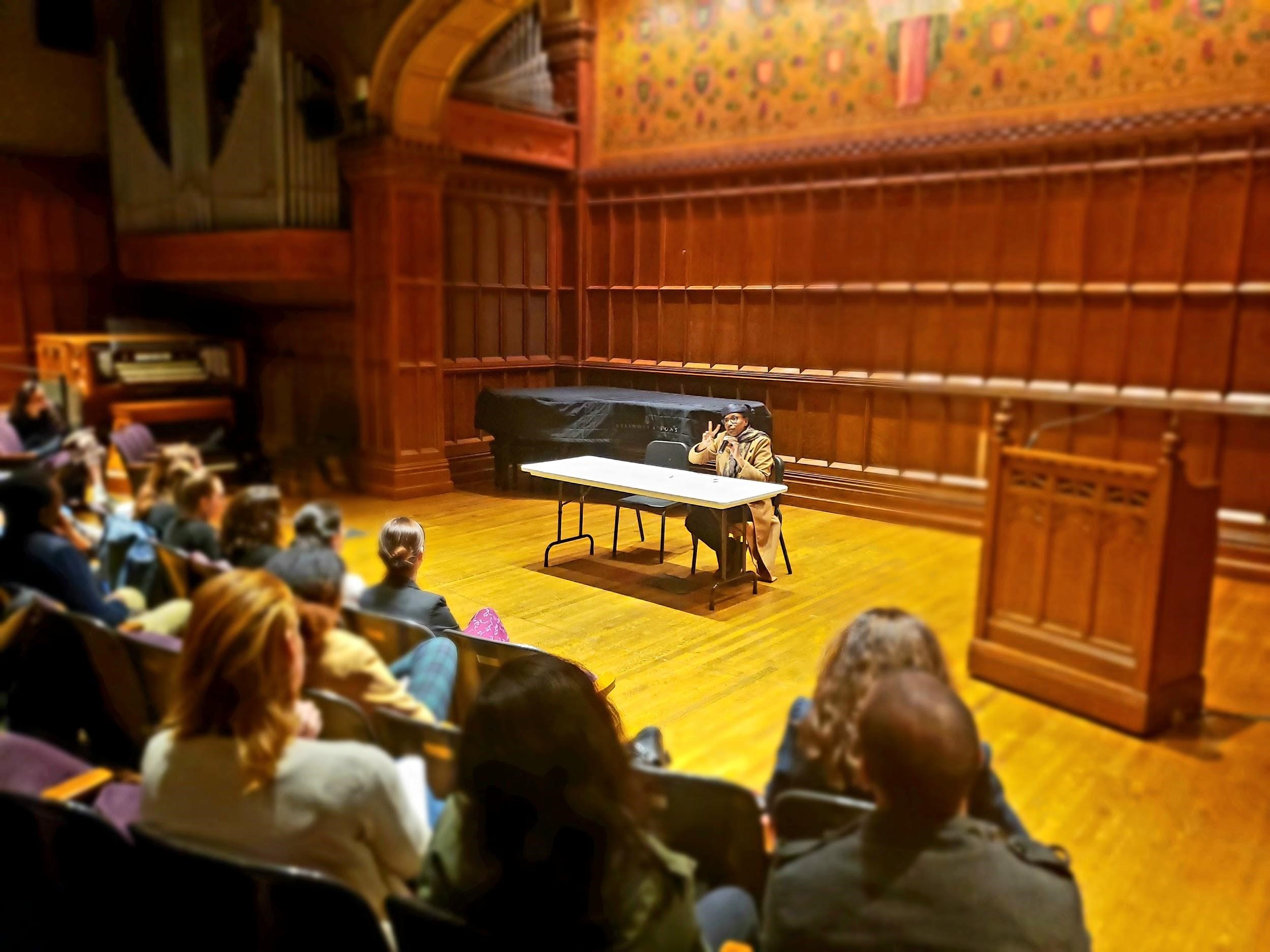
In her first talk in an academic setting in the USA while serving in her current capacity, the UN Special Rapporteur on the Right to Education, Dr. Kombou Boly Barry, highlighted how education could help prevent mass atrocities. On October 15, she addressed students, teachers, and fellows at Columbia University and discussed the report she presented three days later to the United Nations.
Dr. Boly Barry was appointed by the UN Human Rights Council in 2016 to examine the right to education as an independent expert. She is mandated to conduct country visits, respond to allegations of violations of the right to education and promoting dialogue with governments, civil society and other actors.
According to the Special Rapporteur, schools can either be the space where intolerance is harnessed or where tolerance is promoted. In favor of the former, she remarked: “In a world where everybody is afraid of everybody else… education should be used as a tool to...
By Rowena Kosher, Co-Editor of RightsViews
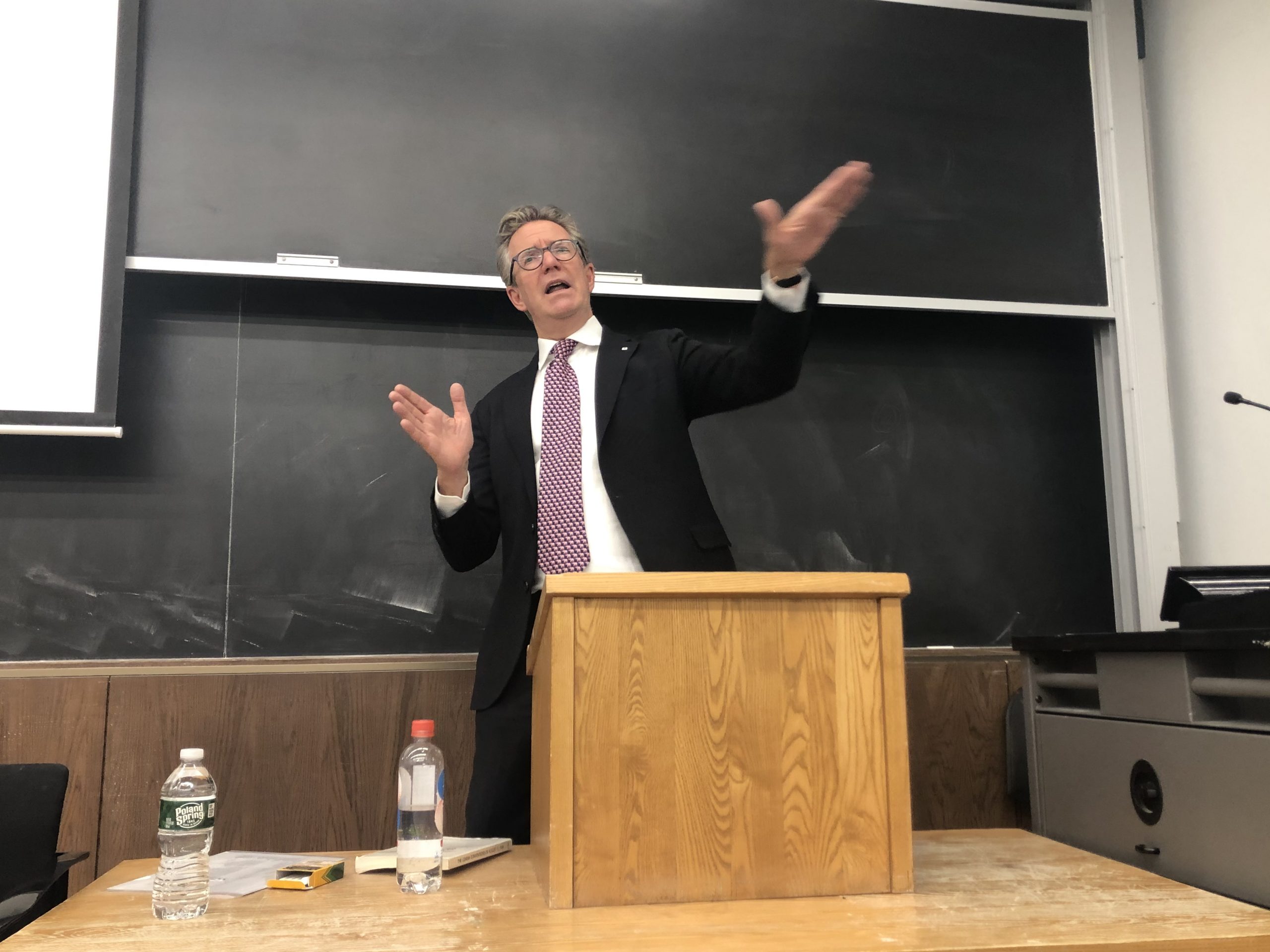
The International Committee of the Red Cross’ (ICRC) reverence for its mandate to the Geneva Conventions was obvious as Columbia students welcomed Hugo Slim, ICRC’s Head of Policy and Humanitarian Diplomacy Division, to speak on “War and Humanity: Challenges and Trends in the 70th Year of the Geneva Conventions” on November 6.
From its founding in 1863 in Geneva, the ICRC has been committed to the provision of international humanitarian aid, embedding itself as one of the core players in international humanitarian law (IHL) as it developed over time to regulate jus in bello, or the “conduct of war.” It was the ICRC that convinced states in 1864 to adopt the very first Geneva Convention, creating a universal obligation of care for all wounded soldiers. From that moment on, it was also the ICRC that ultimately headlined what the IHL community now holds as some of its most fundamental texts: the four Geneva Conventions of 1949...
By: Laura Charney, RightsViews staff writer
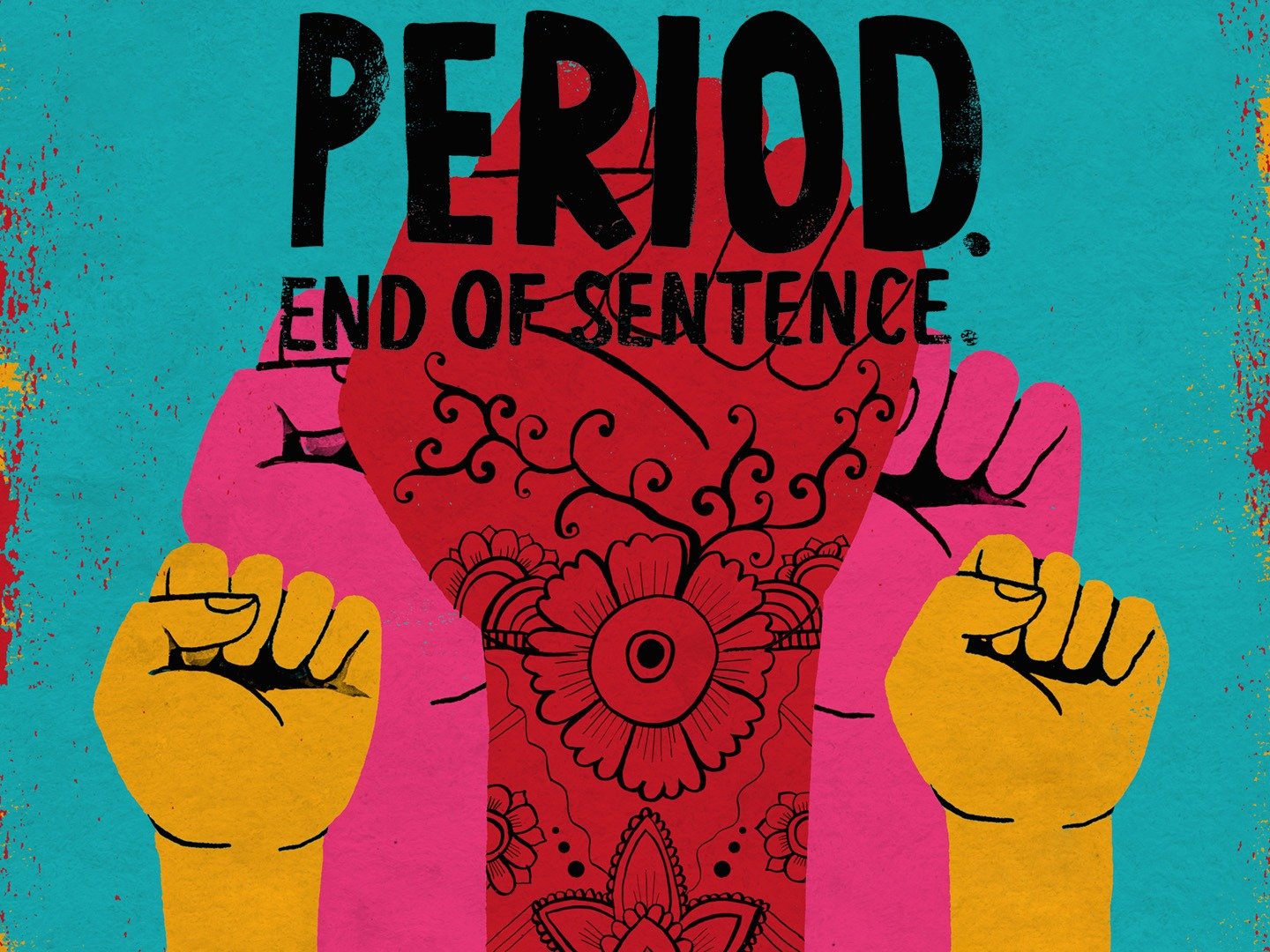
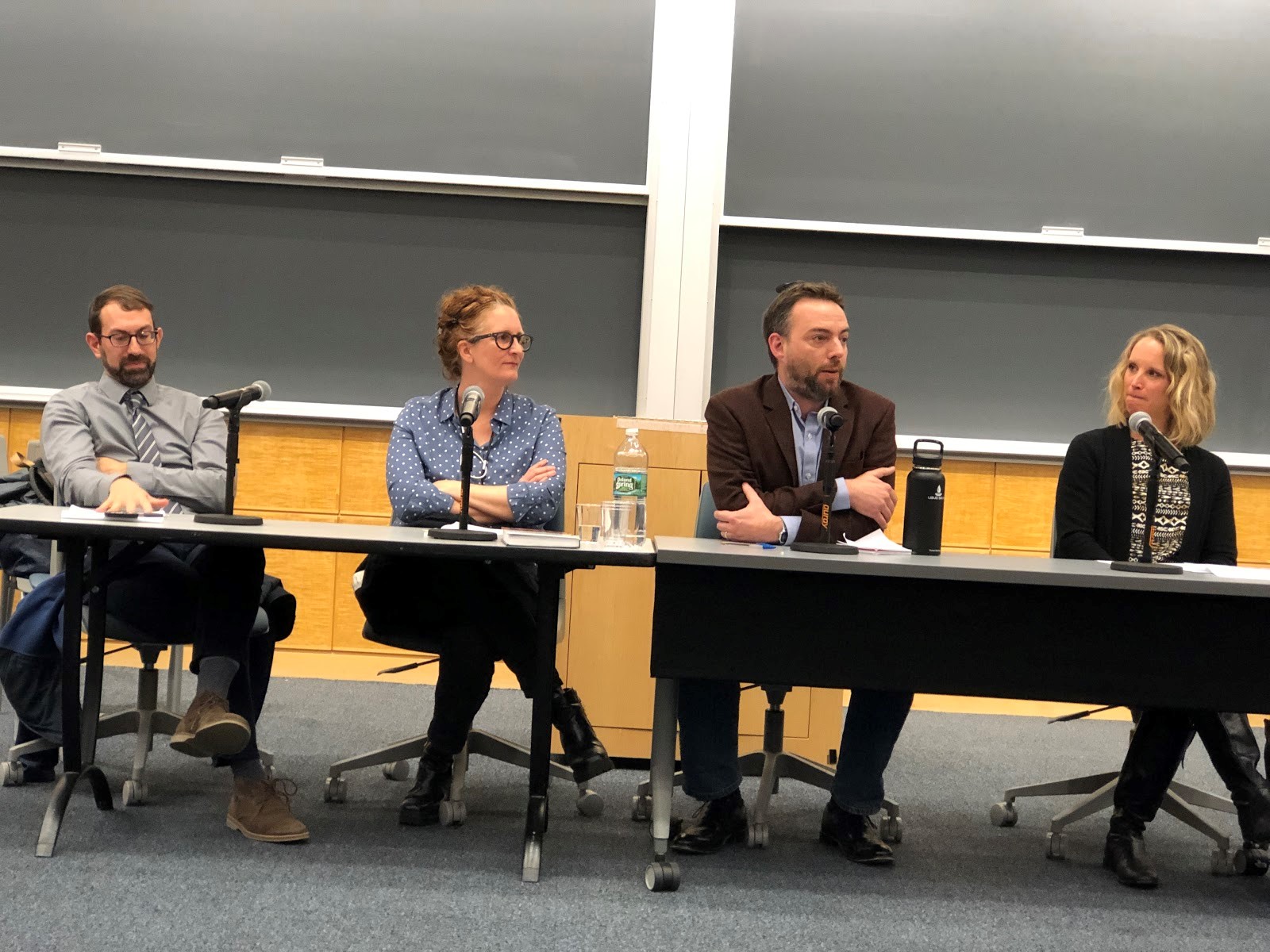
On September 26, the Menstruation and Gender Justice Working Group hosted a film screening and critical panel on the Oscar-winning documentary short Period: End of Sentence. Moderated by Inga Winkler, lecturer at the Institute for the Study of Human Rights at Columbia University and Director of the working group, the panel included Shobita Parthasarathy, Professor of Public Policy and Women’s Studies at the University of Michigan, Lauren Houghton, Assistant Professor of Epidemiology at the Mailman School of Public Health at Columbia University, and Emily Hoppes, a consultant at Huru International.
Period: End of Sentence follows a group of Indian women in the rural Hapur district, 60 kilometers outside of Delhi, as they transition from a life of shame surrounding their periods toward establishing a self-sufficient microeconomy based on menstrual pad manufacturing. During the process, the documentary claims that girls and boys are educated, stigmas are shattered, and a new gender-equitable horizon ascends.
Period: End of Sentence is...
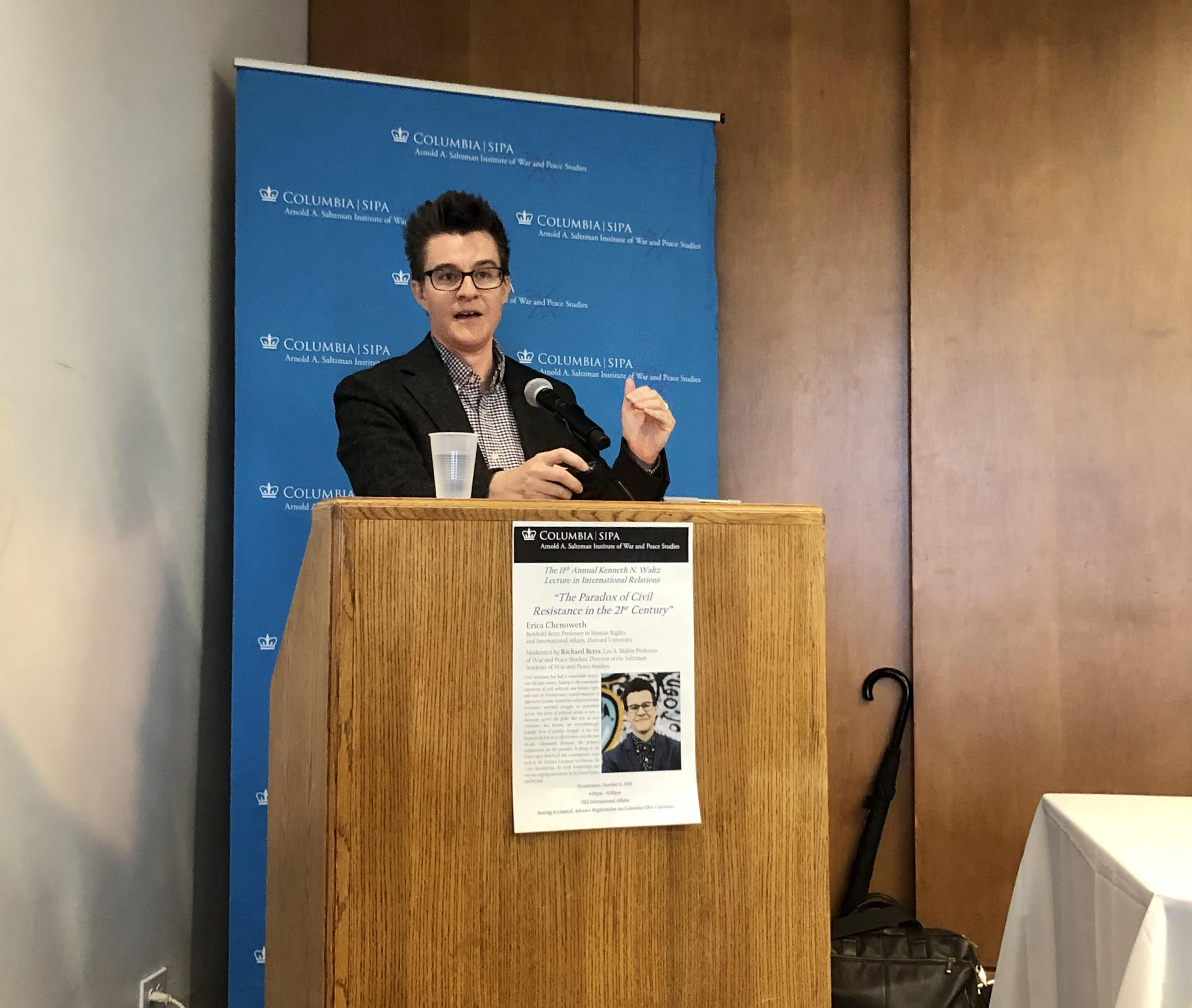
By: Kyoko Thompson, Staff Writer at RightsViews
Odds are that, if you follow the news, you’re aware of what’s happening in Hong Kong. The protests—which began in June as the result of a proposed extradition bill—have taken over the media of late, with citizens taking to the streets in unprecedented numbers. During one such a protest on June 17th, for example, an estimated 1.7 million people marched from Victoria Park to Hong Kong’s Legislative Council complex to demonstrate their desire to keep Hong Kong free and independent. With crowds like those, the Chinese government has certainly been paying attention, yet after over a hundred days of protests, participants have yet to see definitive results in regards to their demands. Even worse, the sustained protests have led to deaths, injuries, and thousands of arrests, as well as incidents of police brutality.
Civil resistance, as defined by the International Center on Nonviolent Conflict, is a powerful tool for people to fight for their rights...
By Jalileh Garcia, RightsViews staff writer
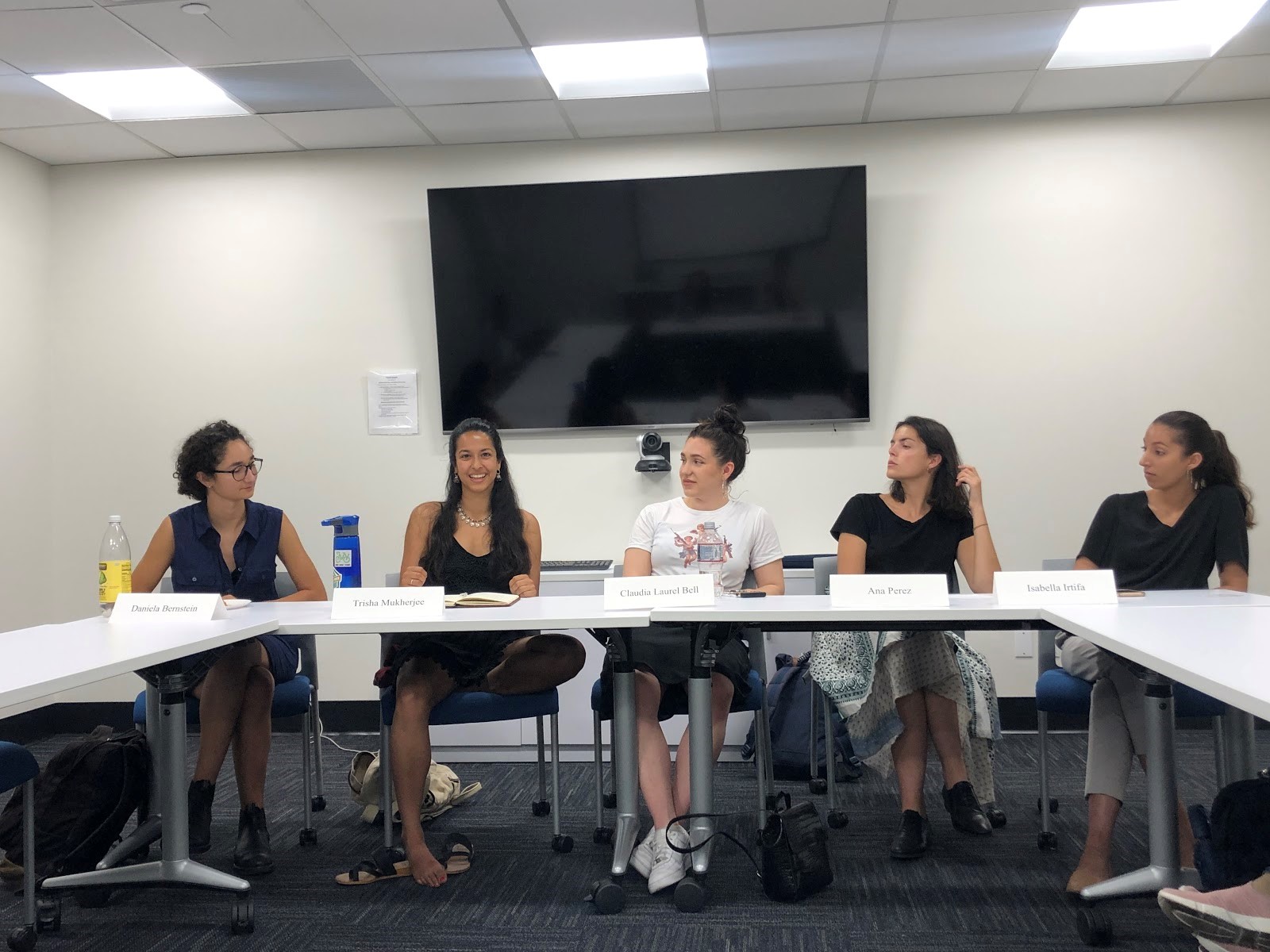
On October 2, undergraduate and graduate Columbia students gathered to share their summer experiences undertaking internships in the field of human rights. An annual panel organized by the Institute for the Study of Human Rights (ISHR), this serves as an opportunity for students to learn from each others’ experiences applying human rights in the field. The different panelists shared about their work environment, advice, and the skills that helped them flourish in the internships.
Isabella Irtifa is a graduate student getting her Master’s Degree through the ISHR. She spent her summer in New York City interning for UN Women, more specifically with the Women Peace and Security Team. Here she was able to delve into transitional justice matters, as well as issues of women’s peace and security. Isabella drafted presentations on peace initiatives, women’s role in achieving security, and researched potential partnerships to increase women’s participation in decision-making.
Ana Perez is also a graduate student getting her...
By: Laura Charney, RightsViews Staff Writer
This April, the Center for Palestine Studies at Columbia University hosted the “Gaza on Screen” film festival highlighting films made by Gazans and about Gaza. Curated by Dr. Nadia Yaqub, “Gaza on Screen” offered an invitation to not only bear witness to the lived struggles and resilience of Gazans, but also the opportunity to engage the ways that Gazans articulate and envision their own experiences.
For over twenty years, Palestinian film festivals across North America and Europe have brought Palestinian stories to international audiences. However, Palestinians in Gaza face particularly prohibitive measures that inhibit the communication of their stories. Since 2007, Israel has maintained a blockade on Gaza, controlling its airspace, coastline, and borders, and restricting the movement of goods and humans entering or leaving the territory.
It was not until this past April at Columbia University that a film festival focusing exclusively on Gazan stories came to life. In an attempt to shine light on the...
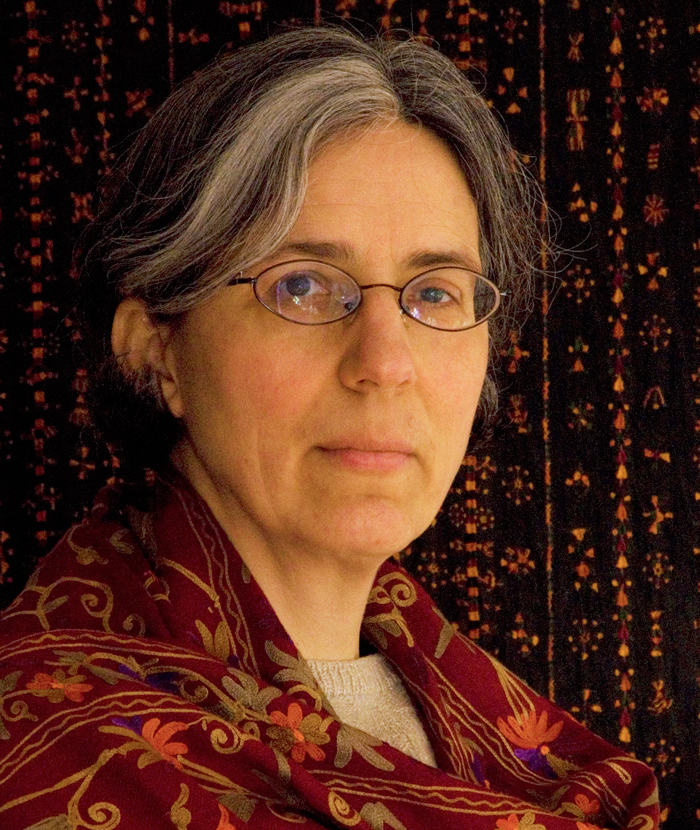
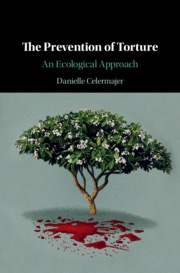
By Professor Danielle Celermajer, RightsViews guest writer and author of The Prevention of Torture
In recent years, human rights, understood as a form of transformative practice, have been attacked from both left and right. On the right, human rights are increasingly framed as weapons in the arsenal of a liberal internationalist agenda, designed to weaken national security and national identity. On the left, insofar as they fail to attend to the structural underpinnings of violations, human rights are, if not a cover for neoliberalism, then at least complicit in its expansion. For human rights advocates, the question of how best to respond to critics from the right is largely a political and strategic one, a matter of defending territory, building alliances, and working out appropriate framing for campaigns. Responding to critics from the left is less a matter of altering the outward face of human rights than of turning inwards to critically reflect on the orientations, assumptions, logics and strategic toolkit...
On February 18 at Columbia Law School, three authors discussed the ways in which their respective books shed light on liberalism. Though each speaker addressed slightly different topics, the common thread was a questioning of U.S. institutions and their connections with economic liberalism, an economic philosophy that supports and promotes laissez-faire economics and private property in the means of production.
The first to speak was Samuel Moyn, professor of law and history at Yale, and the author of Not Enough: Human Rights in an Unequal World. He introduced his book by speaking about how interwoven the foundations of human rights are to a neoliberal agenda.“We need to attempt to think of where human rights came from,” as presently “human rights are an inefficient form of bettering the world,” he said.
He engaged with the audience by asking them thought-provoking questions such as “why have human rights done so little and why do they fit in so well with a neoliberal...
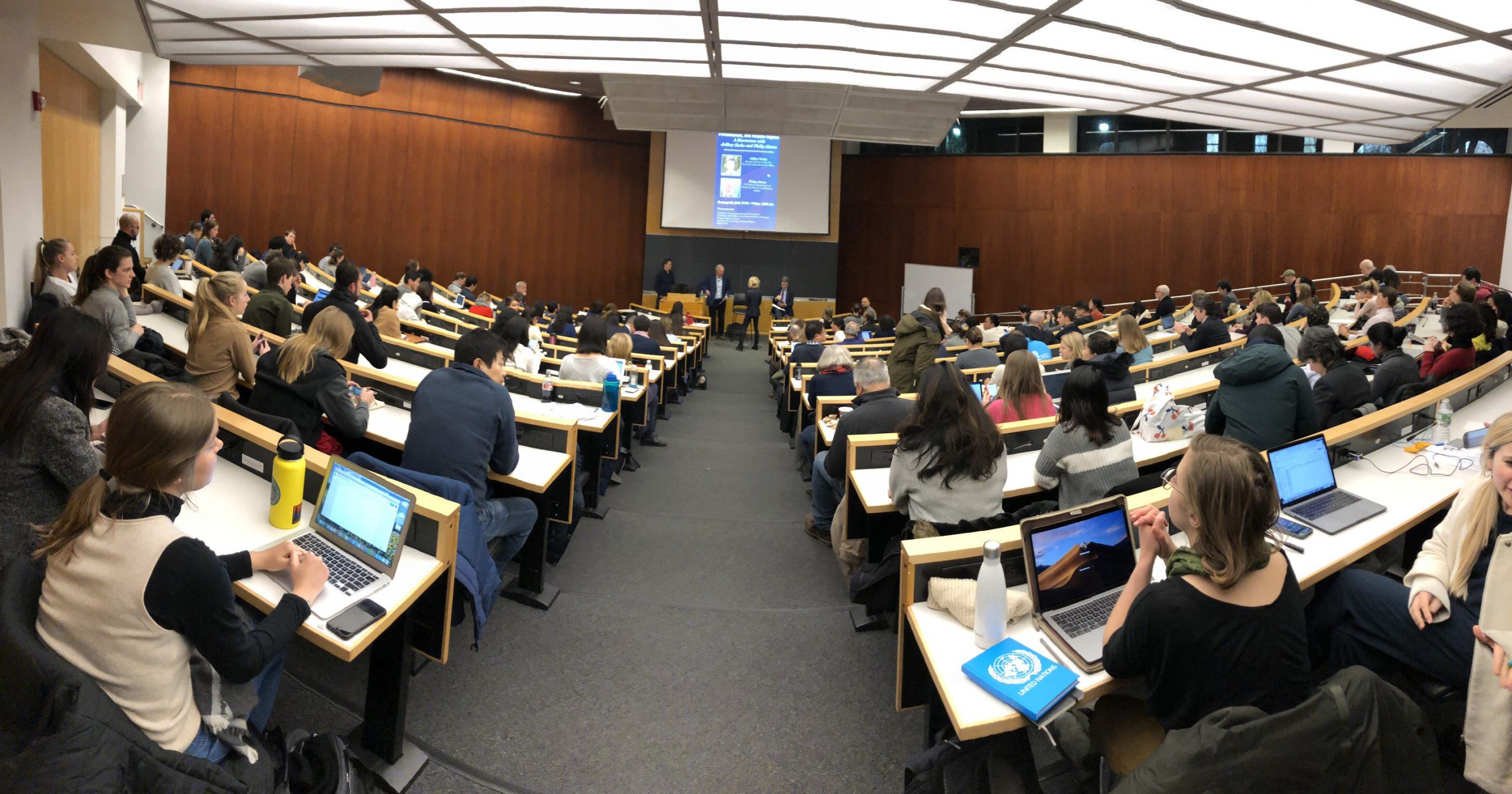
The UN’s Sustainable Development Goals are a plan of action designed with the intent to eradicate poverty “in all its forms and dimensions” and establish universal world peace by 2030 in order to move towards a more sustainable future. On January 30, Columbia welcomed Philip Alston and Jeffrey Sachs to speak on the issue of “Financing the SDGs, Privatization, and Human Rights.” The event was co-sponsored by the Columbia Center on Sustainable Development, the SIPA MPA in Development Practice Program, the ISHR, RightsLink, and the Human Rights Institute. Sachs is the Special Advisor to the UN Secretary-General on the SDGs and Alston is the UN’s Special Rapporteur on Extreme Poverty and Human Rights.
To begin the conversation about the intersection of the SDGs, Human Rights, and the increasing problem of privatization in the achievement of the SDGs, the moderator asked Alston and Sachs about their opinions on the ways in which the SDG and Human Rights frameworks converge and diverge in...