By Anna Miller, a staff writer at RightsViews and a graduate student in ISHR's Human Rights MA Program.
Note: This blog post addresses white supremacy in the United States only, though the ideology is alive globally.
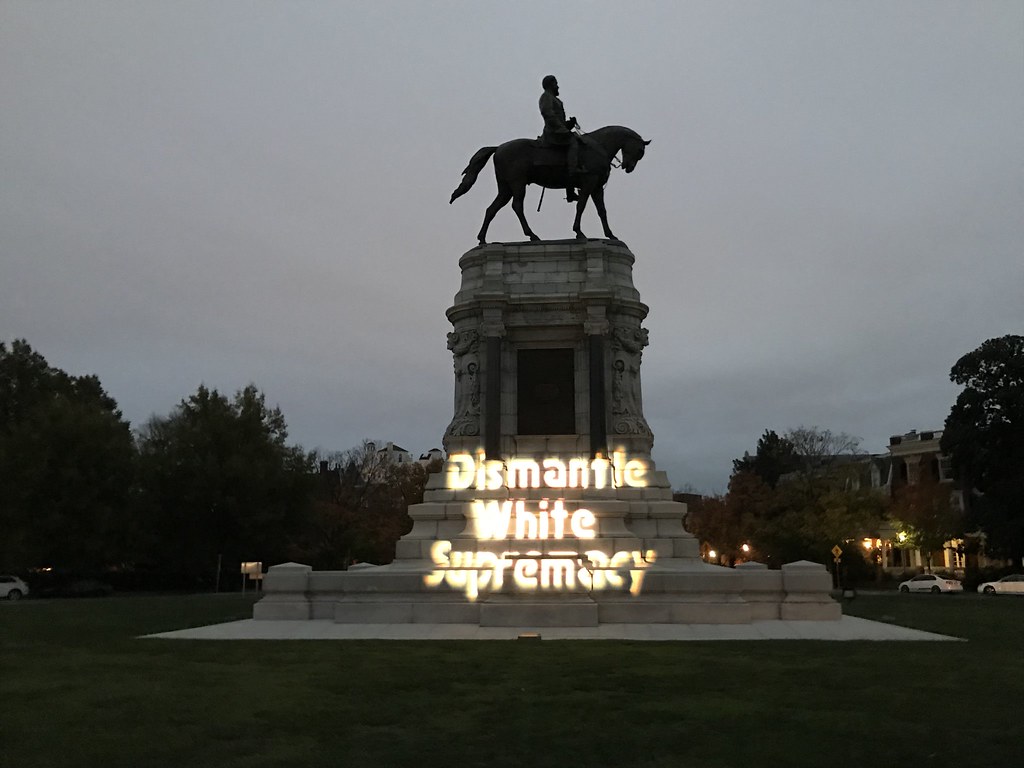
On October 27, Dean Melanie Pagán and Dean Samantha Shapses, both of the School of International and Public Affairs, hosted a Deconstructing White Supremacy Workshop via Zoom. The workshop was open to the Columbia University community and fulfilled the Community Citizenship Requirement for Inclusion and Belonging for new Columbia students.
To kick off the workshop, the group screened Understanding White Supremacy (And How to Defeat It). This video explained how the roots of white supremacy are linked to colonization and racial biology. White colonizers assumed that people of color were inferior because they were “so easily conquered” and then presumed that “white skin people were perhaps more evolved than dark skin people.” While these ideas are objectively nonsensical, they did help form modern-day white supremacy and as...
By Donggeun Lee, RightsViews Staff Writer and a second-semester junior majoring in Human Rights.
“Comparison is in many ways a useful mirror into which we look, and by looking we notice things about ourselves and our own country and our systems that sometimes might please us [and] that sometimes might give us pause and even cause us disappointment and dismay.” - Professor David T. Johnson
On October 12th, the Columbia Law School hosted an event entitled “Criminal Justice in Japan - A Comparative Perspective” addressing the question of what we can learn from differences between criminal justice in Japan and the United States. The event was moderated by the executive director of the Center for Japanese Legal Studies, Nobuhisa Ishizuka, and featured two speakers: David T. Johnson, a professor at the University of Hawaii, and Kiyo A. Matsumoto, a United States District Judge at the Eastern District of New York.
Differences between Japan and the United States
According to Franklin E. Zimring, the author...
By Larissa Peltola, a staff writer for RightsViews and a graduate student in the Human Rights MA Program
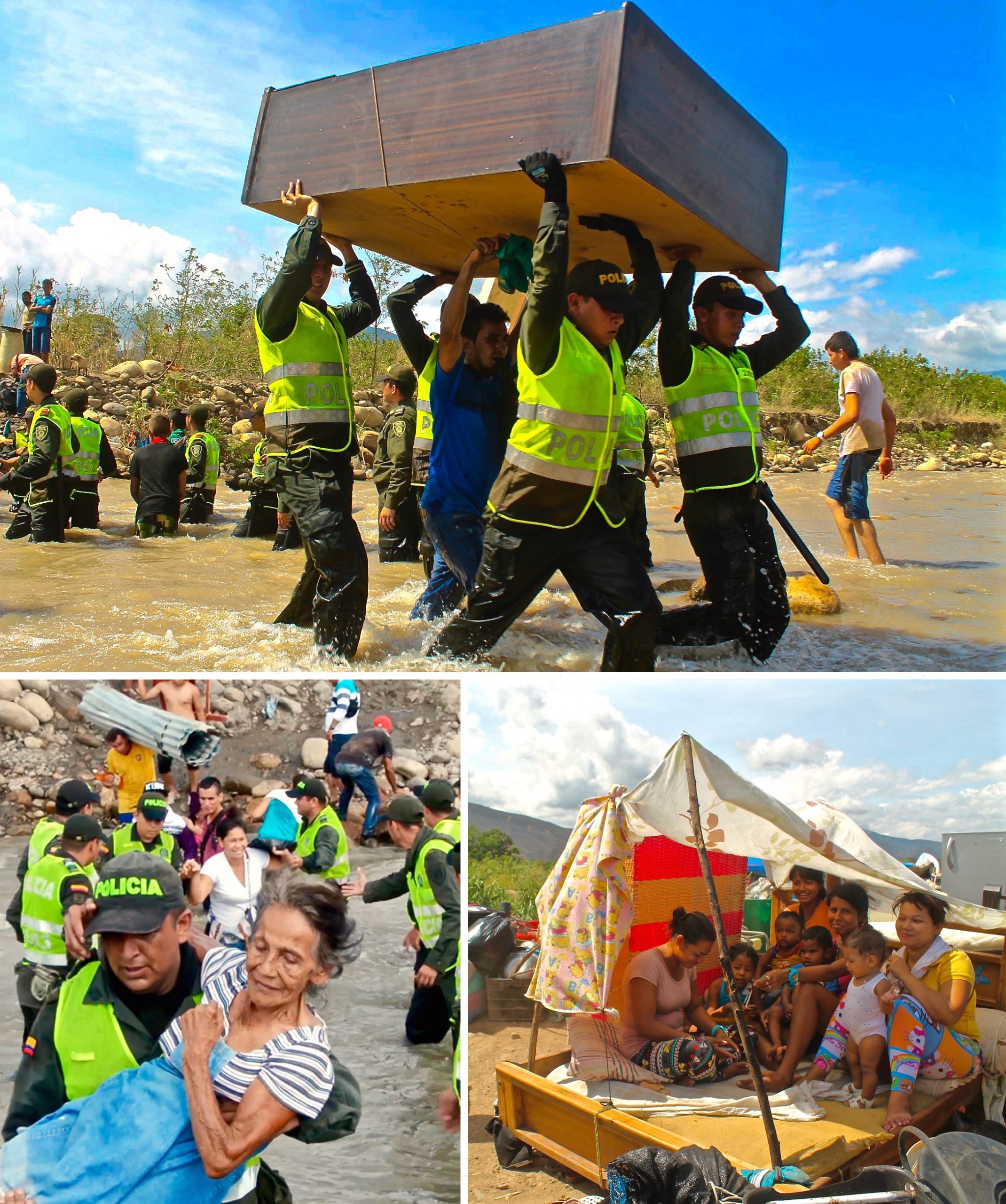
The political and economic crises which have plagued Venezuela since 2014 have resulted in the mass exodus of over 5 million Venezuelans, the largest migrant crisis in the history of the Western Hemisphere. Of the over 5 million people that have fled their home country of Venezuela, over 1.6 million have settled in neighboring Colombia, resulting in a refugee crisis made increasingly worse by the COVID-19 pandemic. Dr. Milena Gomez Kopp, Visiting Research Scholar at School of International and Public Affairs, engaged with students during the October 28, 2020, Food for Thought speaker series and discussed her analysis of the growing refugee crisis.
Background
Venezuela was once considered the wealthiest and most resource-rich country in Latin America. With the largest oil reserve in the world, the economy grew rapidly, and Western countries looked for ways to engage in trade with Venezuela. This changed with the...
By Kelly Dudine, a staff writer at RightsViews and a graduate student in the Human Rights MA Program
Over the decades, China has implemented aggressive and tailored plans to catalyze economic development across its vast regions. Driven in part by a desire to modernize industries and join a growing global marketplace, these plans led to periods of rapid growth and prosperity, while simultaneously straining local communities and exacerbating inequalities. Today, poverty in China’s ethnically diverse West is still prevalent.
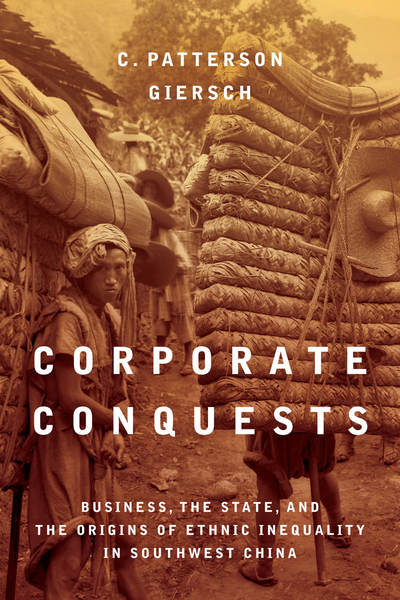
During a virtual lecture held earlier this month, author Pat Giersch discussed his new book, Corporate Conquests: Business, the State, and the Origins of Ethnic Inequality in Southwest China, which examines how corporations, combined with top-down policies geared toward modernization and state-building, marginalized local and ethnic minorities in the West, creating unequal access to growth and prosperity.
Giersch’s story begins with the emergence of early-twentieth-century corporations, which enabled business to maintain a central hub of power while also expanding throughout the Southwest, reaching into...
By Noah Smith, RightsViews staff writer and graduate student in the Human Rights Studies program at Columbia University
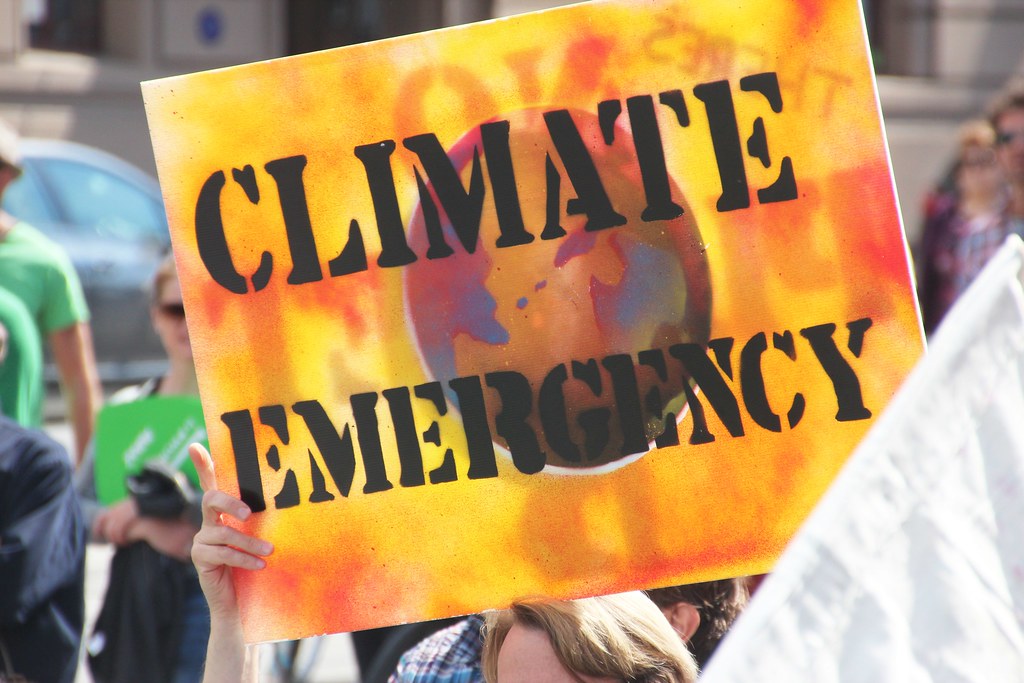
On October 28, Climate Refugees and the Institute for the Study of Human Rights at Columbia University brought together experts in environmental racism, indigenous rights, climate science and racial justice to discuss the two fundamental issues of our time: race and climate change. The panelists offered their expert opinions on the intersectional relationship between race and climate change and discussed solutions to mitigate these issues moving forward.
The climate crisis has disproportionately impacted marginalized populations, many of whom may be displaced or forced to migrate, because of years of unequal access to opportunities and gaps in human rights. Panelist Dr. Ingrid Waldron, a noted sociologist, has coined this disproportionate impact as ‘Environmental Racism’ which she defined as ‘‘a disproportionate location and exposure for indigenous, racialized communities and poor white communities to contamination from polluting industries and other environmentally hazardous activities.’’
The panel further articulated the...
By Lindsey Alpaugh, staff writer for RightsViews and graduate student in the Human Rights MA Program
On October 13th, the Institute for the Study of Human Rights hosted its first Alumni Speaker Series event with Barbara Matias. A graduate of the Institute’s MA in Human Rights Studies, Matias has had a diverse career that spanned over many countries, as well as different missions. Some of her most recent work has included her new position working for the European Union on Belarus, as well as a Programme Officer to the training mission in Iraq and the Euro-Atlantic Disaster Relief Crisis Center’s Team Lead on NATO-EU coordination.
Speaking from experience, Matias advised job seekers that “stability comes later” in the field of human rights, and that they should not be discouraged by the frequency with which they may switch jobs. She also admitted that there were moments where she doubted her choice of working in the public sector, but ultimately realized that she was...
By Susanne Prochazka, staff writer for RightsViews and a graduate student in the Human Rights MA Program.
Ethereal, smoky, crimson-red droplets drift across the screen as the next speaker is introduced during the online launch of the Palgrave Handbook of Critical Menstruation Studies on October 8th. Jen Lewis’ “Beauty in Blood” art introduces each new speaker, emphasizing the stark red color of menstrual blood and reinforcing the artist’s goal of breaking the stigma surrounding menstruation.
The Palgrave Handbook of Critical Menstruation Studies is the first of its kind, an open access handbook containing a multidisciplinary collection of works drawn from the field of Critical Menstruation Studies. Content in The Handbook comes from a variety of genres, from multimedia art to public health, proving that menstruation is both a rich and varied field of study, as well as a vital component of health and human rights studies. Following opening comments from the editors, including Inga T. Winkler, lecturer for ISHR and Director of...
Exploring Careers in Human Rights: ISHR’s 2020 Human Rights Career Panel
By Rowena Kosher, Co-Editor of RightsViews
In the midst of the global pandemic of COVID-19, orders of social distancing and indoor sheltering in place, students and panelists tuned in virtually for ISHR’s annual career panel last week, meeting through screens to discuss what the multiplicity of careers in the human rights field can look like. Gergana Halpern, ISHR’s Director of Educational Programming, moderated the panel.
The Panelists - What Do You Do?
Halpern began the session by asking each of the four panelists to introduce themselves, their current work, and what their job entails.
Louis Bickford is the CEO and founder of Memria, an online platform for the collection and sharing of stories through audio and text, and an Adjunct Professor of Political Science at ISHR. He has 20 years of experience in the human rights field and as such has worked in a variety of capacities, including in truth commissions, testimonial collection, academia,...
By James Courtright, Staff Writer for RightsViews
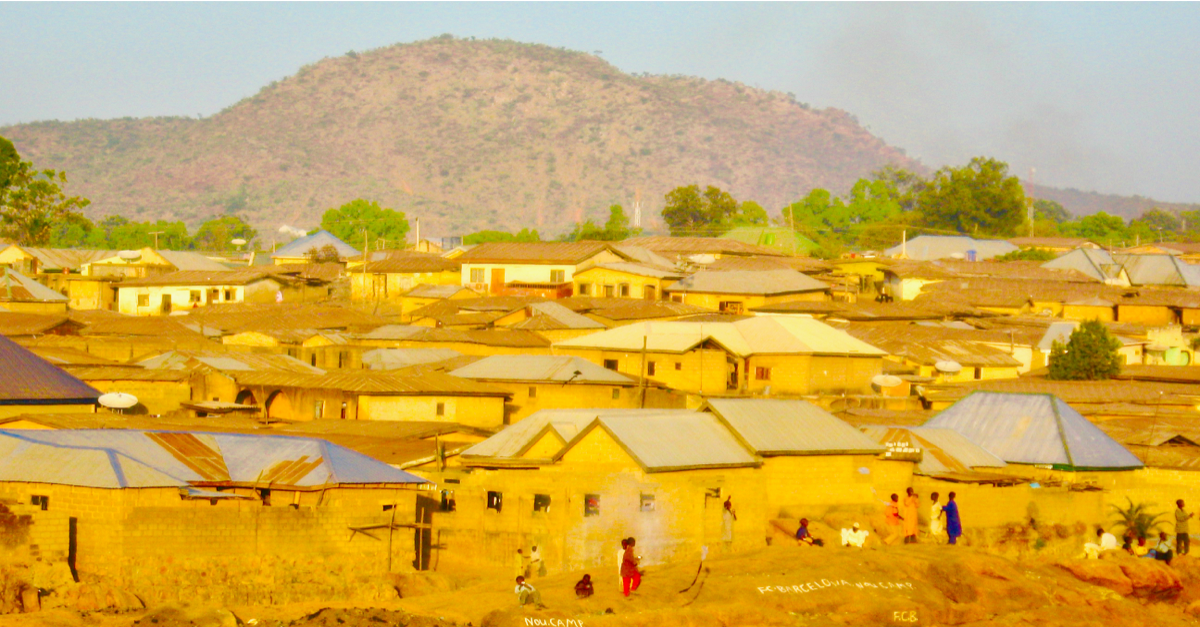
On January 30th Dr. Jana Krause came to speak with students and faculty at Columbia’s School for International and Public Affairs about her new book, “Resilient Communities: Non-Violence and Civilian Agency in Communal War.” Her work centers on communal conflict - non-state armed conflict between identity groups - in Plateau state in Nigeria and Maluku province in Indonesia. In both places the violence tended to be simplistically referred to as Christian against Muslim, but upon further investigation she found it was deeply rooted in local political and economic dynamics and narratives. After explaining how communal violence was organized, she then delved into neighborhoods in Nigeria and Indonesia where violence did not occur, analyzing how the choices of civilians and their collective efforts to prevent fighting saved the lives of hundreds of people.
Conflict in Jos
When she first visited Jos, Nigeria in 2010, Dr. Krause had to pass through multiple checkpoints along the road from the...
By: Jalileh Garcia, Staff Writer for Rights Views
Every year in the month of December, the Historical Dialogues, Justice, and Memory Network holds a conference where scholars and practitioners share their scholarship and experiences in the field of historical dialogue.
This year’s theme was “Prevention Activism: Advancing Historical Dialogue in Post-Conflict Settings.” The event’s theme sought to understand how to address and redress the violent past in order to prevent ethnic and political conflicts in the future. The conference took place December 12-14 at Columbia University.
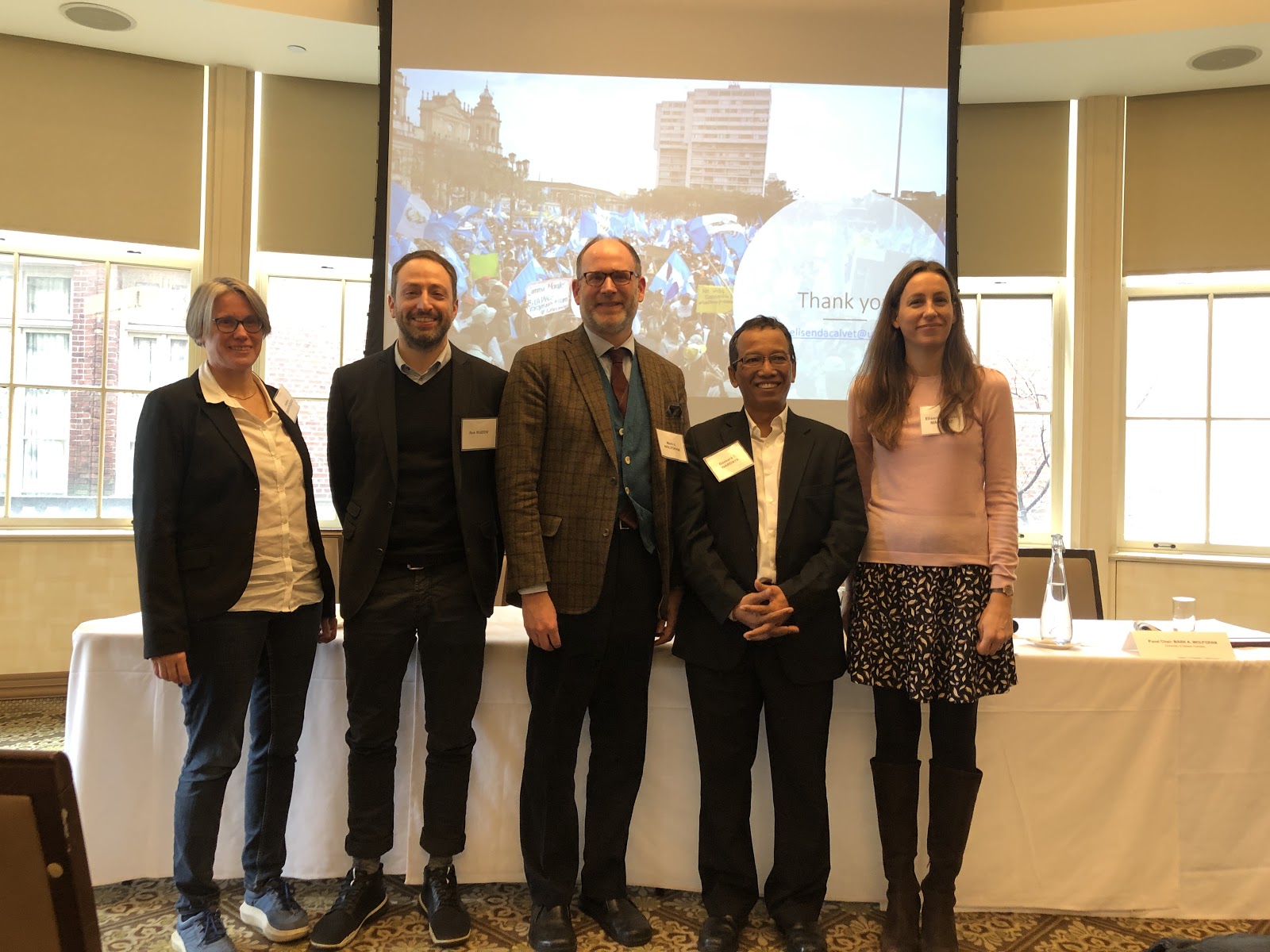
On Saturday, December 14, Mark Wolfgram from the University of Ottawa opened the event “Uses of History in Genocide Prevention II” by stating that the panelists would speak about their experiences and expertise in different countries and on distinct thematic issues that addressed how to ensure non-recurrence of genocides and mass atrocities through prevention activism, or the effort to record, acknowledge, address and redress the violent past.
Ilya Nuzov, the Eastern Europe and Central Asia Desk Director at...