
 Columbia Magazine interviews University neuroscientists about the brain’s inner workings, one of the greatest scientific challenges of our time. Read dispatches from the frontiers of neuroscience at the Mortimer B. Zuckerman Mind Brain Behavior Institute and CUMC.
Author Archives: Rebecca Kelliher
Meet the Theme Teams
 Theme Team captains Dylan Sands and Alyssa Meyers, and DVP Jerry Kisslinger discuss these new University-wide networks of communicators bringing Big Ideas to life for our constituents.
Alyssa is the Captain of Precision Medicine and Neuroscience, and Dylan is the Captain of Climate Response and Data and Society.
What are Theme Teams?
Dylan: Theme Teams are groups of communicators across the University, and each is well versed in a Big Idea (Climate Response, Just Societies, Data and Society, etc.). Teams share Big Idea information (which faculty to highlight for each Idea, for example) and assets (great videos, stories, or photos).
Jerry: The Big Ideas are complex, more than any one part of the University encompasses. Theme Teams help define our audiences, including staff and donors, and collect information that sometimes is outside the boundaries of institutional structures. They also include CAA digital and magazine folks who help tell the stories and get the word out to broad audiences through multiple channels.
Dylan: People are enthusiastic about the Teams, recognizing a need for these networks.
What are Theme Team Captains?
Jerry: Each Captain facilitates communication with Big Idea experts across schools and disciplines. They can serve as a kind of desk for alumni and communications colleagues who have questions about the Big Ideas—they either have the answers or know who does.
Alyssa: We’re like a portal for messaging that’s already happening at Columbia, or switchboard operators and archivists.
Dylan: If fundraisers have a question about a Big Idea, the Captains can connect them to the person with the answer.
How do Theme Teams support the campaign?
Jerry: We have a better framework for realizing a One Columbia approach.
Alyssa: Our message is that the problems the world faces today call for a new approach, and Columbia has that approach. Big Ideas are the best examples of this approach in action: interdisciplinary and high impact.
Dylan: As we prepare for public launch, the Teams help us collaborate with the fundraisers and academic leadership tied to each Big Idea. The work ahead includes preparing an elevator speech for each Big Idea, approved by the leadership. So starting with Team materials and interviews, we will be refining and illustrating brief campaign statements to provide a message platform for our websites, advertisements, social media and other outreach. Why now? Why Columbia? What will be different if the campaign succeeds?
Crowdfunding Launches
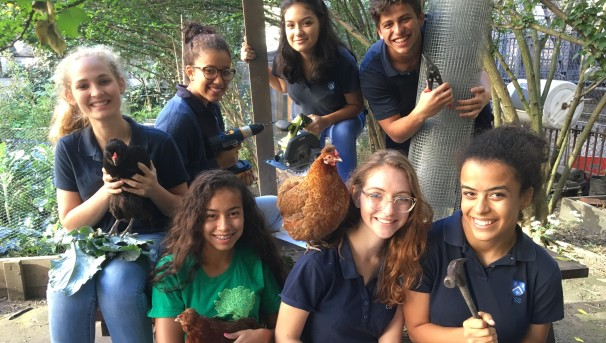
Columbia Secondary School students promote their crowdfunding project, Chicken Coops for the Egg-gineer’s Soul, to build sustainable, solar-heated chicken coops in their community garden this winter.
By Allen Rosso, Executive Director of Columbia Causes
Buoys measuring sea-level rises. Chicken coops powered by solar energy. Business suits for students on interviews. Who knew you could fund such projects through Columbia?
More than ever, we’re finding new ways to fund new initiatives. Crowdfunding attracts donors to bring this promise to life. On Giving Day 2016, fifteen schools and units launched 32 crowdfunding projects from offering healthcare and legal advice to funding scholarships. Donors responded with 922 gifts worth more than $144,000, and 179 donors made their first ever gift to Columbia, including through peer-to-peer opportunities.
The Columbia Crowdfunding Task Force comprises 20 colleagues across the University who work with schools and units, Annual Fund Programs, Gift Systems, Web Initiatives, and CAA to build our new platform: [email protected].
We look forward to additional crowdfunding campaigns and increasing our social media presence. Project ideas? Contact [email protected].
Columbia Athletics Women’s Leadership Council Closes New York Stock Exchange
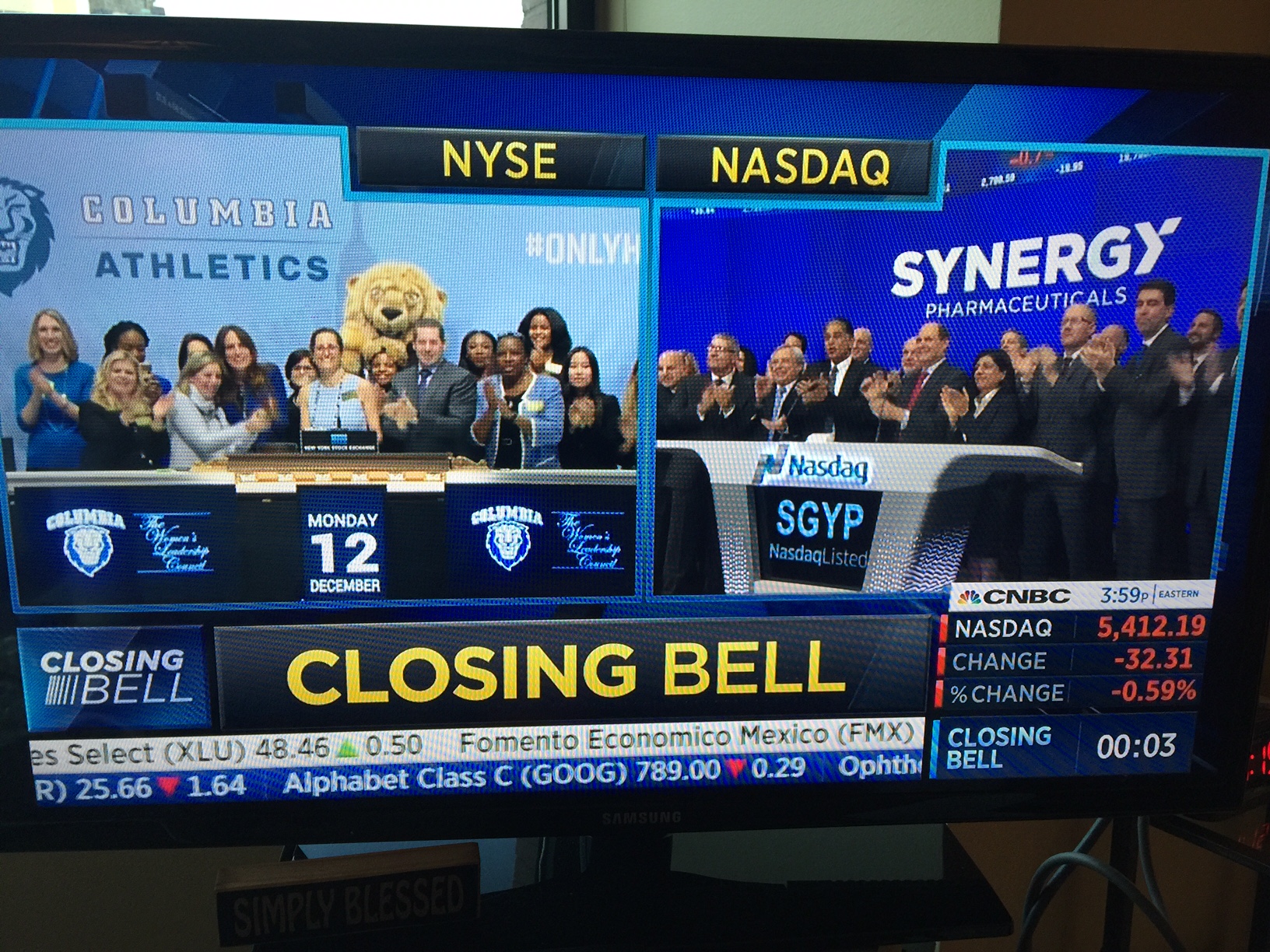 See Trustee Lisa Carnoy ’89CC, Donna MacPhee ’89CC, Katie Day Benvenuto ’03CC, ’12BUS, and Maggie Johnson ’11CC, ’14SPS ring the closing bell at the New York Stock Exchange with three Columbia Olympians.
The Women’s Leadership Council recognizes, stewards, and provides programming for women who give to Athletics. Closing the New York Stock Exchange built community between generations of female leaders and supported Olympians, including current student-athlete Akua Obeng-Akrofi ’18CC (Ghana, Track & Field), Nzingha Prescod ’15CC (USA, Fencing), and Kyra Tirana Barry ’87CC, P’17CC (USA, Team Leader for Wrestling).
Countdown Contest: Holiday Trivia
 How well do you know Columbia’s holiday traditions? Test your knowledge below. Winners will be entered in a raffle for a New Year’s prize.
Send your answers to [email protected] by Friday, January 6. Winners will be e-mailed.
- Which College alum is credited with writing A Visit from St. Nicholas?
- When did Columbia’s College Walk tree-lighting tradition begin?
- What living Columbia alum released four holiday albums? This singer was the second charting artist in the 1950s, behind Elvis Presley.
- What Columbia alum and newspaper editor responded to an eight-year-old child’s letter with “Yes, Virginia, There Is a Santa Claus”?
November’s Countdown Contest Winners
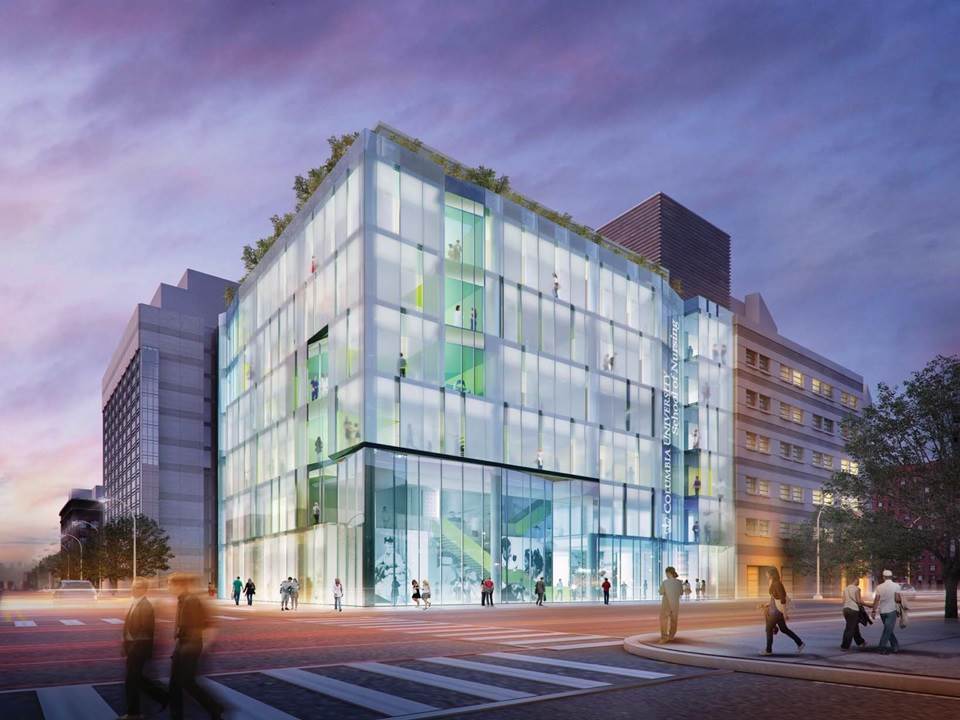 Below are the winners from November’s Countdown Contest who correctly matched University buildings to their distinguished architects. All who participated will receive a Winter Hot Chocolate Party in the new year.
Daphne Desrouleaux, Executive Assistant, OAD
Rachel Ely, Assistant Director for Digital Programs, OAD
Dadjie Saintus, Development Assistant, CUMC
Esther Turay, Office Manager, GSAPP
Diana Wong, Development Assistant, LAW
Big Idea Columbian: Oceanographer Marie Tharp (Climate Response)
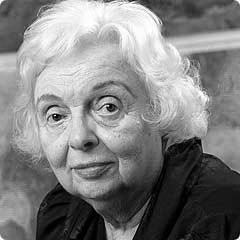 “It was very exciting in those days. We were explorers.”
An oceanography pioneer, Marie Tharp, Faculty ’48-’83, was the first to map the global ocean floor. In the late 1940s and early 1950s, using pens and rulers, Tharp drew maps that traced a 40,000-mile underwater ridge and provided visual evidence that the sea floor was spreading as continents moved apart, an important step toward the empirical confirmation of the theory of plate tectonics. Learn more.
The Alumni Center’s second-floor conference room is named after Tharp.
What’s New at Columbia?
 Need to update alumni? Writing to a donor? What’s New on Essentials lists this season’s University headlines.
Campaign Milestone
 Dear colleagues,
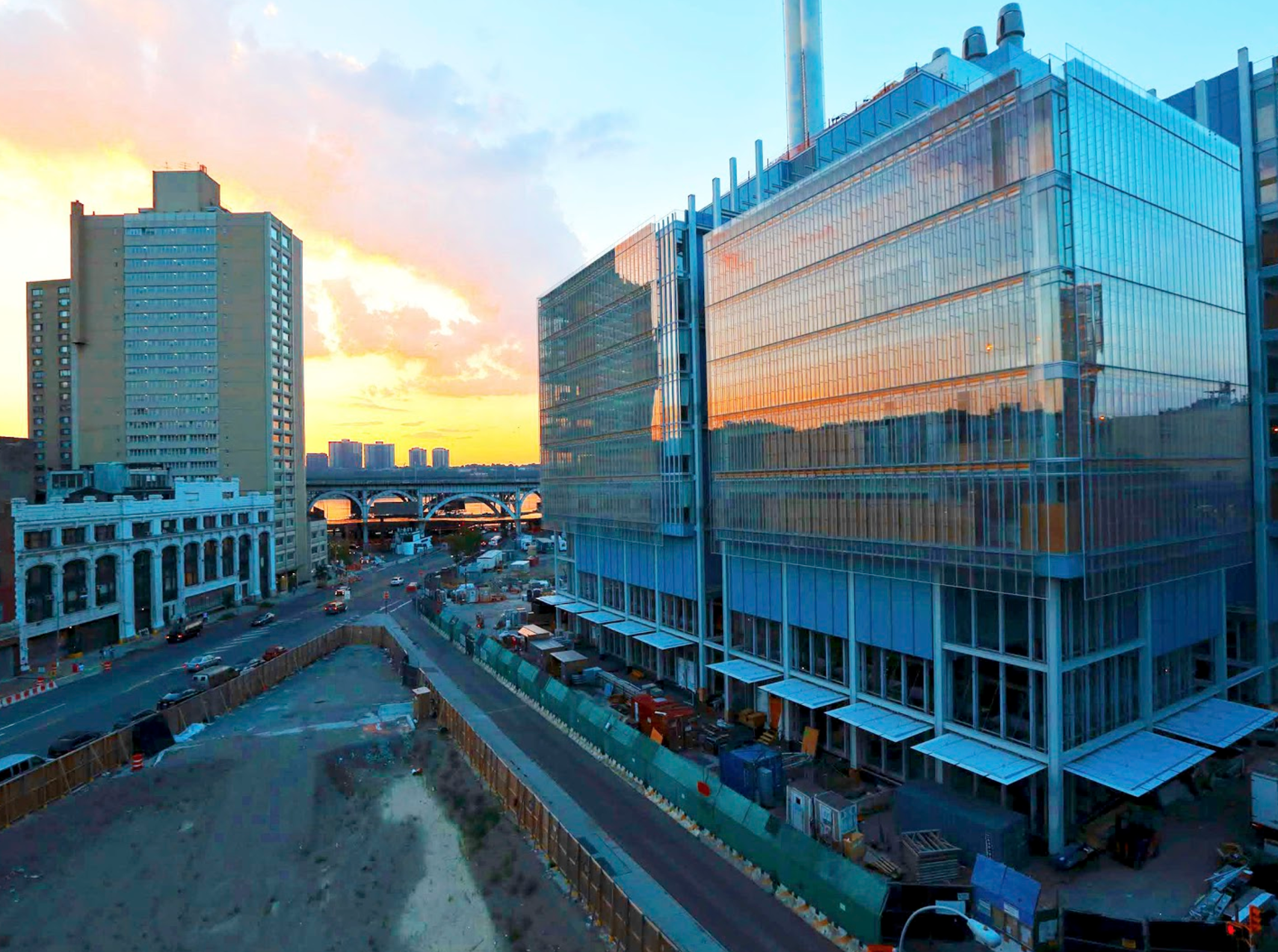
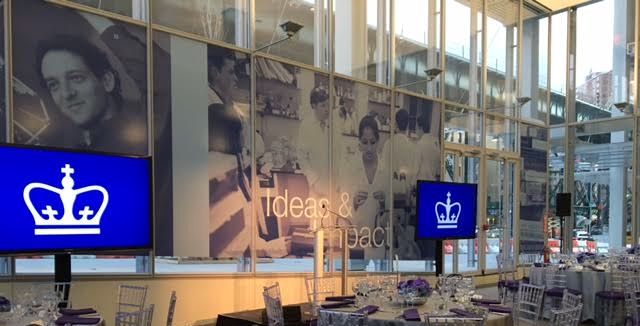
It is my pleasure to share some exciting news with you. On Friday, the Trustees approved a resolution for our campaign, slated to last five years. This news was greeted with cheers at a campaign preview at the Trustees dinner at the Jerome L. Greene Science Center on Friday evening, where alumni, faculty, and donors spoke of their commitment to ideas and impact, to new ways of thinking and doing in addressing the world’s problems. We look forward to a public launch in the next calendar year.
We will talk more about the campaign, and the important role each of us will play in making it a success, in the days and weeks to come. On behalf of Columbia’s faculty, students, alumni, patients, and all who will benefit from this campaign and Columbia’s heightened impact in the world, I thank each of you for all you do. I so look forward to our next chapter and to all we will achieve together!
Best,
Amelia