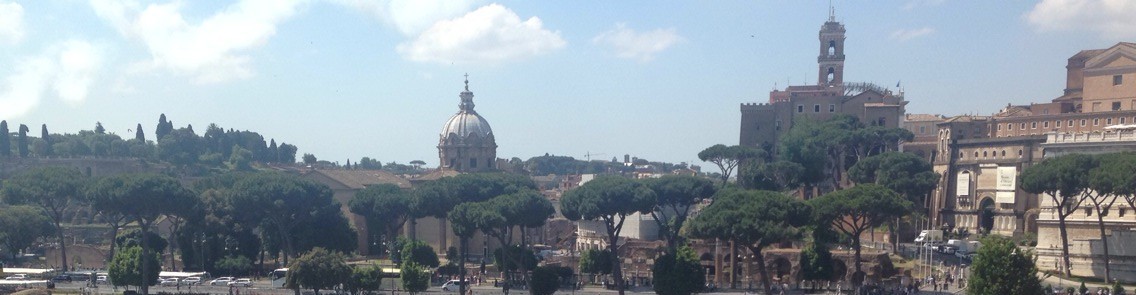
This project examines the role that Ancient Roman architecture played in creating and preserving the legacies of those who commissioned it. The Roman Empire was known for being for one of the greatest ancient civilizations. Roman politics were plagued with intense power struggles, as politicians vied for positions of prominence. Thus, when individuals were finally able to achieve positions of power, they made sure to pronounce and legitimize their power and legacy. One of the most prominent methods in which they achieved this was through the construction of building projects, the remnants of which are still visible in Rome today. To explore how different rulers used architecture to buttress their claim to power and to make political statements, this project will analyze different architectural works in Rome, how the spaces functioned, and the impressions that the work created for its commissioner’s legacy. In particular, it will examine the building projects of Augustus, the first emperor of Rome, and Domitian, the last of the Flavian emperors. This project will also take into account unintended messages and perceptions that these architectural works created for their commissioner. These building projects created a legacy for their commissioners that defined the general attitudes and styles of their rule.
The Art of Power