
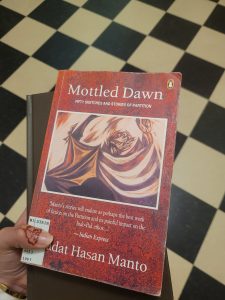
Photo credit: Fatima Ahmad
At 1AM on a random Wednesday in March, I opened my email to find that decisions for the Laidlaw Undergraduate Research and Leadership Scholarship Program had been released. Since I was in the midst of grinding my International Politics essay on the 15th floor of IAB (and also had bigger, mid-semester, life dilemmas racing through my mind), I calmly opened my email in anticipation of a rejection. After all, only 25 undergraduates are chosen for each cohort, each year. Since I’m currently writing this blog post, you can probably guess that I indeed was not rejected. This is to say, and as cliche as it may sound, sometimes things seem too good to be true, so we think that we are unable to attain them, but even if you have a slight passion for the research you want to conduct, apply!
For Laidlaw in particular, you have the option to work with a faculty member on their research project or propose your own independent research. I chose the latter. The project I pitched was a study of the Partition of 1947, a period where 15 million people had been uprooted and 1-2 million people killed, through the literature of Saadat Hasan Manto. I was excited to learn more about the ways in which fiction had contributed to the public memory of the Partition, but also use literature to highlight other, less-discussed problems at the time. But how do I do that?
I never truly realized that the meaning of “independent research” truly is “independent” until I became a Laidlaw Scholar this summer. After a week of leadership training and workshops, I set into the world of Butler, librarians, advisors, and quite simply, loneliness. Not particularly sad or anything, I was (and still am as I write this) just faced with the reality of having full control and ability to organize my research. From when I wake up in the morning to when I actually spend time researching, everything is up to me. With this autonomy comes many advantages, but also the disadvantage of having to hold yourself accountable. If you choose to go into independent research, you will undoubtedly face some form of procrastination. So what has helped me over the span of these past 3 weeks?
For one, understanding that independent research is not the end all, be all of your research “career”. Your research may not go as planned, you may diverge from what you set out to seek, and that’s okay! I have found my own project evolving from a study of Partition to a “re-imagining” of Manto’s writing and perception today. Everything you do surmounts to something new you have learned, a new idea that is sparked, or even a dis-interest that you have discovered. Do not be discouraged! Also be realistic. If your timeline is 6 weeks, like it is for Laidlaw, doing readings, taking notes, and joining together some thoughts into a rough draft (as my advisors have told me) is a very good start for a long-term project. Feeling as though you need to be published in 6 weeks or have a polished essay may do you more harm than good in the long run. Just to reiterate, not having a final product by the end of the 6 weeks does not mean the work you have completed is unimportant. The sources available, from librarians to your personal advisors to graduate student mentors, are valuable beyond belief, and what you take away is what you put in.
Secondly, how do I stay on track? As basic as this may sound, set weekly goals as to what you want to accomplish. This doesn’t necessarily mean “research” 24/7, but overall, who are the people you want to reach out to? The archival collections you want to check out? The book that needs to be read? Having weekly goals split into specific tasks have personally been much more attainable compared to daily lists. If you’re like me, although lists can help, they also induce this anxiety of needing to finish, and then feeding this anxiety when you do not.
Third, stay organized! Zotero has been really helpful in keeping my sources in one place whilst simultaneously being able to generate citations and allow for annotations/notes. If you are looking at different language sources, like I am looking at Urdu, take pictures of any quotes you would potentially reference in the future. Overall, having a clear sense of where everything is will declutter your brain and your thoughts.
Lastly, remember why you chose to do this, whether it is a short-term goal or a long-term career factor. Knowing why you do something truly helps in creating genuine, meaningful work. In this process of navigating your own research, you will grow as a person, developing your work habits, interests, and motivations. You will also come to realize, much like myself and my fellow scholars, that independent research truly is independent…