
Magic Mushrooms: What Are the Basics?

Magic mushrooms are a pop culture favorite that features in everything from folklore to Hollywood films. There are many different species of mushrooms, but not all of them share the ability to create ‘magic.’ If you have some interesting fungi growing on your back fence, you may be interested to learn more about magic mushrooms and their potential benefits and risks. This article will cover the basics of magic mushrooms, including what they are, how they may affect your body, and their legal status in the United States.

What are Magic Mushrooms?

Magic mushrooms are a type of mushroom that contains psychedelic compounds called psilocybin and psilocin. Psilocybin is a naturally occurring chemical compound that reacts with serotonin receptors in the brain to produce hallucinogenic effects or psychedelic experiences. These are commonly referred to as ‘trips.’ While Western cultures and science have only recently started to study psilocybin, the use of this substance dates back thousands of years. It has a long history of use in rituals and healing ceremonies by indigenous cultures such as the Mayans and Aztecs.

Are Magic Mushrooms Legal?

In the United States, magic mushrooms are currently illegal at the federal level. Although the mushrooms themselves are not illegal per se, their active compounds psilocybin and psilocin are. These compounds are classed as Schedule 1 substances under the Controlled Substances Act due to their psychoactive properties. That said, psilocybin spores are legal since they do not contain any psychoactive compounds yet.

Some cities such as Denver and Washington, DC have decriminalized magic mushrooms. However, Oregan is the only state that has legalized it for therapeutic use. In Oregon, adults are permitted to possess small amounts of magic mushrooms for medicinal purposes. However, heavy penalties still apply to anyone who tries to sell magic mushrooms to others. As more bills are introduced across the country, we can expect decriminalization and legalization to be hot topics in the years to come.

How Did Magic Mushrooms Become Popular?

Magic mushrooms moved from the cultural fringes to mainstream culture in the 1960s when their use became associated with the counter-culture movement. People started experimenting with recreational drug use as a way to express their individuality and explore new experiences. The term ‘psychedelic’ was coined to describe these experiences because they often involved hallucinations and visual patterns. Along with peace signs, magic mushrooms soon became a symbol for the hippie movement in the Western world.

Today, magic mushrooms are being researched in many countries in the West for their medicinal properties. They have been used to treat depression in several clinical trials with promising results. They are also being explored as a potential option for end-of-life care and addiction treatment. The effect of magic mushrooms on human consciousness has also been studied by scientists using brain imaging technology. These findings may help researchers develop new forms of treatment for some common mental health conditions.

What are the Effects of Magic Mushrooms?

The effects of magic mushrooms on the human body vary depending on dosage and a person’s physiological and psychological characteristic.

Most people who take magic mushrooms report feelings of deep relaxation, heightened awareness, and a sense of spiritual connection with the world. They may also experience altered states of consciousness, time distortion, or synesthesia—a condition in which different senses blend to produce additional sensations such as being able to hear colors. The psychedelic effects of magic mushrooms are often depicted, including shifting shapes or colors, visual distortions, and geometric patterns.

For some people, the effects can last for several hours, while others find that the effects wear off very quickly.

What are the Risks?

As with any substance, there are risks associated with using magic mushrooms. Psilocybin can cause paranoia and panic attacks in people with a predisposition to anxiety as well as side effects such as nausea and dizziness. In very rare cases, people who take high doses of magic mushrooms may experience hallucinogen-persisting perception disorder (HPPD), a condition of persisting altered perception that can last for several weeks.

In addition, magic mushrooms are known to interact with medications, particularly those with their own psychoactive effects such as Xanax or Adderall. People who take these medicines should not use magic mushrooms unless they have consulted their doctor first.

How to Enjoy Magic Mushrooms

Taking an appropriate dosage of magic mushrooms should not cause health problems or addiction. However, there is always a risk of accidentally taking too much of the substance. Therefore, it is strongly recommended that first-time users should use magic mushrooms under the supervision of an experienced therapist to minimize the risk of adverse effects and maximize their enjoyment of the experience.

The wrong type of mushroom can be toxic or even deadly, so make sure that you are sourcing your mushrooms from a reputable store. Many other types of mushrooms look similar to magic mushrooms so foraging in the wild is extremely dangerous unless you have expert training. One way to avoid potential foraging problems is to cultivate mushrooms from spores—although you must first ensure that cultivation is legal in your area.

The final tip for enjoying magic mushrooms is to be in a safe and comfortable environment with a sober companion who can look after you. By sticking to reliable sources and trusted companions, you can have an out-of-this-world experience on magic mushrooms.
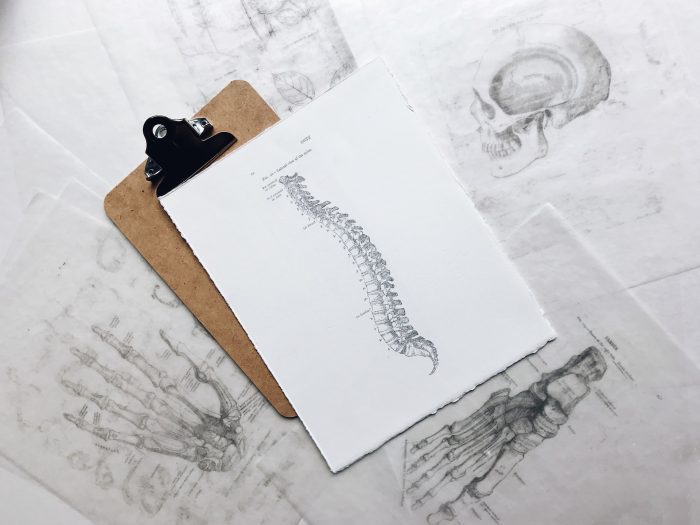

Neck Pain: Causes, Effects, and Relief

If you’re one of the many people suffering from neck pain, you know how it can be a major disruption in your day-to-day life. It can make even the simplest tasks impossible, regardless of whether it’s a dull ache or a sharp pain. But don’t worry; you’re not alone. Neck pain is a common issue that affects many people, but there are ways to find relief.

What is Neck Pain?

Before we dive into the causes, effects, and treatment options for neck pain, let’s first define it. Neck pain is a discomfort or pain in the area of the neck, shoulders, and upper back. Many things can cause neck pain, from poor posture to injuries and stress. But don’t worry because it’s not always a severe problem, and in many cases, it can be treated with self-care measures.

With that in mind, let’s explore some of the most common causes, effects, and treatment options to help you find relief from this pesky issue.

What Causes Neck Pain?

Many different factors can contribute to neck pain. Some of the most common causes include:

  • Poor posture: Sitting or standing in an improper position for extended periods can put a lot of strain on the muscles and ligaments in the neck. This can lead to pain and discomfort.
  • Injuries: Whiplash, a common injury from car accidents, can cause damage to the muscles, tendons, and ligaments in the neck. A herniated disc in the neck can also cause pain.
  • Arthritis: This condition, which results in inflammation in the joints, can also lead to pain and stiffness in the neck.
  • Stress and tension: Stress and tension can cause the muscles in the neck to become tight and painful.
  • Poor sleeping habits: Sleeping in an awkward position or on a poor-quality mattress can lead to pain in the neck and other areas of your body.
  • Repetitive motions: People who spend a lot of time working at a computer or using their phones may experience pain in their neck from constant repetitive motions.

Remember — some causes of neck pain can be more severe than others, and it is always the best idea to see a chiropractor or another medical professional for an evaluation; no amount of Googling or self-diagnosing will give you info that’s as precise as the one you get from someone who’s educated on the topic.

What Are The Effects Of Neck Pain?

If you’re already experiencing neck pain, we probably don’t have to tell you this — but neck pain can significantly impact an individual’s quality of life. Some of the effects of neck pain include:

  • Limited range of motion: Pain in the neck can make it difficult to move the head and shoulders comfortably, making it hard to perform everyday tasks.
  • Headaches: Neck pain can often lead to headaches, which can be debilitating and affect an individual’s ability to work or perform other daily activities.
  • Fatigue: Chronic pain can make it hard for individuals to sleep well, leading to fatigue and a lack of energy.
  • Difficulty concentrating: Neck pain can make it hard to focus on work or other tasks, affecting an individual’s productivity.
  • Depression and anxiety: Living with chronic pain can be emotionally taxing, and individuals may experience depression and anxiety as a result.
  • Interference with daily activities: Neck pain can make it hard to engage in activities that were once enjoyed, like sports or hobbies, leading to a lack of social interaction and isolation.

It’s important to note that these effects are not only physical but also emotional and psychological. Considering that, it’s wise to address neck pain as soon as possible to reduce its impact on your life.

What Are The Diagnosis and Treatment Options?

When it comes to treating neck pain, the first step is to determine the cause. A medical professional, such as a doctor or physical therapist can evaluate an individual’s symptoms and conduct any necessary tests to determine the cause of the pain. Once the cause is identified, a treatment plan can be developed.

Treatment options for neck pain include:

  • Physical therapy: Physical therapy can help to stretch and strengthen the muscles in the neck, which can reduce pain and improve your range of motion.
  • Medications: Over-the-counter pain relievers, such as ibuprofen or acetaminophen, can help to reduce pain and inflammation. In some cases, more potent prescription medications may be necessary.
  • Surgery: In severe cases, surgery may be necessary to correct a problem in the neck, such as a herniated disc.

In addition to these treatment options, there are also self-care measures that you can take to help reduce neck pain. These include:

  • Exercises: Stretching and strengthening exercises can help to improve the health of the muscles and ligaments in the neck.
  • Relaxation techniques: Techniques such as yoga and meditation can help reduce neck stress and tension.
  • Heat and cold therapy: Applying heat or cold to the neck can reduce pain and inflammation.

Naturally, we’re all different, and so is our neck pain. Because of this, other treatments may work better for different individuals, and it may take some trial and error to find the best treatment for your specific case. Your healthcare professional will work with you to find the best treatment option.

How Do You Prevent Neck Pain?

While it’s not always possible to prevent neck pain entirely, there are steps that you can take to reduce your risk of experiencing it. Some tips for preventing neck pain include:

  • Maintaining a good posture: Sitting and standing in proper positions can reduce strain on the muscles and ligaments in the neck.
  • Stretching and strengthening exercises: Regularly stretching and strengthening the neck muscles can keep them healthy and reduce the risk of pain.
  • Proper ergonomics in the workplace: Proper positioning of computer monitors and other equipment can help reduce neck strain.
  • Taking breaks from prolonged sitting or standing: Regular breaks can help reduce the risk of strain on the neck.
  • Maintaining a healthy diet and exercise regimen: Eating a healthy diet and staying active can help to reduce stress and tension in the neck.

It’s also important to be aware of any activities or habits contributing to neck pain and make adjustments if necessary. For example, if you find that prolonged phone or computer use is causing pain in your neck, try taking regular breaks and adjusting the position of your device.

By taking these steps to prevent neck pain, individuals can reduce their risk of experiencing it in the future and improve the overall quality of their life.

Wrapping Up

Neck pain is a common problem affecting many people, and it can negatively impact your quality of life. There are many causes of neck pain, from poor posture to injuries and stress. However, plenty of treatment options are also available, including physical therapy, medications, and self-care measures.

It’s essential to work with a medical professional to determine the cause of your neck pain and develop a treatment plan that’s right for you. In addition, taking steps to prevent neck pain, such as maintaining good posture, stretching and strengthening exercises, and taking breaks from prolonged sitting or standing, may also help to reduce your risk of experiencing it in the future.

Neck pain is a common problem, but it is manageable with the proper treatment and preventive measures. By addressing the problem early and taking steps to prevent it, you can reduce its impact on your daily life and improve your overall well-being.

Why Is It So Important to Take Care of Your Skin?

Your skin is the largest organ of your body. It is responsible for protecting you from the outside elements, and it plays a huge role in your overall health. That’s why it’s so important to take care of your skin! Here’s a more detailed look at why you need to take care of your skin, including some tips on how you can improve your skin health.

Your skin is composed of multiple layers, each with its own unique function. The outermost layer is called the epidermis and it acts as a protective barrier to the environment. The middle layer is called the dermis and it contains hair follicles, oil glands, sweat glands, and nerve endings. The innermost layer is called the hypodermis and it contains fatty tissue, blood vessels, and collagen fibers. All these layers work together to keep your skin healthy and strong.

Skin is clearly more complex than being just the outdoor layer of your body. But why is it so important to take proper care of it, and what should you be doing to ensure it’s as healthy as it can be?

Poor Skin Health Can Lead To A Variety Of Medical Problems

If you don’t take proper care of your skin, it can lead to a variety of medical problems. For example, dry skin can cause itching and irritation, while oily skin can lead to clogged pores and acne. Furthermore, damage from the sun’s UV rays can cause premature aging, wrinkles, and even skin cancer.

By taking care of your skin, you can help ensure that these medical problems don’t occur or at least minimize their potential. Taking care of your skin can be as simple as washing it with a gentle, paraben-free product every day, or treating yourself to an occasional facial.

Find a local beautician by looking up something like facial Rock Hill SC. Once you find a local provider who makes your skin look and feel great, you won’t look back!

Skin Cancer Is One Of The Most Common Forms Of Cancer In The World

In addition to the other medical issues that can arise from poor skin health, you should be particularly aware of skin cancer. Skin cancer is one of the most common forms of cancer in the world, and it can occur when skin is exposed to too much sun without the proper protection.

It’s really important to both prevent skin cancer, and to be aware of any early signs of changes to your skin that could lead to cancer. Protect your skin by using sunscreen with an SPF of at least 15, and wear protective clothing when spending time outdoors. Many people think that should only wear sunscreen when they go sunbathing, but you should actually wear sunscreen when you spend any time at all outdoors, even if the sun doesn’t feel that hot.

In addition, check your skin regularly for any changes. Look for any new moles or spots that appear to be growing, itching, changing, or bleeding. If you do notice anything, don’t hesitate to see your doctor for an examination.

Taking Care Of Your Skin Can Help Prevent Wrinkles And Other Signs Of Aging

Another important reason to take care of your skin is to help prevent wrinkles and other signs of aging. As we age, our skin begins to lose its elasticity and collagen, resulting in wrinkles and age spots.

To help prevent these signs of aging, you should use a good moisturizer every day, preferably one that contains ingredients such as glycerin, hyaluronic acid, or ceramides. These ingredients help keep your skin hydrated and boost collagen production.

You should also exfoliate your skin regularly to get rid of dead skin cells that can clog pores and decrease collagen production. Additionally, you should use sunscreen every day, even if it’s cloudy outside. The sun’s UV rays can still penetrate the clouds, so it’s important to stay protected.

Adding antioxidants to your diet can help protect your skin from free radicals and other environmental toxins that can speed up the aging process. Antioxidant-rich foods include fruits and vegetables like blueberries, spinach, kale, and broccoli.

Many people also take a collagen supplement after they reach a certain age. This can help the skin retain its elasticity and keep it looking young and healthy.

Healthy Skin Looks Better And Makes You Feel More Confident

Taking care of your skin isn’t just about medical reasons; it also makes you look and feel better. Healthy skin looks more vibrant and youthful, and can make you feel more confident in your appearance.

Doing things that make you feel more confident is good for your mental health – and studies show that more of us should be taking better care of this side of our health too. People who do things that make them feel good do better in their relationships, at work, and have better overall self esteem. So, don’t underestimate the power of taking care of your skin and making it look as good as possible.

Taking care of your skin is fairly easy, but it does require some effort and dedication. Make sure to wash your face twice a day, use moisturizer and sunscreen regularly, exfoliate at least once a week, and add antioxidants to your diet.

And of course, don’t forget to see your doctor if you notice any changes on your skin that could be signs of skin cancer or other medical issues. With the right care and attention, you can have healthy, glowing skin for years to come!

Essential Tools for Camping Survival

Camping is a great way to get outdoors and enjoy nature. But it can also be dangerous if you are not equipped to survive in the wild. Accidents or unforeseen circumstances can happen and leave you without the proper resources. So, you must be prepared before heading out into the woods. Here are a few items that all campers should carry.

1. Survival Knife

Whether you are camping or just taking a hike through the woods, a quality survival knife is an important tool to have. A good knife will allow you to easily fashion weapons, cut rope, and clear any undergrowth that you run into. If you are planning to hunt, a sharp knife will help you to skin, clean, and prepare meat as well. Do your research to find out the best survival knife brands and choose one that is made of a durable material and designed for a firm grip. After you purchase a survival knife, make sure that you know how to properly use it to prevent injuring yourself or someone else. Also, be sure to keep it clean and sharp.

2. Firestarter

One of the most essential items for camping and survival is a firestarter. It will help you to create warmth and light in emergencies and provide you with an easy way to cook. There are many different types of firestarters on the market to choose from. Some firestarters made with flint can be reused several thousand times, which makes them great value for money and extremely useful if you are stranded in the woods for a longer time. However, these types of firestarters can be difficult to light so you should learn how to use a flint and tinder first. Otherwise, all-weather matches may be easier for you.

3. First Aid Kit

A first aid kit is a critical safety item that every camper should always carry with them. It should include antiseptic cream, disinfectant wipes, bandages, a pair of scissors, and a sling as well as any other supplies that you will need to treat minor abrasions, cuts, bleeding, and sprains. Learn how to use your first aid kit to treat any minor injuries that may occur while you are camping, and be sure to keep it somewhere that you can access quickly. Most camping first aid kits come in water-proof bags or cases that are suitable for outdoor use. These are often compact enough to fit in a backpack.

4. Flashlight

A flashlight is an important item to have when you are camping for the simple reason that it will allow you to find your way around when it is dark. In addition, it can be used as a signal for help if the need ever arises. There are many different types of flashlights available including LED lanterns, headlamps, and travel torches. You should choose a flashlight that is rugged and durable so that it can withstand the wear and tear of outdoor activities. Most flashlights use batteries, but you can also find solar-powered models or those that are powered by kinetic energy. Always carry spare batteries if you plan to carry a battery-powered flashlight.

5. Compass & Map

Too many people rely on modern technology to help them find their way around. Unfortunately, these gadgets can fail when you least expect, and they are not always reliable in remote areas. A good compass can be a lifesaver. It will enable you to navigate through the woods even if your cellphone battery is dead. Keep in mind that a compass only works if it has been calibrated accurately so be sure to keep it properly stored in a dry location when not in use. Pair your compass with a traditional map and make sure that you store them both in a waterproof bag. This way, you will have no problem finding your way in an emergency.

6. Insect Repellent

Insects are part of the natural world but insect bites and buzzing bugs around your body can be annoying and uncomfortable. Some insect bites can also spread diseases such as malaria and Lyme disease so you should take steps to protect yourself. Using an effective insect repellent spray will help you to repel insects and minimize the risk of getting bitten while you are camping. You should choose a product with DEET (diethyltoluamide) as it has proven effective against most insects. Some natural insect repellents can also protect you from biting bugs without harming beneficial insects or the natural environment.

7. Waterproof Gear

You should take measures to protect yourself from rain, wind, and other weather conditions, even in the dry season. At the very least, you should have a waterproof jacket and boots, and many extra pairs of socks. You should also purchase a waterproof backpack cover to keep your clothes dry and safe. For added protection, use a small dry bag or box to hold your IDs and valuables. If you have space in your backpack, bring along an extra waterproof tarpaulin liner which you can throw over your sleeping bag or ground pad. In a pinch, this can be turned into an extra raincoat or tent.

The above are just some of the important items that every camper should have, so keep them in mind when you are preparing for your next trip. You may not use them every time you camp, but they will prove their worth when you need them the most!

The Beginner’s Guide to Sump Pumps

Sump pumps are essential in homes where water often accumulates in the basement. It can reduce water damage by quickly pumping water out of the house, saving it from bigger problems in the future.

Whether you have a sump pump or are considering installing one in your home, it’s vital that you understand its function, how to maintain it, and how to spot signs that your pump needs repairs. In this article, we’ll cover everything you need to know about Sump Repair, Replacement, and Installation Columbus, Ohio. But first, we’ll discuss who needs a sump pump.

What Is A Sump Pump? Do I Need One?

A sump pump is a device that includes both a pump and a motor. There are different models and designs, but their basic function is to pump water from out below your house. They’re usually installed in a basement or a crawl space. Before the pump is installed, a sump pit is dug to create the lowest point where water will accumulate. The pump is then installed in the pit and will automatically pump out the water once it reaches a certain level.

Not all homes need to have a sump pump installed. If you live in a dry place and don’t have a basement or a crawl space beneath your home, you likely don’t need a sump pump. However, you should consider installing a sump pump if:

1. You have a basement that’s prone to flooding. If water accumulates in your basement, it can cause serious damage to your home. If you have a finished basement or use your basement for storage, water accumulation can ruin your flooring, furniture, and any items stored in your basement.

2. You have a crawl space below your home. Crawl spaces are another spot where water can accumulate and wreak havoc on your house. You might not realize that your crawl space has flooded until the damage is done, so a sump pump is a good idea.

3. Your house is at the bottom of a slope. If your property is sloped and your home is in a low spot, water will gather at the foundation and could cause damage. A sump pump can keep water at bay.

In any of these cases, you should consider if a sump pump could provide protection for your home. If you’re not sure whether or not you need a sump pump, talk to a professional who can analyze your property and advise you on what to do.

How To Maintain A Sump Pump

If you already have a sump pump or have decided to install one, you should be sure to properly maintain it. Proper maintenance will help you to avoid problems and keep your pump running in optimal condition.

Here’s a basic list of maintenance that your sump pump will need:

1. Cleaning. Make sure to clean both the sump pit and pump periodically. Remove any debris and sediment to ensure maximum efficiency and avoid pump clogs.

2. Checking the float switch. The float switch is what turns your pump on and off. Make sure that it’s working correctly and that it isn’t stuck.

3. Testing the pump. Test your sump pump regularly to ensure that it’s pumping out water efficiently and that it’s working correctly.

4. Checking the battery backup. If the sump pump has a battery backup, the battery should be checked and replaced as needed.

5. Checking the discharge line. Check the discharge line to make sure it’s not clogged and that water flows freely out of the sump pit.

It’s essential to properly maintain your sump pump if you want it to work efficiently and last a long time. Maintenance should be done every year before the rainy season.

Signs Your Sump Pump Needs Repairs Or Replacement

If you’ve noticed water accumulating in your basement and suspect that your sump pump isn’t working properly, you might need to repair or replace your pump. With proper care and maintenance, a sump pump can last up to 10 years. But if your sump pump is old and doesn’t work as it should, consider getting a new one. A few signs that your sump pump may need repairs or replacement include:

  • You notice strange noises or excessive vibrating.
  • It’s not turning on or running properly.
  • It’s not pumping water out of the sump pit effectively.
  • It’s running constantly, indicating a clogged discharge line.
  • There’s water leaking from the base or housing.

If your sump pump is experiencing any of these or other problems, you should call a professional to find out if it can be repaired or if it’s time to buy a new one.

A sump pump can be an excellent investment as it can protect your home from water damage. If you’re interested in installing a sump pump, ask a professional if it’s a good option for your home. If you already have a sump pump, make sure to keep up with regular maintenance and promptly address any problems.

How to Choose a Personal Injury Attorney

As someone who has experienced a personal injury, you know firsthand the physical, emotional, and financial toll it can take. That is why it is so important to choose the right personal injury attorney to represent you and fight for the compensation you deserve. But with so many personal injury attorneys to choose from, how do you know which one is the best fit for your case? This article will explore the various factors to consider when selecting an attorney for this type of case, so you can make an informed decision and feel confident in your choice.

Research Potential Attorneys

One of the first steps in choosing a personal injury attorney is doing research. Several online resources are available to help you find attorneys in your area who specialize in personal injury cases. You can also ask friends and family members for recommendations and consult with local bar associations for a list of attorneys in your area. Make a list of several potential attorneys to consider, and then move on to the next step of evaluating their experience and track record.

Evaluate Their Experience and Track Record

When it comes to choosing a personal injury attorney, experience matters. Even the best attorney who’s straight out of law school and just passed the bar won’t be able to handle your case as well as someone with lots of practical experience in the profession.

Also, it’s not just about finding lawyers with plenty of experience — you need to look for an attorney who has a proven track record of successfully handling cases similar to yours. The case matter that lawyers handle throughout their careers can vary wildly. Someone with a lot of experience in traffic disputes won’t necessarily be the best choice for a personal injury case, even if their experience spans decades.

There’s other information that you need to know about your lawyers too. You need to know precise data when it comes to their track record. So, ask about their success rate and the settlements they have obtained for past clients, especially in cases similar to yours.

Unfortunately, like in any other profession, some attorneys are more willing to bend or break the rules than others. They’re never the best choice for your case. So, it is also good to check if the attorney has faced any disciplinary actions, as this can be a red flag.

Consider Their Communication Style and Personality

Feeling comfortable and confident in your attorney’s ability to represent you is essential. Consider the attorney’s communication style and personality when making your decision. Do you feel like you can easily ask questions and receive clear answers? Is the attorney available to provide updates and address any concerns you may have throughout the process? It is crucial to find an attorney who you feel comfortable communicating with and willing to take the time to explain legal concepts and options to you in a way you can understand.

Assess the Attorney’s Resources

The size and resources of the law firm can also be a factor in choosing a personal injury attorney. A more prominent firm may have more support staff and access to experts who can help handle your case. On the other hand, a smaller firm may offer more personalized attention and a more hands-on approach. Consider what is most important to you and choose an attorney and firm that aligns with your needs and preferences.

Discuss Fees and Retainers

Understanding the attorney’s billing practices and discussing fees and retainers upfront is essential. Be sure to ask about the percentage of the settlement that the attorney will take as their fee and any other costs you may be responsible for. Don’t be afraid to negotiate a fair fee, especially if you are working with a limited budget. It is also a good idea to ask about the attorney’s payment policies and whether they offer payment plans.

Make a Decision and Keep Good Records

Once you have gathered all the necessary information and decided, be sure to gather all relevant documents and information for your case. Review and sign a retainer agreement with your chosen attorney, and keep track of all communications and expenses related to the case. Good record-keeping can help ensure a smooth and successful process.

Wrapping Up

In conclusion, selecting the best personal injury attorney for your case is crucial for achieving the best possible outcome. By following the steps outlined in this article and taking the time to research and evaluate potential attorneys thoroughly, you can make an informed decision and feel confident in your choice. Don’t be afraid to ask questions, negotiate fees, and keep good records throughout the process. With the right personal injury attorney by your side, you can feel supported and advocated for as you navigate the legal system and seek the compensation you deserve.

Exploring all the benefits of completing your degree after 50

Are you over the age of 50 and considering furthering your education? If so, you’re not alone. More and more adults are returning to school to complete their degrees, and the benefits of doing so are numerous.

Whether you’re looking to increase your earning potential, gain new skills, or simply challenge yourself in a new way, completing your degree after 50 can allow you to do all that and more.

With a renewed focus on learning and growth, you can open yourself up to a world of possibilities and make a lasting impression on your personal and professional life. Here, we’ll explore all the benefits of completing your degree after 50 and how it can help you reach your fullest potential.

Overview of completing your degree after 50

Regarding education, there are few better investments than earning your degree. Whether you’re looking to increase your earning potential, gain new skills, or simply challenge yourself in a new way, a degree can help you do all of these things and more.

Completing your degree with a renewed focus on learning and growth can open you up to a world of possibilities and make a lasting impression on your personal and professional life. And while completing a degree is often thought of as something that is best done while you are young, there are plenty of benefits to completing your degree after 50, too.

Reasons why adults over 50 return to school

When it comes to the reasons why adults over 50 return to school, there are many. Some decide to earn their degree to increase their earning potential, whereas others do so simply because they want to learn new things and challenge themselves in a new way.

Whatever your reasons for returning to school, there are many benefits to completing your degree after 50. Here are a few of them:

  • You can increase your earning potential. A recent survey found that people with higher levels of education earn more money than those who don’t have a degree.
  • You’ll likely have access to more job opportunities. There are plenty of jobs that require a degree, but those without one are often overlooked.
  • You can develop new skills and gain a new perspective. Completing your degree can help you see the world from a new perspective by challenging yourself in a new way.
  • You can open yourself up to new career opportunities. Whether you’re looking to make a mid-career change or simply want to change the direction of your career, a degree can help you do so.
  • You can increase your chances of being promoted. If you’re already working and are looking to move up the ladder at work, a degree can help you.

Benefits of completing a degree after 50

The list is long and varied when you consider the benefits of completing your degree after 50. Not only can completing your degree help you increase your earning potential, but it can also help you gain new skills and open you up to new career opportunities.

Additionally, completing your degree can increase your chances of promotion and open you up to new job opportunities. More than that, completing your degree after 50 can be a great way to challenge yourself and make a lasting impression on your personal and professional life.

Beyond that, completing your degree can help you open yourself to a world of possibilities. Whether you’re looking to increase your earning potential, gain new skills, or simply challenge yourself in a new way, completing your degree can allow you to do all that and more. With a renewed focus on learning and growth, you can make the most of your degree after 50 and reach your fullest potential.

a. Financial security

Financial security is one of the main benefits of completing a degree after 50. People with a degree often earn more money than those without a degree, and this can go a long way in helping you make ends meet. With a renewed focus on learning and growth, you can open yourself to a world of possibilities and find the security you want. When you consider the benefits of completing your degree after 50, earning more money and having more financial stability is at the top of the list.

b. Career advancement

Another benefit of completing your degree after 50 is the chance to advance your career and earn a promotion. Having the education and experience that comes with finishing a degree can go a long way towards helping you advance in your career. Not only can a degree help you advance in your current career, but it can also open you up to new career opportunities, as well.

c. Personal growth

When you complete your degree after 50, you can develop new skills and a new perspective. Not only does this go a long way toward helping you earn more money, but it can also help you see the world in a new light. By challenging yourself in a new way, completing your degree can help you see the world from a new perspective and open you up to new opportunities.

Challenges of completing a degree after 50

Considering the challenges of completing your degree after 50, it can be easy to get overwhelmed and wonder if it’s even worth it. After all, most people start their degrees in their 20s or 30s, and they can complete them in a few years.

When you’re 50 years old or older, you’ll likely have to take a different approach. It’s essential to remember that completing a degree after 50 comes with particular challenges. Here are a few:

  • Finances: While completing a degree after 50 can be financially beneficial, it can also be costly. When you factor in tuition, fees, textbooks, etc., your degree can cost quite a bit of money. This is where the scholarship benefits for people over 50 come in handy.
  • Time: When you’re 50 years old or older, time is more limited. While you can still complete a degree after 50, it might take a bit longer.
  • Support: When you’re younger, you have the support of your friends and family, but when you’re 50 years old or older, you may not have the same level of support.
  • Taking classes online: While taking courses online can be done at any age, it can be more difficult when you’re 50 years old or older.

Lastly: Strategies to make completing a degree after 50 successful

When you’re 50 or older, you might think it’s too late to start a new career path and earn your degree. Fortunately, it’s never too late to further your education. To make the most of your degree after 50, here are a few tips:

  1. Plan ahead: When you’re 50 years old or older, it can take you longer to complete your degree. Therefore, it’s essential to plan ahead and know exactly what you’re getting into.
  2. Get support: When you’re 50 years old or older, you may not have the same level of support that you did when you were younger. Therefore, it’s crucial to get support from others who are in a similar situation as you.
  3. Make Time: When you’re 50 years old or older, you may not have as much time to complete your degree as you did when you were younger. Therefore, making time for school and prioritizing your education is essential.

How to Implement Leadership Coaching in Your Organisation

As an organisation grows, the need for leadership coaching within it increases. From satisfying customers to working well with partners and employees, to embracing the use of technology, leadership coaching can make a big difference in an organisation. And it doesn’t matter if you work in the United States, The UK, or China, coaching can make a huge difference.

But what is leadership coaching? How can you implement it within your organisation for your leaders and their (SLT) leadership teams? This article will explain everything you should know about leadership coaching.

What is leadership coaching?

Leadership coaching refers to the process of helping individuals to build their awareness personally and strategically and the competencies and skills required to work well in their role. It also helps them collaborate more effectively with other people within or outside of their organisation. As leadership coaching assists people to recognise their talents, they tend to use more of these talents and have more confidence to carry out their duties.

Given its benefits, leadership coaching is not only important to individuals, but can also have a huge impact on the development and success of an organisation and especially its culture. If you want to take your organisation to the next level, more focus and cross-organisation alignment on strategic goals, developing these alongside your people’s personal goals, then this is a powerful combination. It’s well worth investment in leadership coaching for your staff and benefits can be measured more than you think.

Step-by-step guide for implementing leadership coaching in your organisation

Are you ready to implement leadership coaching in your organisation? Things to do;

Have a structure for leadership coaching

Before you start investing in leadership coaching, it’s crucial to have objectives that you want to achieve with the coaching. Enlist champions and clarify chief sponsors of the programme. This will help to keep track of the progress of the coaching.

It’s important to create a structure for the coaching process. Basically, you can start by determining the individuals in your organization that need leadership coaching. The more senior the coachees, the greater the potential of coaching to make a difference. Though the truth is that leadership coaching may not be for everyone. It’s equally important to identify those that not only need it most but have the greatest to gain. After identifying these people, you need to determine when they need leadership coaching. The current career path of individuals is the main factor that will assist you to know whether they need the coaching now or later. Other criteria to think about is do you support your highflyers to excel further or those with challenges such as on PIP (personal improvement plans – those with specific ‘issues’).

Do you have the right resources for accommodating leadership coaching? This is an important question you must answer as you try to create a structure for leadership coaching. This is not just money to run the programmes, but perhaps the process and structures to bring all the learning into the organisation, meetings, reviews, EAP (employee assistance programmes) alignment to HR / Talent Management goals etc.

Communicate with your staff

Don’t wait until you have hired a leadership coach before informing key stakeholders. Let the staff know as early as possible so that they can start preparing for the programme/their development ahead. You should also keep them abreast of the benefits, time commitment, content, structure of leadership coaching and those involved in the process. Also, make sure that the stakeholders know the objectives of the leadership coaching.

Establish an enabling environment

Leadership coaching is bound to bring lots of changes into your organisation if you’re serious about bringing it in. There are few, if any, better ways to develop your people both efficiently (it aligns to needs) and effectively (it’s proven to work). Unfortunately, the change can lead to inconveniences and challenges for your staff too, especially at the initial stage. If the environment is not welcoming to the change, it will be difficult for people to adapt and bring in their upgrade skills a, values and competencies.

Therefore, you need to establish an enabling environment that encourages people to share their thoughts and feelings about their coaching and also be more open to reveal their vulnerabilities. Skilled coaches have this understanding central in their mind to support the programmes carefully. Regardless of how people feel at the initial stage, the environment must be able to support them and their growth.

Partner with an expert leadership coach

Leadership coaching requires the coach to have lots of experience and expertise. So, if you are not a professional leadership coach, you may have a hard time coaching your staff or indeed create issues. You often see internal Hr or Talent Management staff taking quick courses in coaching or taking on life coaches to carry out corporate roles as they are cheaper. HR, Organisational development people have a lot of skills across many areas from payroll, recruitment, managing budgets, employment law and process etc. It’s simply not possible for them to also be expert leadership coaches. The level of skill needed for leaders coaches should not be underestimated. Some of the best coaches have taken 20 years or more to hone their expertise, with many thousands of coaching or training hours. When choosing a professional coach go for experience, similar programmes run before with testimonials, and if they have both corporate experience and psychological – emotional (is best) training then that’s a good start to answer the big question: How do I choose the right leadership coach?

In view of this, you shouldn’t hesitate to hire an experienced leadership coach that can offer high-quality. We’re aware of a few, here’s one that specialises in leadership coaching for teams. As they use psychometric tools that actually develop leaders this can save much time in creating efficient programme design, speed up the progress of growth once it starts and pin-point strengths and vulnerabilities in a profound manner. (At this point we should note that these EQ assessments show strong evidence of development aligned to personal and work goals whereas personality or other psychometrics cannot do this). By hiring an expert, you will work with someone who understands how they can help your staff to develop the right leadership skills from a diverse range of perspectives (workplace, personal , corporate ways of work, business acumen, psychological growth, leadership imperatives and pitfalls etc.)

Be clear when partnering with a leadership coach. It’s very useful to first identify the specific skills you want the coach to have, their way of working and the existing culture of your people. Also, look at their experience in the field and determine whether they are right for your organisation or not.

Practice what you preach

It’s not enough to teach your staff how to grow, communicate, collaborate etc. and use their leadership skills to achieve the goals of your organisation. You as a sponsor or leader need to walk the walk. In other words, you need to show them how to lead and collaborate with others by practising what you preach. Show them how it is done and you will be surprised by how others will learn quickly. Sponsors and leaders must be the first to engage in culture change programmes. They must be seen to lead.

Allow your team members to grow

Leadership coaching is more than merely learning the skills required to be a leader. It is a long-term process that involves giving people room to develop their ‘authentic’ way of being, their style as well as the relevant competencies for their role, people skills and awareness of what great leadership is. Therefore, after the leadership coaching, you should notice significant changes to how people think and work. You may want to think about the KPI’s that these relate to before and during the programme to show and measure change.

Also, you need to make your staff comfortable enough to come to you whenever they need further clarification or assistance on how to be a good leader at work. You must note that people will make mistakes as they try to collaborate with others, but they can learn and grow from their mistakes. Give them space and support to do so. Similarly, you should continue to understand what resources can help them grow and do your best to provide these explicitly showing you are listening to them. This builds trust which supports leadership skills development

Let people prioritise their duties

While trying to develop their leadership skills, your team members must not forget their duties. They shouldn’t get caught up in the overall agenda of the organisation and, as such, overlook their duties. As they perform their duties, they can practice the skills they look to develop; communication, collaboration, empathy, and other important skills that a leader needs.

Keep track of the results

Leadership coaching requires a commitment of time, money, and effort. Therefore, as an organisation, it should offer you a good return on investment (ROI). But how do you know the ROI of leadership coaching? By measuring its results. Notably, the results can be numerical or not but there are ways to make the qualitative measurable;

How has leadership coaching improved the overall performance of my organisation? What has my boss noticed? Looking at my annual reviews of things to work on – these can be scored year on year. Look at how you could measure enhanced collaboration or minimise silos? Is there any improvement in communication among various teams, particular challenging relations easing? Are my employees comfortable with the process? Do you use an annual survey and track changes? These are important questions that can help you to keep track of the results of leadership coaching as you implement it.

We hope you learned a little from this introduction to leadership programmes and we wish you lots of success with implementing leadership coaching in your organisation.

10 Ways to Bring the Outside In

Are you looking for ways to bring the outside world inside your home? If you love nature, you’ll want to capture its feeling as much as possible. From plants to water features, there are plenty of ways to make your home feel more natural. Keep reading for 10 ideas that are sure to inspire you!

The benefits of nature are undeniable. Studies have shown that having plants and other natural surroundings inside can reduce stress and make us feel better overall. If you’re interested in making more of nature in your home, here are 10 ways to bring the outside in.

1. Bring In Plants

The easiest way to bring nature indoors is with houseplants. Find some that match your decor and are easy to care for. Plants can also act as a natural filter, purifying the air in your home. Get tips from GIY plants about growing plants in hanging pots, on shelves, or wherever you have some extra space. Having houseplants and doing some indoor gardening can also be a great stress reliever.

2. Add a Water Feature

Adding a water feature to your home can be a great way to bring in the sounds and sights of nature. Fountains or ponds can act as a calming presence in your home. They can also be great conversation starters with guests. You’ll obviously need enough space for these, but it’s possible to find even small fountains and water features for cozier spaces.

3. Install Natural Light

Letting natural light into your home is one of the best things you can do to make it feel more connected to the outside. If you’re able, install some large windows in your home. This will allow more natural light to come in, and it will also give you a better view of the outdoors. A sun tunnel or skylight can also be a great way to bring in natural light if you don’t have room for windows.

4. Hang Baskets

Hanging wicker baskets from the walls or ceilings can be a great way to bring in some texture and color. You can fill them with plants, potpourri, or other decorations to bring in a more natural feel. Adding baskets can be an easy way to update your decor without having to do a full renovation.

5. Use Natural Materials

One great way to bring the outdoors in is by using natural materials like wood, stone, and bamboo. These materials can be used in furniture, flooring, accessories, or accents. For example, put a cluster of stones in a glass bowl on your coffee table, or cover a wall with shiplap. Natural materials bring warmth and texture to your home while still maintaining a natural aesthetic.

6. Place Artwork on the Walls

Nature-inspired artwork can be an easy way to add some life to your walls. Look for paintings, photographs, or wall hangings with natural imagery. This could be anything from a scenic landscape to a close-up of a flower. You can also look for pieces that include animal or bird designs, or even abstract patterns. Even covering a wall in nature inspired or jungle themed wallpaper can totally transform a space to make it feel closer to nature.

7. Incorporate Nature-Inspired Color Schemes

Another great way to bring in the outside is by using nature-inspired color schemes. Look for earthy tones like greens, browns, and blues. These colors can give your space a more subtle and natural vibe. You could also use brighter colors like yellows and oranges for a more vibrant and energizing feel.

8. Bring in Natural Sounds

Adding natural sounds like birds chirping or water flowing can help make your home feel more connected to the outdoors. You can easily find recordings of natural sounds online and play them in your home. Alternatively, you can use a white noise machine that has nature-inspired sounds.

9. Make an Indoor Herb Garden

Creating an indoor herb garden is a great way to bring a little bit of nature indoors. You can grow herbs like mint, rosemary, basil, and thyme in small pots. This will give you a supply of fresh herbs for cooking and is also a great way to bring in some natural greenery. You’ll also benefit from the incredible scents that come from growing herbs. Smell a range of different herbs and see which scents you enjoy best.

10. Have a Greenhouse

If you have the space, having a greenhouse in your home can be a great way to bring in some nature. You can put all sorts of plants in there, from flowers to vegetables. This is an especially great option if you live in an area that has cold winters and want to keep your plants safe from the cold. Having a greenhouse will allow you to enjoy nature year-round from the comfort of your home.

If you want to benefit from nature all the time, adding some nature-inspired touches into your home can make the world of difference. From hanging baskets to having a greenhouse, there are plenty of ways you can bring in some natural elements. You’ll be amazed at how much more connected to nature you’ll feel in your own home.

10 Tips for Saving Money When Traveling in Europe

Are you planning a vacation or a trip to Europe soon? Have you been dreaming of a visit to Europe but can’t see how you could ever make it affordable? Surprisingly, there are many areas in Europe that are not expensive to travel to. If you take some extra precautions and plan your trip creatively you will find many areas where you can save money while still having a wonderful vacation.

Protect Your Investment

One important way to make sure that you don’t spend more money than you should is by protecting your trip investment. Travel insurance is one way to protect your investment. You should also carefully evaluate things such as refunds for TUI flight cancellation, hotel room cancellation policies, and reimbursements for any other expenses.

Change up Transportation

Consider choosing alternative modes of transportation while you are in Europe. Instead of flying between countries and cities, it’s often cheaper to take a train or bus. This will also allow you to see more of the country and its culture, villages, architecture, and people as you travel. Unfortunately, f you travel by train or bus your travel days could take longer, and you might not be able to visit as many places as you would if you were flying. On the other hand, you will get to know the places you do visit more intimately, and you will be able to travel at a more relaxed pace. Flying can also mean delays and waiting in the airport, so it makes sense to evaluate all transportation options for cost and time and choose the method that works best for your situation.

Travel During the Off-Season

Consider booking your next trip during a less popular time of year. Traveling during the off-season, when demand is lower, can result in lower prices for flights, hotels, and activities. If you don’t have children who need to be in attendance at school, try not to travel during school breaks. Summer and school holidays are the busiest time of year for most vacation destinations. Other destinations may have their own peak seasons. Ski resorts are obviously busy during the winter, as are tropical locations. Areas that have a lot of autumn color or special harvest activities may be busier in the fall.

Avoid Overpacking

Many airlines now charge for any and all checked luggage. Others charge for overweight, large, or extra baggage. When you travel, you can avoid paying extra fees if you don’t check your bags. By packing only the essentials you can avoid overloading yourself with unnecessary items, avoid delays in the airport and train stations, and make your trip easier and less stressful.

Also remember that unless you are going somewhere very remote, common items will be available locally. It is often cheaper to purchase things like over-the-counter medications, toiletries, and other necessities than it is to pay baggage fees. And once you have traveled this way a few times, you may be surprised at how little you actually need.

Look for Unconventional Places to Stay

Consider alternative accommodations: furnished houses, couch surfing, and house sitting can all be cheaper alternatives to traditional hotels. This is especially true if you are traveling with more than 3 or 4 people, or if you would for any reason need to stay in more than one hotel room. When you stay in a furnished house or suite, you can also save money by cooking some of your own meals or snacks and keeping drinks on hand. Also, consider staying in a hostel. Hostels can be a budget-friendly alternative to hotels, especially if you are traveling alone or with a group of friends rather than a family with children. Many hostels offer private rooms as well as shared dormitories.

Don’t Dine Like a Tourist

Instead of eating at tourist restaurants, try to find local, family-owned restaurants or markets where you can try traditional, home-cooked meals at a lower cost. Besides being cheaper, more casual, and more fun, you will also get a better sense of the culture and cuisine of the area you are staying in. You can also try street food and delis for quick midday meals between tours or activities. If you have children with you, these casual and quick meals may be much easier and more relaxing than attending more formal dining each day. Of course, you will probably still want to visit these tourist dining establishments at least once during your stay. By saving money on your food during the rest of your trip, you will be able to be more extravagant for a few special meals.

Plan Early

Plan your trip in advance by booking flights, hotels, and activities early. Booking in advance can often save you money and you will be better prepared for your trip. This is also the best way to ensure you are able to book all of the tours or tickets that you want. In some places, these tours and activities can fill up fast so if they’re important to you, make sure you book them early. If you do book early, consider buying travel insurance so your expenses can be reimbursed if you cannot travel as expected for any reason.

Shop Around

Shop around before you reserve or book anything. There can be big differences in price between various hotels, flights, and activities. In many cases, you can get much cheaper hotel rooms if you are willing to stay a bit farther out of the center of town or away from the main tourist area. You can also save money on flights by avoiding baggage fees.

Also, look for deals and discounts. Sign up for newsletters from airlines, hotels, and other travel companies to stay updated on sales. You should also search for deals on travel booking websites. Yearly sales such as those on black Friday and other standard sale days can also be good times to find deals.

Cook Your Own Food

If you can find a way to cook some of your own food, you will save a lot of money. Cooking for yourself is cheaper even than fast food or street food. Renting a suite or furnished house instead of a regular hotel room can be one way to make it easy to cook your own food. With a kitchen or kitchenette available in these accommodations, you will have what you need to make at least some of your meals yourself. You can also plan ahead and bring sack lunches if you are going to be gone all day. Even if you don’t have a kitchen, a hotel room with a refrigerator and a microwave can allow you to store the ingredients you need for sack launches and easy snacks.

Look for Free or Frugal Activities

When you are planning your itinerary, look for free or frugal activities. Many cities in Europe have a wealth of free activities and attractions, such as museums, parks, and churches. Research and plan your trip to include as many free activities as possible. If there are a few pricy tours or other activities that you know you want to do, balance them out with frugal or free options. No one wants to miss that once-in-a-lifetime museum or tour, and by adding in more free options for each expensive one, you can save money overall and still have the trip of a lifetime.

Conclusion

No matter where your travels in Europe take you, or how long you are there, you can find plenty of ways to save money and make your trip more economical. As an added bonus, if you can manage to save enough money on your trip, you may even be able to stay longer and visit more destinations than you would otherwise.