Residential Property Management: The Complete Guide

Whether you’re a landlord looking to rent out your property or a property management company looking to expand your portfolio, knowing the ins and outs of residential property management is an absolute necessity. Luckily, we’re here with a complete guide that will cover everything you need to know about the process. We will explore the importance of residential property management and why it’s essential to your success in the industry. We’ll also discuss how to find the right property to manage, attract and screen tenants, manage tenant relationships, maintain the property, manage finances, and stay compliant with local laws and regulations.

By the end of this guide, you’ll have a comprehensive understanding of the various aspects of residential property management, allowing you to make informed decisions and achieve success in the industry. So, let’s get started!

Finding the Right Property to Manage

Once you’ve decided to venture into residential property management, the first step is to find the right property to manage. It’s essential to identify your target market and the type of property that will appeal to them. For example, if you’re targeting families, a property with a yard and multiple bedrooms may be ideal.

It’s also crucial to understand the local laws and regulations. Every state and city has different laws regarding property management, including rent control laws, eviction procedures, and tenant rights. Make sure to research and familiarize yourself with these laws to ensure you’re always operating within the legal framework.

Before acquiring a property, you’ll also need to conduct a thorough inspection to evaluate the condition of the property. This will help you identify any maintenance issues and plan for repairs and upgrades. Additionally, you’ll need to evaluate the financials, including the property’s value, potential rental income, and expenses such as property taxes and insurance. By carefully evaluating these factors, you can make informed decisions about which properties are worth managing.

Attracting and Screening Tenants

Once you’ve acquired a property, the next step is to attract and screen potential tenants. One of the most critical factors in attracting tenants is creating effective marketing strategies. Utilize various channels to reach potential tenants, including online listings, social media, and local advertising.

Setting the right rent price is also essential to attract quality tenants while ensuring profitability. Research the rental rates in the area to set a competitive rent price.

When screening tenants, it’s crucial to conduct a thorough background check, including a credit check, employment verification, and references from previous landlords. This process will help you identify potential red flags and ensure that you’re renting to responsible tenants who will pay rent on time and take care of the property.

Once you’ve identified suitable tenants, draft a lease agreement that outlines the terms and conditions of the rental. The lease agreement should include important details, such as the rent amount, security deposit, move-in date, and length of the lease. Make sure that both you and the tenant sign the lease agreement to avoid misunderstandings and legal issues down the line.

Managing Tenant Relationships

Managing tenant relationships is an integral part of residential property management. One of the most important aspects of this is handling tenant complaints and concerns. Addressing tenant issues promptly and professionally can help prevent small problems from escalating into bigger ones. It’s crucial to be responsive, approachable, and proactive in handling any complaints and concerns. One of the ways to improve your tenant relationships and make maintaining them more efficient is through property management answering services.

Another crucial aspect of managing tenant relationships is enforcing lease agreements. This includes ensuring that tenants adhere to the lease terms, such as paying rent on time and taking care of the property. Having a clear understanding of the lease terms and enforcing them consistently will help you maintain a positive relationship with your tenants.

Collecting rent and managing late payments is also an essential part of tenant management. Set clear expectations for rent due dates and make it easy for tenants to pay their rent, whether through online payment platforms or other means. In the event of late payments, have a clear process in place for late fees and follow up promptly to ensure that the rent is paid in a timely manner.

In some cases, it may be necessary to initiate an eviction process. This can be a complex and challenging process, so it’s essential to understand the legal requirements and seek professional legal advice when needed. Evictions should always be a last resort, and every effort should be made to resolve issues through other means.

Maintaining the Property

Maintaining the property is a critical aspect of residential property management. A well-maintained property not only keeps tenants happy but also helps to preserve the property’s value over time. Here are some tips to help you maintain your property effectively:

  1. Conduct regular inspections: Regular inspections can help you identify any maintenance issues and address them before they become more significant problems.
  2. Develop a maintenance schedule: Create a maintenance schedule that outlines the regular maintenance tasks that need to be done, such as cleaning gutters, changing air filters, and landscaping.
  3. Respond promptly to maintenance requests: Responding quickly to maintenance requests is crucial to tenant satisfaction. Have a system in place for reporting and addressing maintenance issues promptly.
  4. Hire professional contractors: For more significant maintenance issues, it may be necessary to hire professional contractors. Make sure to vet contractors carefully and hire only those with a proven track record of quality work.
  5. Keep the property clean and attractive: A clean and well-maintained property is more attractive to tenants and can help to prevent potential damage or wear and tear.

Remember, regular maintenance can help prevent more significant and costlier issues down the line. By taking a proactive approach to property maintenance, you can keep your property in excellent condition and attract and retain quality tenants.

Managing Finances

Managing finances is a crucial part of residential property management. Proper financial management can help you maximize profits, minimize expenses, and keep your property in excellent condition. Here are some tips for managing your property’s finances:

  1. Keep accurate records: Accurate record-keeping is essential for effective financial management. Keep track of income and expenses, including rent, maintenance costs, property taxes, and insurance.
  2. Set a budget: Establish a budget for your property and make sure to stick to it. This will help you track your expenses and ensure that you’re not overspending.
  3. Minimize expenses: Look for ways to minimize expenses without compromising the quality of your property. For example, consider energy-efficient upgrades or negotiate better rates with service providers.
  4. Plan for capital improvements: Capital improvements, such as new roofs, HVAC systems, and other significant upgrades, are essential for maintaining your property’s value. Plan for these improvements and budget accordingly.
  5. Track rental income: Keep track of rental income and make sure to collect rent on time. Late payments can impact your cash flow, so it’s essential to have a system in place for following up on late payments.
  6. Seek professional advice: Consider working with a professional accountant or financial advisor to help manage your property’s finances effectively.

Effective financial management is essential for long-term success in residential property management. By keeping accurate records, setting a budget, minimizing expenses, and planning for capital improvements, you can maximize your profits and keep your property in excellent condition.

Staying Compliant

Staying compliant is a critical aspect of residential property management. There are a variety of federal, state, and local laws and regulations that property managers must adhere to, including fair housing laws, building codes, and health and safety regulations. Here are some tips for staying compliant:

  1. Stay informed: Stay up-to-date on all relevant laws and regulations. Subscribe to industry publications, attend conferences and workshops, and seek out professional organizations that can provide guidance and support.
  2. Follow fair housing laws: Fair housing laws prohibit discrimination against tenants on the basis of race, color, religion, sex, national origin, disability, or familial status. Make sure to understand and comply with these laws to avoid legal problems.
  3. Maintain the property in good condition: Building codes and health and safety regulations require landlords to maintain their properties in good condition. Stay on top of regular maintenance and repairs to ensure compliance.
  4. Keep records: Keep records of all compliance-related activities, such as inspections, repairs, and maintenance work.
  5. Train your staff: Provide training for your staff on compliance-related issues, such as fair housing laws and health and safety regulations.
  6. Seek professional advice: If you’re unsure about a particular regulation or law, seek professional advice from an attorney or industry expert.

Staying compliant can be challenging, but it’s essential for avoiding legal problems and ensuring tenant safety and satisfaction. By staying informed, following fair housing laws, maintaining the property in good condition, keeping records, training your staff, and seeking professional advice when needed, you can help ensure that your property is always in compliance.


How Can Teams Increase Their Software Development Velocity?

The software development process is multi-faceted. Having a team of talented and skilled individuals is only the start. To increase the velocity of their software development process, teams need to consider how they can optimize their working environment. This means that team leaders must learn how to provide a stable and agile working environment that allows all the moving parts of the team to collaborate and complete their tasks efficiently.

Why Does Software Development Velocity Matter?

Software development velocity is an important metric that can help project managers measure how much work a team can accomplish in each sprint. This is useful in several ways, including predicting software release dates, setting realistic expectations for clients, determining how best to allocate resources, and identifying process bottlenecks.

While software development velocity is a good way to measure whether your business is making progress, it is also an important metric for ensuring developer productivity and satisfaction. High software development velocity is a sign that your developers have ample time to work on tasks that matter such as ideation and implementation.

How to Improve Software Development Velocity

Utilize Preview Environments

Also known as ephemeral environments, preview environments allow developers to test specific features or fixes before merging them into the main trunk branch. They are fundamentally functional replicas of the production environment that allow teams to test git contributions in isolation without conflict. As the name suggests, these ephemeral environments only exist for a short time, allowing for instant feedback and more frequent reviews. This allows developers to discover and fix any bugs before merging and speed up the development cycle by shortening the amount of time required to conduct acceptance testing.

Use Artificial Intelligence (AI) Tools

Algorithms and automated workflow tools are rapidly becoming more prevalent in software development. These tools can help speed up the development process by eliminating time-consuming manual intervention and making repetitive tasks more efficient. Examples of AI applications in software development include automatic documentation and code completion. Automated tests are also a way to free your team from hours of mind-numbing testing and bug fixing. By using Ai tools for most of the ‘grunt work’, your team members can focus on tasks that require greater thought and judgment and produce high-quality work in a shorter amount of time.

Manage Dependencies

Dependencies are unavoidable in development, even in agile environments. On any given project, there are dependencies between processes, people, and functions. These dependencies often exist to reduce risk or improve workflows but they can also cause productivity disruptions if they are not properly managed. Breaking down projects into multiple teams and sprints can improve efficiency and reduce costs. However, it can also complicated dependencies that increase the potential for a project delay. To reduce these risks, leaders should only allow essential dependencies and consider designing cross-functional teams to limit any possible disruptions.

Build a Balanced Team

Your team should be a balanced combination of developers with different levels of skills and experience. Junior developers can drive innovation and motivation while senior developers can be relied upon to address more complex issues. Having an overwhelmingly fresh team or a team full of senior developers who feel that they know better than others can both be detrimental to progress. Hence, team composition must be carefully considered. To prevent setbacks when a member of your team leaves, you should maintain a knowledge management system (KMS) so that essential information can be transferred to new team member as efficiently as possible.

Invest in Communication

Without a defined goal for the project—and the organization—it is difficult for team members to stay motivated and focused. While it may take time, team leaders should communicate the objectives of each project and the larger cause to the team. This way, everyone will be on the same page and empowered to work towards the common goal. Learning how to give constructive feedback is similarly very important. When you are giving feedback, be as honest and objective as possible. Explain the situation and how to improve the outcome in the future. At the same time, be open to receiving feedback and listening to suggestions from your team members.

Perform a Sprint Review

At the end of every sprint, it can be tempting to launch headlong into the next sprint with the view of saving time. However, this approach is not always the best for your team and the project. A sprint review provides a great opportunity to examine and discuss how the previous sprint worked and where you can improve in the future. Sprint reviews are also a good time for you to recognize the work of your team members and reward their efforts. This is especially important when it comes to senior team members who were likely responsible for most of the work and may have valuable input on how to make the next sprint better.

Software development velocity is an excellent metric for team leaders to evaluate their team performance. However, it should not be used to evaluate individual developers but to identify areas where leaders can better facilitate their team members. By using novel tools and developing a strong culture of support and communication, software development teams can achieve higher software development velocity. They will ultimately be able to work more efficiently and enjoy greater levels of success and satisfaction for both themselves and their clients.

Best Practices for Scaling DevOps in the Enterprise

DevOps is a set of practices that enable organizations to deliver software faster and more reliably. It has become an essential part of modern business operations, allowing teams to develop, test, deploy, and maintain applications quickly and efficiently.

However, scaling DevOps can be challenging for larger organizations due to the complexity of their systems and processes. This blog post will explore some best practices for scaling DevOps in the enterprise.

Establish a DevOps Culture

The first step in scaling DevOps is establishing a collaborative culture between development and operations teams. This means creating an environment where both teams are open to feedback and ideas from each other. This can be done by setting up regular meetings between the two teams and encouraging them to share their successes and challenges.

Additionally, it’s essential to create an atmosphere where everyone feels comfortable voicing their opinions without fear of retribution or criticism.

Make Deployment & Configuration Easier

The primary goal of DevOps is to make it easier for developers to deploy their code and get it into production. This can be done by creating a system that automates the deployment process so that developers can push their code into the repository and let it run. If your organization uses a configuration management tool such as Chef or Puppet, this should already be in place; however, if not, consider implementing one.

One way of making deployment easier when scaling DevOps is by using a Helm repository, which provides an easy way of managing Kubernetes applications through a single repository interface with built-in versioning capabilities for tracking changes over time.

Automate Your Enterprise

Automation is critical when it comes to scaling DevOps in the enterprise. Automation can help streamline processes such as deployment, testing, monitoring, and security scanning so that they can be completed quickly and accurately.

Automation also helps reduce manual errors, which can lead to costly delays or outages. Additionally, automation can help ensure that all changes are tracked so any issues can be identified quickly and addressed appropriately.

In the enterprise, automation is critical to maintain high availability and ensure compliance with security standards. This can be accomplished through Ansible or Puppet, which allows you to standardize configurations across your infrastructure.

Improve Cooperation & Communication

For DevOps to scale effectively in the enterprise, cooperation between development and operations teams must be improved. This includes setting up regular meetings between the two teams to discuss any issues or challenges they may have encountered during development or deployment.

Additionally, both teams need access to the same tools to collaborate more efficiently on projects. For example, if both teams use JIRA for project management, it’s easier for them to collaborate on tasks and share relevant information.

Finally, having a clear communication plan in place will ensure everyone is on the same page regarding tasks such as deployments or bug fixes.

Allow Low-Risk Releases

When scaling DevOps in the enterprise, it’s vital to allow low-risk releases so that any potential issues can be identified early on before they become significant problems. This means implementing features such as feature flags which allow you to turn off certain features if needed without impacting users or causing significant disruptions in production environments.

Moreover, techniques such as A/B testing allow you to test new features before rolling them out fully across your organization’s systems. This is a common practice that many companies use to test their new features, but it can also be used in a more general sense. For example, you might want to A/B test the impact of a new release on your production environment before rolling it out fully across your entire organization so that you can identify any potential problems with the release and make adjustments if necessary.

Monitor Performance & Security Regularly

Finally, when scaling DevOps, it’s vital to monitor performance metrics such as response times, uptime, error rates, etc. – as well as security metrics such as vulnerability scans, user authentication attempts, etc. – regularly so that any potential issues are identified early on before they become major problems down the line. Having visibility into these metrics will also allow you to identify areas where improvements could be made to optimize performance or security.

Conclusion

DevOps is a powerful tool for scaling your business and improving the efficiency of your software development process. By leveraging DevOps, you can increase the speed at which new features are developed, reduce costs associated with manual testing processes and errors, reduce time to market by making sure that new releases meet quality standards before they go live – not after – and improve security across all aspects of your organization’s applications.

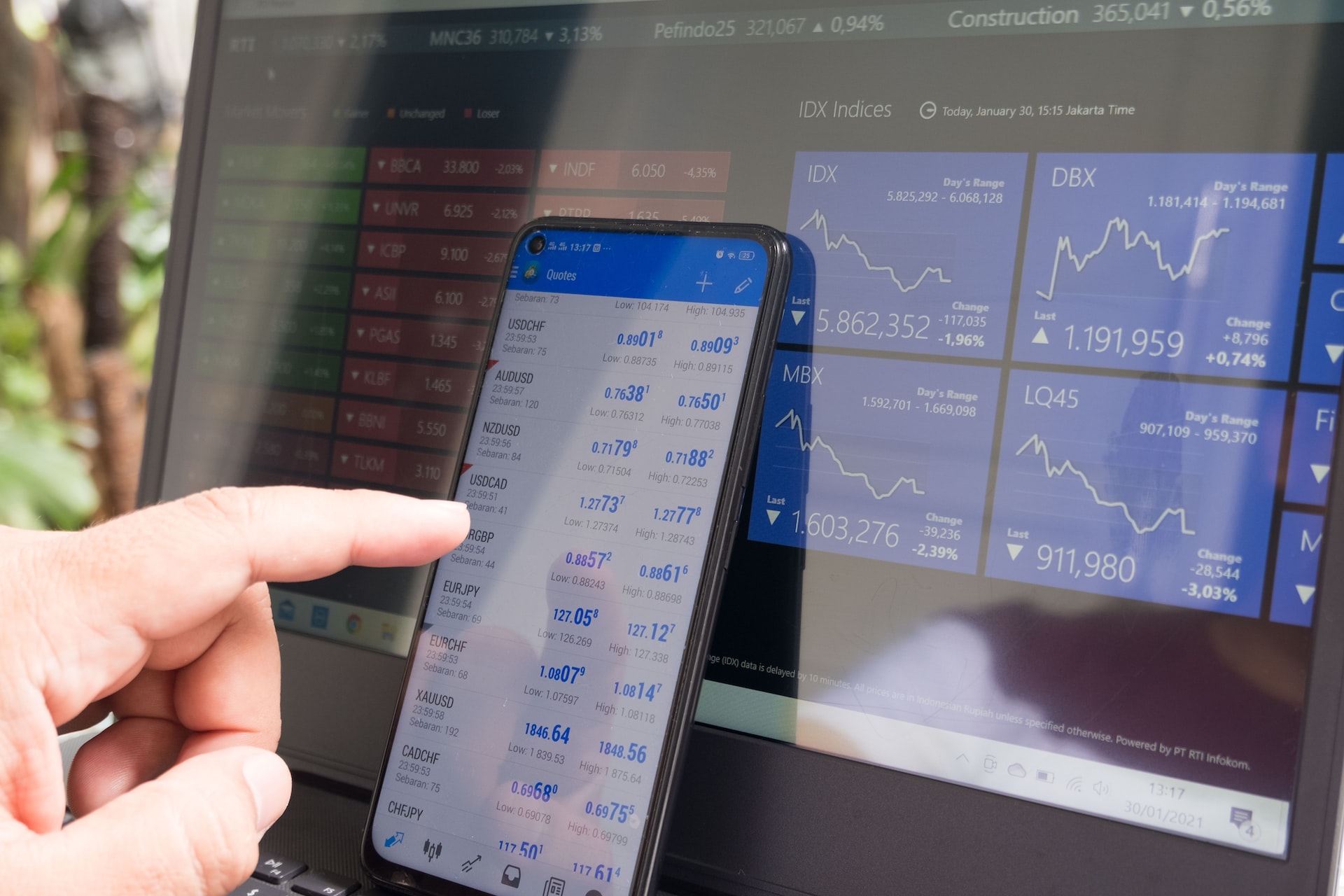
How Beginners Can Get Started With Trading

People start trading stocks for a variety of reasons such as caring about a company’s future and wanting to make money. Trading is often fun and challenging, too. It can be very accessible to beginners. You can get started with virtually no knowledge or experience.

Choose Your Brokers Wisely

Brokers are the companies you do your trading through. Usually, you do the trading online via the company’s website or app. Not all brokers are available in all countries or regions, but common broker examples are Fidelity, Merrill Edge, and Webull.

There is no best trading site for everyone because people have varying preferences and requirements. When you’re new to trading, though, look for brokers that focus on being helpful and accessible to beginners. You can take the following approaches.

  • Read online reviews from a variety of sources. Check to see whether the brokers you are considering have been involved in legal matters and limited their customers’ options. Is the service reliable, or do the brokers tend to be down for maintenance often, meaning you cannot make trades?
  • Research whether the broker charges fees, commissions, and the like. Some do, and some do not. Investigate why the ones you’re considering do or do not. For example, do they skip fees in exchange for more customer data?
  • Sign up for a few brokers and execute inexpensive, low-stakes trading on them to get a feel of how they operate and how easy they are to use. Alternatively, bypass actual trading at first and practice “paper” trading if the broker allows it. Paper trades are simulated trades in which you practice buying and selling but do not put real money at stake. Once you have a better grasp of the brokers and your needs, you can step up your engagement and focus on one or two brokers.

Understand Your Goals and Why You Are Investing

Are you investing primarily to make money? To make a job out of it? To support a company? To have a little bit of fun or build a nest egg? It’s critical to pin down the whys of you desire to trade before you actually get started.

If you are like many people, you might not have a goal other than being somewhat curious and wanting to learn more. That’s fine! In these cases, experts recommend starting with small dollar-amount trades only or small, set contributions per month to a mutual fund or ETF. Don’t risk losing a lot of money over something you know a little about and that is basically a hobby.

When considering your goals and ambitions, a few factors are essential. They include your income, budget, other types of investments you have such as real estate, your risk tolerance, and your family’s buy-in. Trading can net you a lot of money, but it can also lose you a lot.

Also, learn about the tax implications of investing. They vary depending on your country’s laws.

Focus On One Area

Many brokers let you trade cryptocurrency, stocks, ETFs, mutual funds, and other assets. You can learn about them all if you want, but some beginners prefer to learn more about one area in particular.

You would not trade crypto the same way you would stocks. The crypto markets are open 24/7, for example. Stocks are listed on different exchanges in different countries. You can trade them during their applicable market hours and sometimes aftermarket hours, depending on the broker.

Experts recommend that newbies don’t spread themselves thin by investing in everything at once. Pick one area, maybe two, to start small in. You can get experience in the other areas via paper trading or continuing to learn about them.

Online communities such as Reddit and Quora can be valuable places to learn about the different types of trading. Ebooks, blogs, and financial websites offer useful information, too.

Build in Restraint

Gambling can be addictive, and investing has much in common with gambling. If you do not make an advance plan for restraint, you might lose money fast. You can restrict yourself to only a set amount of dollars per month or limit yourself to once-weekly or once-monthly automatic bank transfers.

Try to follow this rule of thumb: Never invest more than you can afford to lose.

Try Not to Get Overengaged

The markets fluctuate. If you panic, you could lose a lot of money just to see your stock rise the next day. If you’d held, you would have made money.

Conversely, some stocks keep falling and just keep falling over the months or years. You may feel like you’re holding onto bad money with your losses just getting steeper.

It’s easy to keep your eyes glued to your phone or computer screen to track the stock and crypto tickers. This type of overengagement, though, tends to be detrimental.

Check stocks once or twice a day, if that. Some investors prefer to check once a week or month or even less frequently. How often you check depends on your goals, a section mentioned earlier. Day traders, obviously, must check practically all of the time during market hours.

Although trading can seem complicated, it is pretty accessible to beginners. The trick is to start small with a minimal investment. As you learn more, you can change your goals and expand your ambitions if you want. Regardless, never invest more than you can afford to lose.

6 Tips for Preparing for a Road Trip

Road trips are a great way to travel and experience the scenery and tourist attractions along the way. You can spend time with the people you love and explore new and exciting places. While road trips are full of fun and adventure, unexpected car problems and emergencies shouldn’t be part of the excitement. If you’re traveling by car, there’s always a chance that you’ll have to deal with some kind of roadside emergency. From a flat tire to Automotive lockouts Colorado Springs, anything can happen when you’re on the open road.

But that doesn’t mean your fun has to be ruined. Good preparation can help you to deal with any problems quickly and get back on the road without a hitch if something goes wrong.

How can you be prepared for whatever might go wrong? Here are a few tips to keep in mind.

1. Get a tune-up, oil change, and any other routine maintenance done.

Before you hit the road, it’s a good idea to make sure your car is in optimal condition. If you’ve been neglecting routine maintenance, now is the time to get everything done. Take your car in for a tune-up to ensure that your engine is in perfect working order. Get your oil changed and check your fluids to make sure everything’s good to go. If your tires are worn out or one of your lights is going out, change them before you leave for your trip. The best way to prevent any roadside emergencies is by properly maintaining your car and making sure it’s in good condition.

2. Buy or make a roadside emergency kit.

If you face an emergency on the road, you’ll likely need tools and supplies to deal with it. Roadside emergency kits contain everything you’ll need. You can buy one or get the supplies and make one yourself. Make sure to include a basic set of tools, jumper cables, a spare tire, and some road flares or reflectors. In case of medical emergencies, be sure to pack a first aid kit as well. You should also always bring plenty of food and drinking water for everyone you’re traveling with and car chargers, in case you get stranded somewhere. Warm clothes, blankets, and a shovel are useful if you’re traveling in the cold or snow.

3. Learn basic skills, like how to change a tire.

Learning a few skills can help you out in an emergency. One essential skill for anyone who’s taking a road trip is learning how to change a tire. If you’re faced with a flat in the middle of nowhere, you’ll know exactly what to do and won’t have to pay for an expensive tow. It’s also always a good idea to know some basic first aid skills, in case of a medical emergency or accident. Taking the time to learn a few things before your trip can help everything to go smoothly.

4. Keep important phone numbers handy.

While you might think that you can google any phone numbers you might need, you never know when you’ll be out of battery or without internet service. Write down the number of your insurance, tow companies along your route, emergency contacts, and any other important phone numbers you could need.

5. Plan your gas station stops.

The last thing you want to happen on your road trip is to be stuck in the middle of nowhere without gas. To avoid running out of gas in a dry stretch, plan your fill-up stops ahead of time. Take a look at a map and where all the gas stations are along your route, and decide where you’ll stop along the way to fill up. Don’t wait too long if you’re running low. Keep your tank at least half full at all times if possible.

6. Practice safe driving at all times.

Safe road habits will help you to avoid unwanted accidents and emergencies. Be sure you’re up to date on all of the laws for the areas you’ll be driving through. Plan out stops along the way so that you can take breaks and rest. Be careful of truck drivers and any vehicles that appear to be driving unsafely. Don’t drive if you’re too tired or feel like falling asleep. If possible, bring along a companion who can share the responsibility of driving. Don’t speed or drive too fast – it’s both dangerous and takes the fun out of seeing the sights along the way.

If you’re planning on taking a road trip, you won’t be disappointed by the amazing sights and adventures. But make sure to prepare ahead of time and be safe. There’s always a chance that things won’t go as planned and you might run into a problem along the way. But if you follow these tips, you’ll be better prepared to handle any roadside emergency.

From Frilly to Flirty: Prom Dress Trends Over the Last Three Decades

When it’s time to start thinking about what you’re going to wear for prom, there is a lot to take into consideration. If you’re like most people, you’ll want to find a dress that is both stylish and on trend. But where do you start? With so many different fashion trends over recent decades, it can be hard to know which style is right for you. But looking back can be super inspiring too. Here’s a closer look at the prom dress trends over the last three decades to help you choose the perfect look for your big night!

Proms, or promenades, have been around for centuries. In the 19th century, students from private schools and academies would mark the end of the academic year with a social gathering called a “prom.” As these events evolved, so did the dress codes associated with them. By the early 20th century, proms had become a full-blown pop culture event, with young people embracing a dress code of tuxedos and long gowns.

Nowadays, prom attire tends to follow wider trends in the world, from the latest fashions to wider global events. So if you’re looking for a prom dress, what do you need to know about the trends from the last three decades?

1990s: The Birth of the Sexy Prom Dress

The 1990s marked a major shift in prom style, with young people opting for more daring and sexy looks. These dresses featured plunging necklines, thigh-high slits, and off-the-shoulder silhouettes. Bold colors and prints such as animal print, metallic fabrics, and sequins were popular too. This was the decade of the supermodel, and many teens wanted to channel their catwalk idols on their prom night.

Fashion more broadly in the 1990s was characterized by minimalism, and this was reflected in prom dresses. Sleek lines, low backs, and body-hugging silhouettes were all popular. The year 1997 was the heyday of the slip dress, which many young women incorporated into their prom looks.

Other key fashion moments in the 1990s include the rise of the platform shoe, which many prom-goers embraced to add height and drama to their looks.

2000s: Frilly Femininity

The early 2000s saw a move away from the more body-conscious looks of the 1990s, with young women opting for princess-style full-length dresses. These dresses were often heavily embellished with frills, bows, and lace. Popular colors included pastels such as baby pink and sky blue, as well as jewel tones such as deep purples and greens.

The 2000s also saw the rise of vintage-style prom dresses. These often featured high-low hemlines (dresses that are shorter at the front and longer at the back). Strapless dresses were still popular, and they were often paired with statement jewelry and chunky platforms.

The wider fashion scene in the 2000s also embraced more relaxed and bohemian styles. This was reflected in some of the prom dresses of the era, with teens opting for floral-print maxi dresses or even daytime looks such as denim skirts paired with embellished camisoles.

Key fashion accessories in the 2000s included headbands, statement belts, and chunky jewelry. Some people boldly incorporated these types of accessories into their prom dress style too.

2010s: A Return to Glamour

The 2010s saw a move away from the more relaxed looks of the 2000s, with young people embracing a more glamorous and sophisticated style. Prom dresses embraced body-con silhouettes, with an emphasis on enhancing curves. Structured fabrics such as satin and taffeta were popular, as well as luxe velvet.

Bright colors and metallic fabrics were popular, as well as sequin detailing. Embellishments such as feathers and fringe also added a touch of glamour.

The wider fashion scene in the 2010s embraced trends such as athleisure and streetwear, which some people incorporated into their prom looks. Off-the-shoulder and cold-shoulder dresses were popular, as well as two-piece sets with crop tops and skirts.

Other key fashion accessories in the 2010s included statement earrings and colorful clutches. These were often paired with strappy sandals or even sneakers.

Where Are We Now? Prom Dresses in the 2020s

The 2020s have already seen a move towards more sustainable fashion, with many young people opting for vintage and second-hand prom dresses. This is a great way to make a statement on your special night, and also to reduce waste.

The last twelve months have seen an emphasis on comfort, with teens opting for more casual-style prom looks. Flowy dresses and jumpsuits are popular, as well as separates such as crop tops and midi skirts.

Bright colors and bold prints are still popular, as well as luxe fabrics such as velvet and sequins. Statement accessories can still be incorporated into these looks, such as chunky jewelry and bold-colored shoes.

Overall, prom dress trends in the 2020s are more about having fun and expressing yourself than ever before. The key is to find something that makes you feel confident and beautiful on your special night.

Prom fashion has gone through many changes over the past three decades, with young people embracing bolder and more daring looks. Whether you prefer the sexy style of the 1990s, the glamour of the 2000s, the relaxed style of the 2010s, or something totally unique in the 2020s – there’s a prom dress style out there for everyone. What will your prom look be?

4 Simple Steps to Create a Successful App to Boost Your Profits

Every good business starts with a great idea, and many are creating an app that can complement their products or services. There are thousands of new applications released every year, with fierce competition. But if you have a good concept and a good team, you can create an amazing app for your business. A successful app can help you get more customers and increase your engagement, helping you boost your profits and grow your business.

For example, if you have a health coaching business, you could create an app for your clients to download that includes customized motivational videos and health plans. The possibilities are endless, but planning and research is the hardest part. Once the brainstorming stage is complete, you can start working on a plan to get your app in the store. Here are four simple steps to get you started.

Outline Your App Idea

If you already have a business, deciding on an app idea will probably be a lot easier. Your app can coordinate with the products and services you offer. But the first step is to get clear on what you want your app to do.

If you don’t currently have a business but have a good idea for an app, you should analyze your idea and write down every detail. Think about what makes your app unique, how it can help your clients or customers, and what features it will have. What problem are you trying to solve? Who will benefit most from using the app?

Asking the right questions will help you clearly define the purpose of your application. If you’re a digital creator, you may want to develop an app that connects clients with digital creators for their digital marketing needs. The app could streamline the consultation process along with project approvals and requesting revisions. Once this step is complete, it will make the rest of the process much easier.

Study the Market

After you have your idea, it’s time to study the market. There are millions of apps in the Apple and Google stores. Studying the existing applications will help you finetune the details of your idea. The competitors in your niche are a great place to start.

You can even take inventory of the apps you’ve downloaded within the last year. What do you like about them? How can you make the functionality better? What irritates you most about certain apps? The answers to these questions can have you well on your way to designing an incredible app for your target audience. You can download apps similar to your app idea and study their strengths and weaknesses.

If you already have a business in a certain industry and your top competitor does not have an app, you can be the first to offer one that will keep your customers engaged with your brand and put you ahead of the rest.

Create the Design

Once you have a good idea of what the market is offering, you can start to create the design based on your findings. There are several options you can use to create your app design. You can work with a developer or use a no-code app builder.

You should be able to describe the purpose of your app to a developer in 30 seconds or less, similar to an elevator pitch. Creating the design will be easier on you and the team if everyone fully understands the goal you’re trying to achieve. During this process, you will dive deep into the application’s functionality, style, and features.

Test User Experience

Once the design is complete, it’s time to test the app’s functions. User Experience (UX) is essential to building an app that your customers will love using. You or your developer can work with a company like ForAllSecure to build and test features based on feedback from test users. UX design focuses on your user’s specific pain points, desires, and usability.

Some things that lead to a bad experience are slow loading times, bugs in the system, and confusing functionality. Testing the design and functions before launching can save valuable time. You can use test automation or choose a test technician to try out the features and write a report with suggestions for improvement. Once your app has been stress tested, it’s ready to put in the app store and market to your customers.

Final Thoughts

Entrepreneurs are constantly looking for ways to grow and expand their businesses. If you currently have a business, you can boost your profits and improve engagement by creating your own app. The most successful applications start with a great concept and provide a solution to a problem. If you have a good idea for an app or a business that can benefit from one, there are some simple steps you can take. You should start by clearly outlining your app idea and then doing market research. Once you know what you want, you can create the design and test its functionality before putting it on the market. You have something great to offer your customers, and there’s definitely an app for that.

4 Stellar Ways to Improve Your Overall Appearance and Look Professional

Your appearance plays a significant role in your daily life. It can impact your self-esteem and confidence, influencing how others perceive and treat you. Sometimes people judge others based on their appearance before getting to know them. But improving your appearance can boost your self-confidence, helping you take control of how people view you in your personal and professional life.

In the professional world, appearances can also significantly impact your career success. A well-groomed and professional look can create good first impressions and help establish credibility in the workplace. On the other hand, a sloppy appearance can distract others from your unique skill set and hinder your career growth. You are the first person you should seek to impress with your appearance because others can tell when you don’t like your look.

It’s essential to focus on building inner confidence and being comfortable in your own skin, while also being mindful of how you present yourself to the world. Here are four things within your control that you can do to improve your overall appearance and look more professional.

Develop a Skincare Routine

Skincare has a major impact on your appearance, being one of the first things others notice about you. A consistent and effective skincare routine can help you maintain healthy, glowing skin that looks youthful and radiant. Proper skin care can help prevent or treat common skin issues like acne, wrinkles, and dark spots, that can distract others from listening to what you have to say.

Good skin care can improve skin texture and tone, giving the skin a more even and luminous appearance. Hydrating and moisturizing the skin can also help reduce the appearance of fine lines and wrinkles, giving it a more youthful appearance.

Define Your Style

Defining your professional style is important for creating a positive and memorable impression in the workplace and your personal life. If you want to look more professional, consider the type of work you do and your industry when defining your professional style. A creative person in the fashion industry may have a more liberal style than someone in a traditional corporate setting.

To develop your personal and professional style, consider the image you want to convey to others. What are your values, strengths, and personality traits? Your professional style should reflect your personal brand and help communicate who you are. You can enhance your style by investing in a few quality pieces that can be dressed up or down, depending on the occasion.

A well-tailored blazer, a classic dress, and comfortable, polished shoes are some essentials that can help you create a professional look. You can also try experimenting with different styles to see what works best. Pay attention to what makes you feel confident and comfortable, and what makes other people respond positively.

Improve Dental Care

A genuine smile can light up your face and make you look more attractive, confident, and trustworthy. Smiling can also positively impact your mood and can help reduce stress and anxiety. It’s a non-verbal way of communicating emotions and can improve interpersonal relationships. One of the reasons people might be hesitant to smile is poor dental hygiene.

If you’re self-conscious about your teeth, you might be surprised how well advanced dental care can improve your smile. Aside from improving your appearance, dental care is essential for maintaining good oral health and overall well-being. Neglecting dental hygiene can lead to problems like cavities, gum disease, and bad breath. Poor oral health can also ruin your self-esteem and confidence. Regular dental check-ups and cleanings can help prevent these problems and ensure issues get early treatment.

Good dental care habits, such as brushing and flossing daily and avoiding sugary foods and drinks, can also go a long way in maintaining healthy teeth and gums. No matter how your teeth look, you can improve them by getting dental implants, braces, or bridges. You can also use many different methods to whiten your teeth so you can smile confidently, giving your appearance an instant boost.

Improve Your Health and Fitness

Health and fitness also play a significant role in your appearance. Regular exercise and a healthy diet can improve physical appearance by maintaining or improving muscle tone, reducing excess body fat, and promoting a healthy complexion. Being physically fit can also positively impact one’s posture, confidence, and overall energy levels, all of which contribute to an attractive appearance.

On the other hand, a sedentary lifestyle and unhealthy eating habits can lead to weight gain, skin problems, and decreased energy levels, which can negatively impact appearance. Good health can lead to improved focus and increased physical and mental stamina, all of which are essential for performing well in the workplace. A healthy lifestyle also promotes good sleep habits, which can improve alertness and productivity.

Final Thoughts

Your overall appearance says a lot about who you are, including your personality and style. Improving your appearance can help build confidence, helping you perform better in your career.

You should work on your physical appearance by sticking to a good skincare routine, defining your style, improving dental care, and promoting good health and fitness. As you start to build better self-esteem while working on your appearance, you will experience more positive outcomes in your personal and professional life.

How to Choose the Best Camera – A Complete Guide

Are you in the market for a new camera for headshot photography but you’re feeling overwhelmed by all the options available? With so many different types, features, and specifications to consider, it can be tough to know where to start. That’s why we’ve created this comprehensive guide on how to choose the best camera.

Our goal is to take you from feeling lost in a sea of cameras, to feeling confident and excited about your next purchase. We’ll start by explaining the importance of choosing the right camera and what factors you should consider when making your decision.

First off, it’s essential to understand the different types of cameras that are available. There’s the classic point-and-shoot, the compact mirrorless, and the more professional DSLR. Each type has its own pros and cons, so we’ll help you identify what kind of photographer you are and what type of camera would best suit your needs.

But before we dive into camera types, let’s take a moment to talk about why choosing the right camera is so important. Having the right camera can take your photography to the next level, whether you’re an amateur or professional photographer. With the right camera, you’ll be able to capture images that are more vivid, clear, and true to life.

So, are you ready to learn everything you need to know about choosing the best camera for you? Let’s get started!

Understanding Camera Types

When it comes to choosing a camera, the first decision you’ll need to make is what type of camera you want. Three main types of cameras are available: point-and-shoot, mirrorless, and DSLR.

Point and Shoot Cameras are compact, easy to use, and ideal for those who want to capture memories without having to worry about complicated settings. They’re small enough to fit in your pocket and often come with features like automatic mode, image stabilization, and built-in zoom lenses.

Mirrorless Cameras are a step up from point-and-shoot, offering more advanced features and greater control over your images. They’re smaller and lighter than DSLRs, making them a great choice for those who want the benefits of a DSLR but don’t want to lug around a heavy camera.

DSLRs (Digital Single Lens Reflex) Cameras are the professional’s choice, offering a wide range of manual controls and interchangeable lenses. They’re larger and heavier than mirrorless cameras, but they deliver stunning image quality and versatility.

So, which type of camera is right for you? It all comes down to your needs and how you want to use your camera. If you’re an amateur photographer who just wants to capture memories, a point-and-shoot camera might be the best option for you. A mirrorless or DSLR camera is probably the way to go if you’re a more serious photographer looking to take your skills to the next level.

It’s important to keep in mind that each type of camera has its own pros and cons. Point-and-shoot cameras are great for ease of use, but they can be limited in terms of image quality and manual control. Mirrorless cameras offer greater control, but they can be more expensive than point-and-shoot cameras. DSLRs offer the ultimate image quality and control, but they can be heavy and complex.

When choosing your camera, it’s important to think about what you want to use it for and what kind of photographer you want to be. With this in mind, you’ll be able to make an informed decision and choose the best camera for you.

The Most Important Camera Specs

Now that you have a better understanding of the different types of cameras available, it’s time to start looking at the specific specs and features that each camera offers. In this section, we’ll go over the key specifications you should be aware of when choosing your camera.

  • Megapixels: The number of megapixels a camera has refers to the number of pixels that make up each image it captures. The more pixels a camera has, the higher the resolution of the image and the more detail it will be able to capture.
  • ISO Range: ISO refers to the sensitivity of your camera’s sensor to light. A higher ISO means your camera will be able to capture images in low-light conditions without using a flash. A camera with a wide ISO range is ideal for those who want to take pictures in various lighting conditions.
  • Autofocus System: The autofocus system determines how quickly and accurately your camera can focus on a subject. A good autofocus system is essential for fast-paced action and for taking photos of moving subjects.
  • Aperture and Shutter Speed: Aperture refers to the size of the opening in the lens through which light enters the camera. Shutter speed refers to the amount of time the camera’s sensor is exposed to light. Together, the aperture and shutter speed control the amount of light that enters the camera and the depth of field in your photos.
  • Image Stabilization: Image stabilization helps to reduce camera shake, making it easier to take clear, blur-free photos. This is particularly useful when taking photos in low light or when using a slow shutter speed.
  • Video Capabilities: More and more photographers are looking to capture video in addition to still photos. If video is important to you, ensure the camera you choose has good video capabilities, including high frame rates and 4K resolution.

By understanding these key specs, you’ll be able to compare cameras and choose the one that offers the features and capabilities that are most important to you. Keep in mind that there are many other specs and features to consider, so make sure you research before making a final decision.

Budget and Other Considerations

Now that you have a better understanding of the different types of cameras and the key specs to look for, it’s time to consider your budget. Cameras can range in price from a few hundred dollars to several thousand dollars, so it’s important to determine how much you’re willing to spend before you start shopping.

When setting your budget, keep in mind that more expensive cameras generally offer better image quality and more advanced features. However, you can still get a great camera at a more affordable price, especially if you’re willing to compromise on some of the more advanced features.

In addition to your budget, there are a few other things you’ll want to consider when choosing your camera, including:

  • Size and weight: If you plan to take your camera with you everywhere you go, consider the size and weight of the camera you choose. A smaller, lighter camera will be easier to carry around, but it may have fewer features or lower image quality than a larger, heavier camera.
  • Lenses: If you’re choosing a mirrorless or DSLR camera, make sure you consider the cost and availability of lenses. The cost of lenses can quickly add up, so make sure you factor this into your budget when making your decision.
  • User-friendliness: Some cameras are more user-friendly than others, so consider your level of technical expertise when making your choice. A camera that’s easy to use will allow you to focus on capturing great photos, rather than struggling with complicated settings.
  • Brand and customer support: Consider the brand and customer support options when choosing your camera. A well-known brand with a good reputation for customer service can be a good choice, as they’re more likely to provide the support you need if you run into any issues with your camera.

By keeping these factors in mind, you’ll be able to make an informed decision and choose the best camera for you. With a little bit of research and careful consideration, you’ll be well on your way to capturing amazing photos and creating lasting memories.

Understanding Lenses

In addition to choosing the right camera, it’s important to choose the right lens. The lens you use will greatly impact the quality of the images you capture, so it’s important to choose wisely.

First, consider the type of photography you plan to do. Different lenses are designed for different types of photography, such as portraits, landscapes, sports, and macro photography.

For example, a wide-angle lens is great for landscapes and architecture, while a telephoto lens is ideal for sports and wildlife photography. A portrait lens is perfect for capturing portraits, as it produces a shallow depth of field that helps to isolate the subject and make them stand out.

Next, consider the aperture of the lens. Aperture refers to the size of the opening in the lens through which light enters the camera. A lens with a wide aperture (such as f/1.8 or f/2.8) will let in more light, making it easier to take photos in low-light conditions. A lens with a narrow aperture (such as f/5.6 or f/8) is better for taking photos in bright light.

Finally, consider the focal length of the lens. Focal length refers to the distance between the lens and the camera’s sensor, which determines the subject’s magnification. A short focal length (such as 18mm or 24mm) is suitable for wide-angle shots, while a long focal length (such as 70mm or 200mm) is ideal for telephoto shots.

Remember that more expensive lenses generally offer better image quality and more advanced features when choosing lenses. However, you can still get great results with more affordable lenses, especially if you’re willing to compromise on some of the more advanced features.

In conclusion, choosing the right lens is just as important as choosing the right camera. By considering the type of photography you plan to do, the aperture of the lens, and the focal length, you’ll be able to choose the right lens to help you capture amazing photos.

Tips for Hosting an Amazing Party Your Guests Will Love

Are you planning on hosting a party soon? If so, you will want to make sure that it is one that your guests will love! There are many things that you can do to make sure of this, and here are 10 to help get you started. Follow these tips and your guests will be raving about the party for weeks afterwards!

Hosting a party in your home can be an incredible experience. But it also comes with a bit of pressure to make it memorable and fun for everyone. So how do you ensure you host a party that truly delivers? These tips will help your party really stand out.

1. Prepare Your Home

Make sure to tidy up and organize your home before the party starts, so you don’t have to worry about it later. Put away any items that you don’t want your guests to see, such as personal documents. You’ll also want to create a number of clear spaces that can accommodate all the guests you’re inviting, without it being too much of a squeeze.

2. Make Your Home Look Amazing

Once you’ve cleared a little space in your home, it’s time to make it look incredible. This is something that will help your party go down really well with all the guests. Set up some decorations and keep things looking stylish. If you’ll be using your yard or outside space, invest in some landscape lighting with the help of an outdoor lighting company. You can even go for a particular theme if you want to make the party look unique.

3. Set the Mood with Music

Choose music that your guests will love and make sure to keep it at a nice volume. You don’t want too much noise that would make conversation difficult, but you also don’t want too little that everyone feels like they’re sitting in a library. Pick music that will get people into the groove and set the tone for the night.

4. Make Sure The Drinks Are Flowing

No one wants to be at a party where they can’t get a drink! Make sure you have plenty of alcoholic and non-alcoholic beverages available. If you’re inviting a lot of people, you can even consider hiring professional bartending services. This is a great way to make sure everyone gets their drinks quickly and safely, without causing crowds of people in the kitchen or by a drinks table.

5. Serve Delicious Food

Food is a great way to make your guests feel welcome, so make sure you serve up some delicious treats. Choose food that is easy to snack on and won’t take too long to prepare, so you don’t have to worry about it during the party. Finger foods and inventive appetizers are a great option and bring a touch of class to the event.

6. Have Fun Activities on Hand

Games are a great way to keep your guests entertained and engaged. Try setting up a pool table, foosball table, or air hockey table. You can even consider having some karaoke or dancing if your guests are feeling adventurous. Garden games are a great way to make use of your outdoor space too. You could hire in giant Jenga or life-size Snakes and Ladders.

7. Arrange a Photo Booth

A photo booth is a great way to capture all the fun moments at the party. You could either hire one or make your own with some fun props, a selfie stick and a tripod. Make sure to print out the photos at the end, so everyone can take them home with them.

8. Make Introductions

If you are expecting a lot of guests, then it’s a good idea to find ways to help them get to know each other. Come up with some ice-breakers or conversation starters and make sure everyone is comfortable with each other. Having some talking points such as local attractions, sports teams or the latest news will help break the ice.

9. Keep Everyone Comfortable

You want everyone to feel like they are welcome and respected at your party, so create an environment where everyone can feel comfortable. Don’t allow any inappropriate behavior and make sure to have an open-door policy, so guests can come and go as they please.

10. Thank Your Guests

At the end of the night, make sure to thank all of your guests for coming and show them how much you appreciate their presence. You can also send personalized thank-you messages or gifts to show your appreciation. A memorable party is a great way to stay connected with friends and family, so take the time to thank them for coming.

Follow these tips and you will be sure to host an amazing party that everyone is sure to enjoy! With the perfect combination of decorations, music, drinks and food, you can throw an event that your guests will never forget. Get creative and have fun with it – after all, that’s what parties are all about! Good luck and have a great time!