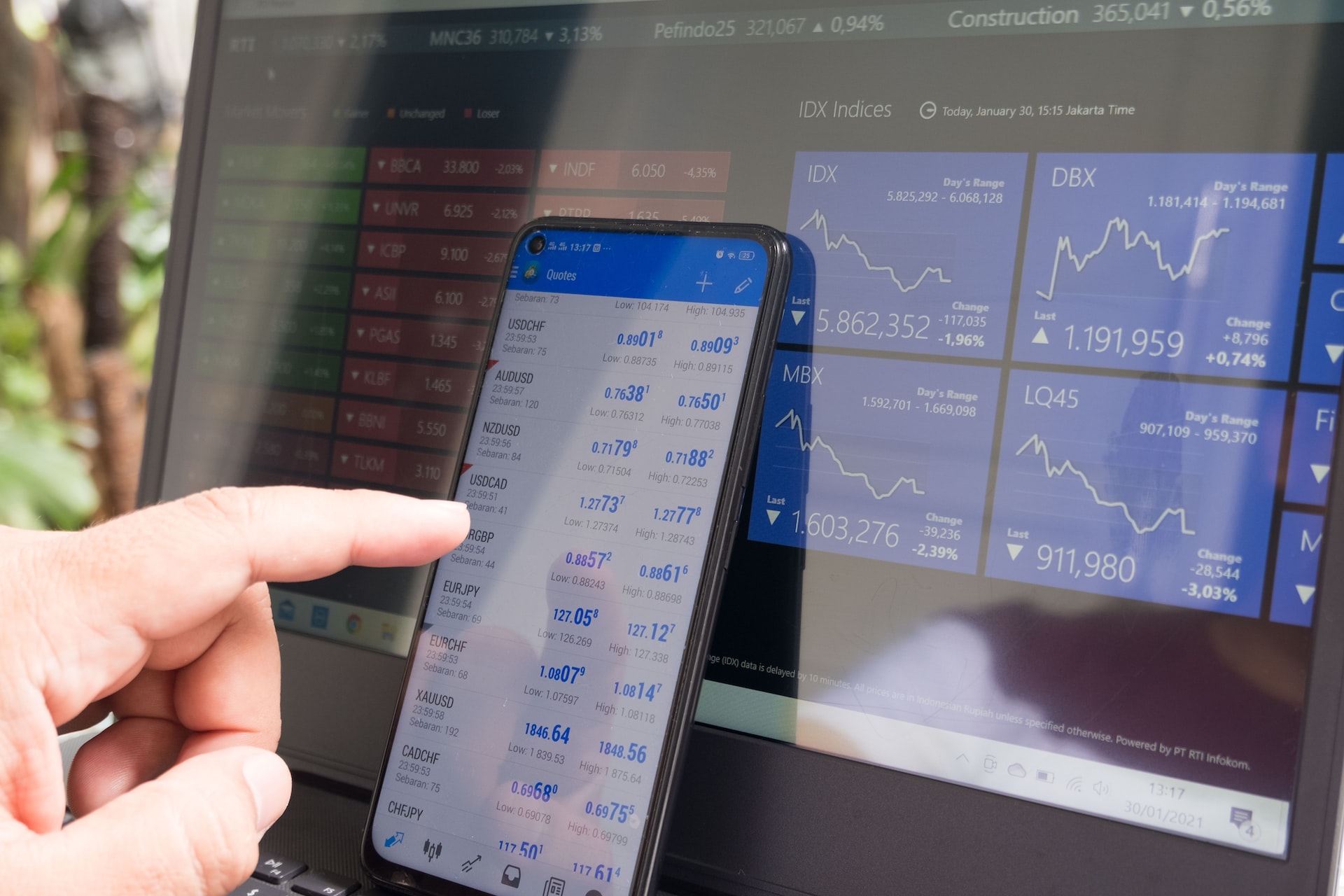
People start trading stocks for a variety of reasons such as caring about a company’s future and wanting to make money. Trading is often fun and challenging, too. It can be very accessible to beginners. You can get started with virtually no knowledge or experience.
Choose Your Brokers Wisely
Brokers are the companies you do your trading through. Usually, you do the trading online via the company’s website or app. Not all brokers are available in all countries or regions, but common broker examples are Fidelity, Merrill Edge, and Webull.
There is no best trading site for everyone because people have varying preferences and requirements. When you’re new to trading, though, look for brokers that focus on being helpful and accessible to beginners. You can take the following approaches.
- Read online reviews from a variety of sources. Check to see whether the brokers you are considering have been involved in legal matters and limited their customers’ options. Is the service reliable, or do the brokers tend to be down for maintenance often, meaning you cannot make trades?
- Research whether the broker charges fees, commissions, and the like. Some do, and some do not. Investigate why the ones you’re considering do or do not. For example, do they skip fees in exchange for more customer data?
- Sign up for a few brokers and execute inexpensive, low-stakes trading on them to get a feel of how they operate and how easy they are to use. Alternatively, bypass actual trading at first and practice “paper” trading if the broker allows it. Paper trades are simulated trades in which you practice buying and selling but do not put real money at stake. Once you have a better grasp of the brokers and your needs, you can step up your engagement and focus on one or two brokers.
Understand Your Goals and Why You Are Investing
Are you investing primarily to make money? To make a job out of it? To support a company? To have a little bit of fun or build a nest egg? It’s critical to pin down the whys of you desire to trade before you actually get started.
If you are like many people, you might not have a goal other than being somewhat curious and wanting to learn more. That’s fine! In these cases, experts recommend starting with small dollar-amount trades only or small, set contributions per month to a mutual fund or ETF. Don’t risk losing a lot of money over something you know a little about and that is basically a hobby.
When considering your goals and ambitions, a few factors are essential. They include your income, budget, other types of investments you have such as real estate, your risk tolerance, and your family’s buy-in. Trading can net you a lot of money, but it can also lose you a lot.
Also, learn about the tax implications of investing. They vary depending on your country’s laws.
Focus On One Area
Many brokers let you trade cryptocurrency, stocks, ETFs, mutual funds, and other assets. You can learn about them all if you want, but some beginners prefer to learn more about one area in particular.
You would not trade crypto the same way you would stocks. The crypto markets are open 24/7, for example. Stocks are listed on different exchanges in different countries. You can trade them during their applicable market hours and sometimes aftermarket hours, depending on the broker.
Experts recommend that newbies don’t spread themselves thin by investing in everything at once. Pick one area, maybe two, to start small in. You can get experience in the other areas via paper trading or continuing to learn about them.
Online communities such as Reddit and Quora can be valuable places to learn about the different types of trading. Ebooks, blogs, and financial websites offer useful information, too.
Build in Restraint
Gambling can be addictive, and investing has much in common with gambling. If you do not make an advance plan for restraint, you might lose money fast. You can restrict yourself to only a set amount of dollars per month or limit yourself to once-weekly or once-monthly automatic bank transfers.
Try to follow this rule of thumb: Never invest more than you can afford to lose.
Try Not to Get Overengaged
The markets fluctuate. If you panic, you could lose a lot of money just to see your stock rise the next day. If you’d held, you would have made money.
Conversely, some stocks keep falling and just keep falling over the months or years. You may feel like you’re holding onto bad money with your losses just getting steeper.
It’s easy to keep your eyes glued to your phone or computer screen to track the stock and crypto tickers. This type of overengagement, though, tends to be detrimental.
Check stocks once or twice a day, if that. Some investors prefer to check once a week or month or even less frequently. How often you check depends on your goals, a section mentioned earlier. Day traders, obviously, must check practically all of the time during market hours.
Although trading can seem complicated, it is pretty accessible to beginners. The trick is to start small with a minimal investment. As you learn more, you can change your goals and expand your ambitions if you want. Regardless, never invest more than you can afford to lose.