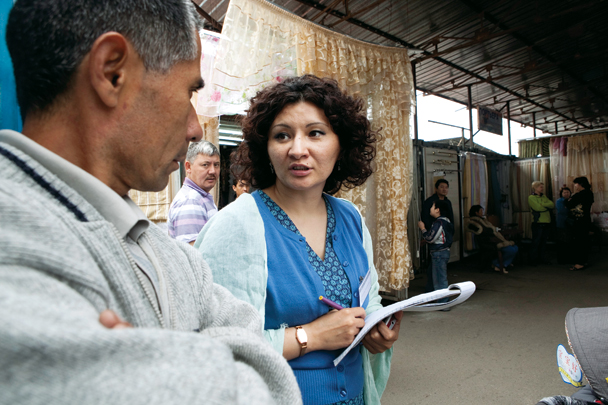
The four-year study is designed to determine socioeconomic, environmental, and genetic risk factors for transmission of Tuberculosis (TB) in three Kazakhstani oblasts: Almaty, Kostanay, and Kyzylorda. The study will involve multiple methods and components. A case-control study of TB-positive individuals is complemented by both a household cohort study and a genetic, family-based sub-study of risk determinants. In addition, genotyping of M.Tuberculosis strains and their susceptibility to anti-TB drugs will form the last component of the study. Data will be mapped in GIS to reveal the distribution of cases and strain types across the regions. Despite significant improvements in TB control in recent years, Kazakhstan still faces challenges including the emergence of multidrug-resistant strains. While incarcerated individuals in Kazakhstan’s penitentiary system, in particular, suffer from higher incidence and increased drug-resistance than those in the general population, the most salient risk factors for TB in Kazakhstan are undetermined at present.