The Alliance Graduate Summer School is an event organized by the Sustainable Development Doctoral Society of Columbia University. It began in 2012 as a student-led initiative to promote interdisciplinary exchange among graduate students working at the nexus of science and policy within Alliance institutions. The summer school connects world-class professors, industry experts, and graduate students through a mixture of guest speakers and workshops to foster the exchange of ideas, encourage intellectual discourse, and highlight cutting-edge research. This year’s theme is “Sustainable Futures: Integrating Science and Policy for Global Impact” and will occur on the 3rd-6th of June 2025 in Paris, France.
It will feature the following speakers:
- John Mutter, Columbia University
- Lily Xu, University of Oxford
- Anouch Missirian, Toulouse School of Economics
- Hélène Ollivier, Paris School of Economics
- Matthew Gordon, Paris School of Economics
- Caroline Flammer, Columbia University
- Florian Grosset-Touba, Polytechnic Institute of Paris
- Katrin Millock,Paris School of Economics
- Eugenie Dugoua, London School of Economics
- François Libois, Paris School of Economics
- Claire Palandri, University of Chicago
- Alessandra Giannini, École normale supérieure-Université Paris Sciences et Lettres
This year’s schedule can be seen below:
Scholarship Recipients
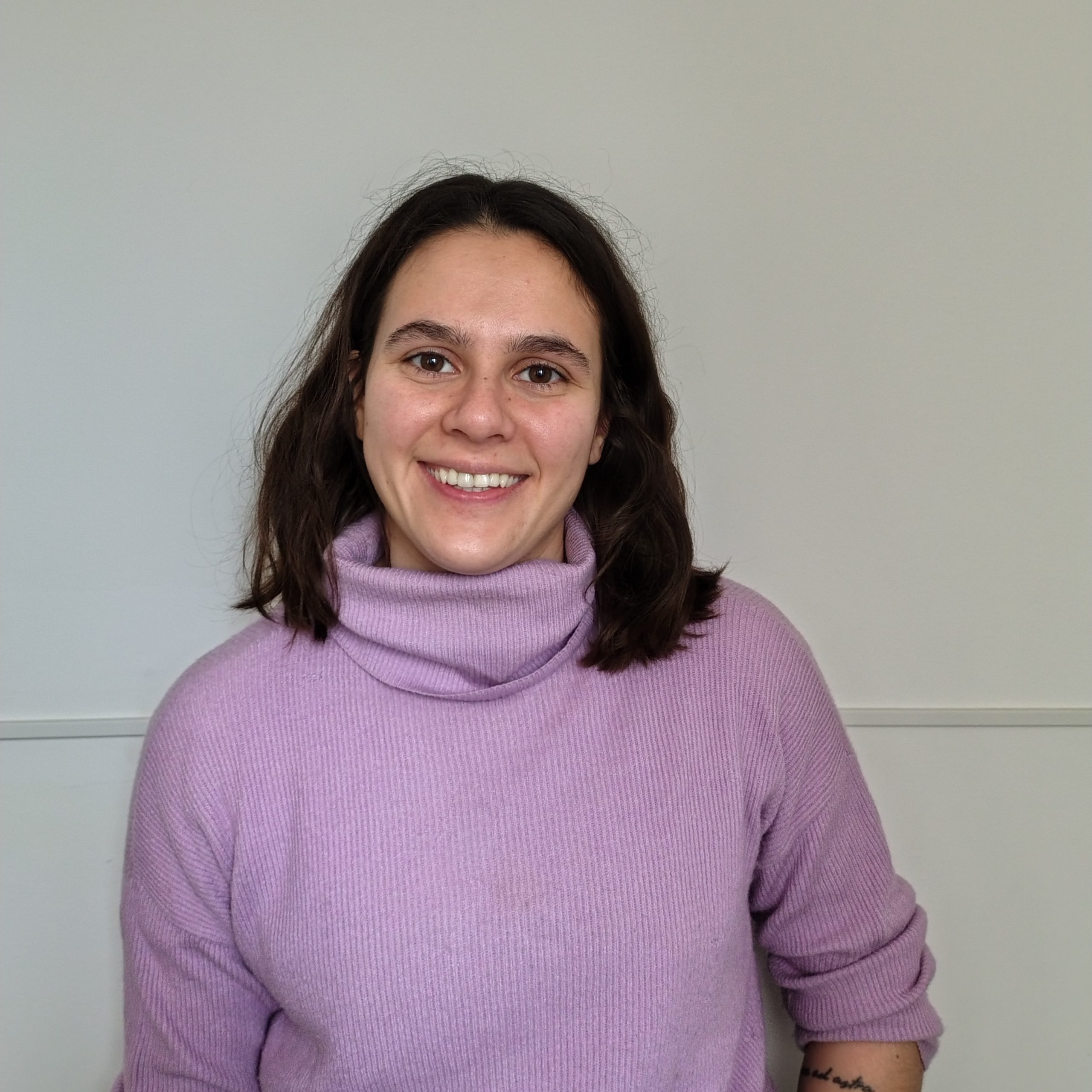
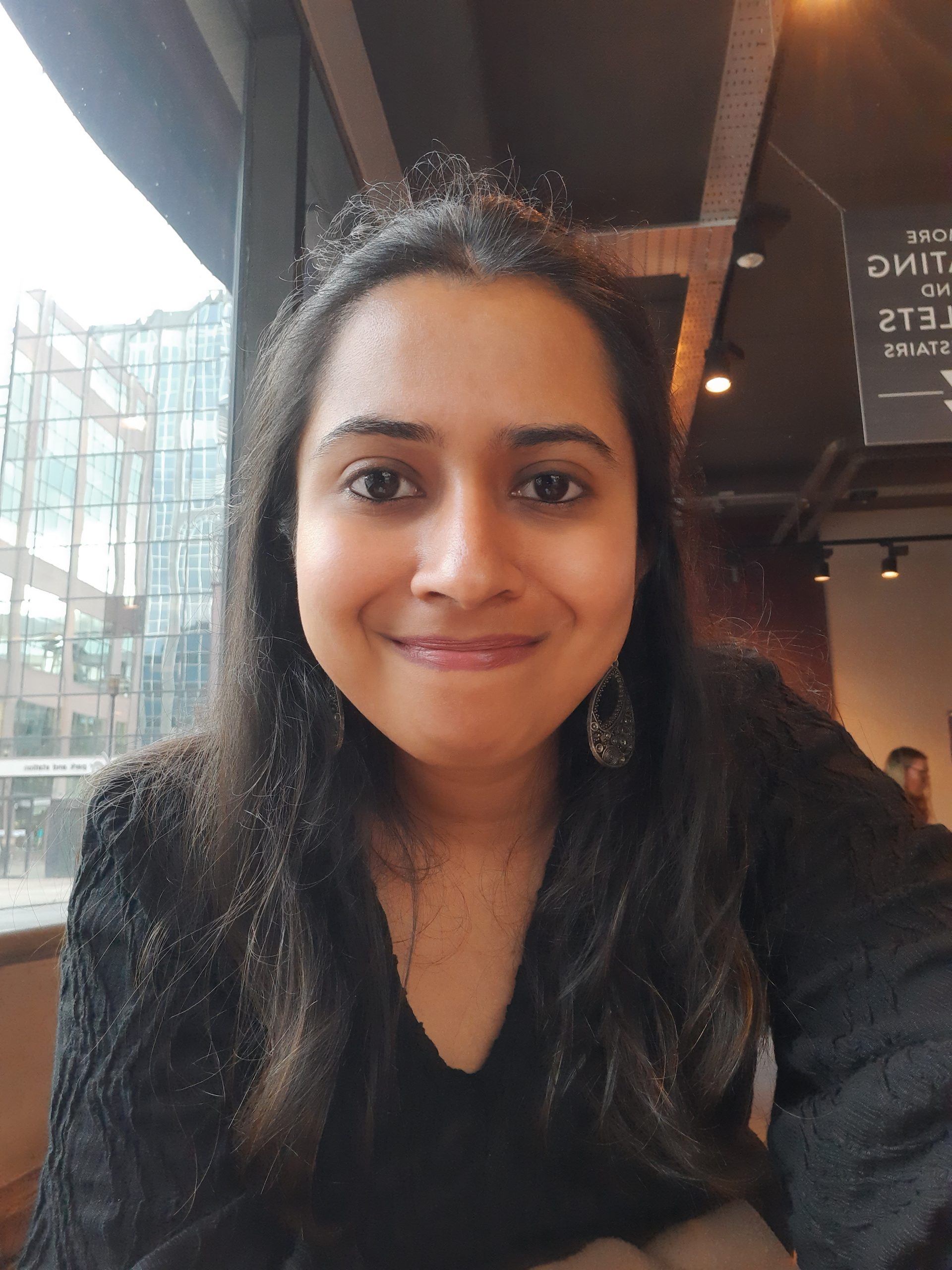
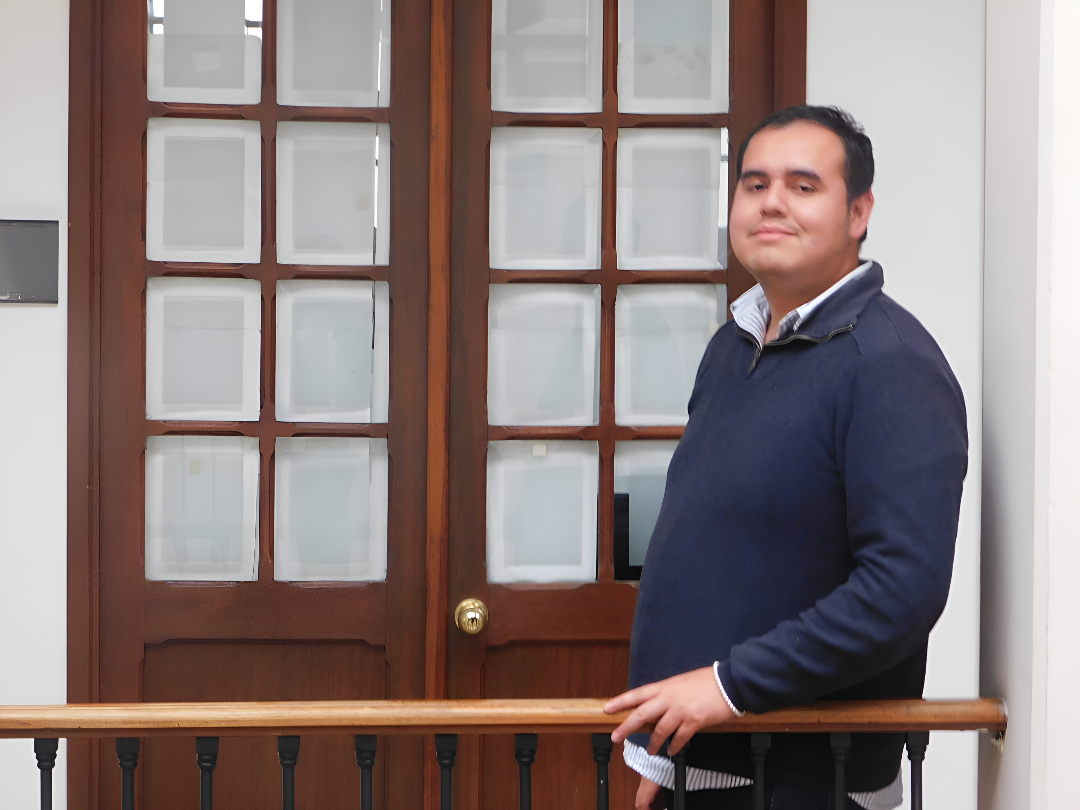
| Milena Poggiese | Manasa Sharma | Sebastián Ramírez |
| PhD Student in Economics at Universidad Nacional del Sur | PhD in Environmental Sciences at the University of East Anglia | PhD Student in Public Policy at Northeastern University |
 |
 |
 |
| Milena has an Economics background and is now pursuing her PhD in Economics at my alma mater, Universidad Nacional del Sur (Argentina). Her current research is focused on just transitions and energy poverty, and she aims to generate diagnostics for the Latin American region and serve as a guide for Public Policy. Milena is passionate about teaching, which she gets to do at the undergraduate level for the courses of Advanced Microeconomics and Public Finance at her university. Milena has taken part in technical teams serving the municipal policy in order to design policy actions locally, as well as participated as speaker in initiatives for science communication. | Manasa is a transdisciplinary environmental social scientist and PhD researcher in the Leverhulme Doctoral Scholars program on the Critical Decade for Climate Change, where she focuses on human-environmental policy interfaces for climate adaptation and resilience. Her current research combines climate analog and crop suitability modeling approaches to inform adaptation strategies for smallholder farmers in the Global South across spatial and temporal scales. This work aims to provide practical, location-specific guidance for agricultural communities facing climate uncertainties. Manasa is also collaborating with the International Institute for Applied Systems Analysis (IIASA), in Austria on social tipping points in adaptation and examining systemic risks emerging from the climate polycrisis. Her research affiliations include the Tyndall Centre, University of East Anglia (UEA), and Norwich Institute for Sustainable Development. Manasa’s policy work translates research findings into actionable frameworks, particularly in the Indian context. For example, she contributed to policy brief development addressing barriers to doubling farmers’ income in southern India. As a finalist in UEA Change Makers 2025, Manasa is building her social enterprise, TerraBite, which creates sustainable partnerships between farmers and the hospitality industry. Manasa’s fieldwork employs a blend of ethnographic methods and grounded theory approaches to capture the lived experiences of agricultural communities as they navigate climate challenges. Her previous work includes bird-climate change research at the Indian Institute of Science (IISc), building on her biotechnology master’s degree. Manasa is also passionate about science communication and education, having worked as a communicator and educator to engage children with environmental and scientific concepts. |
Sebastián Ramírez is a PhD student in Public Policy at Northeastern University with a background in Economics (M.Sc.) and Psychology (B.A.). His research lies at the intersection of education, gender, and climate change. He studies how climate shocks, such as droughts or floods, affect the educational trajectories of girls, early marriage decisions, and gender violence, particularly in settings where social norms and structural inequalities amplify gendered vulnerabilities. In parallel, his work in education explores how behavioral insights and institutional design can improve learning outcomes and teacher well-being in low-resource environments.
Sebastián has over seven years of experience conducting applied research with organizations such as the World Bank, the Inter-American Development Bank, and Princeton University. He combines experimental methods, impact evaluation, and qualitative approaches to understand how people make decisions in complex policy environments.
Currently, he is a summer data analyst with the Community to Community (C2C) initiative in Boston, supporting the use of data for local policy innovation. He is passionate about policy-relevant research that promotes climate resilience, gender equity, and inclusive development.
|
Our Sponsors
 |
 |
 |
 |
 |
 |
An event organized by the first-year students of the Sustainable Development PhD program.