ROIC, ROIIC, and Investor Misconceptions
I’ve been analyzing stocks for over a decade at my blog and I still see the same mistake everywhere: investors chasing growth like it’s some kind of guaranteed money printer.
Here’s what I’ve learned the hard way, which I write about regularly at gregoryblotnick.com—growth without the right returns will kill your portfolio faster than you can say “revenue beat.”
The Expensive Lesson Most Investors Learn Too Late
We’ve all been there. You see a company posting 30% revenue growth quarter after quarter, and you think you’ve found the next Amazon. Six months later, you’re staring at red numbers wondering what went wrong.
The problem? You fell for the growth trap.
Revenue growth means nothing if the company is lighting money on fire to get it. And trust me, plenty of companies are doing exactly that.
What Actually Matters: ROIC and Its Smarter Cousin, ROIIC
Let me break this down without the MBA jargon:
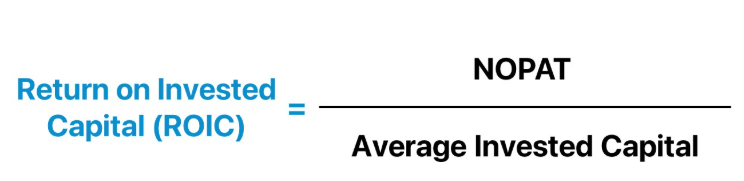
ROIC (Return on Invested Capital) tells you how good a company has been at turning money into profits. It’s like looking in the rearview mirror—useful, but not the whole story.
ROIIC (Return on Incremental Invested Capital) is where things get interesting. This measures how well a company invests new money. It’s forward-looking and, frankly, way more predictive of where the stock price is headed.
Think of it this way: if you gave a company $100 tomorrow, how much profit would they generate from it? That’s ROIIC in a nutshell.
The Smart Money Already Knows This
Two books changed how I think about valuation, and they should be on every serious investor’s shelf:
Expectations Investing by Michael Mauboussin doesn’t mess around. Mauboussin shows you how the market prices in expectations, not reality. His big insight? Most investors focus on the wrong metrics and miss where expectations are completely off base.
McKinsey’s Valuation book takes a different angle but reaches the same conclusion. Their framework is all about economic profit—the gap between what you earn and what that capital costs you.
Both sources hammer home the same point: growth only creates value when returns exceed the cost of capital. Everything else is just expensive theater.
Real Examples That’ll Make This Stick
Let me give you three companies that prove this point:
Walmart built an empire on this principle. For decades, they’ve generated returns on new investments that crush their cost of capital. Yeah, it’s retail with thin margins, but those incremental returns compounded into serious wealth for shareholders.
Target tells a more complicated story. Great brand, solid growth at times, but their capital allocation has been inconsistent. When ROIIC dropped, the stock struggled—even with decent revenue numbers.
Apple under Tim Cook is basically a masterclass in capital discipline. They don’t just grow—they grow efficiently. Every dollar reinvested generates impressive returns, which is why the stock keeps climbing despite the size.
The pattern is clear: companies that nail incremental returns tend to outperform, even when growth looks modest on paper.
Why ROIIC Predicts Stock Performance Better Than Most Metrics
Here’s something most retail investors don’t know: hedge funds and institutional managers increasingly use ROIIC as a leading indicator.
Unlike earnings per share (which can be manipulated) or revenue growth (which can be bought), ROIIC reveals the economic reality of a business. Companies with rising ROIIC tend to outperform, especially when the market hasn’t caught on yet.
I’ve seen this play out dozens of times, says Blotnick. A company reports “disappointing” growth, the stock gets hammered, but the ROIIC numbers tell a different story. Those are often the best opportunities.
How to Actually Use This Information
If you’re picking individual stocks:
- Stop chasing revenue growth alone
- Calculate ROIIC trends over 3-5 years
- Ask yourself: where is this company’s new capital going, and what returns are they getting?
If you’re running money professionally:
- Build ROIIC screens into your process
- Use Mauboussin’s expectation framework to find mispriced opportunities
- ROIIC works especially well for long/short strategies where you need to spot real alpha
The bottom line: next time you’re evaluating a “growth” stock, ask the only question that matters—is this company earning more on new capital than it costs to raise that capital?
If the answer is no, that growth is destroying value, not creating it.
The Uncomfortable Truth About Modern Investing
Most investors are playing the wrong game. They’re focused on narratives and growth rates while the real money is made understanding capital allocation.
Companies that master incremental returns don’t just outperform—they compound wealth over decades. Companies that don’t, well, they usually end up as cautionary tales in blog posts like this one.
ROIIC isn’t sexy. It doesn’t make for exciting headlines or viral TikTok stock tips. But it works, and in a market full of noise, that’s exactly what you need.
For more, return to the homepage.