Yearly Archives: 2017

17 posts

Tuesday, March 7th: Mika Rottenberg

****Special timing: Lecture Starts at 7:40 pm****

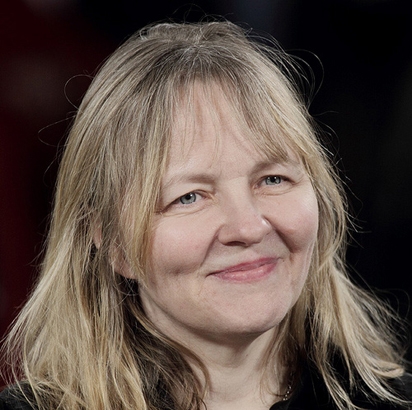
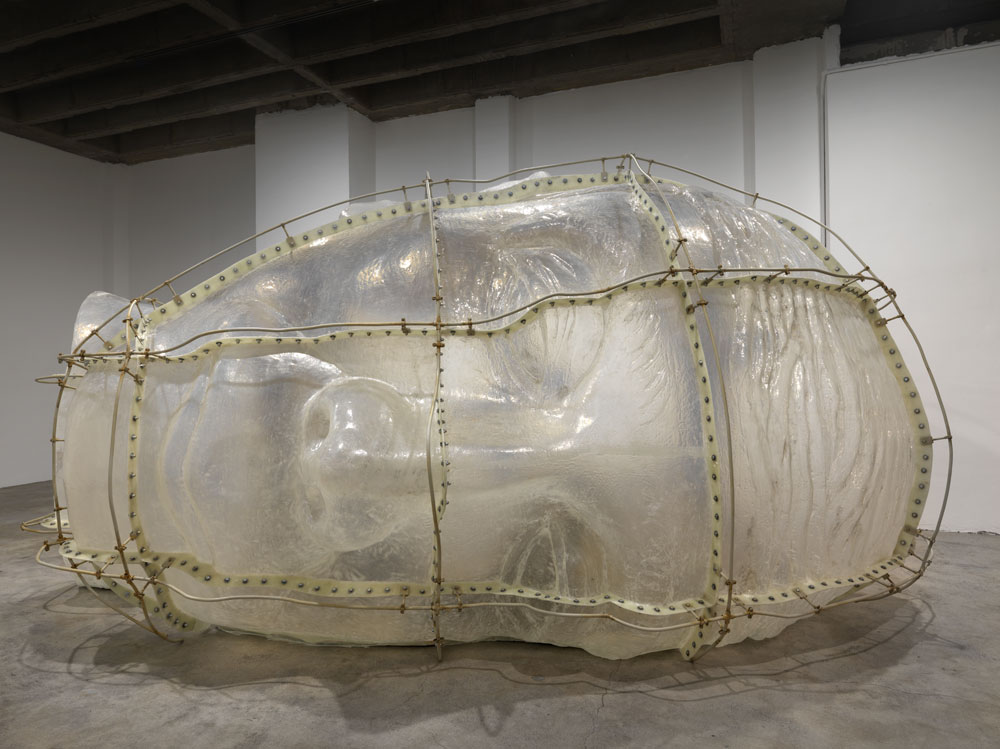
Exploring the seduction, magic, and desperation of our hyper-capitalist, globally-connected reality, Mika Rottenberg’s elaborate visual narratives draw on cinematic and sculptural traditions to forge a new language––one that uses cause and effect structures to explore labor and globalization, economy and production of value, and how our own affective relationships are increasingly monetized. Through film, architectural installation, and sculpture, her work illuminates an interconnectedness between seemingly unrelated economies; collapsing geographies and narratives, Rottenberg weaves documentary elements with fiction into complex allegories for human conditions and global systems.

Rottenberg has exhibited her work internationally, including at the 2015 Venice Biennale, the 2008 Whitney Biennial; Palais de Tokyo, Paris; KW Institute for Contemporary Art, Berlin; San Francisco Museum of Modern Art; Tate Modern, London; the ICA Boston; Yokohama Museum of Art, Japan; and the Guggenheim Bilbao, Spain. Honors include fellowships at Sommerakademie im Zentrum Paul Klee, Bern (2011) and The Flaherty International Film Seminar (2010); awards from The Rema Hort Mann Foundation (2004) and The Cartier Award in conjunction with the Frieze Art Fair (2006). Her videos have been included in juried selections by Planete Doc Film Festival, Warsaw (2011) and CPH:DOX FIlm Festival, Copenhagen (2010).

Tuesday, February 28th: Huma Bhabha

Huma Bhabha has gained widespread recognition for her raw, sculptural forms, which evoke primeval, ritualistic personages or the post-apocalyptic inhabitants of a world gone awry. Constructed from such humble materials as air-dried clay, wire, mud, Styrofoam, studs and scavenged wood, her work explores the fertile ground where the amorphous and the material collide. In Bhabha’s hands, for example, a dilapidated, rusted and discarded chair is recycled into a throne upon which a cyborg king sits. Architectural materials, junk and baubles are thus re-assembled into hybrid beings.

Bhabha received her BFA from the Rhode Island School of Design in 1985 and her MFA from Columbia University, New York in 1989. Bhabha’s first solo museum exhibition took place in 2012-13 at MoMA PS1 and she has had recent solo exhibitions at VeneKlasen Werner Gallery, Berlin (2014), Collezione Marmotti, Reggio Emilia, Italy (2012), and the Aspen Art Museum in Aspen (2011). Her work is included in the public collections of The Museum of Fine Arts, Houston, TX; The Museum of Modern Art, New York; The Metropolitan Museum of Art, New York; Centre Georges Pompidou, Paris; and the Whitney Museum of American Art, New York, among others. Huma Bhabha lives and works in Poughkeepsie, New York.

Tuesday, February 21st: Morgan Bassichis

poetry-project

Morgan Bassichis makes live comedic solo performances that have been described as “out there” (by Morgan’s mother) and “super intense” (by Morgan). Morgan’s work has been featured at MoMA PS1 as part of the 2015 Greater New York exhibition, as well as at the Poetry Project, Artists Space, and the Whitney Museum. Morgan lives in Brooklyn.


Tuesday, February 14th: Wu Tsang

5lhcvfhmx5mbdndhtpqqh18vzo9k-2mpp1vcl4fnbcnftkncz5qcxakivcr5zvp-jxp0aqs2048

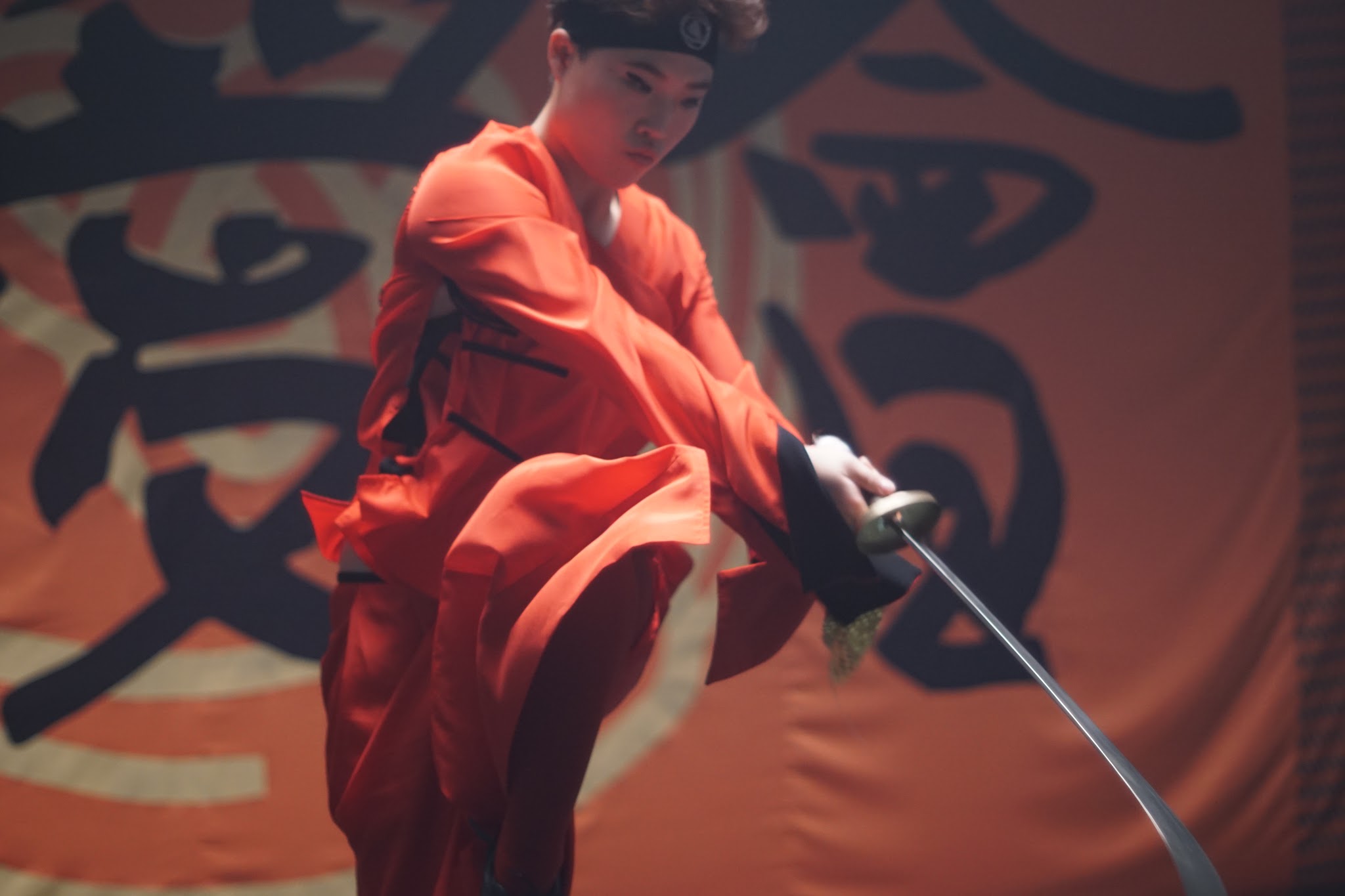
Wu Tsang‘s films, installations, performances, and sculptures move fluidly between documentary, activism, and fiction. Her work often addresses experiences of transness, focusing on the roles that language and “voice” play in the construction of personhood. Her 2016 film, “Duilian” explores the history of the Chinese poet Qiu Jin and her intimate relationship with the calligrapher Wu Zhiying, engaging translation, the distortion of history, and martial arts. Her 2012 project “Wildness” circles around a weekly experimental performance night that Tsang and her collaborators host at the historic LA bar Silver Platter, long home to a cross-generational Latin LGBTQ community. The bar itself becomes a character in the film, teasing out notions “safespace” through a magical realist lens.

Tsang‘s projects have been presented at museums and film festivals internationally, including MoMA (New York), Tate Modern (London), Stedelijk Museum (Amsterdam), MCA (Chicago), MOCA (Los Angeles), Berlinale Film Festival (Berlin), SANFIC (Santiago), Hot Docs Festival (Toronto), and South by Southwest Film Festival (Austin). Her first feature film WILDNESS (2012) premiered at MoMA’s Documentary Fortnight, and her work was also featured in the 2012 Whitney Biennial and in “The Ungovernables” New Museum Triennial in New York. She has received grants from Creative Capital, the Warhol Foundation, and the Rockefeller and Guggenheim Foundations.


Tuesday, February 7th: Luis Camnitzer

b9398845351f38ec72edaa5d5b0198b72

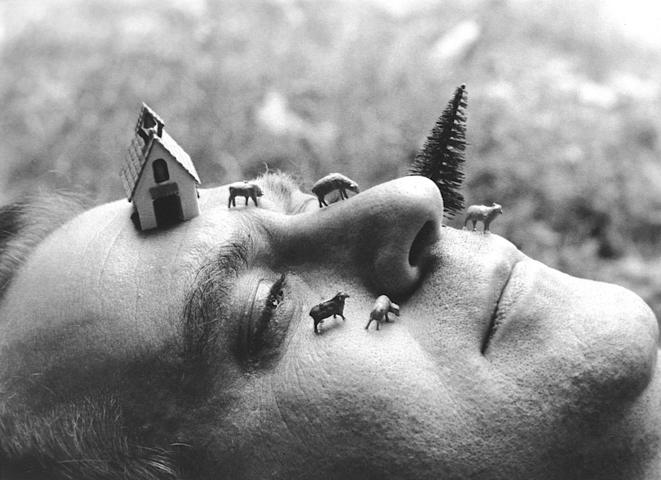
Luis Camnitzer (b.1937) is a German-born Uruguayan artist and writer who moved to New York in 1964. He was at the vanguard of 1960s Conceptualism, working primarily in printmaking, sculpture, and installations. Camnitzer’s artwork explores subjects such as social injustice, repression, and institutional critique. His humorous, biting, and often politically charged use of language as art medium has distinguished his practice for over four decades. Camnitzer’s work has been shown at important institutions since the 1960s, including one-person exhibitions at El Museo de la Memoria y los Derechos Humanos, Santiago, Chile (2013); Kemper Art Museum, St. Louis, MO (2011); El Museo del Barrio, New York (1995); Museo Carrillo Gil, Mexico City (1993); and List Visual Arts Center at M.I.T., Cambridge, MA (1991). Retrospectives of his work have been presented at Lehman College Art Gallery in the Bronx, New York (1991); Kunsthalle Kiel, Germany (2003); Daros Museum in Zurich, Switzerland, El Museo del Barrio, New York; and Museo de Arte Moderno de Medellin, Bogota, Colombia (2010–13).  His work has appeared in numerous group exhibitions, including Under the Same Sun: Art from Latin America Today at the Solomon R. Guggenheim Museum, New York, NY (2014); the seminal Information show at Museum of Modern Art, New York (1970); among others. He has been featured in several international biennials, including the Bienal de la Habana, Cuba (1984, 1986, 1991, 2009); Pavilion of Uruguay, 43 Biennale di Venezia, Italy (1988); Whitney Biennial (2000); and Documenta 11 (2002).

Tuesday, January 24th: Aliza Nisenbaum

mmg-nisea-00019-copy-copy-1-e1453919930227-1341x1500
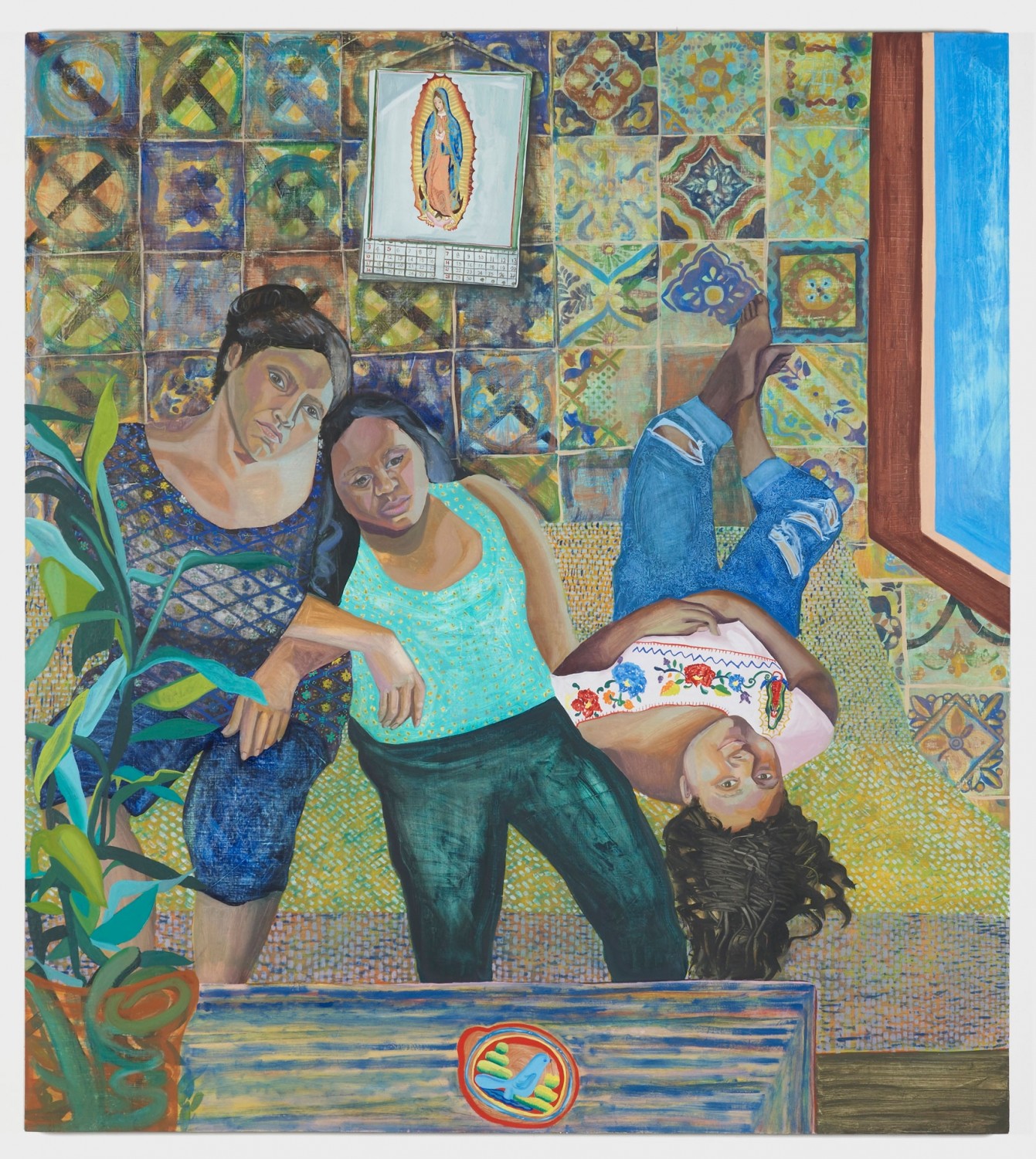
Aliza Nisenbaum (b. 1977 Mexico City, Mexico) is a New York based artist. She is an assistant professor at Columbia University School of the Arts and has exhibited both in the United States and internationally. Recent exhibitions include Mary Mary, Glasgow, UK; White Columns, New York, NY;  and Lulu, Mexico City, Mexico. Her work was also included in the Biennial of the Americas, Museum of Contemporary Art, Denver, CO; the Rufino Tamayo Painting Biennial, Museo Rufino Tamayo, Mexico City, Mexico; Fondazione Querini Stampalia, Venice, Italy;  The Renaissance Society, Chicago, IL; and the Poor Farm, Manawa, WI. Her works will be included in the upcoming 2017 Whitney Biennial curated by Christopher Y. Lew and Mia Locks.

Tuesday, January 17th: Chrissie Iles in conversation with Dora Budor

d080fe243a5314456921207a7e330416019e77f9
Chrissie Iles
is the Anne and Joel Ehrenkranz curator at the Whitney Museum of American Art. Her exhibitions include co-curating the 2004 and 2006 Whitney Biennials, and curating major survey exhibitions of Marina Abramovic, Louise Bourgeois, Dan Graham, Donald Judd, Sol LeWitt and Yoko Ono. She also curated several group exhibitions including “Into the Light: The Projected Image in American Art 1964-1977″; “Scream and Scream Again: Film in Art”; and “Signs of the Times: Film, Video and Slide Installation and Britain in the 1980s.”  Chrissie’s most recent curatorial projects Dreamlands: Immersive Cinema and Art, 1905–2016, is currently on view at the Whitney.  Dreamlands focuses on the ways in which artists have dismantled and reassembled the conventions of cinema—screen, projection, darkness—to create new experiences of the moving image.

1_2_26
Dora Budor, born in 1984, is an artist originally from Croatia who currently lives & works in New York.  Budor’s work “focuses on Hollywood production methods and special effects” and “considers the representation of emotional and physical experience within the ideological subtexts of mainstream cinema” (Swiss Institute, 2015). She has participated in several solo exhibitions, including a self-titled show at Ramiken Crucible (2016);Spring at the Swiss Institute (2015); and Action Paintings at 247365 (2014).  Her work is included in the Dreamlands: Immersive Cinema and Art, 1905–2016 exhibition at the Whitney, curated by Chrissie Isles.